


Imagine you’re on antibiotics for a stubborn infection, and you’re also dealing with heartburn. You reach for an antacid like Tums or Maalox because it’s quick, easy, and feels like relief. But what if that same pill is quietly sabotaging your antibiotic? This isn’t hypothetical-it’s happening every day, and it’s one of the most common reasons antibiotic treatments fail.
Why Antacids Can Kill Your Antibiotic’s Effectiveness
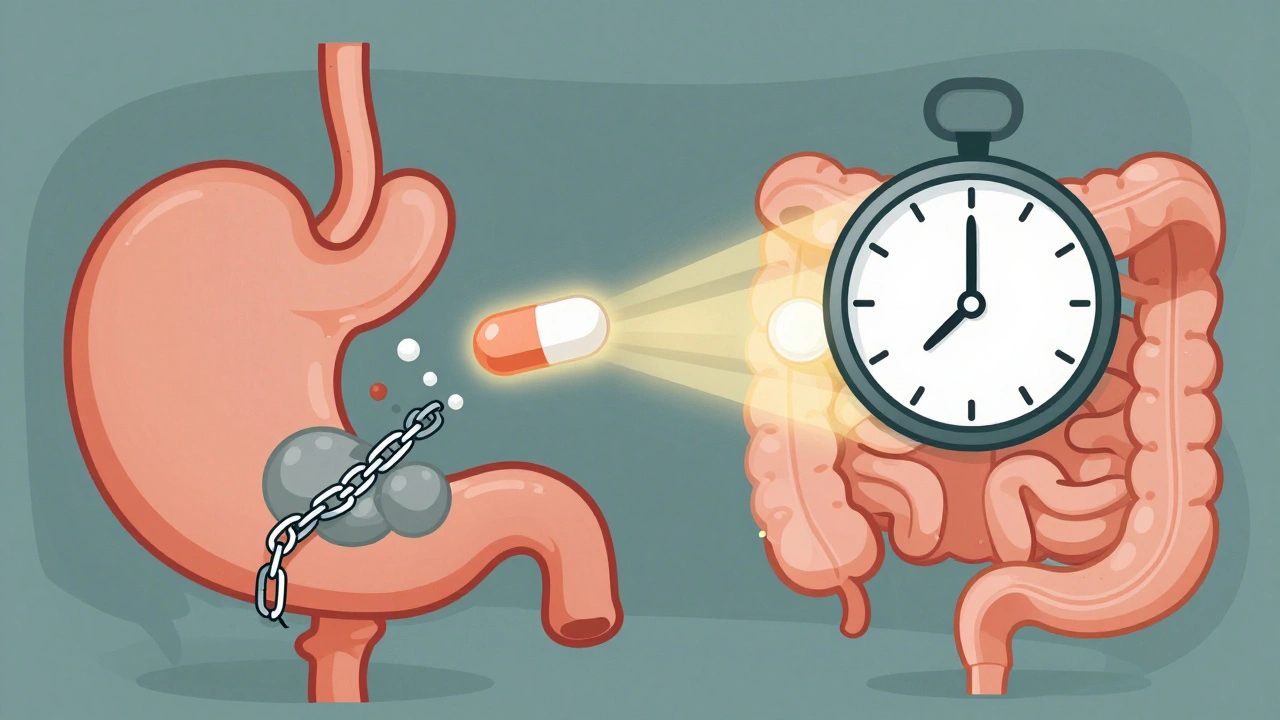
Antacids don’t just neutralize stomach acid. They also bind to certain antibiotics, turning them into useless lumps your body can’t absorb. The main culprits are antacids containing aluminum, magnesium, or calcium-ingredients found in popular brands like Tums, Rolaids, Maalox, and Mylanta. These minerals latch onto antibiotics like iron filings to a magnet, forming compounds that pass right through your gut without helping your infection. The science behind this is called chelation. When tetracycline or fluoroquinolone antibiotics meet these minerals, they form insoluble complexes. Studies show this can slash antibiotic absorption by up to 90%. For example, if you take ciprofloxacin with an antacid, your body might absorb only 10% of the dose. That’s not enough to kill bacteria-it’s just enough to make them stronger.Which Antibiotics Are Most at Risk?
Not all antibiotics are equally affected. Some are practically immune. Others? They’re extremely sensitive.- Fluoroquinolones (ciprofloxacin, levofloxacin): These are the most vulnerable. Taking them with antacids can reduce absorption by 75-90%. The NHS and FDA both say you must wait at least 4 hours after taking an antacid before taking these antibiotics-or take the antibiotic 2 hours before the antacid.
- Tetracyclines (doxycycline, tetracycline): These also bind tightly to minerals. Absorption drops by 50-70%. You need to separate doses by 2-3 hours.
- Penicillins and cephalosporins (amoxicillin, cephalexin): These are less affected. Studies show only a 15-20% drop in absorption. Still, it’s smart to wait at least 1-2 hours between doses.
- Macrolides (azithromycin, clarithromycin): Minimal interaction, but 2 hours separation is still recommended as a safety buffer.
- Metronidazole: No meaningful interaction. You can take it with antacids without worry.
Real Consequences: When Timing Goes Wrong
This isn’t just about theory. People are getting sicker because they don’t know this. A 2021 FDA analysis of 15,000 patients found that those who took ciprofloxacin with antacids had a 22% higher chance of their urinary tract infection coming back. One physician on Reddit shared that five patients in a year had recurring UTIs-all because they took their ciprofloxacin right after Tums. Once they spaced the doses apart, the infections cleared. On Drugs.com, over 1,200 patient reviews mention this exact issue. Two-thirds said their treatment failed at first-until they adjusted the timing. One woman on Amazon Pharmacy wrote: “My acne didn’t improve for weeks on doxycycline. My pharmacist asked if I was taking antacids. I was. I started taking the antibiotic 2 hours before my antacid. My skin cleared up in three weeks.” In primary care, doctors report that nearly 18% of apparent antibiotic failures are actually just bad timing with antacids. That’s not resistance. That’s a simple mistake.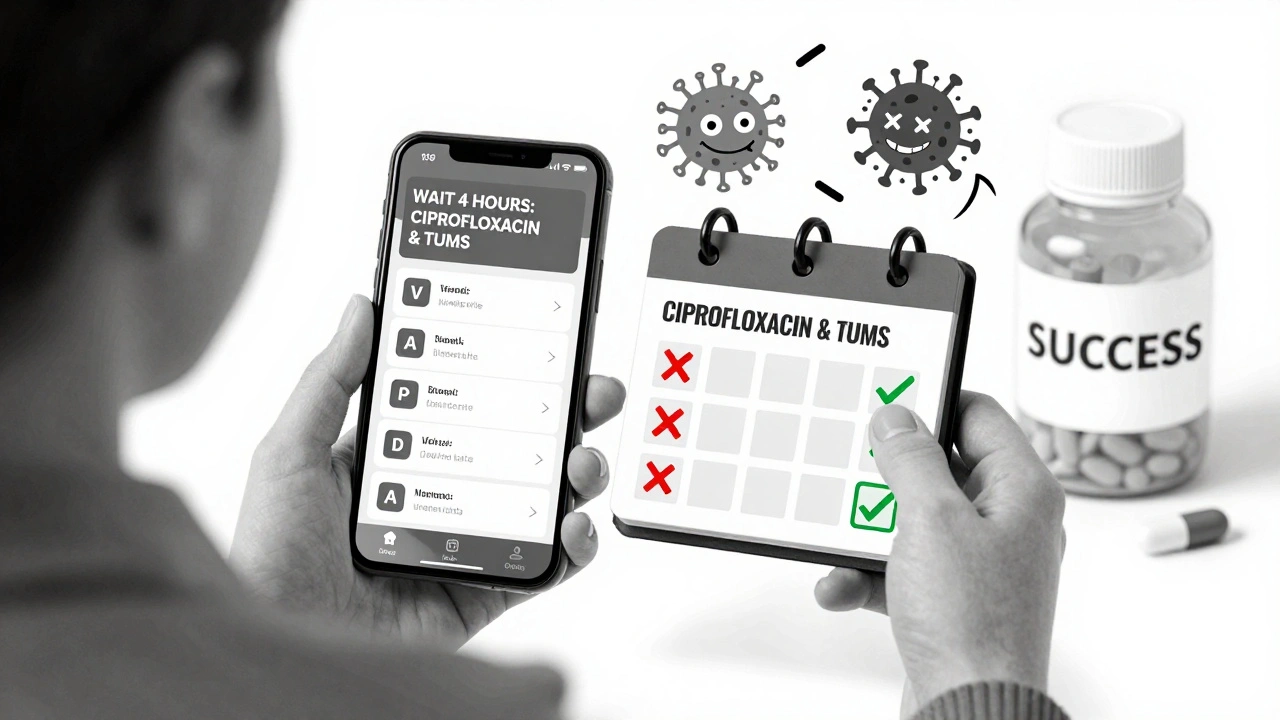
How to Actually Get the Timing Right
The good news? Fixing this is simple. The hard part is remembering it. Here’s the clearest schedule to follow:- For fluoroquinolones (ciprofloxacin, levofloxacin): Take antibiotic at least 2 hours before OR 4 hours after any antacid.
- For tetracyclines (doxycycline): Take antibiotic 2 hours before OR 3 hours after antacid.
- For amoxicillin or similar: Wait 1-2 hours between doses.
- For metronidazole: No timing needed.
- 8 a.m.: Take ciprofloxacin
- 10 a.m.: Take antacid (after breakfast)
- 12 p.m.: Lunch
- 2 p.m.: Take antacid (after lunch)
- 4 p.m.: Take antacid (after snack)
- 8 p.m.: Take ciprofloxacin
- 10 p.m.: Take antacid (after dinner)
What If You Can’t Avoid Antacids?
If you have chronic heartburn or GERD and need acid relief daily, switching to a different type of medication can help.- H2 blockers like famotidine (Pepcid) or ranitidine (Zantac) have far fewer interactions with antibiotics.
- Proton pump inhibitors like omeprazole (Prilosec) or esomeprazole (Nexium) are also safer choices.

Tools That Actually Help
Remembering to wait 2-4 hours between pills is harder than it sounds-especially if you’re juggling multiple medications, feeling sick, or are older. Many people use smartphone apps like MyMedSchedule, which has built-in alerts for antacid-antibiotic conflicts. It doesn’t just remind you to take your pill-it tells you when to take it relative to your antacid. Clinics are also using visual aids. One Mayo Clinic study gave patients a simple color-coded chart showing “safe windows” for taking antibiotics and antacids. Patients who used the chart made 37% fewer timing errors.What’s Changing in 2025?
New developments are making this easier. In 2023, the FDA approved a new extended-release version of ciprofloxacin called Cipro XR-24. In clinical trials, it showed only an 8% drop in absorption when taken with antacids-compared to 90% for the regular version. This could change how we treat infections in the future. Also, new guidelines from the American Society of Health-System Pharmacists now differentiate between types of antacids. Calcium-based ones (like Tums) require a 4-hour wait with fluoroquinolones. Magnesium-based ones (like Maalox) only need 2 hours. And researchers are looking ahead. A 2023 study found that people with certain genetic variants empty their stomachs faster or slower. In the next few years, doctors may start personalizing timing based on your biology-not just generic rules.Bottom Line: Don’t Guess. Time It.
Antacids and antibiotics aren’t enemies. But they don’t play well together unless you give them space. If you’re on antibiotics and have heartburn:- Check your antibiotic’s class.
- Check your antacid’s ingredients (look for aluminum, magnesium, calcium).
- Wait at least 2 hours between doses. For ciprofloxacin or doxycycline, wait 4 hours.
- Consider switching to famotidine or omeprazole if you need daily acid control.
- Use a reminder app or a printed schedule.
Can I take Tums with amoxicillin?
Yes, but it’s better to wait at least 1-2 hours between doses. Amoxicillin isn’t strongly affected by antacids, but studies show a 15-20% drop in absorption if taken together. Waiting a couple of hours ensures you get the full benefit. If you’re taking it multiple times a day, space out the antacid to avoid overlapping.
How long should I wait after taking an antacid before taking ciprofloxacin?
Wait at least 4 hours. Ciprofloxacin binds tightly to calcium, magnesium, and aluminum in antacids, reducing absorption by up to 90%. Taking ciprofloxacin 4 hours after an antacid gives your body time to clear those minerals from your gut. Alternatively, take ciprofloxacin 2 hours before your antacid. Never take them together.
Does omeprazole interact with antibiotics like antacids do?
Omeprazole (a proton pump inhibitor) has minimal interaction with most antibiotics, unlike antacids. It doesn’t contain metal ions that chelate drugs, so it won’t reduce absorption the same way. However, it can slightly alter stomach pH, which might affect absorption of some drugs like ketoconazole or atazanavir. For antibiotics like amoxicillin, ciprofloxacin, or doxycycline, omeprazole is generally safe and often recommended as a better long-term alternative to antacids.
Can I take antacids with metronidazole?
Yes, you can take antacids with metronidazole without any timing concerns. Metronidazole doesn’t bind to aluminum, magnesium, or calcium, and its absorption isn’t affected by stomach pH changes. This makes it one of the few antibiotics that can be safely taken with antacids at the same time.
Why do some doctors say timing doesn’t matter?
Some experts argue that the 15-20% absorption drop with amoxicillin or azithromycin rarely leads to real-world treatment failure in healthy people. But for fluoroquinolones and tetracyclines, the drop is much larger-up to 90%. In immunocompromised patients, the elderly, or those with serious infections like pneumonia or UTIs, even a small drop in antibiotic levels can lead to treatment failure and resistance. So timing matters most for high-risk drugs and high-risk patients.
What if I forget and take them together?
If you accidentally take your antibiotic and antacid together, don’t panic. Don’t double up on the antibiotic. Just wait until your next scheduled dose and space it properly from your next antacid. One accidental overlap won’t ruin your treatment-but repeated mistakes might. If you’re worried, call your pharmacist. They can help you adjust your schedule safely.
9 Comments

Paul Dixon
December 11, 2025 AT 14:14
This is the kind of post that should be mandatory reading before you even fill your first antibiotic prescription. I used to take Tums with my doxycycline like it was nothing-now I swear by the 2-hour rule. My acne cleared up within weeks after I stopped treating my heartburn and my infection at the same time. Simple fix, huge difference.

matthew dendle
December 12, 2025 AT 10:20
so u mean i cant just crush my tums and mix em with my cipro like a smoothie?? lol jk but seriously why does this even need a 1000 word essay?? its just chemistry bro

Sylvia Frenzel
December 12, 2025 AT 14:44
People don’t realize how many infections turn chronic because of this. I had three UTIs in a year before I figured out I was taking my cipro right after lunch with Maalox. My doctor acted like it was my fault. Turns out, half the patients in her practice do the same thing. This isn’t about being careful-it’s about being informed, and no one tells you.

Jim Irish
December 12, 2025 AT 21:44
Clear, factual, and clinically significant. The data on absorption rates and real-world outcomes is compelling. This should be shared with primary care providers and pharmacists as a standard patient handout.

Jimmy Kärnfeldt
December 14, 2025 AT 00:39
I love posts like this. It’s not just about medicine-it’s about giving people power. You don’t need to be a doctor to understand this. Just a little awareness and a calendar reminder. That’s all it takes to avoid turning a simple infection into a months-long nightmare.

Taylor Dressler
December 14, 2025 AT 05:04
Correction: The FDA’s 2021 analysis cited 15,000 patients, but the 22% higher recurrence rate was specifically for uncomplicated UTIs in otherwise healthy adults. In immunocompromised patients, the risk is even higher. Also, calcium-based antacids like Tums are more problematic than magnesium-based ones like Mylanta-new guidelines reflect this distinction. Always check the active ingredients.

Aidan Stacey
December 14, 2025 AT 17:26
My grandma took cipro and Tums together for years. She ended up in the hospital with a resistant E. coli infection. They thought it was antibiotic resistance-turns out it was just bad timing. She’s fine now, but she’s got a laminated chart taped to her fridge. I wish someone had told us sooner.

Ariel Nichole
December 14, 2025 AT 18:22
Thanks for this. I’ve been on metronidazole for bacterial vaginosis and was worried about my heartburn meds. Good to know I don’t have to stress. Sometimes the simplest info is the most valuable.

john damon
December 15, 2025 AT 13:33
✅ Tums at 8am? Wait till 12pm for cipro. ✅
✅ Doxycycline at 7am? No antacids till 10am. ✅
✅ Omeprazole? Chill. ✅
✅ Metronidazole? Go nuts. ✅
✅ Forgot? Don’t panic. Just reset. ✅
Save this. Print it. Tape it to your pill organizer. Your future self will thank you.
Write a comment