


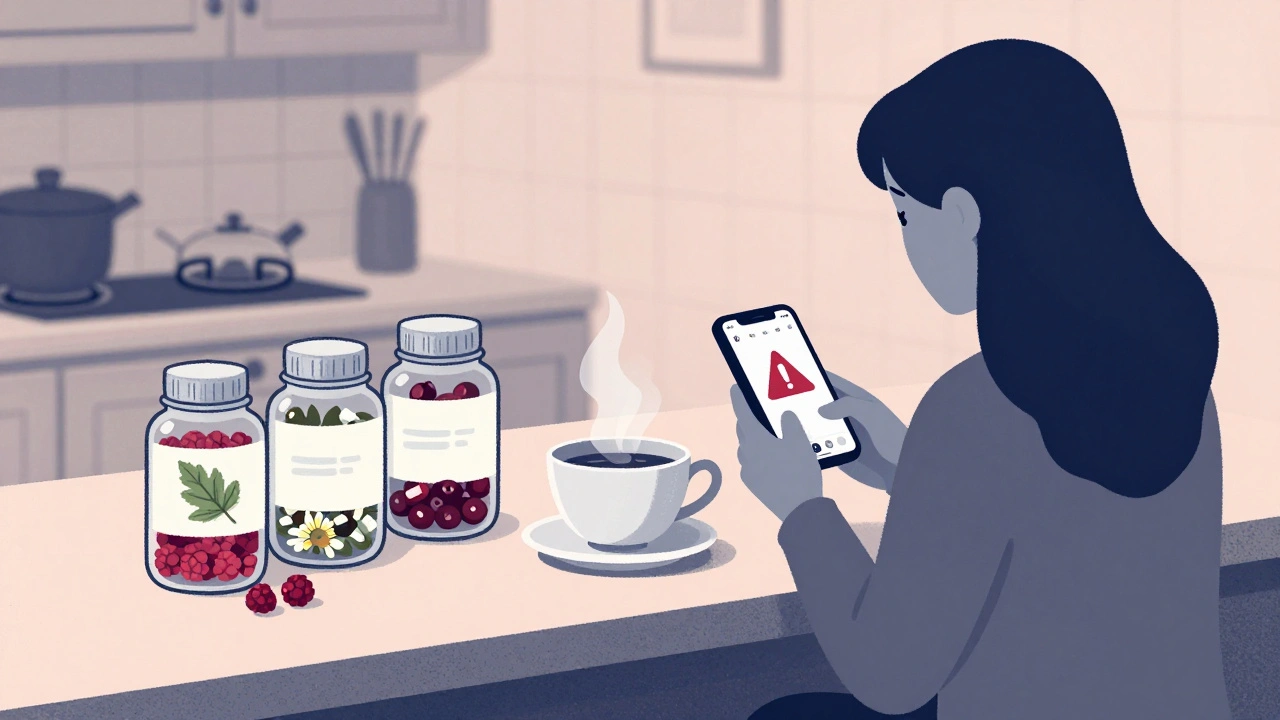
More than 1 in 4 pregnant women take herbal supplements. Not because they’re reckless, but because they’re told these are "natural" and therefore safe. The truth? It’s not that simple. While some herbs like ginger have solid research backing their use, others carry hidden risks - and most have almost no reliable data at all. If you’re pregnant and wondering whether that chamomile tea or raspberry leaf capsule is okay, you’re not alone. And you’re not wrong to be unsure.
What Herbal Supplements Are Actually Used During Pregnancy?
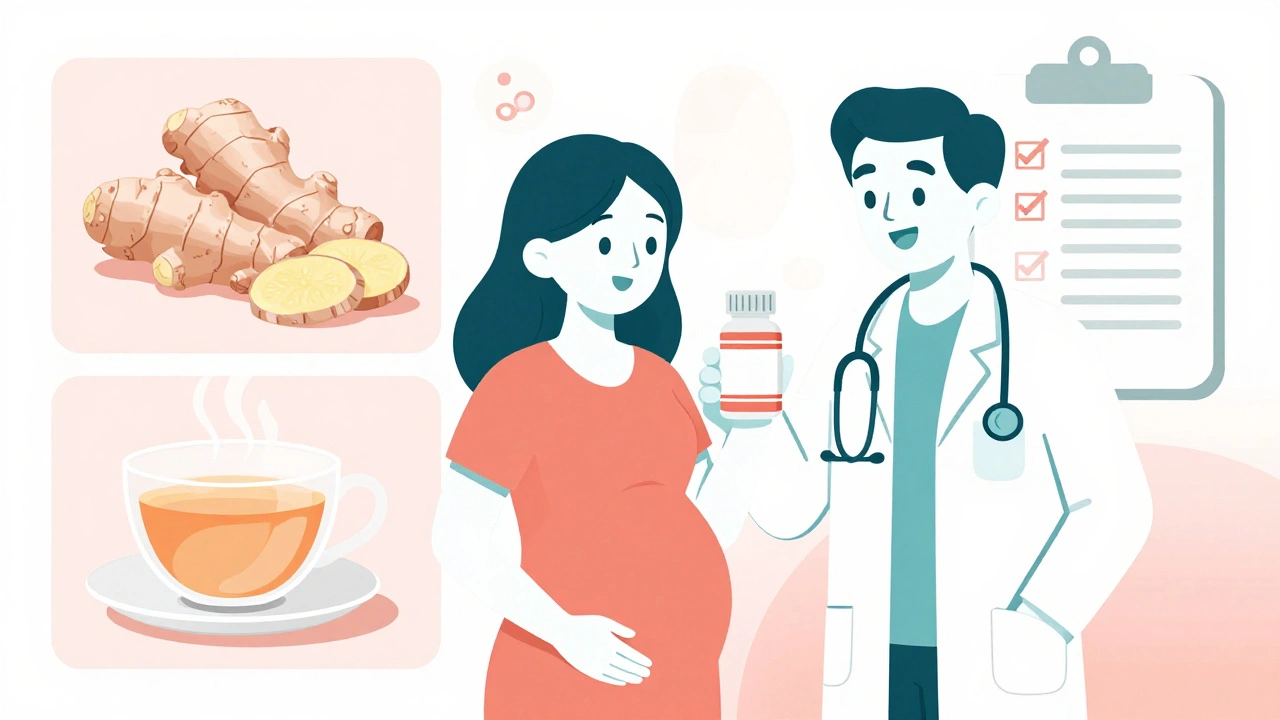
Ginger tops the list. Around 28% of pregnant women in Catalonia, Spain, use it - mostly for nausea. And for good reason. Multiple studies show that doses under 1,000 mg per day reduce vomiting and nausea as effectively as some prescription meds, without the same side effects. It’s one of the few herbs with enough evidence to be recommended by major medical groups.
Chamomile comes next. Often used for sleep or anxiety, it’s in teas, tinctures, and capsules. But here’s the catch: some studies link it to higher risks of preterm birth and low birth weight. Others show no effect. The inconsistency isn’t because the science is messy - it’s because almost no one has studied it properly in pregnant women.
Raspberry leaf is another big one. Many midwives and doulas recommend it starting in the third trimester to "tone the uterus" and ease labor. But the American Academy of Family Physicians says it may increase the chance of cesarean delivery when used to try to induce labor. And it’s not just about timing - there’s no standard dose. One capsule might have 500 mg. Another might have 1,200 mg. That’s a problem when you’re trying to avoid uterine overstimulation.
Cranberry supplements are popular for preventing urinary tract infections (UTIs), which are common in pregnancy. They might help a little, but they’re not as reliable as antibiotics like nitrofurantoin. And there’s a red flag: some women report spotting in the second or third trimester after taking them. No one knows why. No one’s studied it enough to say if it’s a real risk or a coincidence.
Why Is There So Little Safety Data?
Here’s the harsh reality: pregnant women are almost never included in clinical trials. Not because researchers are ignoring them - but because they’re afraid of harming the baby. So when a company makes a ginger supplement, they don’t need to prove it’s safe for pregnancy. They just need to say it’s "natural." That’s it.
The FDA doesn’t require herbal supplements to be tested for safety or effectiveness before they hit store shelves. That means two bottles of "raspberry leaf extract" from different brands could contain wildly different amounts of active ingredients - or even unlisted herbs, heavy metals, or pharmaceuticals. One 2023 FDA review found that 20% to 60% of herbal products had contamination or mislabeling issues.
Even the name "supplement" is misleading. Unlike prenatal vitamins - which are regulated as dietary supplements with strict ingredient limits - herbal products are treated like food. That’s why you can buy a bottle labeled "For Pregnancy" with no warning labels, no dosage guidelines, and no proof it does what it claims.
What’s the Real Risk?
Most herbs aren’t dangerous if used carefully. But some can be. Rosemary, for example, is fine as a seasoning in food. But in medicinal doses - like in capsules or concentrated teas - it can stimulate contractions. The American Pregnancy Association calls oral use "possibly unsafe." Topical use? Unknown. That’s the pattern: we know what happens when you eat it, but not when you take it as a pill.
Then there are herbs with clear red flags: pennyroyal, blue cohosh, black cohosh, and high-dose sage. These are linked to uterine contractions, fetal distress, and even miscarriage. Yet they’re still sold online with labels like "natural labor support" or "uterine tonic." No warnings. No disclaimers.
Even "safe" herbs can interact with medications. Ginger can thin the blood - a problem if you’re on aspirin or have a bleeding disorder. Chamomile might interfere with sedatives or antidepressants. And if you’re taking iron supplements for anemia (common in pregnancy), some herbs can block absorption.
Why Do Women Still Use Them?
Because they’re told it’s better than medicine. A Spanish study found that women who used herbal products were far more likely to believe that natural remedies are safer than prescription drugs. That belief is strong - and it’s fueled by social media, family advice, and wellness blogs.
Forty-two percent of women in that same study started using herbs without telling their doctor. They got advice from their mom, a Facebook group, or a YouTube video. Reddit threads from early 2024 show how confused people are. One post asking "Is chamomile tea safe?" got 142 comments. Only 37% said they’d consult a provider. The rest relied on anecdotal experience.
And let’s be honest - doctors don’t always help. Many don’t ask about herbal use. They assume it’s harmless. Or they don’t know enough to give good advice. A 2023 survey found that 68% of OB-GYNs felt underprepared to discuss herbal supplements with patients. That’s a gap - and it’s dangerous.
What Should You Do?
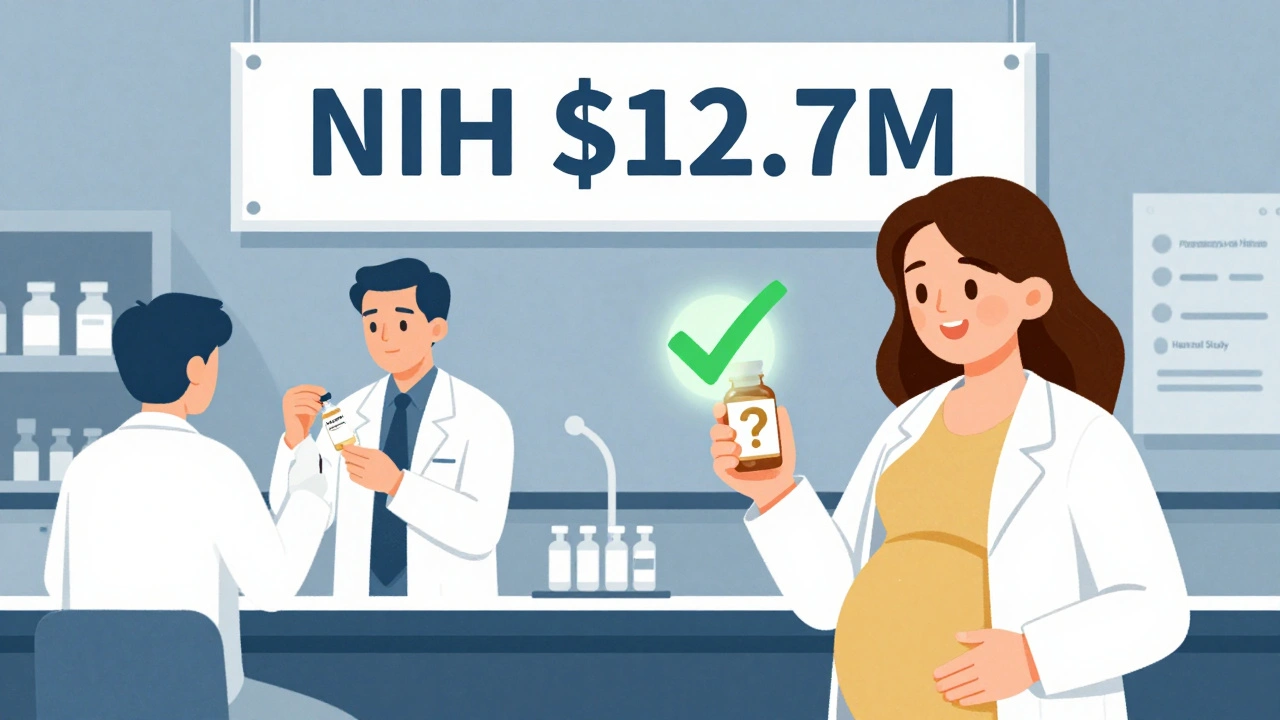
If you’re pregnant and using any herbal product - even if it’s just a tea - talk to your provider. Not your aunt. Not your doula. Not your Instagram health coach. Your doctor or midwife. Bring the bottle. Show them the label. Ask: "Is this safe for me right now?"
Here’s what to avoid:
- Any herb marketed to "induce labor," "cleanse the uterus," or "boost fertility" during pregnancy
- Supplements with no ingredient list, no manufacturer name, or no batch number
- Products bought from unregulated online sellers (especially Amazon, Etsy, or Instagram shops)
- Herbs you’ve never used before - especially in the first trimester
Here’s what’s likely okay, with your provider’s approval:
- Ginger - up to 1,000 mg per day for nausea
- Cranberry capsules - for UTI prevention, if you’ve had them before and aren’t spotting
- Raspberry leaf - only after 32 weeks, and only if you’ve discussed it with your provider
And if you’re not sure? Skip it. Pregnancy isn’t the time to experiment with untested substances. There’s no rush. You don’t need to "optimize" your pregnancy with herbs. You just need to stay healthy.
What’s Changing?
There’s some hope. In September 2023, the National Institutes of Health launched a $12.7 million study to track herbal use in pregnancy across the U.S. They’re following 5,000 women from early pregnancy through birth to see what, if anything, affects outcomes. That’s the kind of data we’ve needed for decades.
The FDA also issued warning letters in early 2024 to three companies making false claims about pregnancy-safe herbal products. That’s a start. But until herbal supplements are held to the same standards as drugs - and until doctors are trained to ask about them - the risk will stay high.
For now, the safest rule is simple: if you didn’t get it from your doctor, don’t take it. Not because everything is dangerous. But because we just don’t know enough to say what’s safe.
Is ginger safe during pregnancy?
Yes, ginger is generally considered safe for pregnancy-related nausea when taken in doses under 1,000 mg per day. Multiple studies support its effectiveness and low risk profile. However, it can interact with blood thinners, so talk to your provider if you’re on any medication.
Can I drink chamomile tea while pregnant?
It’s unclear. Chamomile is widely used for sleep and anxiety, but some studies link it to higher risks of preterm birth and low birth weight. Because the evidence is conflicting and no large studies have confirmed safety, most experts recommend limiting or avoiding it - especially in concentrated forms like teas or extracts.
Is raspberry leaf safe to take in the third trimester?
Some providers allow it after 32 weeks for potential labor support, but it’s not without risk. Raspberry leaf may stimulate contractions, and studies show a possible link to higher cesarean rates when used to induce labor. There’s no standard dose, so always consult your provider before using it.
Are herbal supplements regulated like prescription drugs?
No. Herbal supplements are not held to the same standards as prescription or over-the-counter drugs. The FDA doesn’t require safety or efficacy testing before they’re sold. This means ingredients, dosages, and purity can vary widely between brands - and even between batches of the same product.
What herbs should I avoid completely during pregnancy?
Avoid pennyroyal, blue cohosh, black cohosh, large doses of rosemary, sage, and licorice root. These have been linked to uterine stimulation, miscarriage, or fetal harm. Even if a product says "natural" or "for pregnancy," if it’s not approved by your provider, assume it’s unsafe.
Should I tell my doctor if I’m taking herbal supplements?
Yes. Always. Many providers don’t ask, so you need to bring it up. Bring the bottle or a photo of the label. Herbal supplements can interact with prenatal vitamins, iron, blood pressure meds, and even anesthesia during delivery. Full disclosure is the only way to stay safe.
8 Comments

jagdish kumar
December 4, 2025 AT 06:30
They call it natural, but nature doesn’t care if you live or die. It’s all just chemistry. Ginger? Fine. Chamomile? Maybe. But when you’re pregnant, you’re not just feeding yourself-you’re feeding a tiny alien that can’t tell you it’s choking. So why gamble?

Benjamin Sedler
December 4, 2025 AT 21:17
Look, I get it. Big Pharma wants you hooked on pills. But herbal supplements? They’re the Wild West. One guy on Reddit swears by blue cohosh to induce labor-he lost his baby. Another says raspberry leaf made her delivery ‘effortless.’ Meanwhile, the FDA’s got more paperwork than a DMV clerk. Who’s really protecting you? Not your doula. Not your mom. Not the guy selling ‘Pregnancy Power Tea’ on Etsy.

michael booth
December 4, 2025 AT 22:27
Thank you for this thoughtful breakdown. As a healthcare provider, I see too many patients who assume natural equals safe. The truth is far more nuanced. Ginger is well studied. Chamomile? Not enough. Raspberry leaf? Timing and dosage matter immensely. The real issue isn’t the herbs-it’s the lack of standardized education for both patients and providers. We need better communication, not fear.

Carolyn Ford
December 5, 2025 AT 13:47
You say 'talk to your doctor'-but what if your doctor doesn't know anything? I asked mine about chamomile tea. She said, 'Oh, that's fine.' Then I Googled it. Turns out she's never read a single study on it. So now I'm just guessing. And I'm supposed to trust her with my child? No. Thank you.

Heidi Thomas
December 7, 2025 AT 09:29
Stop lying to yourselves. If you’re taking anything that isn’t FDA-approved for pregnancy, you’re playing Russian roulette with your baby’s brain. Ginger? Maybe. Cranberry? Fine. But anything with ‘tonic’ or ‘labor support’ on the label? That’s not wellness-that’s negligence. And if your OB-GYN didn’t warn you? Fire them. They’re incompetent.

Libby Rees
December 8, 2025 AT 15:03
I appreciate the clarity here. I used ginger tea during my first pregnancy and felt better than with any medication. But I never took anything else. I didn’t need to. The idea that we must ‘optimize’ pregnancy with supplements feels like modern wellness cult mentality. Sometimes, the most powerful thing you can do is nothing at all. Simple. Calm. Safe.

Dematteo Lasonya
December 9, 2025 AT 13:35
I was so scared to ask my midwife about the raspberry leaf tea I’d been drinking. I thought she’d judge me. But when I showed her the bottle, she didn’t scold me-she explained the risks and helped me pick a safer brand. That’s the kind of care we need more of. Not fear. Not shame. Just honest, open conversation. Thank you for normalizing that.

Rudy Van den Boogaert
December 11, 2025 AT 02:23
My wife took ginger all through her first trimester. Zero nausea. We also took cranberry capsules for UTIs. No issues. But we never touched anything labeled ‘labor support’ or bought anything without a batch number. We asked our doctor before every new thing-even the chamomile tea. I know it seems like overkill. But when you’re carrying a life, you don’t take chances. You just ask. And you listen.
Write a comment