


Understanding Levothyroxine: Its Uses and Side Effects
Once, as I was running after my youngest, Blair, hand filled with a glass of milk turned more earthquake-resistant by the scattered traces of the day's earlier coffee, little did I know that I was about to embark on an intriguing quest to decipher the perplexing domain of medicine and alcohol. Amidst the trail of toys, I bumped into a bottle of pills labeled 'Levothyroxine', which turned out to be the catalyst of this tale.
Levothyroxine, as I later found out, is a man-made form of a hormone produced by the thyroid gland. It is used when the thyroid does not produce enough of this hormone on its own. It helps to restore the normal metabolic activity of the body and is typically used to treat hypothyroidism. It also aids to prevent certain types of enlarged thyroid glands and is effective in managing certain types of thyroid cancers.
The side effects of Levothyroxine are usually seen when the dosage is not ideally matched to the individual's requirements. In most cases, excess Levothyroxine can cause symptoms of hyperthyroidism, including irregular heartbeats, nervousness, hunger, weight loss, and excessive sweating. The objective, therefore, is to find a balance - to ensure that the body has enough hormones to keep metabolism well-tuned, without winding it up too high.
Alcohol Interactions with Levothyroxine: What Happens?
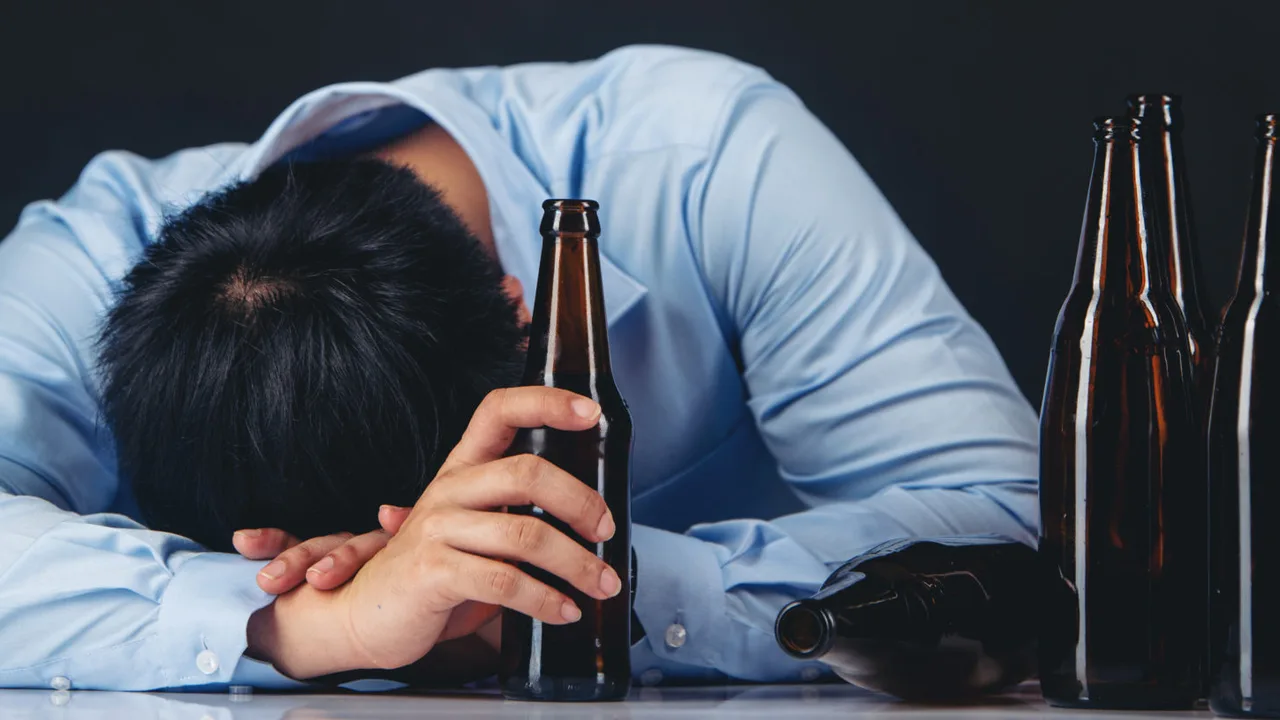
There's no escaping from Alcohol if you're a responsible adult. Or, well, a parent. Whether we're talking about a holiday gathering or a weekend cookout, our good old friend 'ethanol' is always close by. But what might this mean for someone also consuming Levothyroxine?
Initially, my inquiries met with split answers, not unlike the divided loyalties during a one-day cricket match between England and Australia. Half the crowd, or better said, the 'experts', claimed there's nothing to worry about. The other side, however, cautioned against mixing the two.
You see, alcohol may interfere with the absorption and utilization of this thyroid hormone. Alcohol has a profound effect on our body's metabolic processes, primarily those happening in the liver, where Levothyroxine is processed. Interactions can potentially occur leading to an ineffective treatment if you're not careful about the amount of alcohol you consume.
Unveiling the Truth: Is It Safe to Mix the Two?
As a dad, the well-being of my kids, August and Blair, is my top priority. This inherent parent gene makes me worry about random things, including the safety of mixing Levothyroxine with alcohol. So, still pondering on that knocked over medicine pill of Levothyroxine, I continued my search.
For most people, a casual drink is unlikely to cause issues with Levothyroxine as long as you don't go overboard. However, every person is different, and for some, the interaction may be significant, particularly for frequent drinkers. One potential impact could be an increased chance of experiencing the side effects of Levothyroxine or alcohol.
All in all, it's safe to say, moderation is key when it comes to alcohol, especially when you are taking a potent medication like Levothyroxine. It's a bit like trying to balance a cat and a dog on a seesaw; it's certainly doable, but it requires quite a bit of attention and finesse.
Tips for Managing Levothyroxine and Alcohol Together
I could just stop at saying 'moderation' and 'balance', but hey, who am I kidding? This is Harrison, a dad on a mission, and a blogger who loves to share practical tips. And this scenario calls for more than just a couple of buzzwords! So, here are some tips to successfully manage Levothyroxine and alcohol together:
- A healthy liver is vital - Keep your liver health in check, given its crucial role in metabolizing both alcohol and Levothyroxine.
- Timing matters - Ensure you take your medication at least an hour before, or three hours after, consuming alcohol so that your body gets ample time to absorb the dose.
- Listen to your body - Your body isn’t shy about expressing discomfort. If you notice increased side effects or any unknown symptoms, it’s best to lay off the booze and consult the doctor.
Home Runs: Shared Experiences and Final Thoughts
There is no way I can wrap up without sharing a little lighthearted incident. You see, August, my elder one, loves baseball. And like any supportive dad, I occasionally hit the fields in my desperate attempt to maintain 'cool dad' status. The last time I tried to mix some casual drinking with a quick match of catch, the result was not exactly what you would call a homerun. Let's just say, it involved a sprained ankle and some significantly bruised ego. A not-so-subtle reminder, my dear readers: Know the game before you mix the players; applies as much to baseball as it does to our dear Levothyroxine and alcohol!
In conclusion, like any good story or perhaps more fittingly, a perfectly executed dad-joke, the core message here is about finding a balance. We need to walk the thin line between enjoying life's simple pleasures like a chilled beer and maintaining body health, especially when dealing with potent meds like Levothyroxine. As someone who frequently tosses between the roles of dad, husband, and self-proclaimed protector of family health, I've learnt that wellbeing boils down to responsible fun. Or is it fun responsibility? Well, while I chew on that, here's wishing you health, happiness, and just the right balance of hormone and hops!
6 Comments

Amy Hutchinson
November 9, 2023 AT 18:39
I once took levothyroxine and had three margaritas on a beach vacation and woke up with my heart doing the cha-cha. Don't even think about it. Just say no. Seriously.

Archana Jha
November 10, 2023 AT 15:26
wait wait wait… did u know alcohol is secretly engineered by big pharma to mess with thyroid meds? i read it on a forum where a guy claimed the FDA banned 12 studies because they found ethanol triggers autoimmune thyroid meltdown. also, coffee is worse. dont drink water either. its laced with fluoride. lol jk… or am i?

Aki Jones
November 11, 2023 AT 18:34
The pharmacokinetic interaction between ethanol and levothyroxine is not merely theoretical-it's clinically documented. Hepatic glucuronidation pathways are competitively inhibited by alcohol, leading to subtherapeutic serum concentrations of T4. Furthermore, chronic ethanol consumption induces CYP2E1, which accelerates peripheral deiodination, potentially exacerbating iatrogenic hyperthyroidism. You're not just ‘mixing two things’-you're destabilizing a finely tuned endocrine axis. And yes, I've read the full Cochrane review.

Jefriady Dahri
November 12, 2023 AT 03:22
Hey everyone, I get it-life’s about balance 🙌 I’ve been on levothyroxine for 8 years and I still enjoy a beer with my wife on Fridays. Just take it 3 hours before, stay hydrated, and listen to your body. If you feel off, skip it. No shame in that. We’re all trying to be healthy, not perfect. You got this 💪

Andrew McAfee
November 13, 2023 AT 01:33
My cousin in Texas drinks whiskey every night and takes her pill at dawn and she's fine. People overthink this. The liver is built for this. Just don't be a drunk and you'll be okay. Also why is everyone so scared of alcohol these days

Andrew Camacho
November 13, 2023 AT 13:11
Okay but let’s be real here-this whole ‘moderation’ thing is a scam. You think one drink is safe? You’re just setting yourself up for a thyroid crash. I know a guy who went from ‘fine’ to full-blown atrial fibrillation after a ‘little’ wine with dinner. And now he’s on beta-blockers. And his kids are scared to hug him. This isn’t about ‘dad jokes’-this is about your life. Stop romanticizing self-destruction. You think you’re being cool? You’re just a walking time bomb. And that baseball story? That’s not a joke. That’s a warning label.
Write a comment