
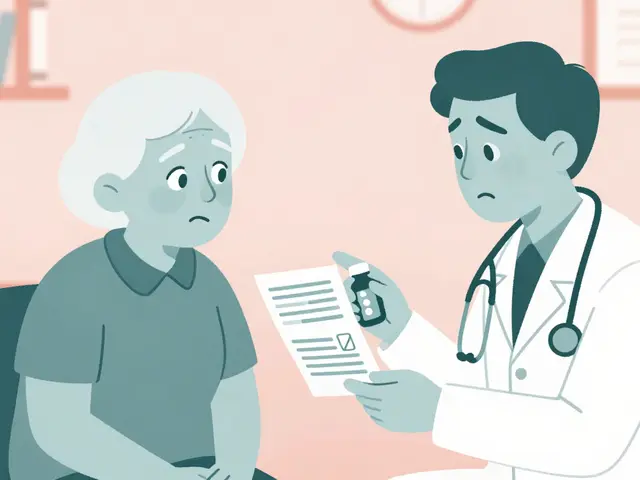

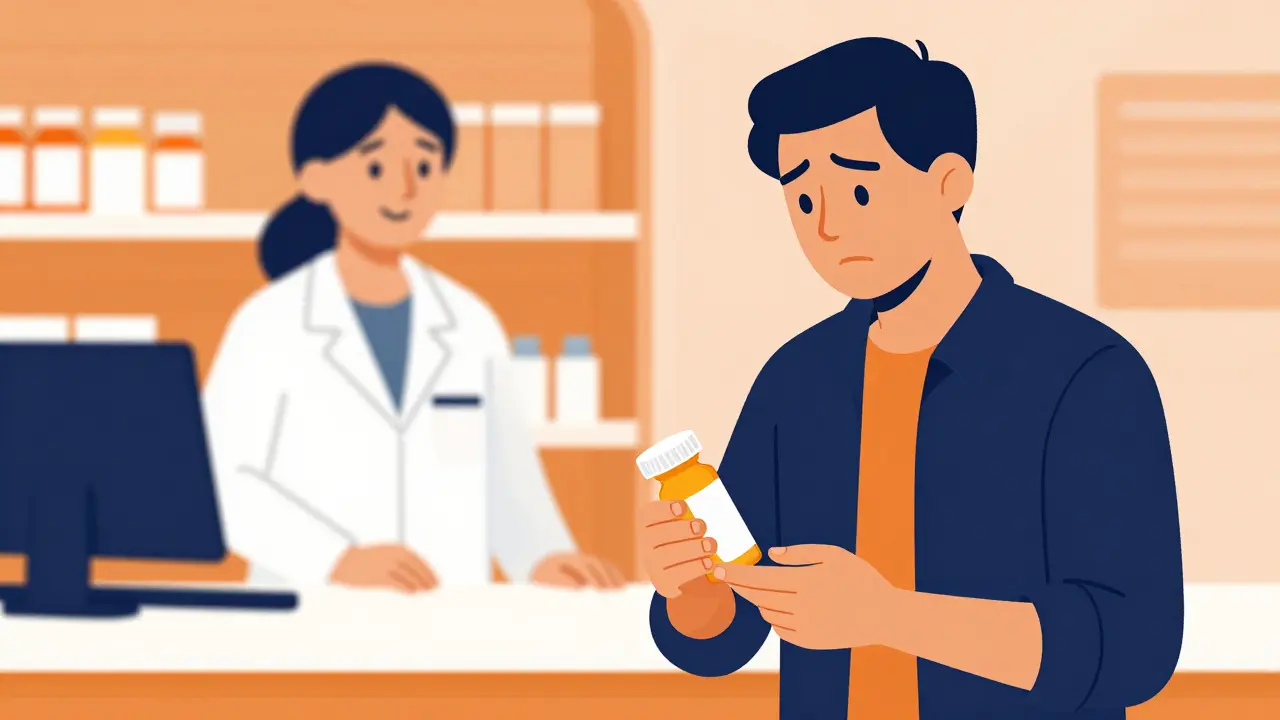
You walk into the pharmacy with a prescription for a medication you’ve trusted for years. You pay your co-pay, pick up the bag, and notice the bottle says something different than what your doctor wrote. The pharmacist smiles and explains they swapped it for a cheaper version. It’s the same drug, they say, just without the fancy label. But when you take it home, you feel different. Your blood pressure spikes, or your anxiety returns. Was it just in your head? Or did that swap actually change how your body works?
This scenario plays out thousands of times across the United States every day. For many patients, generic substitution is a seamless way to save money. For others, it is a source of confusion, frustration, and sometimes serious health risks. The core issue isn't whether generics are safe-they generally are-but rather who has the right to decide which one you get. Do you have the legal power to say no? Can you force a pharmacy to give you the specific brand-name drug your doctor prescribed? The answer depends entirely on where you live and how well you know your rights.
The Legal Framework Behind the Swap
To understand why pharmacists switch medications, we have to look at the laws that govern them. In 1984, Congress passed the Drug Price Competition and Patent Term Restoration Act, also known as the Hatch-Waxman Act. This law created the modern system for approving generic drugs. It allowed companies to produce copies of brand-name medications once their patents expired, provided they were chemically identical and produced the same clinical effect.
The goal was simple: lower healthcare costs. And it worked. Today, generic drugs account for about 92% of all prescriptions filled in the U.S., yet they make up only a fraction of total drug spending. A report from the Congressional Budget Office found that generics cost between 80% and 85% less than their brand-name counterparts. Because of this massive price difference, insurance companies and Pharmacy Benefit Managers (PBMs) heavily incentivize pharmacies to substitute generics whenever possible.
However, the rules for *when* a pharmacist can swap a drug vary wildly from state to state. According to a comprehensive 2020 study published in JAMA Internal Medicine, there are three distinct models:
- Mandatory Substitution: In 19 states, including California, New York, and Texas, pharmacists are legally required to dispense the generic version if one exists, unless the prescriber explicitly forbids it.
- Consent-Based Substitution: In seven states-Alaska, Connecticut, Hawaii, Maine, Massachusetts, New Hampshire, and Vermont-plus Washington, DC, pharmacists must get your explicit permission before swapping the drug.
- Notification-Based Substitution: In 31 states plus DC, pharmacists must inform you that a substitution has occurred, either verbally or in writing, but they don’t necessarily need your prior consent.
If you live in a mandatory substitution state, you might feel like you have no choice. But even there, you usually retain the right to refuse. The key is knowing how to exercise that right effectively.
When Substitution Is Risky: Narrow Therapeutic Index Drugs
Not all medications are created equal. Some drugs have a "narrow therapeutic index" (NTI). This means the difference between a dose that helps you and a dose that harms you is very small. If the amount of active ingredient varies slightly between batches-or even between different manufacturers-it can cause serious problems.
Common NTI drugs include:
- Levothyroxine: Used to treat hypothyroidism. Small changes in dosage can drastically affect metabolism and energy levels.
- Antiepileptic drugs: Such as phenytoin or carbamazepine, used to control seizures. Fluctuations can trigger breakthrough seizures.
- Digoxin: Used for heart conditions. Too much can be toxic; too little offers no benefit.
- Warfarin: A blood thinner where precise dosing prevents strokes or dangerous bleeding.
Because of these risks, many medical experts argue against switching patients who are stable on a specific brand or manufacturer. The World Medical Association (WMA) released a statement in 2022 emphasizing that once a chronic disease treatment has started, no substitution should occur without the attending physician's permission. They warn that different manufacturing processes or inactive ingredients (excipients) can alter how the drug behaves in the body, potentially leading to harm.
Some states recognize this danger. Kentucky’s Board of Pharmacy maintains a specific list of NTI drugs that cannot be substituted automatically. Hawaii prohibits substituting antiepileptic drugs without both the doctor’s and the patient’s consent. If you are taking an NTI drug, you have a much stronger medical argument for keeping your original prescription.
Biosimilars vs. Generics: A Growing Complication
A new layer of complexity has emerged with biologic drugs. Unlike traditional small-molecule drugs (like aspirin), biologics are large, complex molecules made from living organisms. Examples include insulin, monoclonal antibodies for cancer, and treatments for autoimmune diseases like psoriasis or rheumatoid arthritis.
You cannot simply copy a biologic. Instead, companies create "biosimilars," which are highly similar but not identical copies. The FDA regulates these strictly, but the World Medical Association stresses that biosimilars are not generic versions of biologics. They require heightened safeguards.
As of 2023, 45 states impose stricter requirements for substituting biosimilars compared to standard generics. Colorado and Nevada recently strengthened laws requiring better notification for biologic swaps. Yet, problems persist. Patients on forums like Diabetes Daily have reported erratic blood sugar levels after being switched from brand-name Lantus to the biosimilar Basaglar without warning. These experiences highlight why transparency matters more than ever.
How to Refuse Substitution: Step-by-Step
If you want to keep your brand-name medication, you need to act proactively. Waiting until you see the wrong bottle at the counter often leads to awkward confrontations or wasted trips. Here is how to protect your right to choose:
- Talk to Your Doctor First: Explain why you prefer the brand name. Is it an NTI drug? Have you had side effects with generics? Ask your doctor to write "Dispense as Written" (DAW) or "Brand Medically Necessary" on the prescription. In 48 states, this notation exempts the prescription from automatic substitution.
- Know Your State’s Law: Check if your state requires consent or notification. Resources like the National Community Pharmacists Association or your state’s Board of Pharmacy website can clarify local rules.
- Be Explicit at the Counter: When dropping off your prescription, clearly state, "I decline substitution." In 43 states, this verbal refusal is legally sufficient to stop the swap.
- Check the Receipt: Look for codes on your receipt. "DAW" stands for Dispense as Written. If you see "Substituted" or "Generic Dispensed" despite your request, speak to the pharmacy manager immediately.
- Document Everything: Keep records of your refusals and any adverse reactions. If a pharmacy ignores your DAW instruction, file a complaint with your state’s Board of Pharmacy.
Remember, pharmacists are bound by law, but they are also human. Sometimes they assume substitution is always fine because it saves everyone money. Being polite but firm helps bridge the gap.
The Cost Factor: Why Insurance Pushes Back
Even if you have the right to refuse substitution, there is often a financial penalty. Insurance plans typically charge higher co-pays for brand-name drugs. If your plan covers the generic for $10 but the brand for $60, you will likely face that $50 difference unless your insurer approves a "step therapy" exception.
This creates a difficult dilemma. You may be medically entitled to the brand, but financially unable to afford it. Fortunately, recent legislative changes have helped. The 2022 Consolidated Appropriations Act banned "gag clauses" nationwide. Previously, some insurers prohibited pharmacists from telling you if paying cash for the brand was cheaper than your insurance co-pay. Now, pharmacists must disclose the lowest available price, giving you more power to make informed decisions.
If cost is a barrier, ask your doctor about patient assistance programs offered by pharmaceutical manufacturers. Companies like Pfizer and Merck often provide coupons or grants for brand-name medications for uninsured or underinsured patients.
| Law Type | Key Requirement | Patient Action Needed | Example States |
|---|---|---|---|
| Mandatory Substitution | Pharmacist must substitute unless prescriber forbids it | Ensure doctor writes "Dispense as Written" | California, New York, Texas |
| Consent-Based | Pharmacist needs patient permission before swapping | Verbally decline or opt-in at pickup | Massachusetts, Vermont, DC |
| Notification-Based | Pharmacist must inform patient of the swap | Read receipt; ask questions if unsure | Florida, Ohio, Pennsylvania |
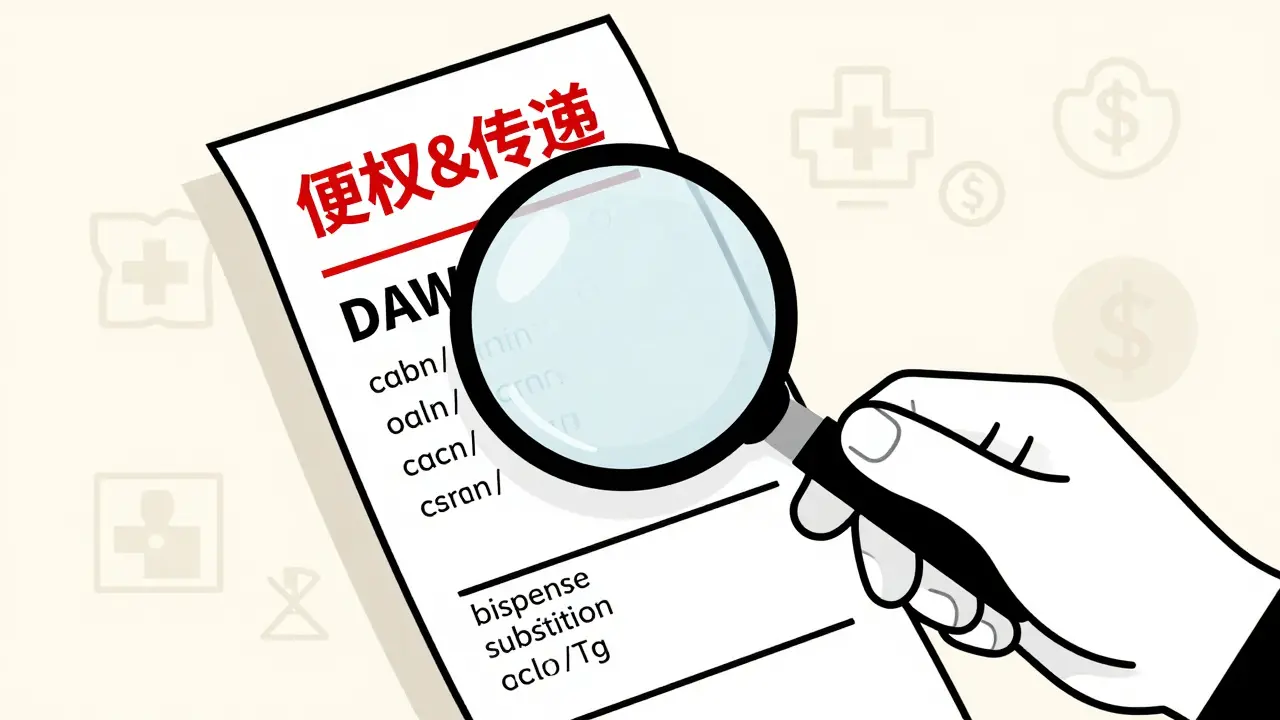
What Happens If a Pharmacy Ignores Your Request?
In rare cases, a pharmacy may ignore a "Dispense as Written" instruction or a verbal refusal. This is a violation of state law and professional ethics. If this happens, do not accept the medication. Return it to the pharmacy and request the correct drug. If the issue persists, escalate to the pharmacy manager.
You can also file a formal complaint with your state’s Board of Pharmacy. Most boards maintain public logs of disciplinary actions against pharmacists who repeatedly violate substitution laws. Additionally, the FDA accepts reports of medication errors through its MedWatch program. While filing a complaint won’t refund your co-pay, it helps enforce accountability and protects other patients.
Legal precedents exist. In 2019, a Michigan patient successfully sued a pharmacy after suffering severe side effects from an unauthorized substitution of an antiepileptic drug. The case highlighted that pharmacists can be held liable for harmful consequences resulting from improper substitutions.
Finding Balance: When Generics Make Sense
It is important to acknowledge that for most people, generic substitution is beneficial. An NIH analysis estimated that promoting generic use could save Medicare Part D billions annually. For common conditions like high blood pressure or cholesterol, studies show no significant difference in outcomes between brands and generics.
If you are healthy, taking non-NTI medications, and saving money, accepting the generic is often the smartest move. However, if you have experienced issues, trust your instincts. Your body knows best. The system is designed to prioritize cost, but your health comes first. Use the tools available-state laws, doctor notes, and clear communication-to ensure you get the medication that works for you.
Can I refuse generic substitution in my state?
Yes, in all 50 states and Washington, DC, patients have some level of right to refuse generic substitution. However, the process varies. In consent-based states, you simply say no. In mandatory substitution states, you must ensure your doctor marks the prescription "Dispense as Written" or "Brand Medically Necessary" to prevent the swap.
Why would a pharmacist substitute my drug without asking?
In many states, state laws mandate that pharmacists substitute brand-name drugs with generics to reduce costs for patients and insurers. Unless the prescriber explicitly forbids it, the pharmacist is legally required to perform the swap. This practice is driven by significant savings, as generics cost 80-85% less than brand names.
Are generic drugs exactly the same as brand-name drugs?
Generics must contain the same active ingredient and produce the same clinical effect as the brand name. However, they may differ in inactive ingredients (fillers, dyes) and manufacturing processes. For most drugs, this makes no difference. For Narrow Therapeutic Index (NTI) drugs, slight variations can impact effectiveness and safety.
What does "Dispense as Written" mean on a prescription?
"Dispense as Written" (DAW) is a code used by prescribers to instruct the pharmacist not to substitute a generic for the prescribed brand-name drug. In 48 states, this notation legally exempts the prescription from automatic substitution laws. You should ask your doctor to use this if you prefer the brand name.
Will my insurance cover the brand-name drug if I refuse the generic?
Often, no. Insurance plans typically charge higher co-pays for brand-name drugs. To get full coverage, you may need a "step therapy" exception or proof of medical necessity from your doctor. Recent laws banning "gag clauses" allow pharmacists to tell you if paying cash for the brand is cheaper than your insurance co-pay.
What are Narrow Therapeutic Index (NTI) drugs?
NTI drugs are medications where the difference between a therapeutic dose and a toxic dose is very small. Examples include levothyroxine, warfarin, and certain seizure medications. Switching between brands and generics for these drugs can lead to serious health risks, so many experts advise against substitution without strict monitoring.