




Hyperkalemia Risk Estimator
This tool helps you understand your personal risk factors for high potassium (hyperkalemia) when taking ACE inhibitors or ARBs combined with potassium-sparing diuretics. It is not a medical diagnosis.
Estimated Glomerular Filtration Rate from recent blood tests.
Select your current regimen. Adding thiazides/loops can mitigate risk.
High intake includes >2 servings/day of high-potassium fruits/veg or use of salt substitutes.
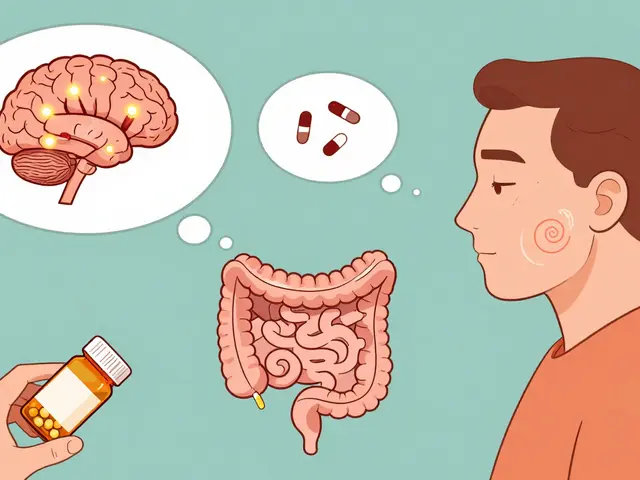
You’re taking an ACE inhibitor for your blood pressure or heart health. It’s working well. But then your doctor adds a potassium-sparing diuretic, like spironolactone, to help with fluid retention or further lower pressure. Suddenly, you’re at risk of a dangerous electrolyte imbalance called hyperkalemia. This isn’t just a minor side effect; it’s a serious condition where potassium levels in your blood get too high, potentially stopping your heart. Why does this combination cause such a specific problem? And more importantly, how do you manage it without abandoning the medications that keep you alive?
| Medication Class | Examples | Mechanism on Potassium | Risk Level when Combined |
|---|---|---|---|
| ACE Inhibitors | Lisinopril, Enalapril, Ramipril | Reduces aldosterone production (lowers K+ excretion) | High |
| Potassium-Sparing Diuretics | Spironolactone, Eplerenone, Amiloride | Blocks aldosterone action or sodium channels (retains K+) | High |
| Thiazide/Loop Diuretics | Hydrochlorothiazide, Furosemide | Increase potassium excretion | Low/Mitigating |
The Double Hit on Your Kidneys
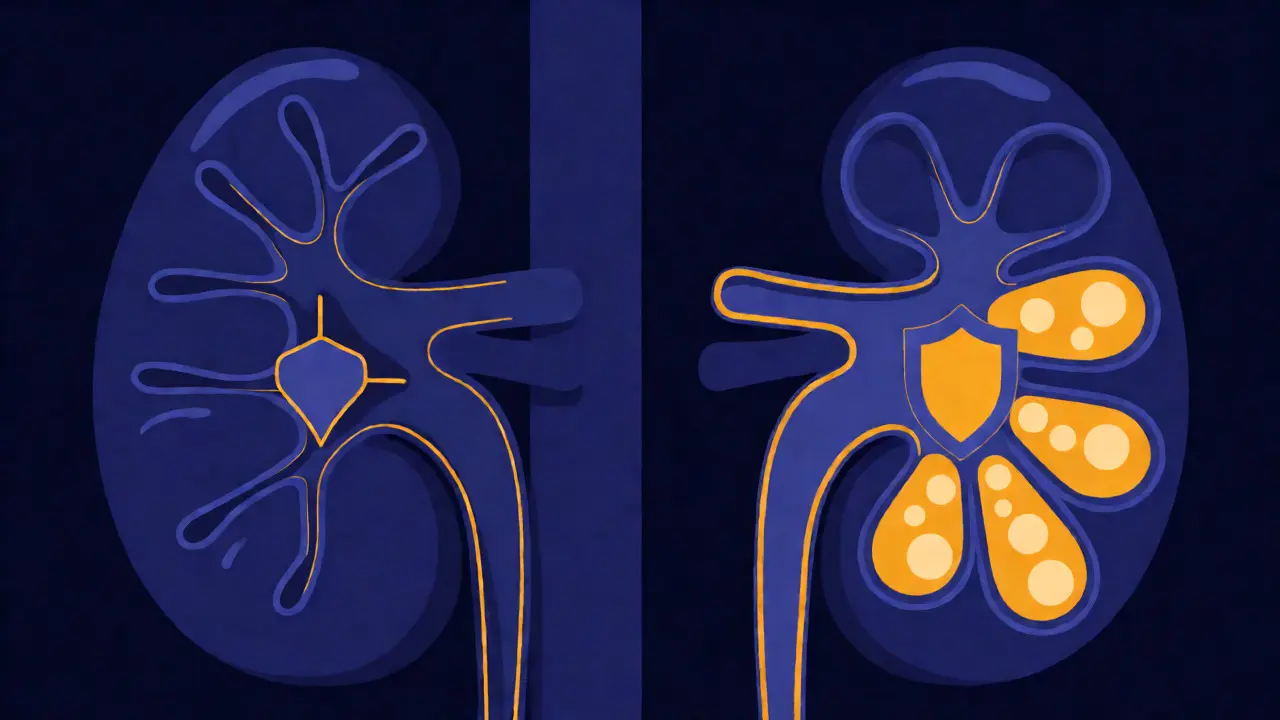
To understand the danger, you need to look at how your body handles potassium. Normally, your kidneys act as the gatekeepers. They filter out excess potassium through urine, regulated largely by a hormone called aldosterone. Aldosterone tells your kidneys to hold onto salt and water while flushing out potassium. ACE inhibitors work by blocking the enzyme that creates angiotensin II, a precursor to aldosterone. Less angiotensin II means less aldosterone. With low aldosterone, your kidneys stop flushing out potassium efficiently.
Now, add a potassium-sparing diuretic to the mix. Drugs like spironolactone don’t just reduce aldosterone production; they block its action entirely at the receptor level. Or, if you’re taking amiloride, it directly blocks the sodium channels in your kidney tubules that are responsible for moving potassium into the urine. When you combine these two mechanisms, you get a "double hit." The signal to excrete potassium is weak (due to the ACE inhibitor), and the machinery to execute that signal is broken (due to the diuretic). The result? Potassium builds up in your bloodstream.
Who Is Most At Risk?
Not everyone who takes this combo will develop hyperkalemia. Your baseline health plays a massive role. If you have healthy kidneys, you can often handle the slight shift in potassium balance. But if your kidney function is already compromised, the margin for error disappears. Research consistently shows that patients with chronic kidney disease (CKD) are the most vulnerable. For instance, studies indicate that in patients with an estimated glomerular filtration rate (eGFR) below 60 mL/min/1.73 m², the risk of hyperkalemia skyrockets when these drugs are combined.
Diabetes is another major factor. Diabetic patients often have subtle kidney damage and altered hormonal responses, making them prone to retaining potassium. Heart failure patients are also at higher risk because their bodies are already struggling with fluid and electrolyte balance. A study published in JAMA found that 11% of outpatients on ACE inhibitors developed hyperkalemia, but that number was significantly higher in those with existing renal impairment or diabetes. If you fall into these categories, your doctor should be monitoring your blood work much more frequently than someone with healthy organs.

Recognizing the Silent Danger
Hyperkalemia is often called a silent killer because mild cases rarely show symptoms. You might feel perfectly fine while your potassium level creeps up from 4.5 mmol/L to 5.5 mmol/L. Symptoms usually only appear when levels exceed 6.0 mmol/L, which is dangerously high. Signs include muscle weakness, fatigue, nausea, and irregular heartbeats (arrhythmias). In severe cases, it can lead to cardiac arrest.
This silence makes routine blood tests non-negotiable. You cannot rely on how you feel. Guidelines recommend checking potassium levels within one to two weeks of starting either medication, especially if you are combining them. After that initial check, testing every three to six months is standard for stable patients. However, if you have kidney issues, monthly checks might be necessary. Missing these appointments is one of the biggest mistakes patients make. Data suggests that nearly a third of patients with severe hyperkalemia had no follow-up testing within seven days of detection, leaving them exposed to prolonged risk.
Managing the Balance: Diet and Medication Adjustments
If your potassium starts rising, don’t panic, but do take action. The first line of defense is often dietary adjustment. Many people underestimate how much potassium is in their food. Bananas, oranges, potatoes, tomatoes, and avocados are all high-potassium foods. Processed foods often contain hidden potassium additives used as preservatives or flavor enhancers. Reducing your intake of these items can lower serum potassium by 0.3 to 0.6 mmol/L. It’s not about eliminating them entirely, but moderating portions.
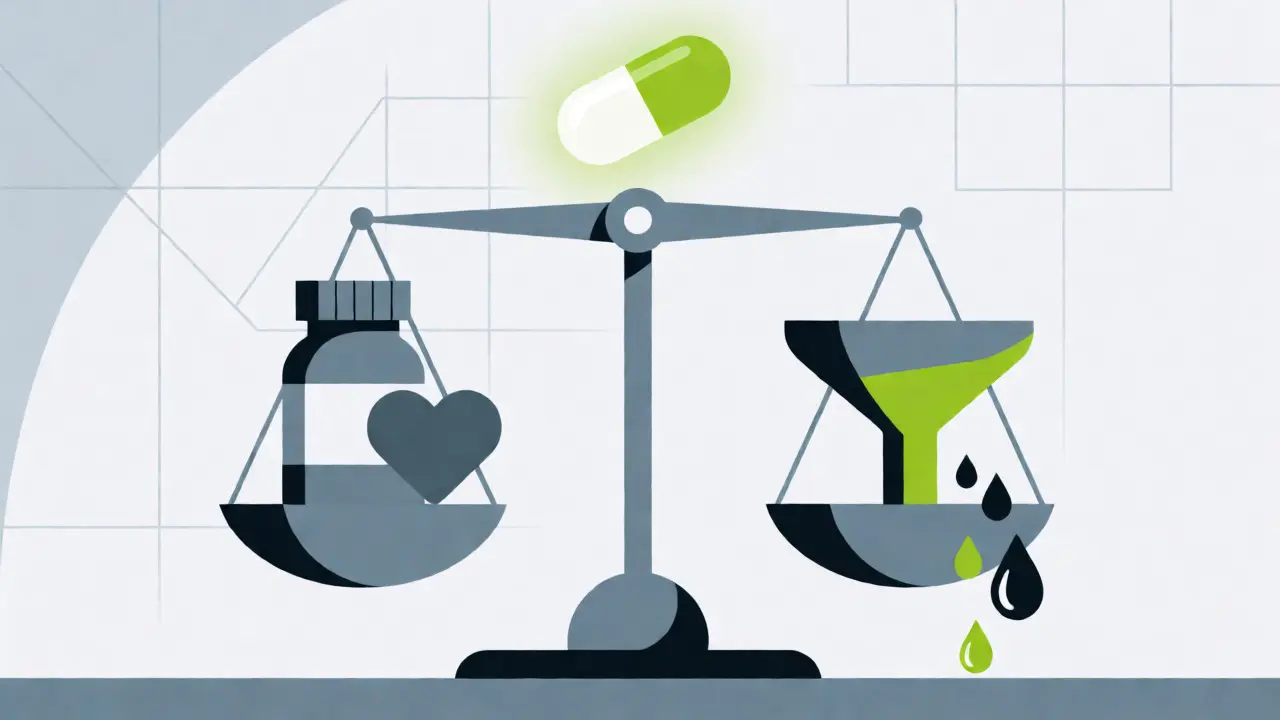
Medication adjustments are the next step. Your doctor might reduce the dose of the ACE inhibitor or the potassium-sparing diuretic. Sometimes, switching to a different class of medication helps. Angiotensin receptor blockers (ARBs) like losartan carry a slightly lower risk of hyperkalemia compared to ACE inhibitors, though the difference is modest. Another strategy is adding a thiazide or loop diuretic, like hydrochlorothiazide or furosemide. These drugs force your kidneys to excrete potassium, counteracting the effects of the other two medications. This "push-pull" dynamic allows you to stay on life-saving RAAS inhibitors while keeping potassium in check.
New Tools in the Fight Against Hyperkalemia
For years, if potassium got too high, doctors had little choice but to stop the ACE inhibitor or diuretic. This was unfortunate because these drugs reduce mortality in heart failure and kidney disease. Stopping them could worsen long-term outcomes. Fortunately, newer medications called potassium binders have changed the game. Drugs like patiromer (Veltassa) and sodium zirconium cyclosilicate (Lokelma) work in the gut to bind potassium and remove it from the body via stool.
Clinical trials show these binders can lower potassium levels by 0.8 to 1.2 mmol/L within 48 hours. More importantly, they allow patients to continue taking their ACE inhibitors and diuretics. Studies indicate that 89% of patients who were previously unable to tolerate RAAS therapy due to hyperkalemia could resume treatment when using these binders. Additionally, SGLT2 inhibitors, originally designed for diabetes, have shown promise in reducing hyperkalemia risk by improving kidney function and promoting potassium excretion. These advancements mean that a diagnosis of hyperkalemia no longer has to mean giving up effective heart and kidney protection.
Practical Steps for Patients
If you are on this combination, here is what you need to do to stay safe:
- Never skip blood tests: Adhere strictly to the monitoring schedule set by your healthcare provider. Early detection is key.
- Review your diet: Ask a dietitian for a low-potassium meal plan tailored to your needs. Be wary of salt substitutes, which are often made of potassium chloride instead of sodium chloride.
- Watch for NSAIDs: Over-the-counter painkillers like ibuprofen or naproxen can worsen kidney function and increase potassium retention. Avoid them unless approved by your doctor.
- Communicate changes: If you start any new supplement, herbal remedy, or prescription, tell your doctor immediately. Some supplements, like alfalfa or dandelion root, can affect potassium levels.
Living with this drug interaction requires vigilance, but it doesn’t require fear. By understanding the mechanism, respecting the monitoring protocols, and leveraging modern treatments, you can safely benefit from the protective effects of both ACE inhibitors and potassium-sparing diuretics.
Can I eat bananas if I take ACE inhibitors?
You don't necessarily need to banish bananas, but moderation is crucial. One banana contains about 400-450 mg of potassium. If you are on ACE inhibitors and potassium-sparing diuretics, eating multiple bananas daily could push your levels too high. It is best to limit high-potassium fruits and consult your doctor for personalized dietary advice based on your recent blood test results.
What are the signs of high potassium?
Mild hyperkalemia often has no symptoms. As levels rise, you may experience muscle weakness, numbness or tingling, nausea, vomiting, and palpitations or irregular heartbeat. Severe hyperkalemia can cause chest pain and difficulty breathing. Because early stages are asymptomatic, regular blood tests are the only reliable way to detect it.
Is it safer to use ARBs instead of ACE inhibitors?
ARBs (Angiotensin Receptor Blockers) generally have a slightly lower risk of causing hyperkalemia compared to ACE inhibitors, but the difference is not dramatic. Both classes affect the renin-angiotensin system and can raise potassium. Switching to an ARB might help some patients, but it does not eliminate the risk, especially if you are also taking potassium-sparing diuretics. Monitoring remains essential regardless of which class you use.
How often should I get my potassium checked?
Typically, potassium is checked within 1-2 weeks after starting or changing the dose of these medications. Once stable, testing every 3-6 months is common for patients with normal kidney function. Those with chronic kidney disease or diabetes may need monthly or quarterly checks. Always follow the specific schedule recommended by your prescribing physician.
Do salt substitutes cause hyperkalemia?
Yes, many salt substitutes replace sodium chloride with potassium chloride. Using these products liberally can significantly increase your potassium intake. If you are on ACE inhibitors and potassium-sparing diuretics, you should avoid salt substitutes or use them very sparingly after consulting your doctor.