
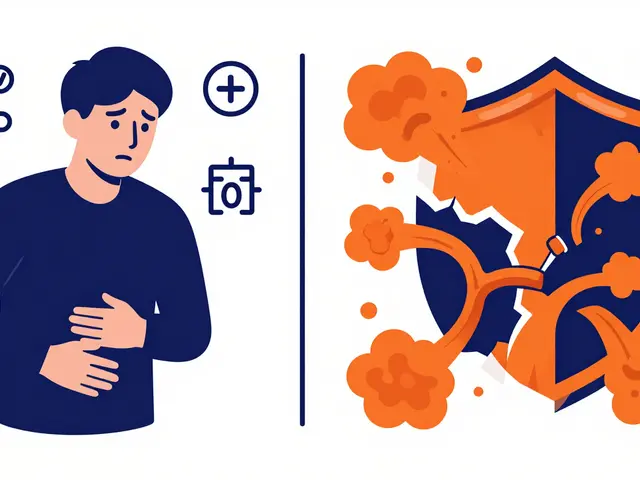

Imagine being told that standard treatments for your cancer have run their course. The path forward isn't clear, but there’s a new option on the horizon-one that hasn’t been approved yet but shows promise in early tests. This is where cancer clinical trials come in. They are not just experiments; they are structured, rigorous studies designed to test whether new therapies work better, safer, or differently than what we already know.
If you or a loved one is facing this decision, it can feel overwhelming. You might wonder: Is it safe? What exactly happens during each stage? Will I actually benefit? Understanding how these trials work-and why they matter-can help you make an informed choice without fear driving the conversation.
What Are Cancer Clinical Trials?
Clinical trials are research studies that involve people like you. In cancer care, they test new drugs, combinations of existing drugs, radiation techniques, surgery methods, or even prevention strategies. These studies don’t happen randomly-they follow strict rules set by organizations like the U.S. Food and Drug Administration (FDA) and the National Cancer Institute (NCI).
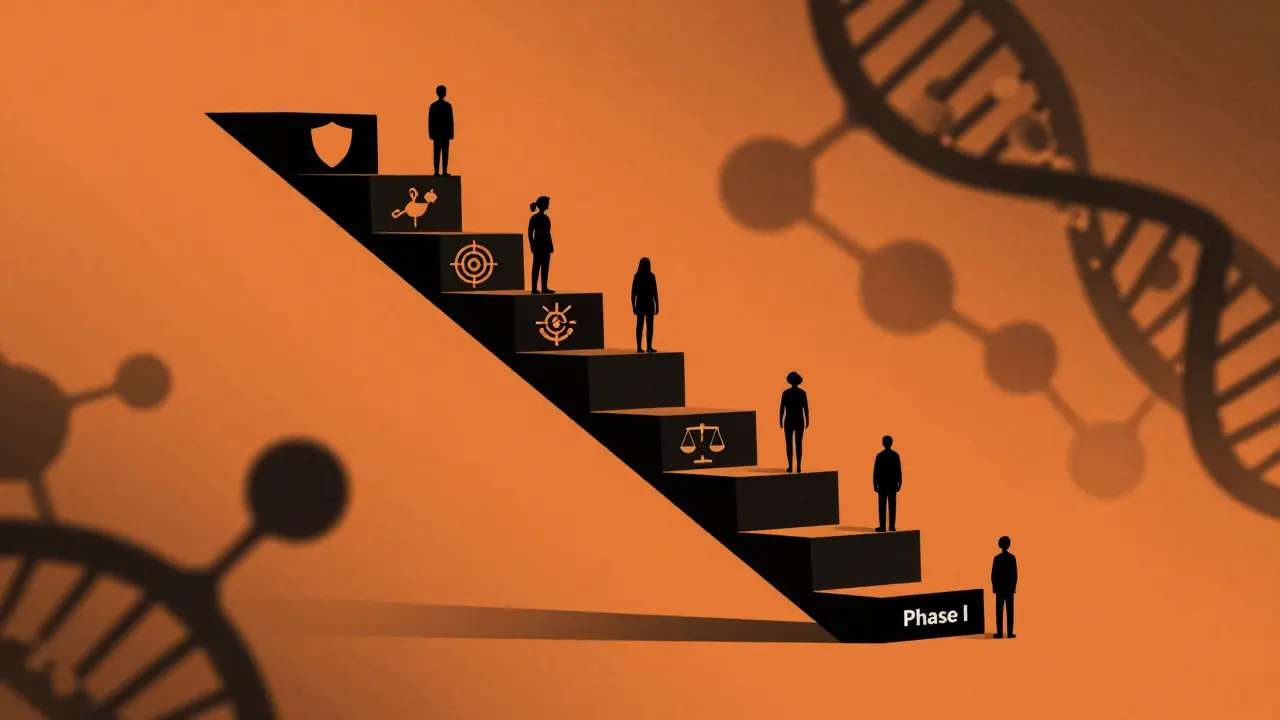
The goal? To find out if a new treatment is both safe and effective before it becomes widely available. But here’s the catch: safety comes first. That’s why trials move through phases-each one answering specific questions about the therapy.
| Phase | Number of Participants | Main Goal | Duration |
|---|---|---|---|
| Phase 0 | 10-15 | Determine if drug reaches cancer cells & how body processes it | Weeks |
| Phase I | 15-80 | Test safety, side effects, correct dosage | Several months |
| Phase II | 25-100 | Check effectiveness for specific cancers | 6-12 months |
| Phase III | 100-several thousand | Compare new treatment vs. current standard | 1-4 years |
| Phase IV | Thousands+ | Monitor long-term safety after approval | Ongoing |
Why Do We Need So Many Phases?
You might ask: Why not just give the new drug to everyone at once? Because history has taught us otherwise. Before modern clinical trial systems were put in place, some medications caused serious harm because they weren’t tested thoroughly. One infamous example is thalidomide-a drug used in the 1950s and 60s that led to severe birth defects when given to pregnant women.
That tragedy changed everything. Today, every new cancer treatment must pass through multiple stages to ensure it doesn’t do more harm than good. Each phase builds on the last, starting small and expanding only if results look promising.
In Phase I, researchers focus entirely on safety. They start with tiny doses and slowly increase them while watching closely for any negative reactions. Only those who tolerate the drug well move forward. By Phase II, scientists begin asking: Does this actually shrink tumors? Slow growth? Improve symptoms?
Then comes Phase III-the big test. Here, hundreds or thousands of patients receive either the new treatment or the best-known standard therapy. The group assignments are random, meaning no one chooses which they get. This helps eliminate bias and gives clearer answers about what works better.
Finally, once a drug gets FDA approval, Phase IV kicks in. It keeps track of how the treatment performs over time in real life-not just under controlled conditions. Sometimes rare side effects show up years later, so ongoing monitoring matters.
Who Can Join a Clinical Trial?
Not everyone qualifies. Eligibility depends on factors like type and stage of cancer, previous treatments, overall health, and sometimes genetic markers. On average, a trial lists around 28 inclusion/exclusion criteria-rules that determine who fits into the study.
This means roughly 80% of cancer patients aren’t eligible for most trials. That number sounds discouraging, but remember: eligibility changes as science evolves. Newer designs, such as basket and umbrella trials, allow broader participation based on biology rather than tumor location alone.
For instance, the NCI’s MATCH trial matches participants to treatments according to their cancer’s unique mutations-even across different organ sites. If your lung cancer shares a mutation with pancreatic cancer, you could qualify for a drug originally studied in pancreas cases.
Benefits of Participating in a Cancer Clinical Trial
Joining a trial isn’t just about helping future patients-it offers tangible advantages right now too:
- Access to cutting-edge treatments: You may try therapies not yet available outside the trial setting.
- Closer medical attention: Studies report that 78% of participants receive more frequent checkups and detailed monitoring compared to usual care.
- Contribution to progress: Knowing your involvement could lead to breakthroughs gives many people a sense of purpose during difficult times.
- Potential cost savings: Some trials cover all or part of treatment costs, including travel support.
Take Sarah*, a participant in a Phase II immunotherapy trial for stage 4 melanoma. When traditional options failed her, she joined the study-and three years later, she remains cancer-free. Her story mirrors others whose lives improved thanks to innovative approaches tested in trials.
Challenges to Consider
Of course, joining a trial isn’t always easy. Common hurdles include:
- Travel demands: Many require visits to specialized centers far from home. Nearly half of participants face logistical issues related to transportation.
- Time commitments: Frequent appointments, blood draws, scans, and questionnaires add up quickly.
- Uncertainty: Randomization means you might end up receiving the standard treatment instead of the experimental one.
- Emotional toll: Waiting for results, dealing with unknown side effects, and managing hope versus reality take emotional energy.
Still, many say the experience was worth it-not necessarily because they got cured, but because they felt empowered taking action against their disease.
How to Find a Suitable Trial
Finding the right trial starts with talking to your oncologist. Ask if there are active studies matching your diagnosis. Your doctor can also connect you with a patient navigator-someone trained to guide families through complex healthcare decisions.
Online resources help too:
- ClinicalTrials.gov: A database maintained by the U.S. National Library of Medicine listing over 3,000 active cancer trials nationwide.
- NCI Cancer Information Service: Offers free counseling and personalized referrals.
- American Cancer Society: Provides guides explaining trial basics and FAQs.
Once you identify potential matches, expect a screening process lasting about two weeks. During this time, doctors review your records, perform additional tests, and confirm whether you meet all requirements.
Is My Doctor Involved?
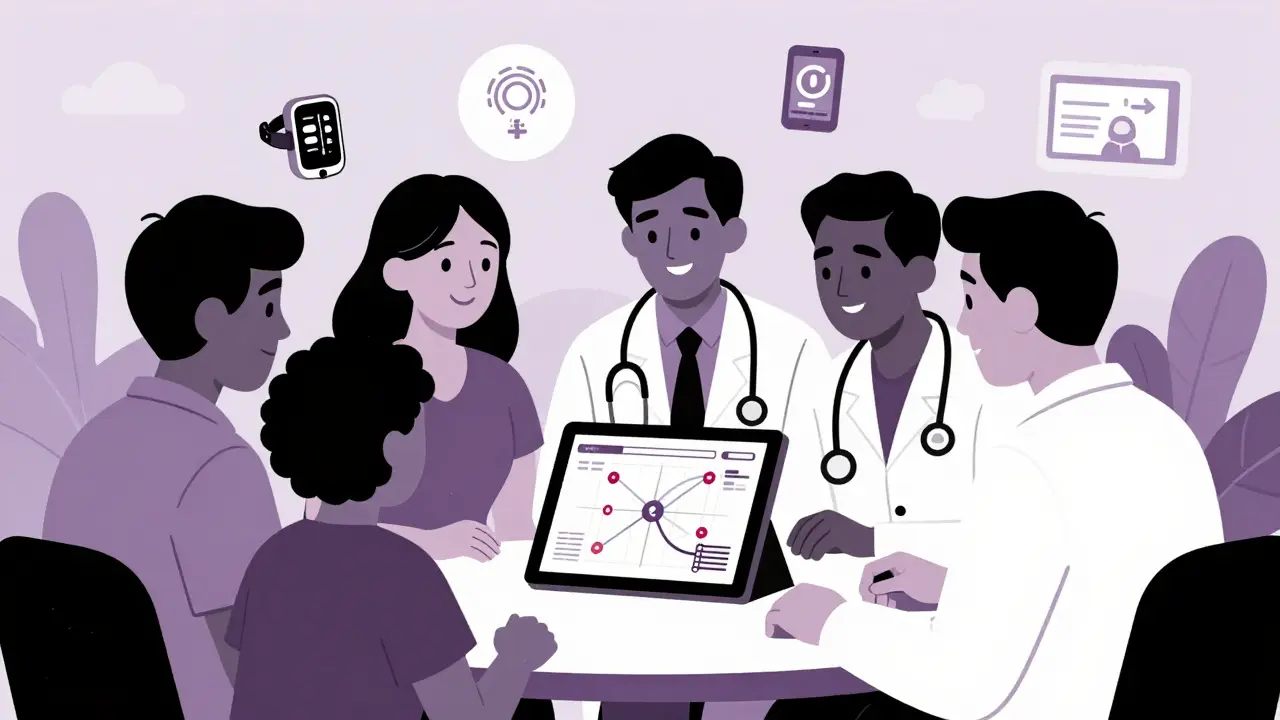
Absolutely. Your primary oncologist plays a key role throughout the journey. Even if you enroll in a trial managed elsewhere, your regular doctor stays informed and coordinates care accordingly.
In fact, collaboration between academic institutions and community hospitals ensures wider access to trials. More than 78% of NCI-designated cancer centers employ dedicated navigators to assist patients navigating these pathways.
What Happens After Approval?
When a drug passes Phase III successfully, it moves toward FDA review. Once approved, it enters Phase IV monitoring. At this point, millions may use the medication-but its long-term impact continues to be tracked.
Post-marketing surveillance catches problems missed earlier. For example, certain chemotherapy agents linked to heart damage decades ago wouldn’t have raised red flags until widespread usage revealed patterns.
Today, initiatives like the FDA’s Project Confirm mandate follow-up studies for drugs granted accelerated approval. As of 2023, 27 oncology drugs fall under this enhanced scrutiny.
Looking Ahead: Innovations Shaping Future Trials
The landscape of cancer research keeps evolving. Digital tools now play a bigger role-wearable devices monitor vitals remotely, reducing hospital visits. Artificial intelligence predicts which patients respond best to particular therapies, streamlining recruitment.
Decentralized models aim to bring trials closer to home. Instead of traveling hours for infrequent visits, participants attend local clinics equipped with telehealth capabilities. By 2025, nearly half of major cancer centers plan to adopt hybrid formats combining virtual and in-person elements.
Diversity efforts gain momentum too. Historically, minority groups participated less often despite higher cancer rates among some populations. Programs targeting outreach and education seek to close that gap, ensuring findings apply broadly.
Are cancer clinical trials risky?
Yes, especially in early phases. Phase I carries the highest risk since it's often the first human testing of a new compound. However, safeguards exist-starting with low doses and increasing gradually-to minimize danger. Always discuss risks thoroughly with your healthcare team before deciding.
Can I leave a clinical trial anytime?
Absolutely. Participation is voluntary, and you retain full control. Leaving won't affect your regular medical care, though your doctor should know so they can adjust plans appropriately.
Do I have to pay for anything?
It varies. Some trials cover all expenses-including meds, scans, and travel. Others charge partial fees depending on insurance coverage. Clarify financial details upfront to avoid surprises.
Will my data stay private?
Yes. All personal information collected during trials follows strict privacy laws. Researchers anonymize data whenever possible, protecting identities while sharing insights globally.
How long does enrollment take?
Typically 14 days from initial contact to confirmation. Screening involves reviewing records, running tests, and verifying eligibility against trial criteria. Delays occur if extra documentation needed.