

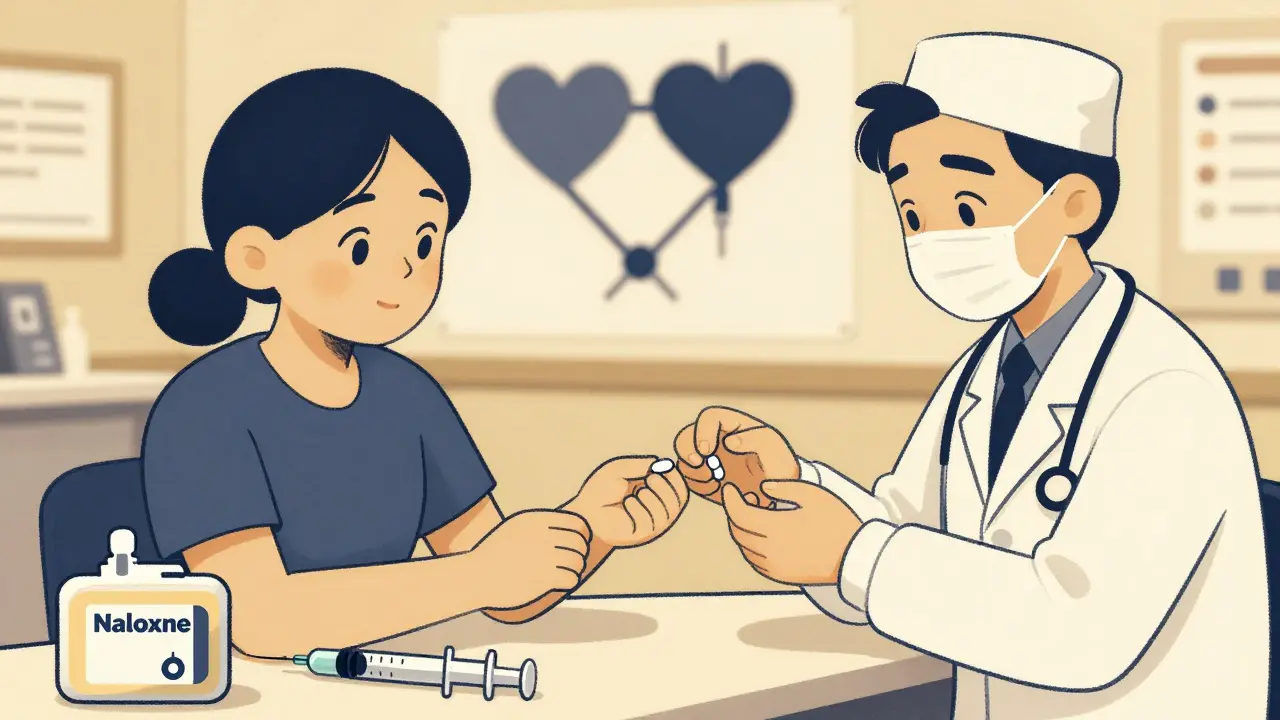
People who beat hepatitis C with modern drugs can still get it again. It’s not rare. It’s not a failure. And it shouldn’t be a reason to deny care.
Since direct-acting antivirals (DAAs) arrived in 2014, curing hepatitis C has gone from a long, painful ordeal with injections and side effects to a simple 8- to 12-week pill regimen. Over 95% of people who take these drugs clear the virus. That’s a miracle. But for people who keep injecting drugs, sharing needles, or using contaminated equipment, the virus doesn’t stay gone. Reinfection happens - and it’s rising in places where harm reduction services are weak.
Reinfection Isn’t a Setback - It’s a Signal
When someone gets cured of HCV and then tests positive again, it’s called reinfection. It’s not relapse. Relapse means the virus never fully left. Reinfection means they got exposed again. And for people who inject drugs, that exposure is real. Studies show that within the first six months after cure, the risk of getting HCV again is highest. After that, it drops - but it never disappears if the risks stay the same.
Younger people under 30, those still using methamphetamine, and people who inject drugs regularly are at the highest risk. One study found people who inject drugs had more than three times the risk of reinfection compared to others. That’s not because they’re careless. It’s because they live in systems that don’t offer clean needles, safe spaces, or easy access to care.
The good news? Treating reinfection works just as well as the first time. A 2024 study in JAMA Network Open confirmed that DAA retreatment has the same cure rate - over 95% - whether it’s the first time or the fifth. There’s no reason to wait. No reason to judge. The CDC and WHO both say: treat everyone, every time.
What’s the Best Way to Retreat?
If you’re getting treated for the second (or third) time, the approach depends on why the virus came back.
- Reinfection: Usually treated with 8 weeks of glecaprevir/pibrentasvir (Mavyret). No extra drugs needed. No resistance testing required.
- Relapse: If the virus came back after a previous DAA course, doctors test for resistance mutations. Treatment is typically 12 weeks of sofosbuvir/velpatasvir/voxilaprevir (Vosevi), or 16 weeks of Mavyret with ribavirin.
In 2025, the FDA approved Mavyret specifically for acute HCV - meaning early infection, often within weeks of exposure. This is the first DAA with that label. In clinical trials, it cured 96% of people with new HCV infections in just 8 weeks. That’s huge. It means doctors can now treat people as soon as they test positive, even if they’re still using drugs.
There’s also emerging research on shorter treatments. The PURGE-C trial tested a 4-week course of Mavyret for people with early HCV. It cured 84% - not as high as 8 weeks, but still strong. And here’s the kicker: if it didn’t work the first time, people could still be successfully treated later with standard 8- or 12-week regimens. That means even if a short course fails, it doesn’t ruin future options.
Harm Reduction Isn’t Optional - It’s the Foundation
You can’t cure HCV without addressing why people get it in the first place.
Needle and syringe programs (NSPs) that give out at least 200 clean needles per person per year reduce HCV transmission by over 50%. Methadone or buprenorphine programs cut new infections by half. These aren’t nice-to-haves. They’re proven tools. And yet, only 38% of countries offer NSPs at the level the World Health Organization recommends.
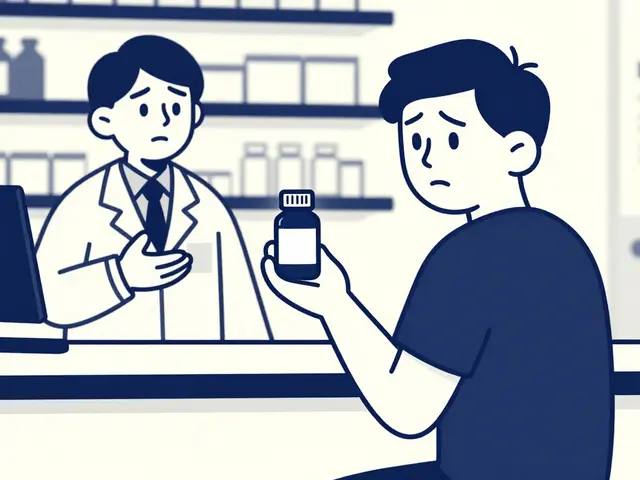
Stigma is the biggest barrier. A 2024 survey of over 1,200 people who inject drugs across the U.S. found that 68% had been turned away from HCV treatment because they were still using drugs. Clinicians told them to come back when they were “clean.” But that’s not how medicine works. You don’t wait to treat someone with diabetes until they stop eating sugar. You treat them where they are.
The most successful models combine HCV care with addiction support. In Boston, clinics that offered HCV treatment alongside opioid agonist therapy saw 82% of patients stick with their treatment plan. When care is in the same building, with the same team, people don’t fall through the cracks.
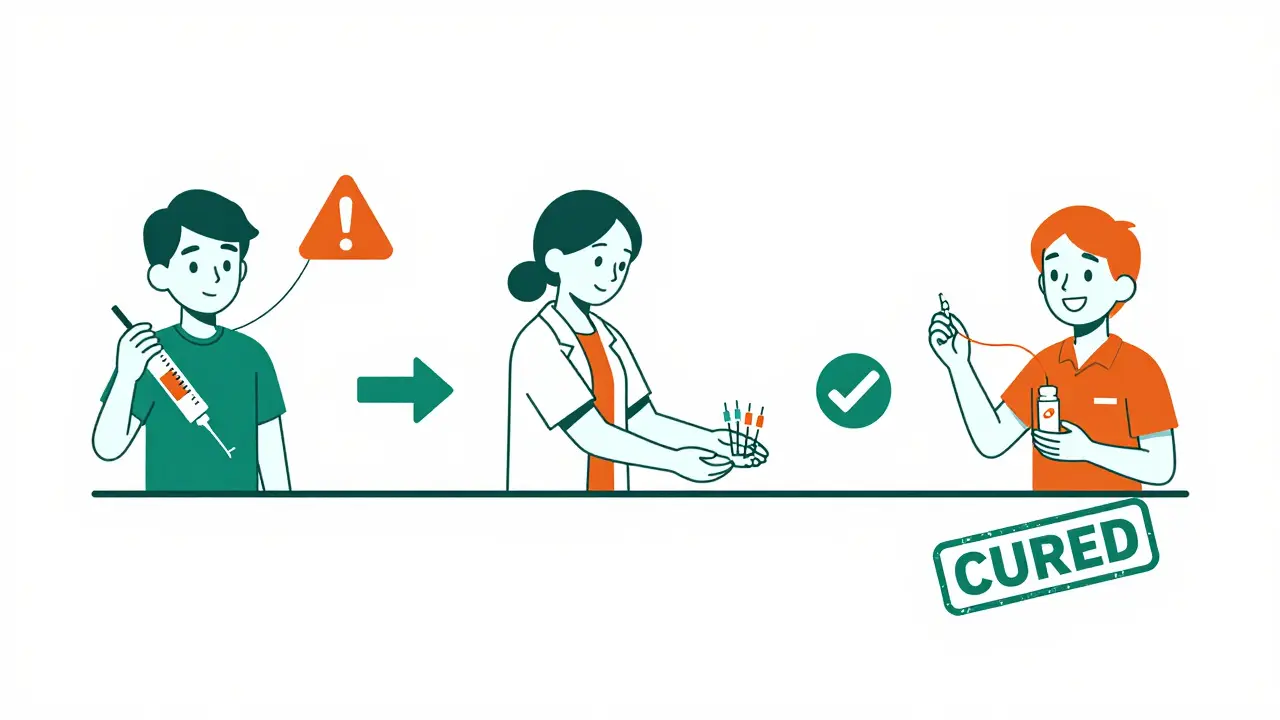
What Happens After You’re Cured?
Curing HCV doesn’t mean your liver is instantly healthy. Years of infection can leave scars - fibrosis, even cirrhosis. And while the virus is gone, your immune system doesn’t fully bounce back. Research shows that T-cells, which fight viruses, stay partly exhausted after cure, especially if you had advanced liver damage.
That’s why follow-up matters. After treatment, you need HCV RNA tests every 3 months for the first 6 months. That’s when reinfection is most likely. After that, testing every 6 to 12 months is enough if you’re still at risk.
There’s another hidden risk: hepatitis B. If you’ve ever had HBV, even if it’s inactive, starting HCV treatment can wake it up. That’s why every person starting DAAs must be tested for hepatitis B first. The CDC reports 12 cases of HBV reactivation in the U.S. between 2019 and 2024 - all preventable with simple screening.
Where We Are in 2025
There are 58 million people living with HCV worldwide. Each year, 1.5 million more get infected. But we have the tools to end this. By 2023, over 20 million people had been cured with DAAs. That’s progress.
In the U.S., 32 states now allow same-day HCV treatment for people who inject drugs. No waiting. No judgment. Just pills. That’s a major shift from 10 years ago, when clinics required 3 months of sobriety before treatment.
The goal isn’t just to cure individuals. It’s to stop transmission. When more people are cured, fewer people get infected. That’s called treatment as prevention. Mathematical models show that if we treat 15% more people every year and cover 60% of people who inject drugs with clean needles, we can cut global HCV cases by 80% by 2030.
But that won’t happen without funding. Without political will. Without ending the stigma.
What You Need to Know
If you’ve been cured of HCV and you’re still injecting drugs:
- You can get treated again. No questions asked.
- Don’t wait for your liver to get worse. Treat now.
- Ask for clean needles and opioid therapy. These aren’t just support - they’re medicine.
- Get tested every 3 months for the first 6 months after cure.
- Find a clinic that treats addiction and HCV together. It makes all the difference.
If you’re a clinician:
- Treat every person with HCV, no matter their drug use.
- Offer same-day treatment. Don’t make people jump through hoops.
- Test for HBV before starting DAAs.
- Connect patients to harm reduction services. It’s part of the prescription.
If you’re a policymaker:
- Fund needle programs. They save lives and money.
- Make HCV treatment part of addiction treatment centers.
- Remove barriers to Mavyret and other DAAs for people who use drugs.
Frequently Asked Questions
Can you get hepatitis C again after being cured?
Yes. Being cured doesn’t give you immunity. People who inject drugs, share equipment, or have unprotected sex with multiple partners can get reinfected. The risk is highest in the first 6 months after cure, but it can happen anytime exposure continues.
Is retreatment for HCV as effective as the first treatment?
Yes. Studies show retreatment with DAAs has the same cure rate - over 95% - whether it’s the first, second, or fifth time. There’s no evidence that prior treatment makes future cures less likely. The virus doesn’t become harder to kill.
Do I need to stop using drugs to get HCV treatment?
No. The CDC, WHO, and major medical societies all say treatment should be offered to everyone, regardless of drug use. Denying care based on ongoing substance use is outdated and harmful. Treatment works best when it’s combined with harm reduction - not when it’s conditional on abstinence.
How often should I get tested after being cured?
Test for HCV RNA every 3 months for the first 6 months after cure - that’s when reinfection risk is highest. After that, testing every 6 to 12 months is recommended if you’re still at risk. If you stop risky behaviors, you can space tests further apart.
What’s the difference between reinfection and relapse?
Reinfection means you got cured, then got exposed again and picked up a new virus. Relapse means the original virus never fully left your body and came back after treatment ended. Relapse is rarer with modern DAAs. If you relapse, doctors test for drug-resistant strains. For reinfection, standard treatment works without resistance testing.
Can I get HCV treatment if I have hepatitis B too?
Yes - but you must be tested for hepatitis B before starting HCV treatment. If you have inactive HBV, starting DAAs can reactivate it, which can cause liver failure. If HBV is detected, your doctor will start you on antivirals for HBV at the same time as your HCV treatment.
Are short-course HCV treatments (like 4 weeks) reliable?
For early HCV infection, a 4-week course of glecaprevir/pibrentasvir cured 84% of people in the PURGE-C trial. That’s lower than the 95%+ seen with 8-week courses, but it’s still effective - and it’s better than no treatment at all. If it fails, you can still be successfully treated later with a standard 8- or 12-week regimen. Short courses are especially useful for people who struggle to stay in care.
Next Steps
If you’ve been cured of HCV and still use drugs: reach out to a local harm reduction center. Ask for clean needles, naloxone, and opioid therapy. Ask if they offer HCV testing and treatment on the same day.
If you’re a healthcare provider: stop requiring sobriety as a condition for treatment. Start offering same-day DAAs. Link patients to NSPs and OAT programs. Your prescription isn’t just pills - it’s access.
If you’re part of a policy group: fund needle programs. Pay for integrated care. Remove barriers. The tools to end HCV exist. What’s missing is the will to use them.
16 Comments

Jasmine Yule
December 30, 2025 AT 08:32
Wow. This is the most human thing I’ve read about HCV in years. No judgment, just facts and compassion. If we treated addiction like we treat diabetes, we’d be saving so many lives. I’m crying. Seriously.
Thank you for writing this.

Teresa Rodriguez leon
December 31, 2025 AT 02:47
This is all well and good but let’s be real - most of these people will just go back to shooting up. Why waste resources on people who won’t change?

Manan Pandya
December 31, 2025 AT 06:29
While the data presented is compelling, it’s important to distinguish between reinfection and relapse, as the clinical pathways differ significantly. Reinfection implies a new viral strain, which is common in high-risk populations, whereas relapse indicates residual viral persistence - a rarer phenomenon with modern DAAs.
Furthermore, the 84% efficacy of the 4-week Mavyret regimen in PURGE-C is statistically significant but clinically suboptimal compared to standard 8-week protocols. Caution is warranted before adopting short-course regimens in populations with poor adherence.

Aliza Efraimov
January 2, 2026 AT 06:02
Let me tell you something - I’ve seen this play out in my clinic. A 22-year-old girl came in with a fresh HCV diagnosis. She was shooting up every day. Her liver enzymes were through the roof. We gave her Mavyret the same day. No sobriety requirements. No lectures.
She cried. Not because she was scared - because someone finally treated her like a person.
Three months later, she’s clean. Not because she ‘got sober’ - because she got care. And now she’s helping others get tested. This isn’t just medicine. It’s dignity.

Nisha Marwaha
January 2, 2026 AT 10:06
From a public health epidemiological standpoint, the integration of harm reduction infrastructure with direct-acting antiviral (DAA) delivery represents a paradigmatic shift in vertical disease control. The synergistic effect of needle and syringe programs (NSPs) coupled with opioid agonist therapy (OAT) significantly reduces the basic reproductive number (R₀) of HCV in high-risk cohorts.
Moreover, the WHO’s 2024 guidelines explicitly endorse ‘treatment as prevention’ (TasP) models, wherein sustained virologic response (SVR) in 15% of the infected population annually, combined with 60% NSP coverage, yields an 80% reduction in incidence by 2030 - a target that is both mathematically feasible and ethically imperative.

Paige Shipe
January 3, 2026 AT 15:58
People who use drugs are just lazy. They don’t care about their health. Why should taxpayers pay for their bad choices? This is just enabling. You don’t give a drunk driver a new car after they crash - you take away their license.
And why is everyone so nice to them? They’re not victims. They’re choices. And now we’re giving them free medicine? Unbelievable.

Tamar Dunlop
January 4, 2026 AT 14:16
It is with profound respect for the dignity of the individual that I offer my reflections upon this deeply moving and scientifically rigorous exposition. The ethical imperative to extend care without condition is not merely a medical principle - it is a cornerstone of human rights, as enshrined in the Universal Declaration of Human Rights, Article 25.
Canada, for its part, has implemented integrated care models in Vancouver’s Downtown Eastside with remarkable success. The data speaks volumes: treatment uptake increased by 300% when harm reduction services were co-located with clinical care. This is not charity. It is justice.

David Chase
January 6, 2026 AT 04:00
OH MY GOD. I CAN’T BELIEVE THIS IS STILL A THING!!
WE’RE GIVING FREE MEDICINE TO DRUG ADDICTS??
WHAT ABOUT THE PEOPLE WHO WORK 80 HOURS A WEEK AND CAN’T EVEN AFFORD INSURANCE?!
THIS IS WHY AMERICA IS FALLING APART!!
THEY’RE NOT ‘VICTIMS’ - THEY’RE DECISIONS. AND NOW WE’RE PAYING FOR THEIR BAD CHOICES WITH TAX DOLLARS?!
WE NEED TO STOP THIS NOW. STOP THE ENABLEMENT. STOP THE WASTING. STOP THE MADNESS.
WHY IS NO ONE TALKING ABOUT THIS?!?!?!?!

Emma Duquemin
January 7, 2026 AT 05:19
Okay, but let’s talk about the real MVP here: Mavyret.
This little pill? It’s a superhero. It doesn’t care if you’re high, homeless, or just got out of jail. It doesn’t judge. It just works. 96% cure rate in eight weeks for acute HCV? That’s like a magic bullet - and it’s real.
I’ve seen people get treated, walk out with a clean needle kit, and start showing up to support groups. That’s not just medicine - that’s hope. And hope? Hope is contagious.
Stop waiting for them to be ‘ready.’ They’re ready when you show up with the pills and the respect. That’s it.

Kevin Lopez
January 8, 2026 AT 06:53
Reinfection rates are high because people don’t change behavior. Treatment is effective, but it’s not a solution. It’s a Band-Aid.
Without behavioral intervention, you’re just cycling people through the system. You’re not curing the problem - you’re treating the symptom.

Duncan Careless
January 10, 2026 AT 03:14
Interesting piece. I’ve worked in a clinic in Glasgow where we offered same-day DAAs alongside supervised injection. The attrition rate dropped dramatically. People stayed engaged because they weren’t being told to ‘get clean first.’
It’s not about tolerance. It’s about trust. And trust takes time - but it’s worth it.

Samar Khan
January 12, 2026 AT 00:53
Ugh. Another ‘poor addict’ sob story. They’re not victims. They’re addicts. They choose to shoot up. They choose to share needles. They choose to be irresponsible.
And now we’re giving them free medicine? Like, why not give them a free apartment too? A free car? A free vacation?
It’s just enabling. And it’s disgusting.

Russell Thomas
January 13, 2026 AT 15:11
So let me get this straight - you’re telling me we should treat someone who’s actively shooting up with the same meds as someone who’s been clean for a year?
And you’re surprised they keep getting reinfected?
It’s like giving a smoker chemo for lung cancer and then being mad when they keep smoking.
It’s not medicine. It’s absurdity wrapped in virtue signaling.

Fabian Riewe
January 14, 2026 AT 21:19
Just wanted to say - I’m a nurse in rural Ohio. We started same-day HCV treatment last year. We don’t ask about drug use. We don’t make them wait. We hand them the pills, a clean syringe, and a hug.
One guy came back six months later. He didn’t say anything. Just handed me a drawing he made - a heart with wings. Said it was for the nurse who didn’t look at him like trash.
That’s why we do this.

Amy Cannon
January 16, 2026 AT 18:08
While I appreciate the well-intentioned tone of this exposition, I must respectfully assert that the conflation of harm reduction with therapeutic efficacy may inadvertently undermine the foundational principles of medical ethics, particularly in regard to autonomy and non-maleficence. The provision of pharmaceutical interventions without concurrent behavioral modification may, in certain contexts, constitute a form of therapeutic paternalism - wherein the clinician, despite benevolent intent, inadvertently reinforces maladaptive patterns by decoupling treatment from accountability.
Furthermore, the assertion that ‘treatment works regardless of drug use’ - while empirically true regarding virologic clearance - neglects the broader sociomedical context wherein persistent substance use may compromise adherence, follow-up, and long-term hepatic recovery. A holistic approach, therefore, must integrate pharmacological intervention with psychosocial support - not as an afterthought, but as an essential, non-negotiable component of care.
Jasmine Yule
January 16, 2026 AT 23:27
David Chase - you’re not helping. You’re just screaming into the void. And you’re making people who need care feel worse.
I’ve been there. I’ve been turned away. I’ve been called a junkie. I’ve been told to come back when I’m ‘clean.’
But I didn’t get clean because I was punished. I got clean because someone gave me a pill - and didn’t look at me like I was trash.
So if you’re so mad about it - go start a needle program. Or fund a clinic. Or shut up and listen.
Because people are dying. And your anger isn’t saving them.
Write a comment