
Why Expiration Dates on Medication Matter
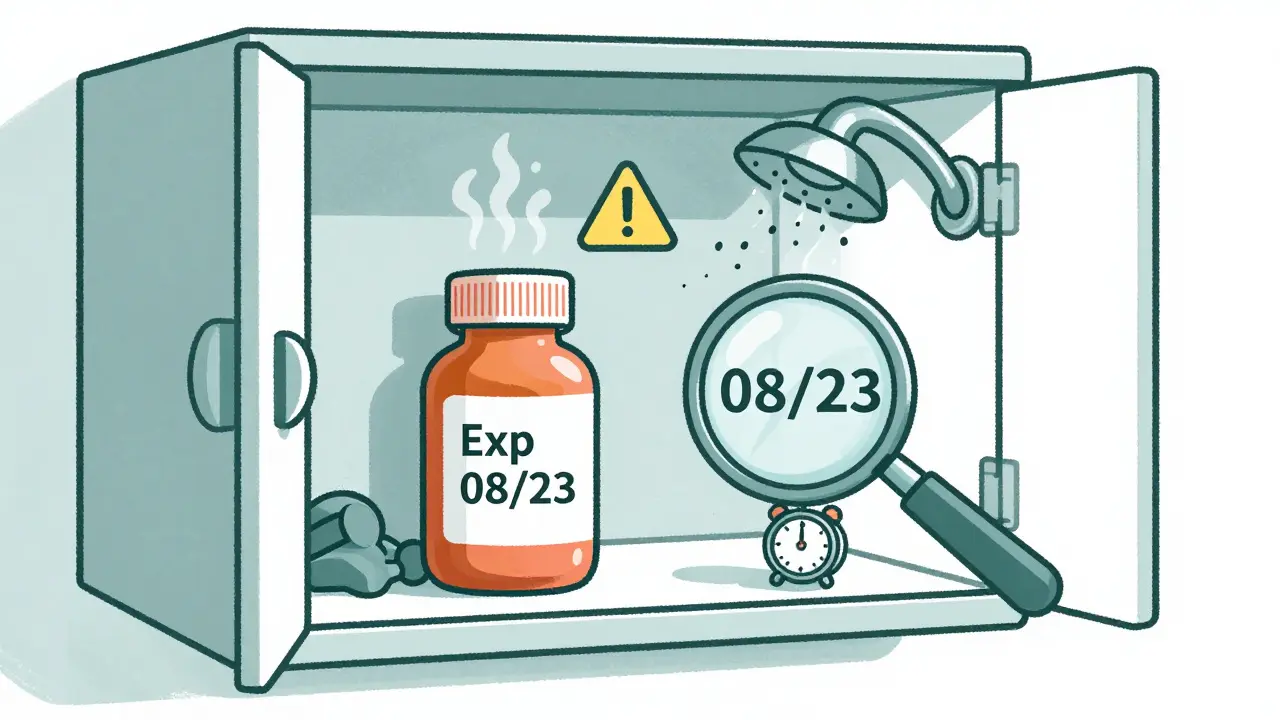
That bottle of ibuprofen sitting in your bathroom cabinet might still look fine. The pills haven’t changed color. The label hasn’t faded. But if the expiration date passed last year, you’re taking a risk - not because it’s suddenly poisonous, but because it might not work at all. Expiration dates aren’t arbitrary. They’re the last day the manufacturer guarantees the medicine will work as intended, based on strict testing under proper storage conditions. The U.S. Food and Drug Administration (FDA) requires these dates on every prescription and over-the-counter drug since 1979. That’s not just bureaucracy - it’s science.
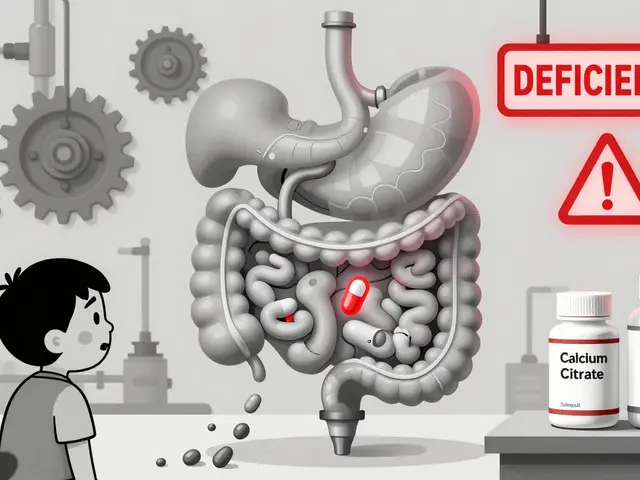
Most medications stay safe past their expiration date. In fact, the FDA’s Shelf Life Extension Program found that 90% of tested drugs remained effective years after their printed date - if stored perfectly. But here’s the catch: your medicine isn’t stored in a military warehouse. It’s in a humid bathroom, near a hot shower, or in a car glovebox during summer. That changes everything.
How to Find the Expiration Date on Your Medicine
Look closely. The expiration date isn’t always where you expect it. On prescription bottles, you’ll often see two dates: the manufacturer’s original expiration and the pharmacy’s "discard after" date. The pharmacy date is usually one year from when you picked it up, even if the original bottle says it’s good for three more years. Always trust the earlier date.
On the original box or blister pack, check for labels like:
- Expiry
- Expires
- Exp
- Use by
- Use before
If you see just a month and year - like 08/23 - it means the medicine expires on the last day of August 2023. If you see a full date like 15/09/2024, that’s the exact day it’s no longer guaranteed to work. In Australia, the EU, and most countries, it’s day/month/year. In the U.S., it’s often month/year or month/day/year. When in doubt, check the packaging format or ask your pharmacist.
What Happens When Medicine Expires?
Expired medicine doesn’t turn toxic overnight. But it does lose strength. A 2022 study in the Journal of the American Pharmacists Association found that 68% of older adults thought expired meds became dangerous immediately - but the real danger is they stop working. If your antibiotics don’t kill the bacteria, you risk developing resistant infections. If your heart medication doesn’t control your blood pressure, you could have a stroke. If your insulin doesn’t lower your glucose, you could end up in the hospital.
Some medicines degrade faster than others:
- Eye drops: Once opened, they can grow bacteria. Even if the date is months away, throw them out after 28 days unless the label says otherwise.
- Insulin: Loses potency quickly if exposed to heat. Never use expired insulin - it can cause dangerous blood sugar spikes.
- Birth control pills: Even slight loss of hormone potency can lead to unintended pregnancy.
- Thyroid meds: Small changes in dose can throw your metabolism out of balance.
- Antibiotics: Sub-potent doses breed superbugs.
There’s one exception: tetracycline. Older versions could become toxic when expired. Modern versions don’t have this issue, so you don’t need to worry unless you’re digging out a 30-year-old bottle from your attic.
Storage Rules That Affect Expiration
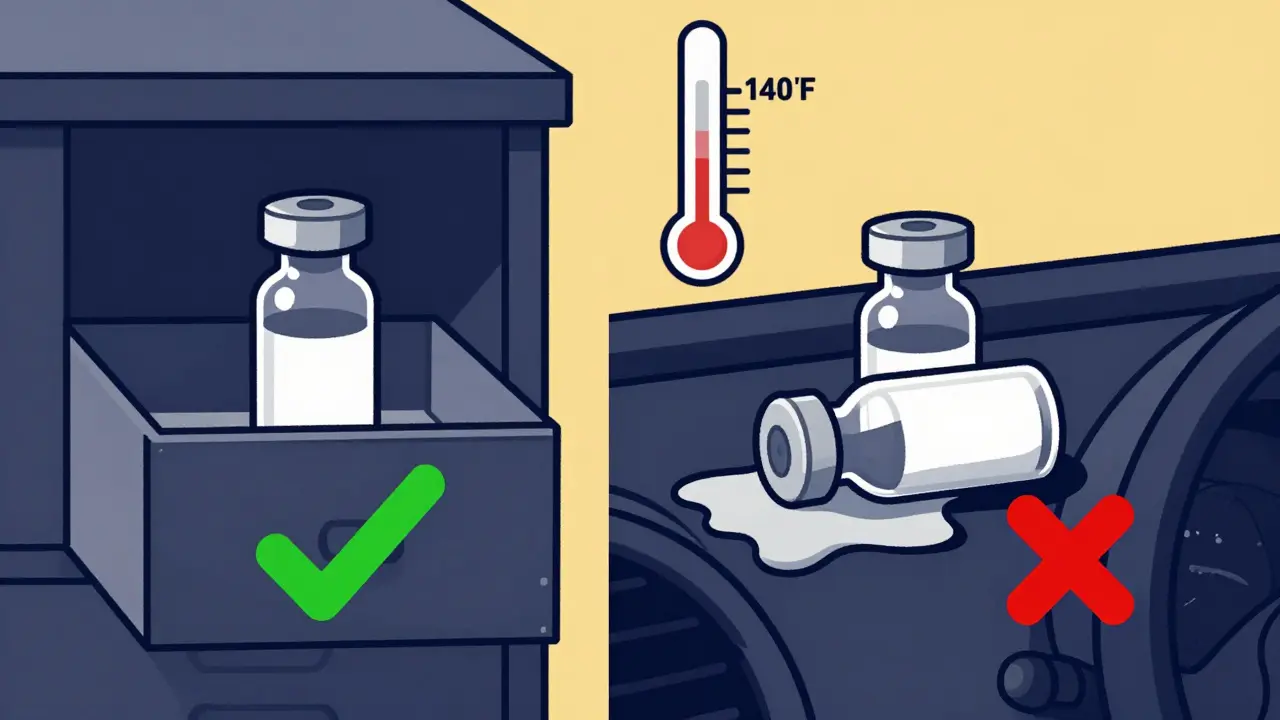
Your medicine’s expiration date assumes it was stored correctly. If you didn’t store it right, it expired the moment you opened the bottle.
Check the label for storage instructions:
- Room temperature: Usually 68-77°F (20-25°C). Keep away from sinks, showers, and windows.
- Refrigerate: Some medicines, like insulin, certain antibiotics, and eye drops, need to be kept cold. Don’t freeze them.
- Protect from light: Keep pills in their original amber bottles. Don’t transfer them to pill organizers if they’re light-sensitive.
- Keep dry: Moisture kills. Never store pills in the bathroom or kitchen near the dishwasher.
Heat is the biggest enemy. A car dashboard in summer can hit 140°F. That’s enough to melt capsules and break down active ingredients. If you’ve left your medicine in a hot car, even for an hour, it’s not safe to use.
What to Do When You’re Not Sure
When you find an old pill bottle and can’t tell if it’s still good, don’t guess. Ask your pharmacist. They can look up the manufacturer’s expiration date, check if the medication is one of the high-risk types, and advise you on whether it’s safe to use.
Also, look for signs of degradation:
- Pills that are cracked, discolored, or smell funny
- Liquids that are cloudy, thick, or have particles
- Topical creams that separate or change texture
- Suppositories that are soft or sticky
If you see any of these, throw it out. Even if the date hasn’t passed, something’s wrong.
How to Track Expiration Dates
Most people don’t check their medicine until they need it. That’s how expired pills end up in your medicine cabinet for years. Set up a simple system:
- When you pick up a prescription, write the manufacturer’s expiration date on the bottle with a marker.
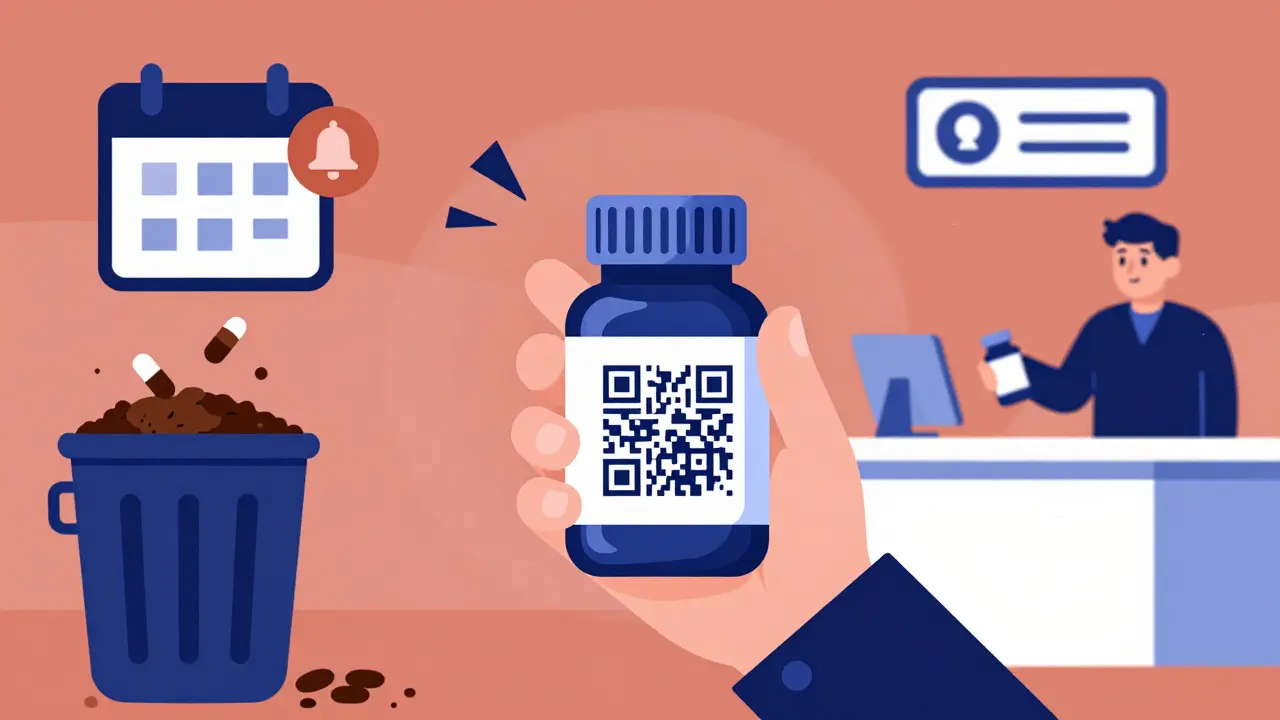
- Set a reminder on your phone for 3 months before the date.
- Use apps like MedSafe or MyTherapy to scan barcodes and track multiple medications.
- Keep original packaging for at least 6 months - it has the lot number and full expiration info.
For chronic conditions like diabetes or high blood pressure, make expiration checks part of your monthly routine. Don’t wait until you’re out of pills to realize your last bottle expired.
How to Safely Dispose of Expired Medication
Never flush pills down the toilet or toss them in the trash. That’s bad for the environment and dangerous if someone else finds them. In Australia, you can drop off expired medicine at any pharmacy for free through the Return Unwanted Medicines (RUM) program. Just bring your old bottles - no receipt needed. The pharmacy will dispose of them safely.
If there’s no drop-off nearby, mix pills with coffee grounds or cat litter in a sealed bag before throwing them out. This makes them unappealing and unusable.
What About Emergency Stockpiles?
If you’re keeping medicine for emergencies - like hurricanes, power outages, or natural disasters - you might be tempted to hoard old pills. The FDA’s Shelf Life Extension Program showed that sealed, properly stored drugs can last years beyond their expiration date. But that’s for military stockpiles in climate-controlled warehouses. Your basement or garage isn’t the same.
If you’re preparing for emergencies, rotate your supply every 6-12 months. Replace what you use. Don’t rely on 5-year-old antibiotics. Buy fresh ones. Your life isn’t worth the gamble.
What’s Changing in Expiration Labeling
Pharmaceutical companies are starting to use smarter labels. Merck now puts time-temperature indicators on its insulin packages - the label changes color if the medicine got too hot. The European Union is rolling out thermochromic ink that shows if a drug was exposed to unsafe temperatures. Some bottles now have QR codes that link to real-time expiration and storage info.
But these innovations are still rare. For now, you’re still the last line of defense. Know how to read the date. Know how to store the medicine. Know when to throw it out.
Can I still take medicine after the expiration date?
Most medications are still safe to take after their expiration date, but they may not work as well. The FDA says 90% of drugs remain effective past their printed date if stored properly. However, you should never take expired insulin, birth control pills, thyroid meds, or antibiotics - the risks are too high. For pain relievers like ibuprofen, a few months past expiration is usually fine, but not years.
What’s the difference between manufacturer and pharmacy expiration dates?
The manufacturer’s date is when the drug was tested to remain stable. The pharmacy’s date - often labeled "discard after" - is based on how long the medication is expected to stay effective once repackaged, usually one year from dispensing. Always follow the earlier date. If your pharmacy label says "discard after 12/2025" but the bottle says "exp 06/2027," throw it out in December 2025.
Does storing medicine in the fridge make it last longer?
Only if the label says to refrigerate it. For most pills, room temperature is fine. Putting them in the fridge can cause moisture buildup, which degrades them faster. Insulin, some liquid antibiotics, and eye drops need refrigeration. Always follow the storage instructions on the label.
Can expired medicine be harmful?
Almost never - except for tetracycline, which was linked to kidney damage in very old formulations. Modern antibiotics don’t have this risk. The real danger is reduced effectiveness. Taking expired antibiotics can lead to untreated infections and antibiotic resistance. Expired insulin can cause dangerous high blood sugar. Expired birth control can lead to pregnancy.
How do I know if my medicine has gone bad?
Look for changes: pills that are cracked, discolored, or smell strange; liquids that are cloudy or have particles; creams that separate or feel gritty. If it looks or smells off, throw it out - even if the date hasn’t passed. Many medicines lose potency without visible signs, so when in doubt, ask your pharmacist.
Can I donate unused, unexpired medicine?
In Australia, you cannot legally donate medicine, even if it’s unopened. The safest and most responsible option is to return it to your pharmacy through the Return Unwanted Medicines (RUM) program. They dispose of it safely and legally. Never give your medicine to someone else, even if it’s not expired.
14 Comments

Nancy Kou
December 19, 2025 AT 21:20
I used to ignore expiration dates until my dad had a stroke because his blood pressure med lost potency. Now I check every bottle like it’s a bomb timer. Don’t be that person who thinks 'it’s probably fine.'

Kinnaird Lynsey
December 20, 2025 AT 17:42
Honestly, the part about storing meds in the bathroom made me laugh because I’ve done it for years. Guess I’m just lucky... or dumb. Either way, I’m moving my pills to the bedroom drawer tonight.

Meenakshi Jaiswal
December 21, 2025 AT 08:59
As a pharmacist in Mumbai, I see this every day. People take expired antibiotics because they 'feel fine.' Then they come back with resistant infections. Education saves lives. Always check with your pharmacist - even if the date is just a month past.

Andrew Kelly
December 22, 2025 AT 15:45
The FDA says 90% of drugs are still effective past expiration? Yeah, and they also said cigarettes were safe in the 50s. Trust the system? I’d rather trust my own eyes. If it’s been sitting in a hot garage for 3 years, it’s not medicine - it’s a science experiment.

Isabel Rábago
December 24, 2025 AT 14:59
You think you’re being responsible by keeping old pills? You’re just hoarding poison. That insulin in your fridge? If it’s expired, it’s not just useless - it’s a death sentence waiting to be injected. Stop being cheap. Your life isn’t a budget spreadsheet.

holly Sinclair
December 26, 2025 AT 11:51
It’s fascinating how we treat medicine as both sacred and disposable. We’re told to trust the science behind expiration dates, yet we also believe in the myth that nature or time doesn’t degrade molecules. But if a banana rots, why shouldn’t aspirin? The real question isn’t whether it works - it’s whether we’ve stopped seeing drugs as living, changing things, and started treating them like static objects.

Hussien SLeiman
December 27, 2025 AT 13:35
Let’s be real - if you’re still using ibuprofen from 2019 because you 'never had a problem,' you’re not brave, you’re just statistically lucky. The fact that you didn’t die doesn’t mean you weren’t playing Russian roulette with your immune system. And don’t get me started on people who keep antibiotics as 'just in case.' That’s not preparedness - that’s antibiotic resistance in training. You’re not a survivalist. You’re a walking CDC warning.

Connie Zehner
December 28, 2025 AT 17:19
I just checked my cabinet and found three expired pills I didn’t even remember buying. I’m so mad at my past self. Like, why did I keep them? Was I hoping they’d magically fix my anxiety? I threw them all out and now I feel guilty. But also… liberated? Like I finally stopped hoarding emotional and physical Band-Aids. 🤷♀️

shivam seo
December 29, 2025 AT 05:18
Australia’s RUM program? Cute. Meanwhile in the US, we’re just supposed to throw pills in the trash like trash? And you wonder why our waterways are full of pharmaceuticals? The system’s broken. We need a national take-back program - not some half-assed 'mix with cat litter' advice. This isn’t a DIY project. It’s public health.

Dev Sawner
December 29, 2025 AT 10:11
According to the Indian Pharmacopoeia Commission, the stability of pharmaceuticals is contingent upon ambient humidity levels, which in tropical climates can reduce shelf life by up to 40% compared to temperate zones. Therefore, the generalization that 'most medications remain effective' is statistically invalid in regions such as South Asia, where ambient conditions routinely exceed 80% relative humidity. The FDA data is not globally applicable.

benchidelle rivera
December 30, 2025 AT 01:23
I used to think expired meds were harmless. Then I worked in a nursing home. Saw an elderly woman collapse because her heart med had lost potency. She didn’t die - but she lost three months of her life to a preventable hospitalization. This isn’t about being paranoid. It’s about being human. If you care about someone, check their meds. Don’t wait for the crisis.

Mahammad Muradov
December 30, 2025 AT 02:54
The notion that expired medication is 'safe' is a dangerous myth perpetuated by corporate interests. If the FDA allowed drugs to remain on shelves indefinitely, profits would increase. They don't care about your health - they care about your next refill. Trust nothing. Always replace. Always verify. Always question.

Glen Arreglo
December 31, 2025 AT 03:03
I lived in Japan for a year and their medicine labels are insane - they include not just expiration dates but also storage temperature graphs and QR codes that show real-time humidity exposure. We’re decades behind. Why are we still using paper labels in 2025? This is basic tech. It’s not hard. We just don’t care until someone dies.

Moses Odumbe
January 2, 2026 AT 01:02
Just threw out my 2021 ibuprofen. 💥 I used to be the guy who kept everything. Now I’m the guy who checks his meds like a mom checking her kid’s homework. 📅💊 #NoMoreGuessing #MedSafety
Write a comment