



You might think that because a product is "natural," it's automatically safe. It's a common belief, but it's actually one of the most dangerous misconceptions in health. When you mix a prescription drug with a herbal supplement or a high-dose vitamin, you aren't just adding two things together; you're triggering a chemical reaction in your body. For some, this is harmless. For others, it can lead to a failed treatment, a sudden trip to the emergency room, or even a life-threatening event.
The reality is that many of us are playing a game of biological roulette. Research shows that about 75% of adults use dietary supplements while also taking prescription meds, yet only a small fraction ever talk to their doctor about it. Because supplements aren't regulated like pharmaceuticals-they don't need pre-market safety approval from the FDA-you're often the one testing how a product interacts with your specific medication. Whether you're taking blood thinners, birth control, or antidepressants, the stakes are too high to guess.
| Risk Level | Example Supplements | Typical Danger |
|---|---|---|
| High Risk | St. John's wort, Goldenseal | Can stop critical drugs from working entirely |
| Moderate Risk | Ginkgo biloba | Can increase bleeding or change drug levels |
| Low Risk | Milk thistle, Valerian | Generally safer, but still require caution |
The Hidden Danger of "Natural" Interactions
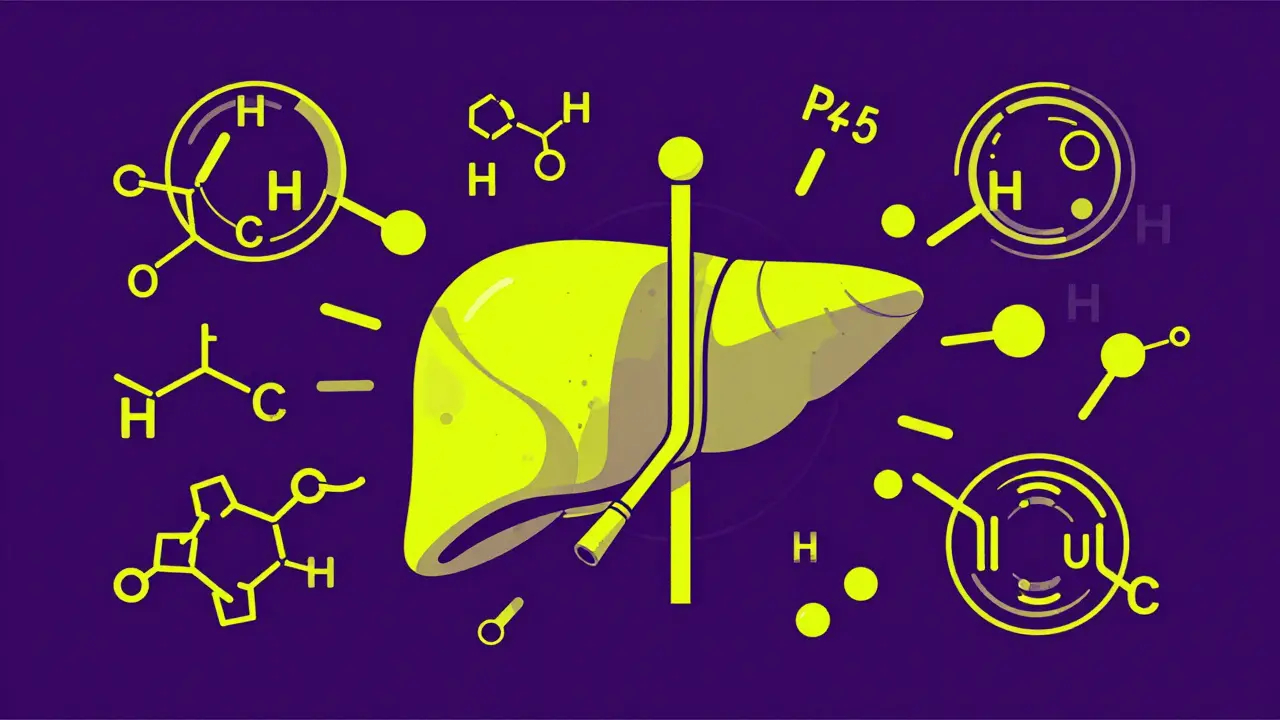
To understand why this happens, we have to look at how your body processes chemicals. Your liver uses enzymes-specifically a group called Cytochrome P450 is a family of enzymes responsible for metabolizing the majority of prescription drugs in the human body-to break down medications. When a supplement "induces" these enzymes, it makes them work too fast. This means your medication gets flushed out of your system before it can actually do its job.
Take St. John's wort is a flowering plant often used as a supplement for depression that is notorious for causing severe drug interactions as a prime example. It doesn't just slightly tweak your system; it can slash the concentration of critical meds like HIV treatments or organ transplant drugs by 30% to 80%. Imagine taking a pill to keep a transplanted organ alive, only for a "natural" mood booster to render that pill nearly useless. That's not just a side effect; it's a medical crisis.
Then there's the opposite problem: additive effects. This is when a supplement does the same thing as your medicine, but too much of a good thing becomes dangerous. If you're on Warfarin is a common anticoagulant medication used to prevent blood clots and you start taking high-dose Vitamin E or Ginkgo biloba, you aren't just "extra protected." You're significantly increasing your risk of internal bleeding because both substances thin your blood.
The Essential Checklist: 7 Questions for Your Doctor
Most doctor visits are rushed. You might only get a few minutes of their time, and often, the conversation about supplements is skipped entirely. You need to be the one to bring it up. Before you start any new supplement medication interactions check, bring this list to your pharmacist or physician.
- Does this supplement affect cytochrome P450 enzymes or drug transporters? You want to know if the supplement speeds up or slows down how your body clears the drug. If it's a "strong inducer," your medication levels might drop dangerously low.
- Could this create additive effects? Ask if the supplement mimics the action of your drug. For example, if you're on a sedative and take Valerian root, you might become dangerously drowsy.
- Is there evidence that this reduces my medication's effectiveness? Specifically ask about your primary diagnosis. If you're on birth control, ask if the supplement can cause contraceptive failure.
- Has this specific supplement been studied with my exact medication? Only about 15% of supplements have formal interaction studies. If there's no data, you're essentially a test subject.
- What monitoring parameters should I track? If you're on blood thinners, do you need more frequent INR tests? If you're treating a virus, do you need more frequent viral load checks?
- Are there safer alternatives to this supplement? Sometimes a different variety of the same herb (like American ginseng vs. Asian ginseng) has fewer known interactions.
- What symptoms indicate a dangerous interaction? Know the red flags. For instance, if you mix certain antidepressants with St. John's wort, you could develop Serotonin Syndrome is a potentially life-threatening condition caused by excessive accumulation of serotonin in the body, characterized by confusion, rapid heart rate, and muscle rigidity.
High-Stakes Scenarios: Where You Cannot Afford a Mistake
While some interactions are just annoying (like a vitamin making a drug slightly less effective), some are catastrophic. There are specific medication categories where you should be extremely cautious-or avoid supplements entirely without strict supervision.
- Immunosuppressants: For people with organ transplants, a supplement that clears the drug too quickly can lead to organ rejection. Some studies show 15% of transplant rejection cases involve these hidden interactions.
- Cancer Chemotherapy: Some antioxidants can actually protect cancer cells from the treatment, making the chemo less effective. About 12% of treatment failures have been linked to supplement interference.
- Anticoagulants: Mixing blood thinners with Omega-3s, Ginkgo, or Vitamin E can cause unpredictable bleeding patterns, making it nearly impossible for doctors to stabilize your dose.
- Hormonal Contraceptives: This is a frequent and heartbreaking error. Supplements like St. John's wort can increase birth control failure rates by 40-50%, leading to unplanned pregnancies.
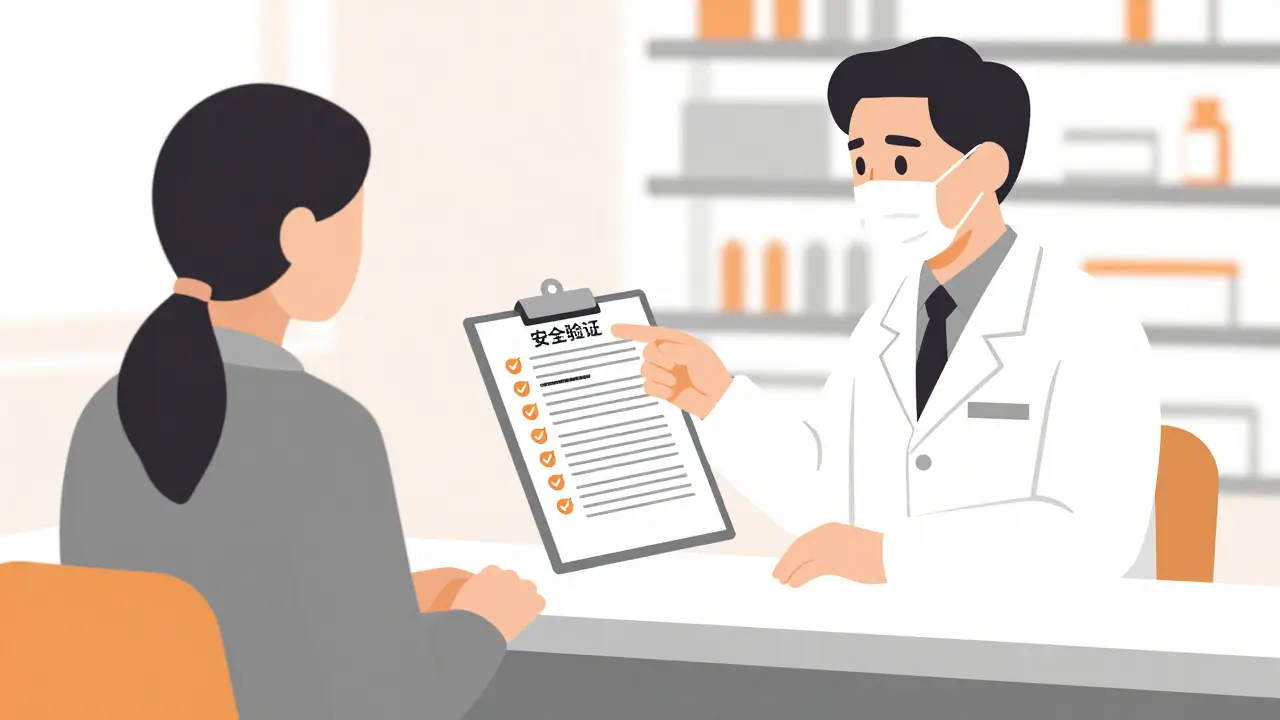
How to Verify Your Supplements
Since the FDA doesn't pre-approve supplements for safety or purity, you can't always trust the label. A Government Accountability Office report found that 70% of supplement labels inaccurately represented how much of an ingredient was actually inside. This means you might be taking more-or less-of an interacting substance than you think.
To lower your risk, look for third-party verification. Brands that use USP (United States Pharmacopeia) or NSF International certifications are generally more reliable because they actually test what's in the bottle. Also, keep a running list of every single thing you ingest-including teas and "wellness shots"-and share that list with your pharmacist. Pharmacists are often better trained in chemical interactions than general practitioners and can provide a second layer of safety.
Is it safe to take a multivitamin with prescription medication?
Most standard multivitamins are safe, but certain high-dose components can cause issues. For example, high levels of Vitamin K can interfere with blood thinners like Warfarin, while excessive Vitamin E can increase bleeding risks. Always check the dosages of individual vitamins rather than just the "multivitamin" label.
Why is St. John's wort considered so dangerous?
St. John's wort is a potent inducer of the CYP3A4 enzyme and P-glycoprotein. This means it speeds up the metabolism of a huge variety of drugs, effectively "washing" them out of your system faster than they can work. This can lead to the failure of birth control, HIV meds, and transplant drugs.
Can natural supplements cause liver damage when mixed with meds?
Yes. Both some medications and certain supplements can stress the liver. When taken together, they can cause supplement-induced liver injury. Databases like LiverTox track these instances to help clinicians identify which combinations are most risky.
What should I do if I suspect a supplement is reacting with my medicine?
Stop taking the supplement immediately and contact your healthcare provider. Do not just "lower the dose." Note any symptoms you're feeling-such as dizziness, rapid heartbeat, or unusual bruising-and bring the actual bottle of the supplement to your appointment so the doctor can check the exact ingredients.
Does the FDA guarantee that supplements are safe for use with drugs?
No. Under the Dietary Supplement Health and Education Act of 1994, the FDA does not require supplements to be proven safe or effective before they hit the market. The burden of proof is on the FDA to prove a product is unsafe *after* it is already being sold.
Next Steps for Your Safety
If you are currently taking a combination of meds and supplements, don't panic, but do get organized. Start by creating a "Master List" that includes the brand name, the dosage, and how often you take each product. Schedule a brief 10-minute consultation with your pharmacist-they are the most accessible experts for these specific queries.
For those starting a new treatment, such as chemotherapy or an immunosuppressant, the rule of thumb is simple: avoid all non-essential supplements until your doctor gives the green light. The risk of therapeutic failure is simply too high to justify a "wellness" boost. When in doubt, remember that "natural" is a marketing term, not a safety rating.