



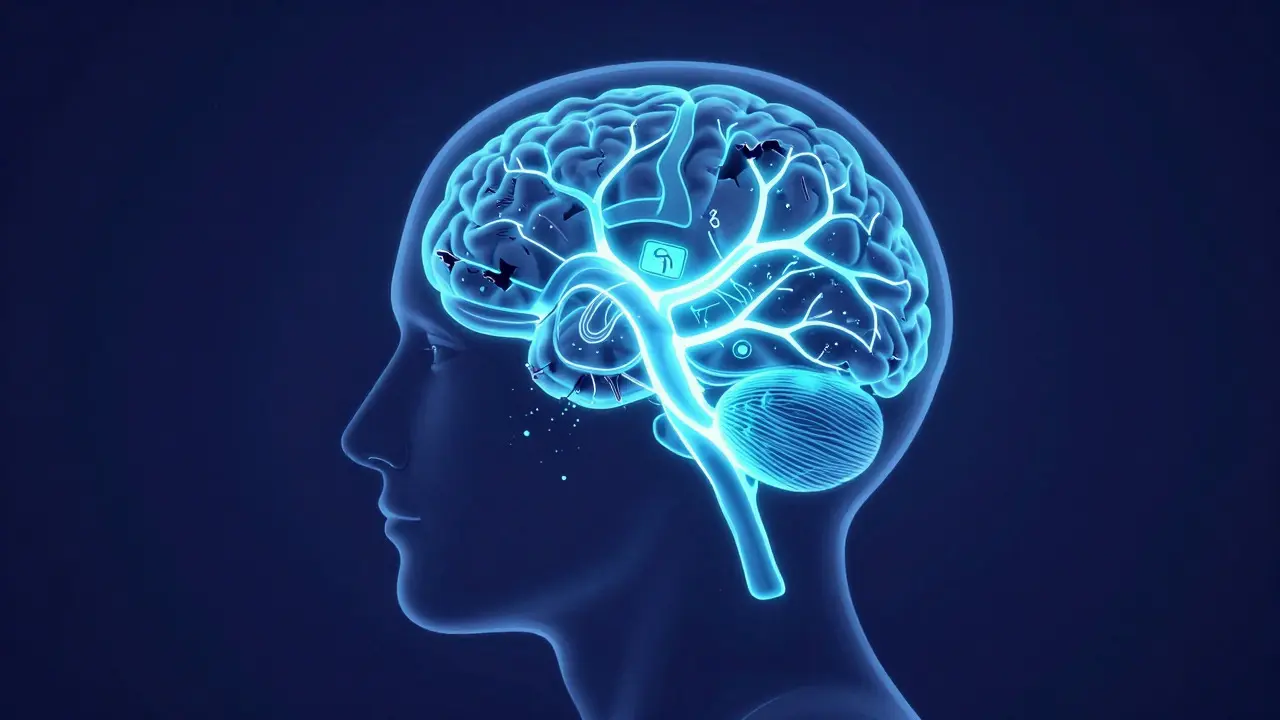
Imagine waking up unable to move your left arm or forget how to speak a simple sentence. For the millions of people who suffer a stroke every year, this isn't just a scary thought; it is their new reality. But here is the good news: the brain is remarkably resilient. It doesn't just sit there damaged and useless. It can rewire itself. This process is called neuroplasticity, which is the brain's ability to reorganize its structure and function in response to injury or learning. While natural healing happens on its own, structured stroke rehabilitation acts as the accelerator, turning slow biological changes into tangible functional gains.
How the Brain Heals Itself
You might wonder if you need therapy at all if the brain heals naturally. The answer is yes, but understanding why helps set realistic expectations. When a stroke occurs, blood flow stops to part of the brain, causing tissue damage. However, unless the tissue is completely destroyed, it retains the potential to recover. According to Dr. Zacharia Isaac from Brigham and Women's Hospital, this natural recovery window spans from six months to several years. During this time, the brain forms new neural pathways to bypass the damaged areas. Think of it like finding a new route when a highway is closed. Traffic (signals) still needs to get through, so the brain builds detours. Functional magnetic resonance imaging studies show that these cortical reorganizations begin within two to four weeks of starting targeted therapy, proving that active intervention significantly speeds up this biological rewiring.
The Three Stages of Recovery
Recovery isn't a single event; it’s a journey with distinct phases. Understanding where you are in this timeline helps manage frustration and set appropriate goals. The UNC Medical Center outlines three clear stages:
- Recovery and Natural Healing (Days to Weeks): In this early stage, brain swelling goes down. Some movement returns almost automatically. The focus here is on preventing complications like bedsores or joint stiffness while the body stabilizes.
- Retraining (Weeks to Months): This is the heavy lifting phase. You learn activities again through repetition and cues from therapists. It’s about building muscle memory and cognitive patterns for tasks like walking or buttoning a shirt.
- Adaptation (Months to Years): Not everything comes back exactly as it was. This stage focuses on coping with permanent changes. You develop compensatory strategies, modify your environment, and return to leisure activities in ways that work for your new normal.
Building Your Care Team
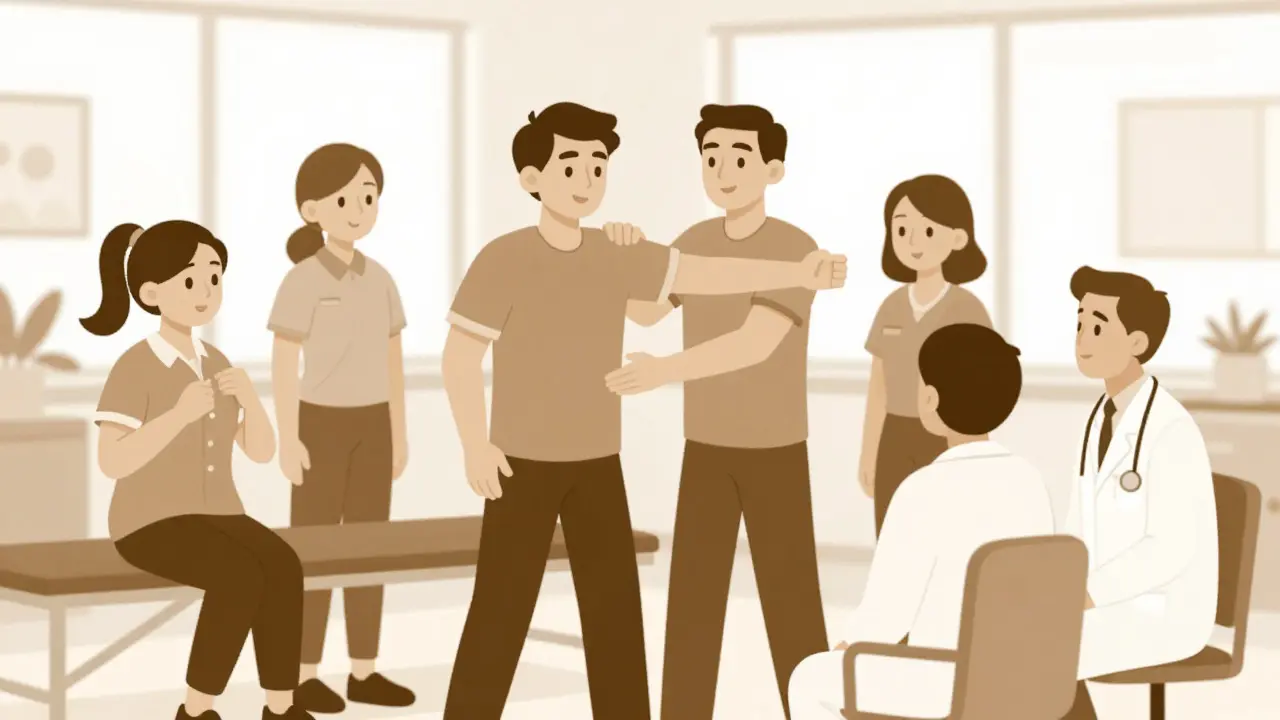
Treating a stroke isn't a one-person job. It requires a multidisciplinary approach because the impact is so broad. A doctor alone can't fix speech, balance, and mood simultaneously. The American Stroke Association guidelines emphasize a team comprising physicians, physiatrists, nurses, and specialists. Each member has a specific role:
- Physical Therapists (PTs): Focus on mobility, strength, and gait. They help you walk safely and efficiently.
- Occupational Therapists (OTs): Target daily living skills like cooking, dressing, and grooming. They make sure you can handle your home life.
- Speech-Language Pathologists (SLPs): Address communication barriers and swallowing difficulties, which are common after brain injury.
- Psychologists and Social Workers: Support mental health and navigate insurance or community resources.
Core Therapy Techniques That Work
Not all exercises are created equal. Evidence-based techniques have shown significant improvements over standard care. Here are some of the most effective methods used today:
- Constraint-Induced Movement Therapy (CIMT): This involves restraining the unaffected limb for 90% of waking hours to force the use of the affected side. Mayo Clinic studies found this leads to 30% greater motor function improvement than conventional therapy. It sounds intense, but it effectively prevents 'learned non-use.'
- Robotic Gait Training: Devices like the Lokomat assist impaired limbs with repetitive walking motions. Research indicates this results in 50% greater walking speed improvement compared to traditional treadmill therapy.
- Functional Electrical Stimulation (FES): Small electrical currents stimulate weakened muscles. This produces 25-45% strength gains in wrist and hand function, helping patients grip objects more securely.
- Virtual Reality (VR): Engaging in simulated environments keeps patients motivated and improves upper extremity function by 28% compared to standard care. It turns therapy into a game-like experience, reducing boredom and fatigue.
| Intervention | Primary Goal | Documented Outcome |
|---|---|---|
| Constraint-Induced Therapy | Prevent learned non-use of affected limb | 30% greater motor improvement |
| Robotic Gait Training | Improve walking speed and symmetry | 50% greater speed gain vs. conventional |
| Functional Electrical Stimulation | Strengthen weak muscles | 25-45% strength gain in hands/wrists |
| Virtual Reality Systems | Engage cognitive-motor coordination | 28% better upper extremity function |
Timing and Intensity Matter
When should you start? As soon as you are medically stable. Waiting too long allows secondary complications to set in. Contractures (permanent shortening of muscles) occur in 30-50% of untreated cases, and depression affects 30-35% of survivors. The Chartered Society of Physiotherapy found that high-intensity exercises started within 24 hours improve functional outcomes by 35%. So, don't wait for the 'perfect' moment. Start moving when safe. How much therapy do you need? The standard recommendation is three hours of therapy, five days a week, in an inpatient facility for those who qualify. This intensity drives the neuroplastic changes needed for lasting improvement. However, balance is crucial. Patients need to rest 30-40% of the day, exercise 40-50%, and engage socially 20-30%. Overtraining leads to fatigue, which actually hinders progress. Listen to your body, but push through the discomfort of learning, not the pain of injury.
Life After the Rehab Facility
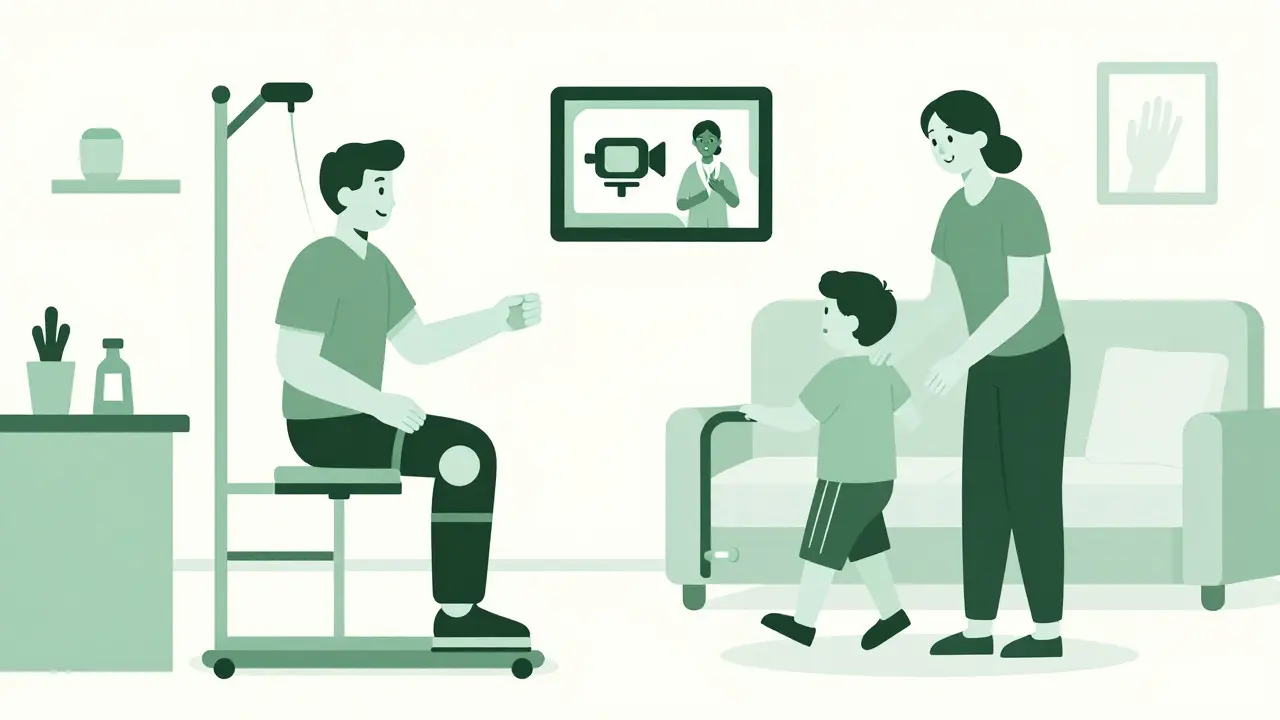
Discharge from a formal rehab center doesn't mean the end of recovery. In fact, for 70% of stroke survivors, ongoing therapy is required. This is where community-based programs and telerehabilitation come in. Recent research shows that telerehabilitation-doing therapy via video call-is 85% as effective as in-person care for many interventions. This is a game-changer for people in rural areas or those who find travel exhausting. Home modifications also play a critical role. Installing grab bars in the bathroom, using raised toilet seats, or adapting kitchen counters can prevent falls and increase independence. Family involvement is another massive factor. Studies indicate that family engagement increases rehabilitation adherence by 37%. If your loved ones understand the goals and participate in the routine, you are more likely to stick with it. Make it a team effort, both inside and outside the clinic.
Frequently Asked Questions
How long does stroke recovery take?
Most significant natural recovery happens in the first six months, but improvements can continue for years. With consistent rehabilitation, functional gains are often seen within the first few weeks. The timeline varies based on the severity of the stroke and individual factors like age and motivation.
Is it too late to start rehab after the first month?
No. While earlier is better, neuroplasticity persists throughout life. Starting later means you may face more established habits or complications, but significant functional improvements are still possible. The brain remains capable of forming new connections at any age.
What is the most important factor for successful recovery?
Motivation accounts for up to 40% of the variance in rehabilitation outcomes. Beyond physical capability, a patient's willingness to engage, set small goals, and persist through frustration is critical. Psychological support and family encouragement play huge roles in maintaining this drive.
Can technology replace human therapists?
Technology complements rather than replaces therapists. Robotic devices and VR provide high-repetition practice and objective data, but human therapists offer emotional support, adapt exercises in real-time, and address complex psychosocial issues. The best outcomes come from combining tech-assisted tools with expert human guidance.
What should I do if I feel plateaued in my progress?
Plateaus are normal. Try changing your approach: introduce a new type of therapy (like VR or FES), set smaller micro-goals (e.g., improving finger range by 5 degrees), or consult your therapist about adjusting intensity. Sometimes, a change in stimulus is all the brain needs to trigger further plasticity.
9 Comments

Paul Coar
August 20, 2026 AT 22:58
man this article actually hits different when you realize the brain is basically just hacking its own code in real time. i was skeptical about the 'highway detour' analogy but once i looked up fMRI studies it kinda clicked. the part about starting therapy within 24 hours is wild though, feels like everyone waits too long to even think about movement. also love that they mentioned rest is part of the deal, we always push so hard we forget fatigue is a signal not a failure.

Vivek sharma
August 21, 2026 AT 13:09
This is a beautiful reminder that resilience is not just a human trait but a biological imperative 🧠✨
In my culture, we often speak of the spirit healing before the body, but here we see the science backing it up. The concept of neuroplasticity is truly profound; it suggests that our identity is not fixed by our past injuries. I find it inspiring that even after severe damage, the mind seeks new pathways. It makes me think about how we should approach our own lives with more flexibility and less rigidity.
The section on family engagement is particularly touching. We are all connected, and recovery is a communal journey, not an isolated one. Thank you for sharing such detailed information.

Garry Hedges
August 22, 2026 AT 03:27
ok so read this whole thing and honestly? the numbers are crazy. 50% speed gain from robots?? that sounds like marketing fluff until you see the citations. but yeah, constraint-induced therapy sounds brutal but if its stopping learned non-use then do it. dont let your good arm take over everything. just keep moving

Jamaal Johnson
August 24, 2026 AT 02:41
It is quite remarkable to observe the sheer volume of data presented here regarding the efficacy of robotic gait training versus traditional methods. One cannot help but feel a sense of awe at the precision of modern medical intervention.
However, as a somewhat detached observer, I must note that the narrative leans heavily on optimistic outcomes. While the statistics are compelling, the individual experience of pain and frustration during the 'Retraining' phase is often underplayed in such guides. It is a grueling process, akin to learning a language from scratch while carrying a heavy burden. Yet, the promise of adaptation remains the silver lining in what can be a very dark cloud.

Ankit Sinha
August 24, 2026 AT 12:19
Look, nobody really cares about the 'feel good' story. Let's talk about the cost. You mention telerehab is 85% as effective, great, but who pays for the VR headset or the Lokomat? Most people in rural areas don't have high-speed internet, let alone access to these fancy gadgets. Also, the claim that motivation accounts for 40% of variance is suspiciously high. Sure, mindset matters, but if your insurance doesn't cover 3 hours of therapy a day, your motivation means nothing. This guide reads like it was written for someone with unlimited resources and a support team ready to go. For the rest of us, it's just theory.

Jw George John Warren
August 25, 2026 AT 09:23
Oh, give it a rest! 😂😂 Everyone thinks they're a neuroscientist now. "The brain rewires itself" - yeah, sure, and pigs fly. I've seen guys try this stuff and end up worse off because they pushed too hard. That 50% improvement stat? Probably cherry-picked from a study with 12 participants and a robot that cost more than my car. And don't get me started on VR therapy. My cousin tried it and got motion sick for a week. Just stick to walking and drinking water, folks. The best medicine is still doing nothing and waiting for the magic to happen. 🙄📉

Rachel Robinson Interiors
August 26, 2026 AT 14:44
I completely agree with the sentiment here. As someone who has worked closely with families going through this, the importance of the multidisciplinary team cannot be overstated. It is easy to focus solely on the physical metrics, but the psychological support provided by social workers and psychologists is often the glue that holds the entire rehabilitation process together. When patients feel heard and supported emotionally, their adherence to physical therapy improves significantly. It is a holistic journey, and acknowledging every aspect of the patient's well-being is crucial for sustainable progress.

Jesse Barlau
August 27, 2026 AT 02:29
While the enthusiasm in this thread is certainly commendable, it is worth remembering that every patient's journey is unique and often deeply personal, requiring a level of patience and understanding that extends beyond the clinical guidelines outlined in the post. The transition from an inpatient facility to home care is frequently the most challenging period, not because the therapies stop, but because the structured environment disappears and the responsibility shifts entirely to the individual and their immediate circle, which can be overwhelming without clear communication and realistic expectations set early on. It is essential to maintain open lines of dialogue between the care team and the family to ensure that the strategies developed in the clinic are feasible and sustainable in the home environment, thereby preventing the common pitfalls of relapse or regression that often occur during this critical transition phase.

Marc-Alexandre Rizzo
August 27, 2026 AT 09:29
Great points everyone. I’d add that the 'adaptation' phase is where the real creativity comes in. We’re not just fixing a broken machine; we’re redesigning how we live.
For those in Canada, the wait times for public rehab can be a nightmare, so looking into private options or community groups early is a smart move. Don’t wait for the system to catch up. Your brain is waiting on *you* to start building those new neural highways. Keep pushing, but keep it fun if you can. Life’s too short for boring exercises. 💪🍁
Write a comment