




Medication Safety Decision Tool
Disclaimer: This tool is for educational purposes only and does not replace professional medical advice. In case of emergency, call your local emergency services immediately.
1
2
3
4
5
Imagine this: you take a new pill for your blood pressure or anxiety. Within hours, your throat feels tight, or a rash spreads across your chest. Do you wait until your next doctor’s appointment? Or do you throw the bottle in the trash and hope for the best?
This is one of the most stressful moments in healthcare. On one hand, ignoring severe side effects can be deadly. On the other, stopping certain medications abruptly can trigger dangerous withdrawal symptoms that are just as harmful as the original condition. It is a medical paradox that confuses millions of patients every year.
The truth is, not all side effects are created equal. Some require you to call emergency services right now. Others need a slow, careful taper over weeks. Knowing the difference isn’t just about comfort-it’s about survival. This guide breaks down exactly when to stop a medication immediately, when to taper, and how to navigate the gray areas without putting yourself at risk.
Red Flags: When to Stop a Medication Immediately
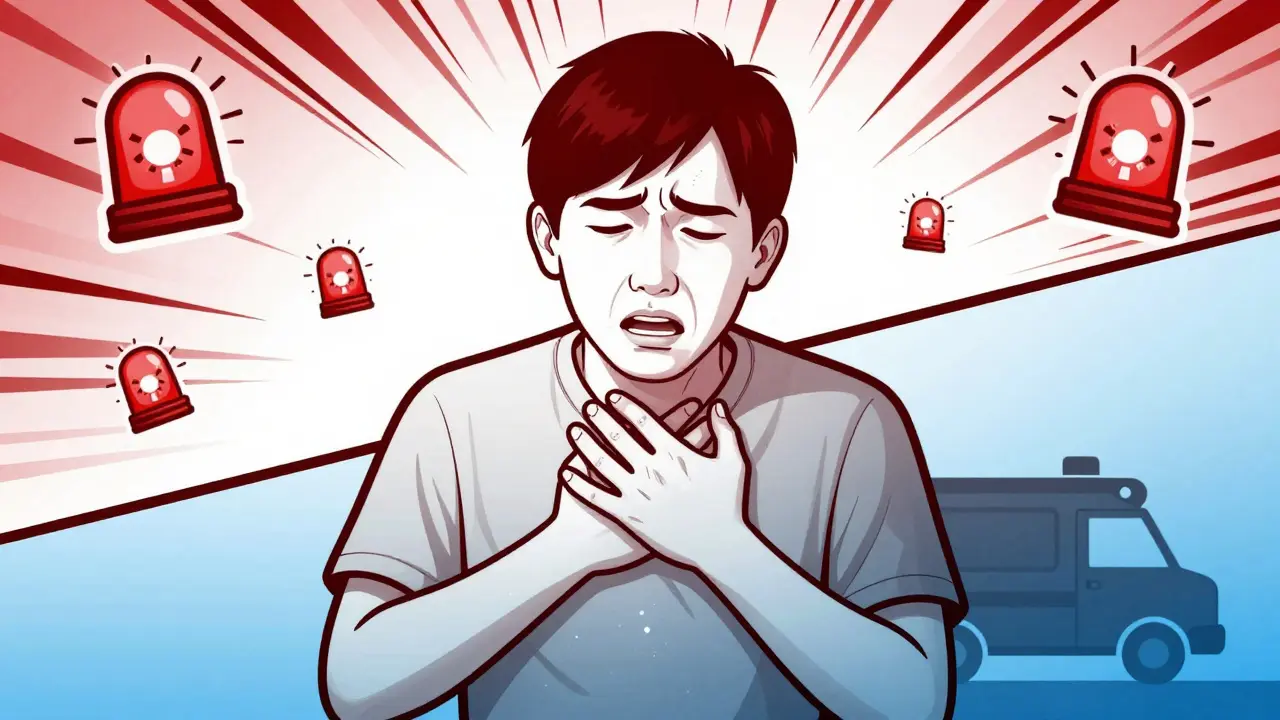
Some adverse drug reactions (ADRs) move fast. In these cases, waiting even an hour can lead to permanent damage or death. The FDA defines serious adverse events as those resulting in life-threatening situations, hospitalization, or persistent disability. If you experience any of the following, stop the medication and seek emergency care.
Anaphylaxis is
a severe, life-threatening allergic reaction that occurs rapidly after exposure to a trigger, such as a medication.
Also known as severe allergic shock, it affects approximately 1-15 per 10,000 patients receiving medications. Penicillin is a common culprit, causing 1-5 cases per 10,000 courses. Symptoms include difficulty breathing, swelling of the face or throat, and a sudden drop in blood pressure. This is not something you "wait out." It requires immediate discontinuation and epinephrine.
Another critical red flag is Stevens-Johnson Syndrome (SJS). This rare but severe skin reaction causes blistering and peeling of the skin and mucous membranes. It has a mortality rate of 5-15% for SJS and up to 30-50% for its more severe form, toxic epidermal necrolysis (TEN). Medications like carbamazepine, lamotrigine, allopurinol, and sulfonamides are primary triggers. If you see a rash accompanied by fever or sore throat, stop the drug and go to the ER. For patients with the HLA-B*1502 allele (common in Asian populations), the risk is significantly higher, making genetic screening crucial before starting these drugs.
Acute liver failure is another silent killer. Drugs like isoniazid (used for tuberculosis) can cause liver damage in about 1 in 10,000 patients. You might not feel pain, but if your ALT levels exceed three times the upper limit of normal with symptoms, or five times without symptoms, the medication must be stopped immediately. Similarly, drug-induced agranulocytosis-a dangerous drop in white blood cells-occurs in 1-15 cases per million prescription users annually. Without prompt discontinuation, mortality rates hover between 5-10% due to unchecked infections.
The Withdrawal Trap: Why Stopping Cold Turkey Can Be Dangerous
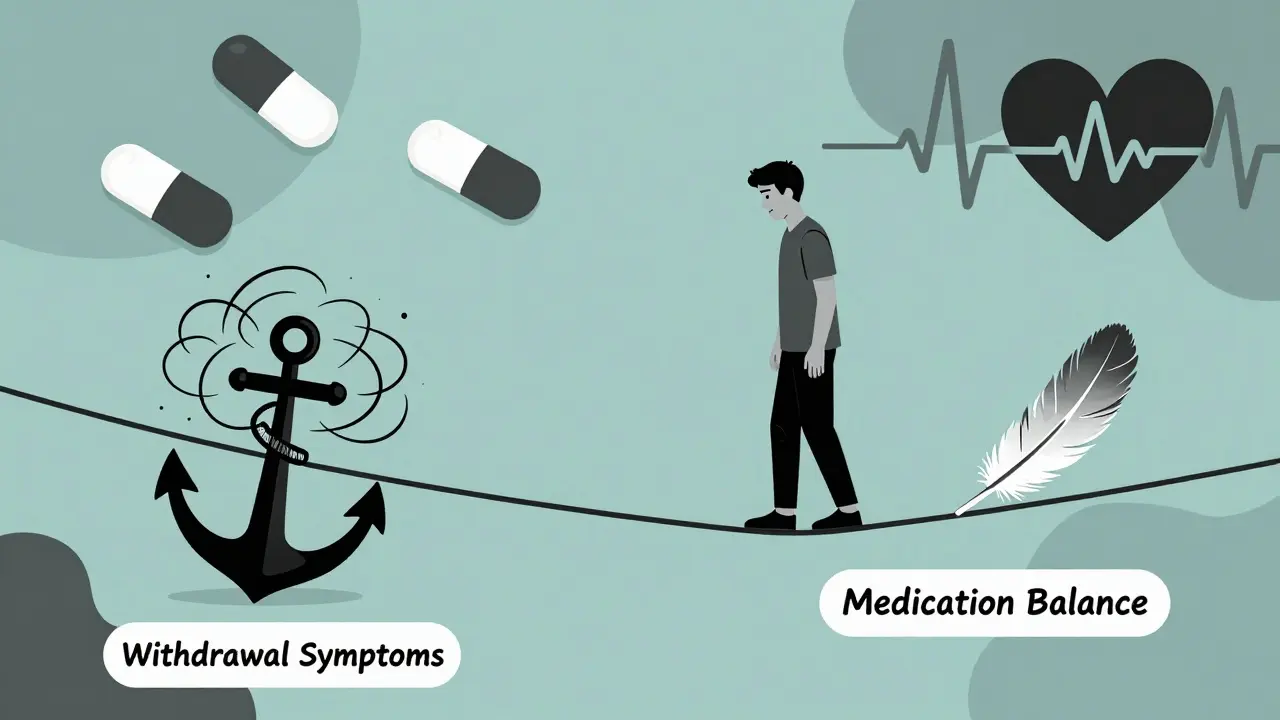
If severe allergies tell you to stop, why don’t we just stop everything when it makes us feel bad? Because some medications change your body’s chemistry so deeply that removing them suddenly causes a rebound effect. This is called an adverse drug withdrawal event (ADWE).
Consider beta-blockers, commonly used for heart conditions and high blood pressure. If you stop taking them abruptly, your heart rate can spike dangerously. Studies show that abrupt discontinuation increases the risk of heart attack by 300% in patients with coronary artery disease within the first week. Rebound hypertension affects 12-25% of patients who quit cold turkey. Your blood pressure doesn’t just return to normal; it shoots higher than before, potentially causing a stroke.
Benzodiazepines, used for anxiety and insomnia, present a similar danger. Long-term users who stop suddenly face a 10-15% chance of withdrawal seizures. Antidepressants are also notorious for this. Discontinuation syndrome affects 20-50% of patients, depending on the drug’s half-life. Symptoms include "brain zaps," dizziness, nausea, and intense mood swings. While rarely fatal, these symptoms are debilitating and often mistaken for a relapse of the original mental health condition.
Cardiovascular medications and central nervous system drugs account for 65-75% of all adverse drug withdrawal events reported to pharmacovigilance databases. Beta-blockers alone cause physiological withdrawal reactions in 22% of cases. This is why the phrase "never stop abruptly" is printed on so many prescription labels.
The Decision Matrix: A Tiered Approach to Side Effects
So, how do you decide? Is it an emergency, or is it just annoying? Experts from the American College of Physicians have developed a four-tier framework to help clinicians-and patients-navigate this complexity. Understanding where your symptom falls can save you time and trouble.
| Tier | Action Required | Examples of Side Effects | Risk Level |
|---|---|---|---|
| Tier 1 | Immediate Discontinuation + Emergency Care | Anaphylaxis, Stevens-Johnson Syndrome, Acute Liver Failure, Agranulocytosis | Life-Threatening |
| Tier 2 | Discontinue Within 24-48 Hours + Medical Consult | Severe skin rashes (no mucosal involvement), significant kidney impairment, severe vomiting | High Risk of Permanent Damage |
| Tier 3 | Consult Provider Before Stopping (Tapering Likely) | Persistent nausea, dizziness, mild depression, insomnia | Moderate Impact on Quality of Life |
| Tier 4 | Continue with Monitoring | Mild headache, transient stomach upset, slight fatigue | Low Risk / Manageable |
Tier 1 is non-negotiable. If you suspect anaphylaxis or SJS, stop the drug and call for help. Tier 2 requires swift action but allows time to contact your doctor for instructions on what to take instead. Tiers 3 and 4 are where most confusion lies. These side effects are uncomfortable, but stopping the medication suddenly could be worse. For example, if a statin causes muscle pain, 95% of the time it is not true myopathy requiring discontinuation. Often, a dose adjustment or switching to a different statin solves the problem. Yet, 31% of patients quit statins entirely without consulting their doctor, leaving their heart health unprotected.
The 5-Question Framework for Patients
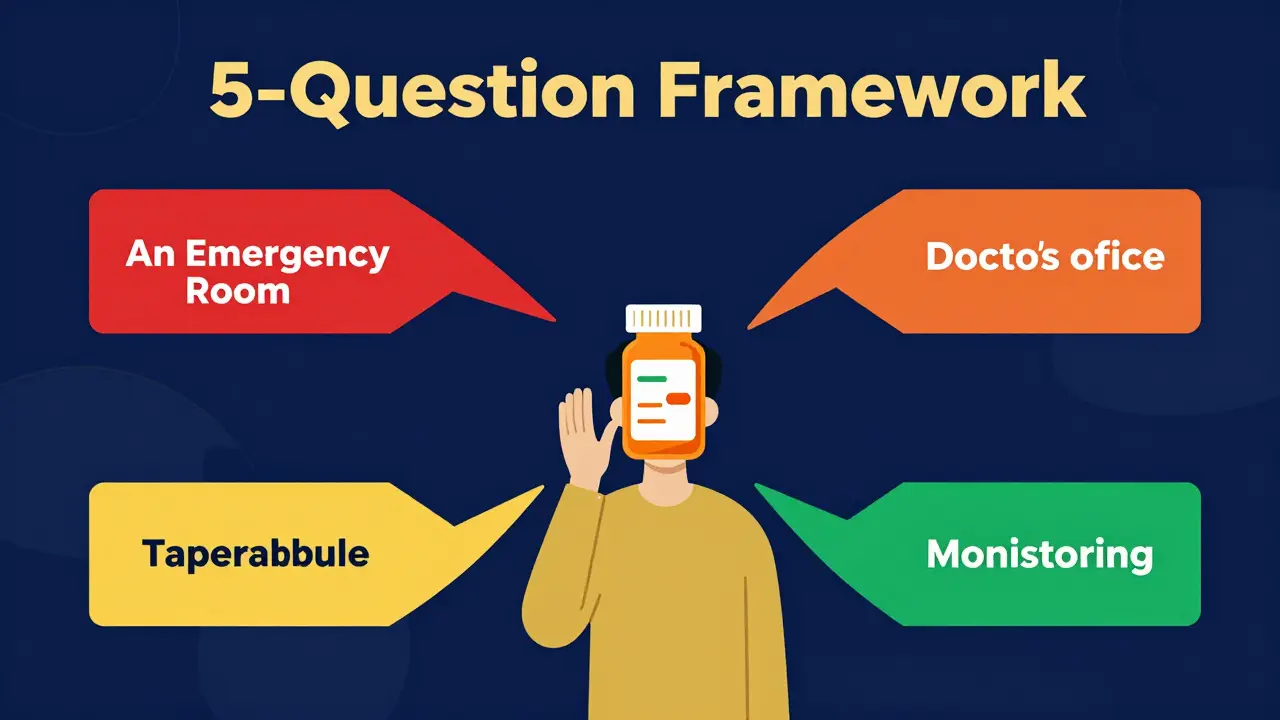
You don’t need to be a pharmacist to make safer decisions. Weill Cornell CERT developed a practical "5-Question Decision Framework" validated in a study of over 1,200 patients. It achieved 92% accuracy in appropriate discontinuation decisions compared to standard care. Ask yourself these questions before throwing away your pills:
- Is the reaction potentially life-threatening? If yes (e.g., trouble breathing, chest pain, severe rash), stop immediately and seek emergency care.
- Is the medication one that causes withdrawal syndromes if stopped abruptly? Check the label or ask your pharmacist. Beta-blockers, benzodiazepines, antidepressants, and steroids fall into this category. If yes, do not stop cold turkey.
- Are alternative treatments available? Sometimes switching brands or formulations reduces side effects without losing therapeutic benefit.
- What is the risk-benefit ratio of continuing versus stopping? Is the side effect manageable while the drug prevents a heart attack? Or is the side effect disabling the drug’s purpose?
- What is your understanding and preference? Communicate openly with your provider. They cannot tailor your treatment if they don’t know how you feel.
This framework shifts the power back to you. Instead of guessing, you use logic. For instance, if you are taking clonidine for blood pressure and feel dizzy, question #2 tells you that stopping abruptly could cause a hypertensive crisis. You would then contact your doctor to adjust the dose rather than quitting.
Common Misconceptions About Stopping Medications
Confusion runs deep. A survey found that 42% of patients stop medications due to side effects without talking to their healthcare provider. Of those, 18% experienced adverse consequences from inappropriate discontinuation. Here are two major myths holding people back:
Myth 1: "Natural" means safe to stop anytime. Many people assume herbal supplements or over-the-counter drugs don’t have withdrawal risks. However, St. John’s Wort interacts with numerous medications, and abrupt cessation of high-dose ibuprofen can cause gastric bleeding issues if not managed correctly. Always check with a professional.
Myth 2: "If I feel better, I can stop." This is particularly dangerous with antibiotics and psychiatric meds. The CDC reports that inappropriate discontinuation of antibiotics due to mild side effects contributes to 15-25% of treatment failures, fueling antimicrobial resistance. With antidepressants, feeling better is often a sign the drug is working, not that you’re cured. Stopping early leads to high relapse rates.
Recent regulatory changes aim to fix this. In 2023, the FDA mandated updated labeling for SSRIs to include specific tapering schedules. Analysis of over 12,000 adverse event reports showed that structured tapering reduced discontinuation syndrome severity by 73%. The European Medicines Agency followed suit in January 2024. These changes reflect a growing consensus: personalized discontinuation plans reduce inappropriate medication stopping by 58%.
Practical Steps for Safe Medication Management
Knowledge is power, but action saves lives. Here is how to implement these principles in your daily routine:
- Keep a Symptom Diary: Track when side effects start, their severity, and potential triggers. This data helps your doctor distinguish between drug reactions and underlying conditions.
- Ask for a "Stop Plan": When prescribed a new medication, especially one in the high-withdrawal-risk categories, ask your doctor: "If I have a bad reaction, how should I stop this safely?" Get written instructions.
- Use Pharmacy Resources: Pharmacists are experts in drug interactions and side effects. Use the STOPP/START criteria (Screening Tool of Older Persons’ Prescriptions) discussed by the American Pharmacists Association to review your meds regularly.
- Report Serious Events: Only about 1% of serious ADRs are reported to regulatory agencies like the FDA MedWatch. Reporting helps protect others. If you experience a Tier 1 or Tier 2 reaction, report it.
Remember, the goal is not to fear medication, but to respect it. Most side effects are manageable. The key is distinguishing between a nuisance and a threat. By using the tiered framework and asking the right questions, you can protect your health without falling into the trap of dangerous withdrawal.
How quickly should I stop a medication if I have a mild rash?
If the rash is mild, localized, and not accompanied by fever, blistering, or mucosal involvement (inside mouth/eyes), it may fall under Tier 2 or 3. Contact your doctor within 24 hours. Do not wait for a scheduled appointment. If the rash spreads rapidly, involves blisters, or you feel flu-like symptoms, stop immediately and seek emergency care as it could be Stevens-Johnson Syndrome.
Can I stop my antidepressant if it makes me nauseous?
Nausea is a common side effect of antidepressants, especially in the first few weeks. However, stopping abruptly can cause severe discontinuation syndrome, including brain zaps and mood instability. Instead of stopping, consult your doctor. They may recommend taking the medication with food, adjusting the dose, or switching to a different SSRI with a longer half-life, which tends to have fewer withdrawal effects.
What happens if I stop beta-blockers suddenly?
Stopping beta-blockers suddenly can cause rebound hypertension, rapid heart rate, chest pain, and even heart attacks. The risk of heart attack increases by 300% in patients with coronary artery disease within the first week of abrupt discontinuation. Always taper beta-blockers under medical supervision, typically over 1-2 weeks.
Is it safe to stop antibiotics if I feel better?
No. Stopping antibiotics early because you feel better contributes to 15-25% of antibiotic treatment failures and promotes antimicrobial resistance. Even if side effects like mild stomach upset occur, finish the full course unless instructed otherwise by your doctor. If side effects are severe (e.g., diarrhea, rash), contact your provider for an alternative antibiotic.
How do I know if a side effect is serious enough to stop a drug?
Use the 5-Question Framework: Is it life-threatening? Does the drug cause withdrawal? Are there alternatives? What is the risk-benefit ratio? If the answer to the first question is yes (e.g., trouble breathing, severe rash, chest pain), stop immediately. If no, consult your doctor before stopping, especially for medications like benzodiazepines, beta-blockers, and antidepressants.
11 Comments

fred morgan
July 3, 2026 AT 07:51
The distinction between Tier 1 and Tier 2 reactions is clinically significant. Many patients lack the medical training to differentiate a benign rash from Stevens-Johnson Syndrome. This ambiguity necessitates immediate professional consultation rather than self-diagnosis.

Sarah Boomgaard
July 3, 2026 AT 11:57
You are all just sheep following the doctor's orders. The system wants you dependent on pills forever. Real health comes from nature, not these chemical traps they push on us. Wake up people.

Gilbert Bankual
July 4, 2026 AT 11:15
This guide is incredibly useful for anyone managing chronic conditions. Knowing when to act can literally save your life. Keep this information accessible and share it with those who need it.

Ashley Loera
July 4, 2026 AT 16:05
omg i had such a bad reaction to an antibiotic once and my throat started swelling up so fast i thought i was gonna die lol. doctors said it was lucky i got there in time. scary stuff for real tho u gotta listen to ur body

Brett Aungst
July 5, 2026 AT 14:43
As a pharmacist, I see this confusion daily. The most critical point here is the withdrawal trap. Patients often stop beta-blockers or benzos because they feel 'fine,' not realizing their body has adapted to the drug. Always ask for a tapering plan before starting high-risk meds. It’s not paranoia; it’s protocol.

Vinay Bairagi
July 6, 2026 AT 08:09
In our country, we do not have such luxury of asking questions. We take what is given and suffer in silence. Your western approach to medicine is too complicated for the common man who just wants to survive the day without pain.

Blythe Ward
July 7, 2026 AT 09:22
the tiered framework is essentially basic logic which most people seem to lack nowadays 🤷♂️ if your throat swells shut you dont google it you go to the er. simple as that. why do we need a 10 page guide for this? 🙄

Casey Eickhoff
July 9, 2026 AT 07:59
It is fascinating how cultural attitudes towards medication vary so significantly across the globe. In some cultures, admitting side effects is seen as weakness. This article provides a universal language for safety, which is invaluable. One must always prioritize personal well-being over social stigma.

Ellen Zeman
July 10, 2026 AT 02:25
I really appreciate how this breaks down the fear around stopping meds. So many of us are scared to call our doctors because we think we are bothering them. But hey, they want to know! Its all about communication. You got this guys. Take care of yourselves and trust that process. 💖

Mark Smalley
July 11, 2026 AT 19:23
I found the section on the 5-Question Framework particularly empowering. It shifts the dynamic from passive patient to active participant in one's own healthcare. This is a vital step towards better health outcomes for everyone involved.

Marlon Tomio
July 12, 2026 AT 15:26
Morally, the pharmaceutical industry should be held accountable for designing drugs with such severe withdrawal symptoms. It is unethical to create dependency. We must demand safer alternatives.
Write a comment