


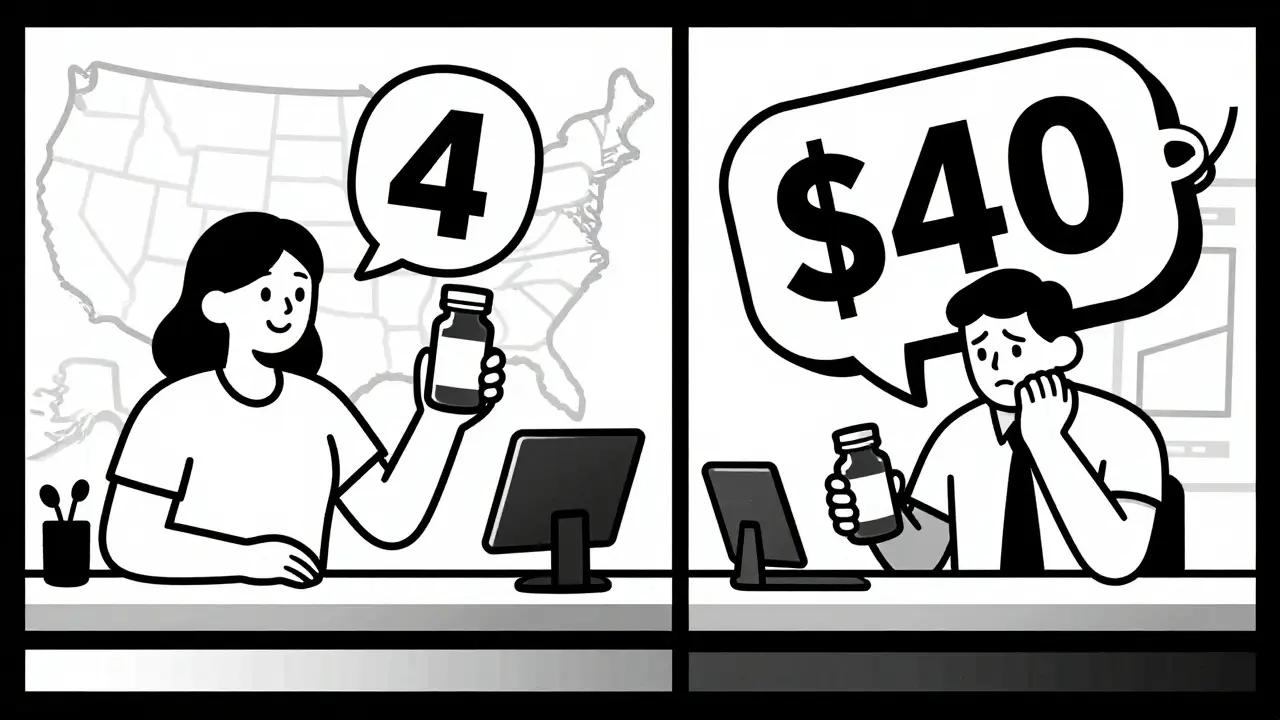
When you pick up a prescription, the price tag often depends less on the medicine itself and more on the laws of the state where your pharmacy sits. You might wonder why one state charges you $4 for a generic statin while another makes you pay $40 for the same pill. The answer lies in generic prescribing incentives, which are state-level policy mechanisms designed to encourage healthcare providers, pharmacists, and patients to choose generic medications over brand-name equivalents through financial and regulatory levers. These aren't just abstract rules; they are active tools that shape what ends up in your pocket and your body.
States have been using these strategies since the Hatch-Waxman Act of 1984 established the modern pathway for approving generic drugs. Today, the goal is simple: reduce skyrocketing prescription costs without sacrificing health outcomes. But how do they actually do it? It’s not just about asking doctors to write different names on prescriptions. It involves a complex web of rebate programs, pharmacist permissions, and patient copay structures.
The Power of Preferred Drug Lists (PDLs)
One of the most common ways states steer you toward generics is through Preferred Drug Lists (PDLs), also known as formulary tiers. Think of a PDL as a menu where the "recommended" items are cheaper because the state has negotiated better deals with manufacturers. If a drug isn’t on the preferred list, you might face higher out-of-pocket costs or need prior authorization from your doctor.
As of July 2019, 46 out of 50 states used PDLs for their Medicaid fee-for-service programs. This isn’t random selection. Most states rely on expert committees to decide what goes on the list. According to data from the Kaiser Family Foundation (KFF):
- Pharmacy and Therapeutics (P&T) Committees: Used by 29 states to evaluate new drugs based on clinical evidence and cost.
- Medicaid Agencies: Directly manage placement in 7 states.
- Drug Utilization Review (DUR) Boards: Handle decisions in 6 states.
These reviews happen regularly. Twenty states check their lists annually, while ten review them quarterly. This constant updating ensures that if a new generic becomes available or a brand-name drug loses its patent protection, the state can shift its incentives quickly to save money.
Pharmacist Substitution Laws: Who Decides?
Even if your doctor prescribes a brand-name drug, you might still leave the pharmacy with a generic. This happens thanks to pharmacist substitution laws. These laws determine whether a pharmacist can swap a brand-name prescription for a generic equivalent without calling the doctor or asking you first.
There are two main types of consent frameworks:
- Explicit Consent: The pharmacist must ask you for permission before substituting. This gives you control but adds time and friction to the process.
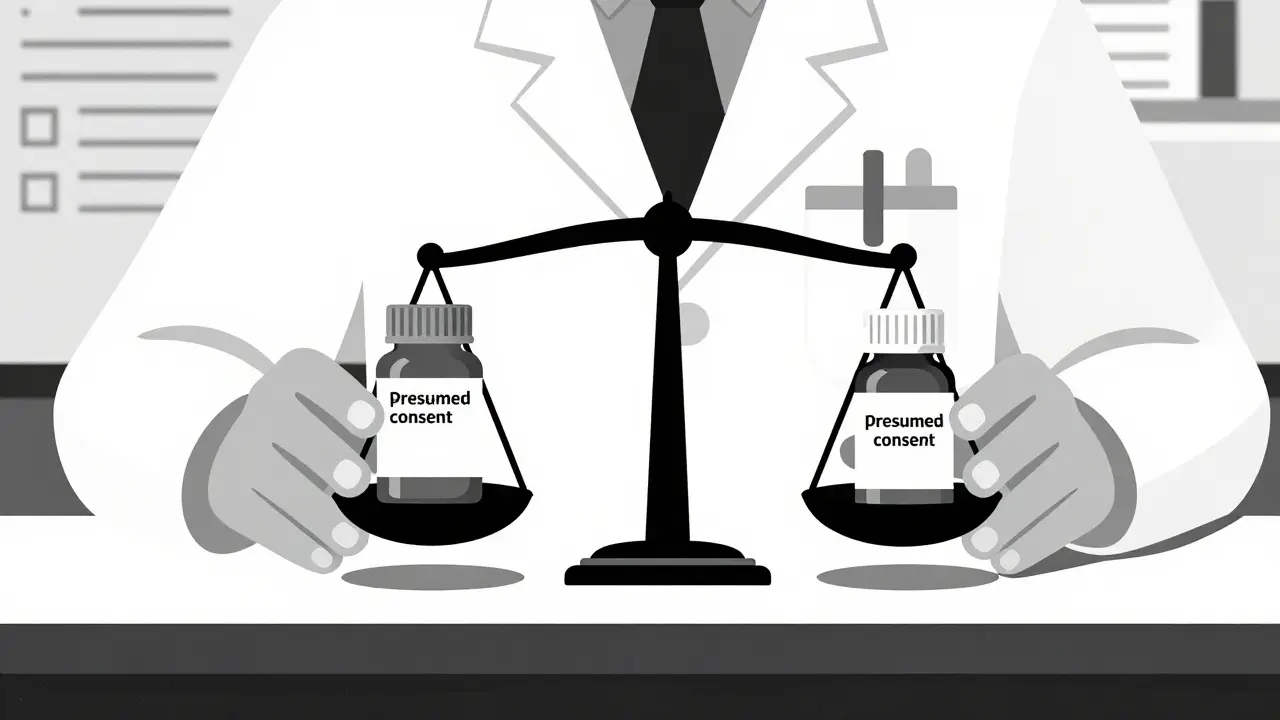
- Presumed Consent: The pharmacist can substitute automatically unless you specifically opt-out. This removes barriers at the counter.
Which approach works better? A 2018 study published in the National Institutes of Health (NIH) journal PMC found that presumed consent laws increase generic dispensing rates by 3.2 percentage points compared to explicit consent states. That might sound small, but across millions of prescriptions, it adds up to massive savings. The researchers estimated that if all 39 states with explicit consent laws switched to presumed consent, annual prescription spending could drop from $297 billion to $246 billion.
Interestingly, mandatory substitution laws-where pharmacists *must* replace brands with generics regardless of patient preference-didn’t show significant additional benefits. Why? Because pharmacists already have a profit incentive to dispense generics due to lower acquisition costs. The real driver is removing the administrative hurdle of asking for permission.
Copayment Differentials: Making Generics Cheaper for You
If you’ve ever noticed that your insurance covers 80% of a generic but only 50% of a brand-name drug, you’re seeing a copayment differential in action. This is a direct financial incentive aimed at consumers. By making the brand-name option significantly more expensive out-of-pocket, states push patients toward cheaper alternatives.
The Department of Health and Human Services (HHS) noted in 2019 that incentives targeting consumers are often more successful than those targeting providers. When you feel the pinch at the register, you’re more likely to ask your doctor, “Is there a generic version?” This shifts behavior faster than educational campaigns or provider guidelines alone.
However, this strategy requires careful balancing. If the gap between generic and brand copays is too wide, some patients may skip doses entirely rather than afford either option. States must ensure that generic prices remain low enough to be truly accessible.
The Role of Rebates and the 340B Program
Behind the scenes, states negotiate hard with drug manufacturers. The Medicaid Drug Rebate Program (MDRP), created by the Omnibus Budget Reconciliation Act of 1990, requires manufacturers to pay back a minimum of 13% of the Average Manufacturer Price (AMP) for generic drugs. For branded drugs, rebates are even higher, often exceeding 23%.
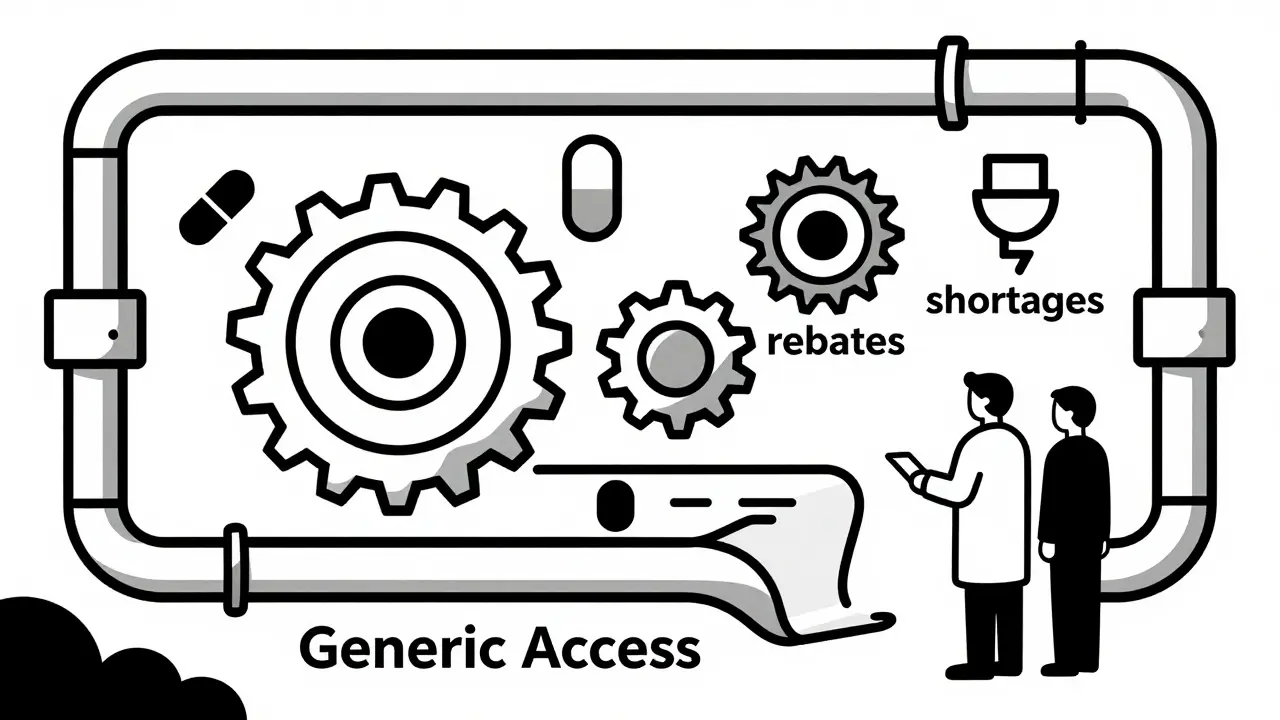
But states don’t stop there. Forty-six states negotiate supplemental rebates beyond the federal minimum. These extra discounts help fund state budgets and allow for lower copays for enrollees. However, this system has a dark side. A 2022 white paper by Avalere Health highlighted five scenarios where generic manufacturers face unexpected inflation rebates despite not raising prices. This can make certain generic products unprofitable in Medicaid markets, leading to shortages or withdrawals.
Another key player is the 340B Drug Pricing Program, launched in 1992. This program allows safety-net hospitals and clinics serving low-income populations to purchase drugs at steep discounts-often 20-50% below wholesale prices. While primarily a federal initiative, states must establish reimbursement policies for these entities within Medicaid. The Centers for Medicare & Medicaid Services (CMS) clarified in 2016 that reimbursements cannot exceed the 340B ceiling price, ensuring that savings flow directly to care providers rather than being captured by middlemen.
| Mechanism | Target Audience | Primary Goal | Effectiveness Indicator |
|---|---|---|---|
| Preferred Drug Lists (PDLs) | Providers & Patients | Steer usage to negotiated forms | High adoption (46/50 states) |
| Presumed Consent Laws | Pharmacists & Patients | Reduce substitution friction | +3.2% generic dispensing rate |
| Copayment Differentials | Patients | Create immediate financial pressure | Higher consumer responsiveness |
| Supplemental Rebates | Manufacturers | Lower net state cost | Risk of market withdrawal |
Challenges and Unintended Consequences
No policy is perfect. While generic incentives save billions, they create tension in the pharmaceutical supply chain. Generic manufacturers operate on thin margins. When states demand aggressive rebates or when inflation adjustments kick in unexpectedly, companies may pull products from the market. Avalere Health warned that this could lead to “less competitive and sustainable markets” over time.
Additionally, the rise of Pharmacy Benefit Managers (PBMs) complicates the picture. PBMs act as intermediaries between insurers, pharmacies, and manufacturers. Some PBMs offer higher dispensing fees for generics, incentivizing pharmacies to stock them. But others capture the savings themselves, meaning patients don’t always see the full benefit of state negotiations.
There’s also the issue of therapeutic equivalence. Not all generics are identical in performance, especially for narrow therapeutic index drugs like warfarin or levothyroxine. While FDA standards ensure bioequivalence, some patients report different side effects when switching brands. States must balance cost savings with patient confidence in generic quality.
Looking Ahead: The Medicare $2 Model
The conversation around generics is expanding beyond state lines. In 2023, CMS announced a Request for Information regarding a Medicare $2 Drug List Model. This proposed federal framework would standardize cost-sharing for low-cost generics, capping copays at $2 for eligible beneficiaries. If successful, this model could serve as a template for states looking to simplify their own programs.
This shift reflects a broader trend: moving from complex, multi-tiered formularies toward transparent, predictable pricing. For patients, this means less confusion at the pharmacy counter. For states, it offers a potential way to streamline administration while maintaining cost controls.
Yet, sustainability remains a concern. As new brand-name drugs launch at high prices, the relative value of generics fluctuates. States must continuously monitor market dynamics, adjust rebate strategies, and engage with stakeholders to prevent shortages. The goal isn’t just to cut costs today-it’s to ensure reliable access to affordable medicines tomorrow.
What is a Preferred Drug List (PDL)?
A Preferred Drug List is a curated catalog of medications that a state’s Medicaid program recommends for use. Drugs on this list typically require lower copayments or no prior authorization, while non-preferred drugs may incur higher costs or additional approval steps. PDLs are updated regularly by Pharmacy and Therapeutics committees to reflect current clinical guidelines and cost-effectiveness data.
How do presumed consent laws affect my prescriptions?
Under presumed consent laws, pharmacists can automatically substitute a generic medication for a brand-name one without asking for your explicit permission each time. This speeds up the dispensing process and increases the likelihood you’ll receive a lower-cost generic. You usually retain the right to opt-out or request a specific brand if medically necessary.
Why do states negotiate supplemental rebates?
Federal law mandates a base rebate from drug manufacturers, but states negotiate additional discounts to further reduce their drug spending. These supplemental rebates help fund state budgets and allow for lower out-of-pocket costs for Medicaid enrollees. However, excessive rebate demands can sometimes lead to generic drug shortages if manufacturers find products unprofitable.
What is the 340B Drug Pricing Program?
The 340B program allows eligible safety-net hospitals and clinics to purchase outpatient drugs at significantly discounted prices-often 20-50% below wholesale costs. This helps these providers stretch limited resources to serve uninsured and low-income patients. States must set reimbursement rates for these entities within Medicaid that do not exceed the 340B ceiling price.
Are all generic drugs exactly the same as brand names?
Generic drugs must meet strict FDA standards for bioequivalence, meaning they deliver the same amount of active ingredient into your bloodstream over the same period as the brand name. However, inactive ingredients (fillers, dyes) may differ, which can occasionally cause variations in side effects or allergic reactions for sensitive individuals. For most patients, generics are therapeutically equivalent and safe substitutes.