

Opioid Hormonal Impact & Symptom Checker
Patient Profile
Enter your details to check for potential signs of opioid-induced endocrinopathy.
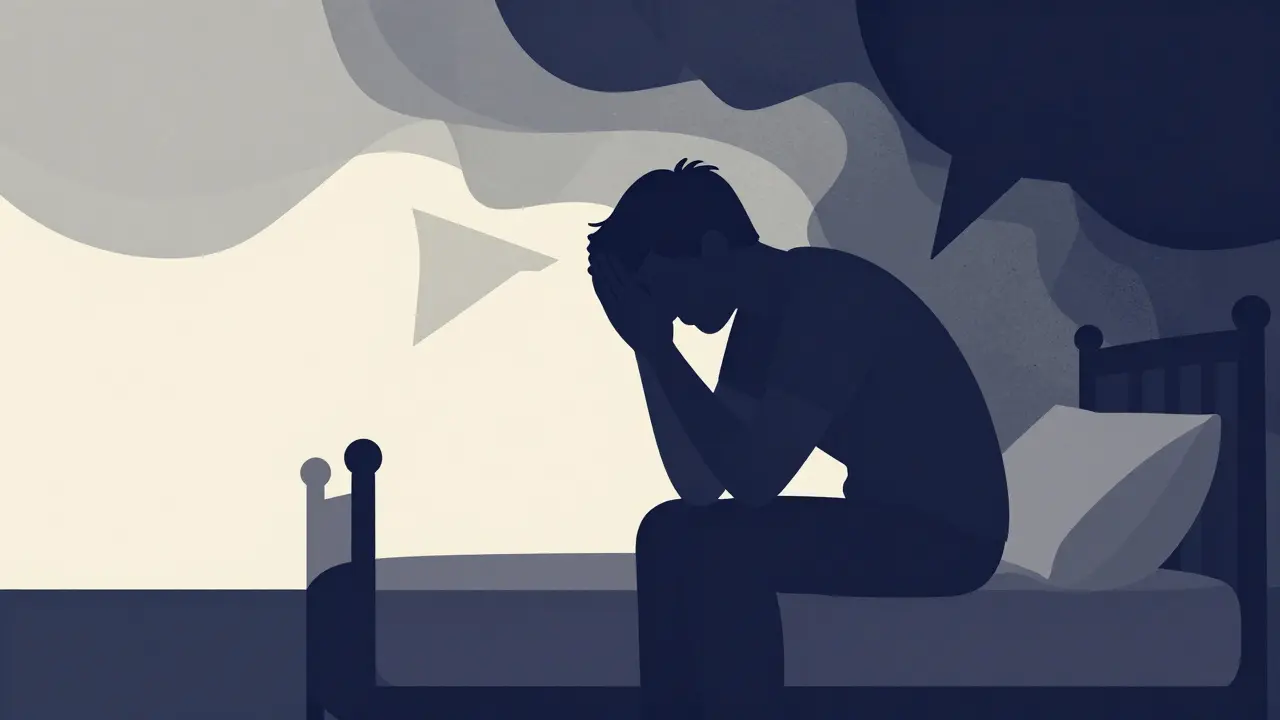
Imagine living with chronic pain for years, finally finding relief with medication, only to discover your body is fighting a different battle. You might feel exhausted, lose interest in intimacy, or notice changes in your energy that have nothing to do with the injury itself. This isn't just 'part of getting older' or a side effect of depression. For many people taking long-term opioids, these symptoms are signs of a hidden hormonal crisis.
Chronic opioid therapy-defined as continuous use for more than 90 days-does far more than dull pain signals. It disrupts the delicate chemical messaging system that controls your sex hormones. Research published in the Journal of Clinical Endocrinology and Metabolism reveals that approximately 63% of men on chronic opioid therapy develop hypogonadism, a condition where the body produces insufficient sex hormones. Women face similar disruptions, with menstrual irregularities affecting up to 87% of premenopausal users. Understanding this connection is crucial because ignoring these hormonal shifts can lead to long-term health issues, including bone loss, muscle wasting, and severe sexual dysfunction.
How Opioids Disrupt Your Hormonal Balance
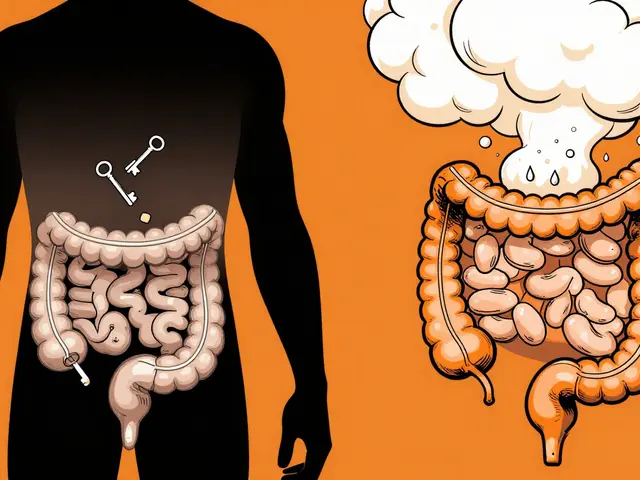
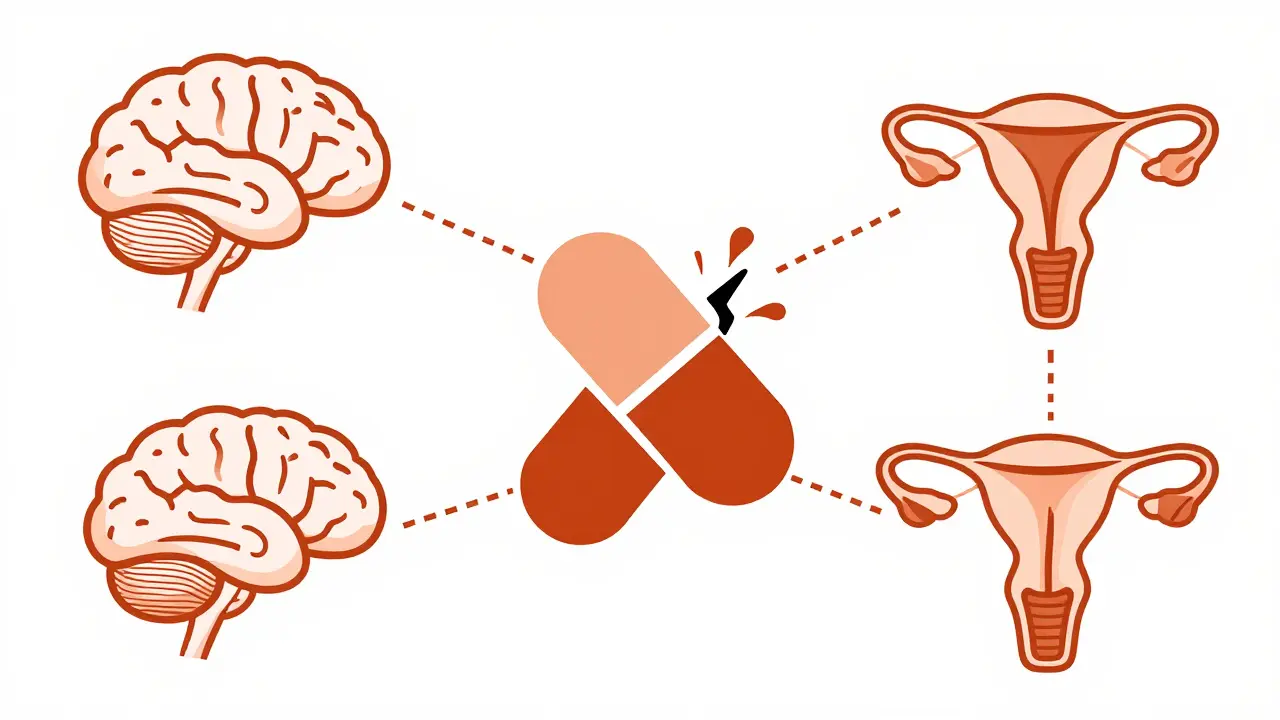
To understand why this happens, we need to look at the hypothalamic-pituitary-gonadal (HPG) axis. Think of this axis as a three-way phone call between your brain and your reproductive organs. The hypothalamus sends a signal to the pituitary gland, which then tells your testes or ovaries to produce hormones like testosterone and estrogen. Opioids jam this line.
Specifically, opioids inhibit the secretion of gonadotropin-releasing hormone (GnRH) from the hypothalamus. Without this initial spark, luteinizing hormone production drops, and testosterone synthesis grinds to a halt. Studies show this suppression can occur at doses as low as 60-120 morphine milligram equivalents (MME) per day. By the time you’ve been on opioids for six months, serum testosterone levels in men often drop by 30-50%. This isn't a minor fluctuation; it’s a systemic shutdown that affects everything from your mood to your libido.
| Gender | Primary Hormone Affected | Common Symptoms | Prevalence Rate |
|---|---|---|---|
| Males | Testosterone | Erectile dysfunction, low libido, fatigue | 63% develop hypogonadism |
| Females | Testosterone & Estradiol | Amenorrhea, irregular menses, decreased libido | 87% experience cycle disorders |
The Real-World Impact on Sexual Health
The clinical data is stark, but the personal stories are even more telling. On patient forums like Reddit’s r/ChronicPain, discussions about sexual side effects are rampant. One user shared that after two years on oxycodone, his testosterone dropped to 180 ng/dL-a level significantly below the healthy range. He didn’t seek help until he noticed erectile dysfunction, and even then, his doctor initially dismissed it as stress.
This dismissal is common. A survey on PainCircle.com found that 67% of female respondents reported their doctors attributed their symptoms to 'normal aging' or 'depression' rather than considering opioid-induced endocrinopathy. For women, the impact includes amenorrhea (absence of periods) in 19-67% of cases and irregular menstruation in another 33-50%. These aren't just inconveniences; they signal a deeper metabolic imbalance that can affect bone density and cardiovascular health over time.
Men face a similar reality. Decreased libido and erectile dysfunction are reported by nearly 90% of male patients in community surveys within six months of starting treatment. The irony is painful: the very medication meant to improve quality of life by reducing pain ends up stripping away another fundamental aspect of well-being. Recognizing these symptoms early allows for intervention before long-term damage occurs.
Opioids vs. Alternative Pain Management
If opioids carry such heavy hormonal costs, what are the alternatives? The short answer is that non-opioid options generally spare your endocrine system. A 2022 analysis in the Pain Medicine Journal compared opioids to gabapentinoids (like pregabalin). While gabapentinoids affected testosterone levels in only 12% of male patients, opioids impacted 63%. Non-steroidal anti-inflammatory drugs (NSAIDs) showed minimal endocrine effects at standard doses.
However, switching isn't always simple. For severe conditions like advanced cancer or acute post-surgical pain, opioids remain clinically necessary. The American Pain Society’s 2019 guidelines recommend against using opioids as a first-line treatment for chronic non-cancer pain precisely because of these systemic side effects. Instead, they advocate for multimodal approaches combining physical therapy, cognitive behavioral therapy, and certain antidepressants. These methods address the root causes of pain without suppressing the HPG axis.
Consider the trade-off. If your pain is manageable with non-opioid strategies, preserving your hormonal health may be worth prioritizing. But if opioids are essential, the goal shifts to mitigation. This means working closely with your healthcare provider to monitor hormone levels and adjust treatment plans proactively rather than reactively.
Clinical Interventions and Treatment Options
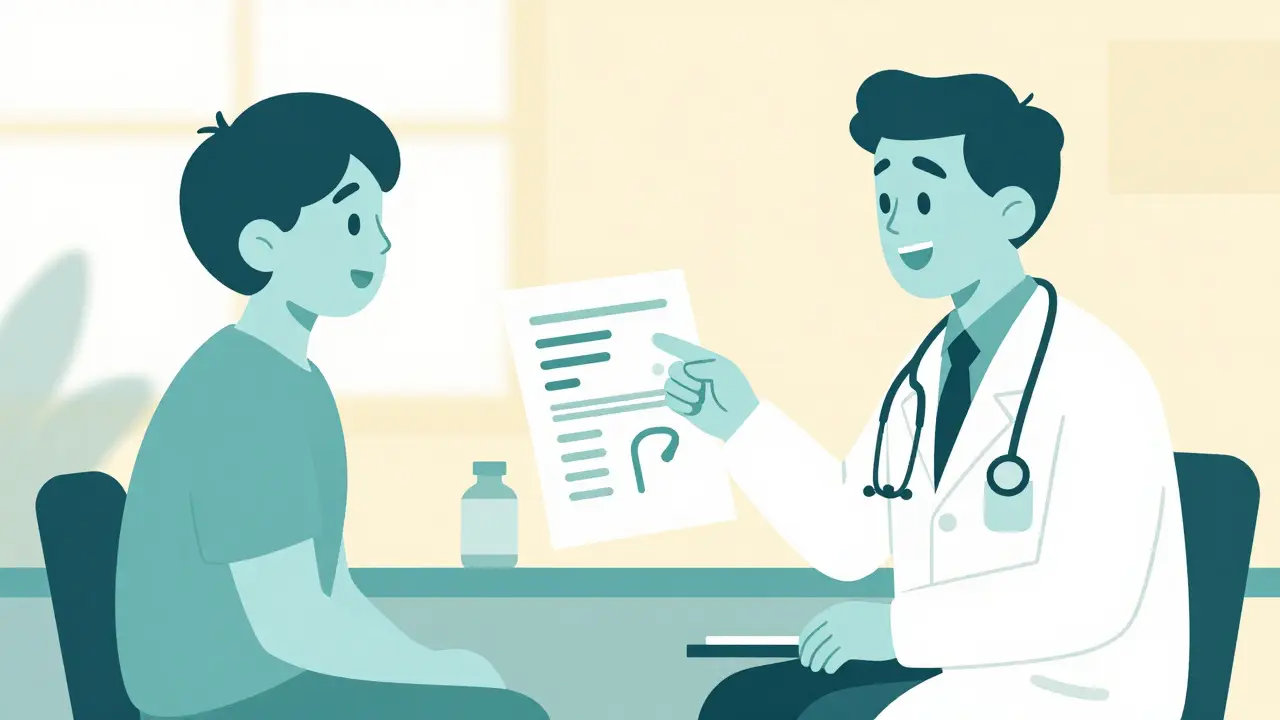
So, what can you do if you’re already experiencing these effects? The Endocrine Society recommends baseline testosterone testing before initiating chronic opioid therapy, with follow-up tests every six months. For men diagnosed with opioid-induced hypogonadism, testosterone replacement therapy (TRT) is the primary intervention. Studies show TRT improves sexual function in 70-85% of patients when levels are restored to normal ranges.
For women, treatment is less standardized due to research gaps. Some clinicians use off-label testosterone patches (1-2 mg daily), reporting 50-60% improvement in libido in small studies. Erectile dysfunction in men can also be managed with phosphodiesterase-5 inhibitors like sildenafil or tadalafil, which show 60-70% efficacy rates. However, these medications require careful monitoring for interactions with other drugs.
A newer approach involves adjusting the opioid regimen itself. Recent findings from Cleveland Clinic suggest that combining low-dose naltrexone with reduced opioid dosing can maintain pain control while improving testosterone levels by 25-35% in most patients. Additionally, the FDA approved buprenorphine buccal film in 2023, which demonstrates 40% lower rates of endocrine disruption compared to traditional full agonist opioids. Discussing these options with your prescriber could open doors to safer, more sustainable pain management.
Navigating the Conversation with Your Doctor
One of the biggest barriers to treatment is silence. Many patients feel embarrassed discussing sexual dysfunction, assuming it’s an inevitable part of chronic illness. Dr. Bolash of Cleveland Clinic emphasizes that physicians must take the lead in asking about these 'taboo' topics. You deserve comprehensive care that addresses both your pain and your hormonal health.
Prepare for your next appointment by tracking your symptoms. Note any changes in energy, mood, menstrual cycles, or sexual function. Bring this log to your doctor and explicitly ask, "Could my current medication be affecting my hormone levels?" Requesting specific blood work for testosterone, luteinizing hormone, and follicle-stimulating hormone can provide concrete data. Remember, addressing opioid-induced endocrinopathy isn't just about sexual health; it's about maintaining overall vitality and preventing secondary complications like osteoporosis and muscle atrophy.
Can opioid-induced hypogonadism be reversed?
In many cases, yes. Reducing the opioid dose, switching to a medication with lower endocrine impact (like buprenorphine), or undergoing testosterone replacement therapy can restore hormone levels. However, recovery timelines vary, and some patients may require long-term management depending on the duration of prior suppression.
What are the signs of low testosterone caused by opioids?
Common signs include persistent fatigue, decreased muscle mass, increased body fat, low libido, erectile dysfunction, mood swings, and difficulty concentrating. In women, symptoms may manifest as irregular periods, vaginal dryness, and reduced sexual desire.
Are there non-opioid alternatives that don't affect hormones?
Yes. NSAIDs, acetaminophen, and certain antidepressants (like duloxetine) have minimal impact on the HPG axis. Gabapentinoids affect hormones in a smaller percentage of patients compared to opioids. Physical therapy and cognitive behavioral therapy are also effective non-pharmacological options with no hormonal side effects.
Should I stop taking opioids if I suspect hormonal issues?
Never stop abruptly without medical supervision. Withdrawal can be severe and dangerous. Instead, consult your doctor to discuss tapering strategies, switching medications, or adding hormone replacement therapy. A collaborative approach ensures pain remains controlled while addressing endocrine health.
How often should I get my hormone levels checked?
The Endocrine Society recommends baseline testing before starting chronic opioid therapy, followed by checks every six months for men. Women should monitor menstrual patterns regularly. If symptoms arise, immediate testing is advised regardless of the schedule.