


Every year, more than 70,000 people in the United States die from drug overdoses. Most of these deaths are preventable. The problem isn’t just about willpower or choice-it’s about access, education, and systems that fail people when they need help the most. If someone you care about has a substance use disorder, knowing how to prevent an overdose isn’t just helpful-it’s life-saving.
Know What’s in the Drugs Now
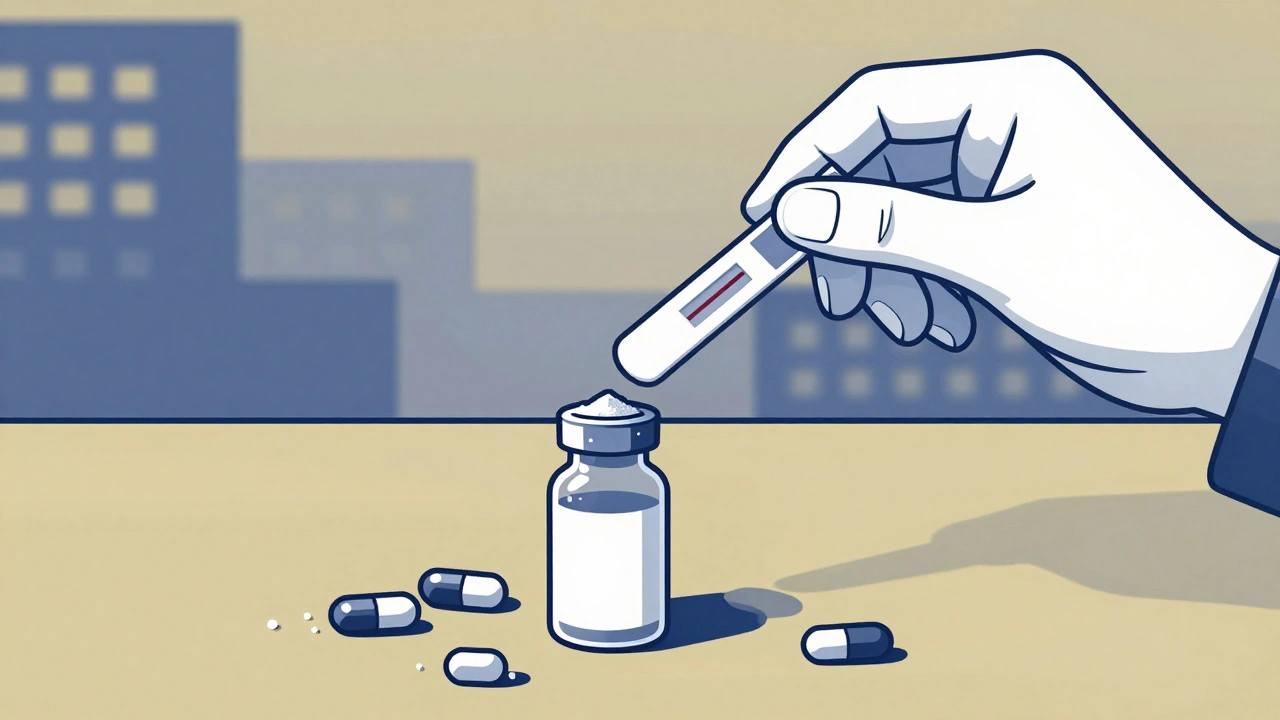
The biggest killer today isn’t heroin or prescription painkillers. It’s fentanyl. This synthetic opioid is 50 to 100 times stronger than morphine. A dose as small as two grains of salt can kill. And it’s not just in pills that look like oxycodone-it’s mixed into cocaine, methamphetamine, and even fake Xanax. Most people don’t know they’re taking it. That’s where fentanyl test strips come in. These small paper strips, costing less than a dollar each, can detect fentanyl in powder, pills, or liquids. You just mix a tiny amount of the substance with water, dip the strip, and wait a few minutes. A single line means fentanyl is present. Two lines mean it’s not. The CDC says these strips can detect fentanyl at levels as low as 0.25 nanograms. That’s enough to catch even trace amounts. People using them report cutting back, using less, or avoiding use altogether when they test positive. They’re not a cure-but they give people real-time information to make safer choices.Carry Naloxone. Always.
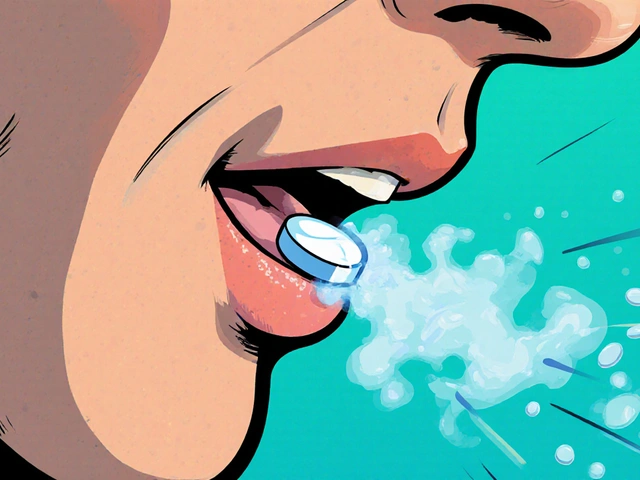
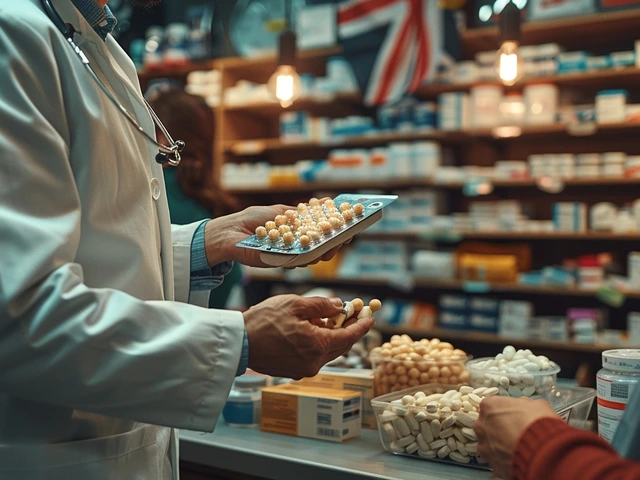
Naloxone is the only medication that can reverse an opioid overdose. It works by kicking opioids off brain receptors and restoring breathing. It doesn’t work on cocaine, meth, or xylazine-but it works on fentanyl, heroin, and prescription opioids. You don’t need a prescription to get it anymore. In the U.S., Narcan (naloxone nasal spray) is available over-the-counter at pharmacies like CVS, Walgreens, and Walmart. It’s easy to use: just spray one dose into one nostril while the person is lying on their back. No training is required, and 96% of people who’ve been shown how to use it can do it correctly. Keep it with you. Keep it in your car. Keep it in your bag. Keep it in your partner’s pocket. If someone overdoses, time is everything. Every minute without oxygen can cause brain damage. Naloxone can bring someone back in under five minutes. And here’s the truth: you don’t have to be a medical professional to save a life. A friend, a sibling, a stranger on the street-anyone can use it. The Johns Hopkins study found that 95% of people remembered how to use naloxone six months after training. That’s not luck. That’s design.Medication-Assisted Treatment Works Better Than Anything Else
The most effective way to prevent overdose isn’t just reacting to it-it’s stopping it before it happens. That’s where medication-assisted treatment (MAT) comes in. MAT uses FDA-approved medications-methadone, buprenorphine, and naltrexone-to help people manage opioid use disorder. These aren’t replacements. They’re treatments. Methadone and buprenorphine reduce cravings and withdrawal. Naltrexone blocks opioids from working at all. The World Health Organization says people on MAT are 50% less likely to die from an overdose. A CDC study found communities with strong MAT programs had 14% fewer opioid deaths. Yet only 18% of U.S. counties have access to all three medications. In rural areas, 60% have no MAT provider at all. If someone is ready to get help, getting them on buprenorphine or methadone isn’t a last resort-it’s the first step. And it’s not just for heroin. It works for people addicted to prescription pills, fentanyl, or even those who use multiple drugs.Never Use Alone
Most overdoses happen alone. People hide their use out of shame. They don’t want to be judged. But isolation is deadly. The “Never Use Alone” hotline (1-800-477-1805) lets people call before using. A trained operator stays on the line while they use. If they stop responding, the operator calls 911 and sends help. In 2023, they received about 12,000 calls a month. Many of those calls prevented deaths. You don’t need to be a hero. Just ask: “Are you using alone?” If the answer is yes, help them call the line. Or stay with them until they’re done. Even if you don’t use drugs yourself, your presence can be the difference between life and death.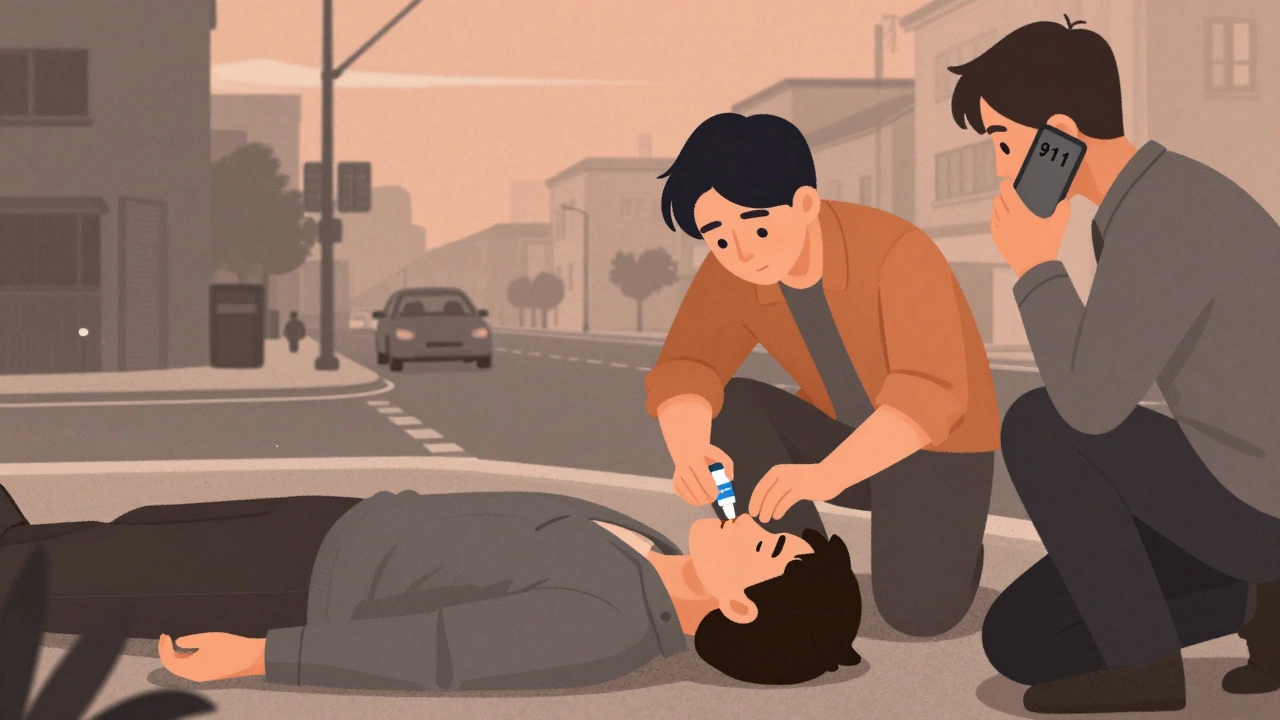
Build a Safety Plan
A safety plan isn’t a one-time thing. It’s a living document. It answers: What will you do if things go wrong? The New York State Department of Health created a simple template: list trusted contacts, keep naloxone nearby, know your tolerance (it drops after a break), avoid mixing drugs, and have a plan for what to do if you overdose. People who use safety plans have 28% fewer overdose events. Why? Because they’ve thought through the worst-case scenario. They’ve made decisions before crisis hits. You can write one on a napkin. Or type it into your phone. Include: who to call, where naloxone is, what drugs you use, and your emergency contacts. Share it with someone you trust.Know the New Threats
Fentanyl isn’t the only danger anymore. Xylazine-also called “tranq”-is showing up in more and more drug supplies. It’s a veterinary sedative. It doesn’t respond to naloxone. It causes severe skin wounds, slow breathing, and long comas. The DEA found it in 23% of fentanyl powder and 7% of fentanyl pills seized in 2022. If someone overdoses and naloxone doesn’t work, xylazine might be the reason. There’s no antidote yet. So the best defense is awareness. If someone is unresponsive after naloxone, call 911 anyway. Tell responders they may have taken xylazine. And if you’re using drugs, assume they’re mixed with something you can’t see.Help After Release from Jail or Prison
People leaving incarceration face the highest overdose risk of any group. Their tolerance drops fast. If they go back to using the same amount they did before jail, they die. Studies show they’re 120 times more likely to overdose in the first two weeks after release. That’s not a statistic-it’s a crisis. The CDC’s 2023-2027 plan says we must expand MAT in jails and prisons. Start buprenorphine before release. Give naloxone on the way out. Connect them to care within 24 hours. If you know someone being released, help them get on treatment before they walk out. Don’t wait. Don’t assume they’ll “get it together.” Their body has changed. Their risk is extreme.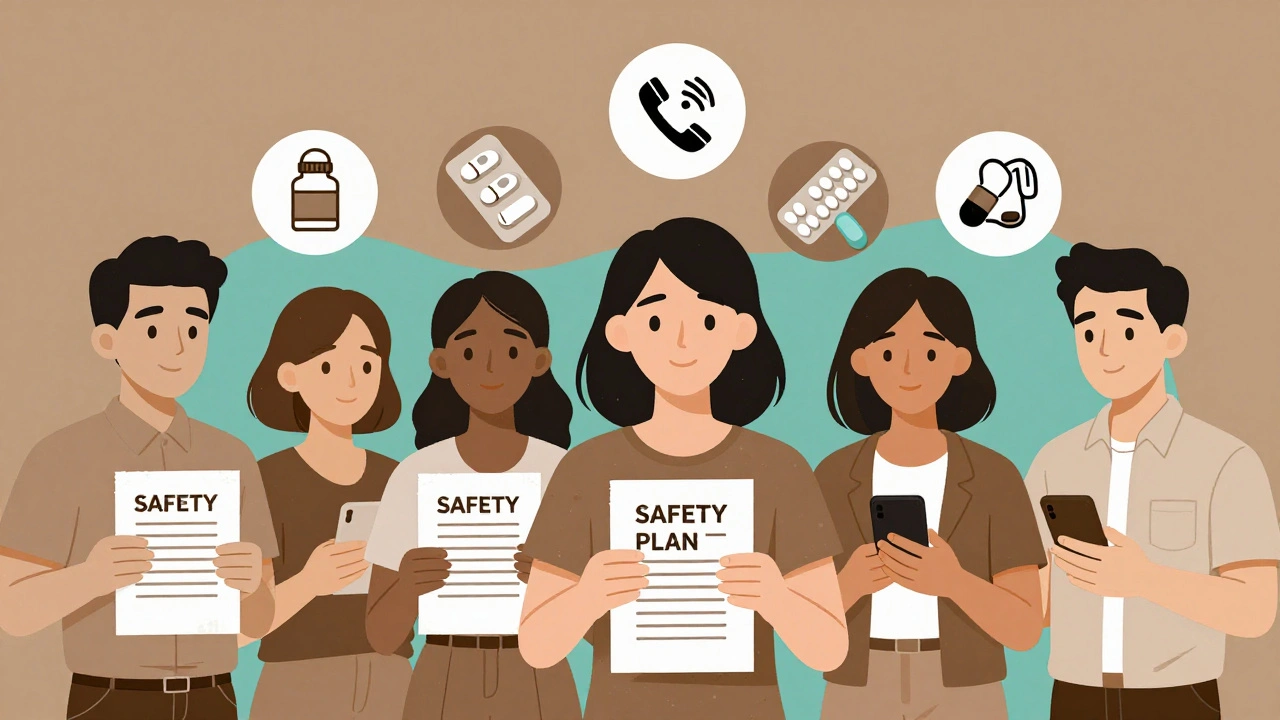
What Doesn’t Work
Abstinence-only programs don’t prevent overdoses. Neither do scare tactics. “Just say no” doesn’t work when someone’s brain is wired for addiction. Stigma kills. People avoid treatment because they’re afraid of being judged. They hide their drug use. They don’t carry naloxone because they’re ashamed. The truth? Addiction is a medical condition. Like diabetes or hypertension, it needs ongoing care. You wouldn’t shame someone for needing insulin. Don’t shame someone for needing buprenorphine.Where to Get Help
You don’t have to figure this out alone. - Naloxone: Available at pharmacies without a prescription. Ask for Narcan or Kloxxado. - Fentanyl test strips: Order free ones from harm reduction organizations like DanceSafe or the North American Syringe Exchange Network. - Medication-Assisted Treatment: Call SAMHSA’s helpline at 1-800-662-HELP (4357) to find providers near you. - Never Use Alone: Call 1-800-477-1805 or text “HELP” to 741741. - Safety plans: Download free templates from the New York State Department of Health website.What You Can Do Today
- Carry naloxone. Even if you don’t use drugs. - Ask someone if they’ve tested their drugs. - Learn how to use naloxone. It takes 20 minutes. - Don’t assume someone’s “just using too much.” They might not know what’s in it. - Support policies that fund harm reduction and MAT. These programs save lives at a fraction of the cost of emergency care. Overdose isn’t inevitable. It’s a failure of systems-not of people. With the right tools, knowledge, and compassion, we can stop it. One life at a time.
14 Comments

Iris Carmen
December 8, 2025 AT 21:41
just saw this and immediately texted my buddy who’s been clean 6 months but still carries narcan… he said he’s had it in his wallet since 2021 and once saved a dude at a party no one even knew was overdosing

Shubham Mathur
December 10, 2025 AT 10:51
why is everyone acting like this is news fentanyl test strips have been around since 2016 and naloxone is literally in every first aid kit in canada and europe why are we still having this conversation

Ryan Brady
December 11, 2025 AT 14:42
lol so now we’re giving out free strips and nasal spray like candy and calling it public health? next they’ll hand out methadone at the DMV
this is what happens when you treat addiction like a bus pass instead of a moral failure
my cousin OD’d and they gave him a pamphlet and a hug
he died 3 months later
we need jail time for dealers not more bandaids
:(

Ronald Ezamaru
December 13, 2025 AT 06:39
the most important part of this post is that overdose deaths are preventable - not inevitable, not a consequence of weakness, not karma
fentanyl test strips cost less than a coffee and can literally be the difference between life and death
naloxone is safe, easy, and works on 90% of overdoses
medication-assisted treatment isn’t replacing one drug with another - it’s stabilizing a brain that’s been hijacked
and never using alone? that’s not a suggestion - it’s a survival tactic
we’re not failing because people are weak
we’re failing because we’re too scared to talk about this like the public health crisis it is
if you’re reading this and you know someone struggling - hand them a test strip
or just say ‘hey i got your back’
those two things save lives

Raja Herbal
December 13, 2025 AT 20:40
oh wow so we’re pretending xylazine is some new scary monster when it’s just another drug that got mixed in because capitalism doesn’t care if you live or die
and yes i know naloxone doesn’t work on it
but neither does your moral outrage
try helping instead of judging

Stacy Tolbert
December 13, 2025 AT 21:06
i lost my brother to this
he was 24
he had a job
he loved dogs
he didn’t deserve to die alone in a bathroom with a bag of powder he didn’t know was laced
they gave him a pamphlet after his first rehab stay
no one asked if he had naloxone
no one asked if he’d tested his stuff
no one asked if he was using alone
i carry narcan now
i carry test strips
i ask everyone i know
because if i had asked him
maybe he’d still be here

Brianna Black
December 14, 2025 AT 06:58
as someone who works in harm reduction in rural ohio - i can tell you that the biggest barrier isn’t stigma
it’s logistics
people don’t have cars to get to pharmacies
they don’t have internet to order test strips
they don’t have phones to call 911
we hand out naloxone at food pantries now
we leave test strips in library bathrooms
we train baristas to recognize overdose signs
we don’t wait for people to ‘hit rock bottom’
we meet them where they are
and yes - it works
last month we reversed 11 overdoses
all with $2 strips and $40 nasal spray
that’s cheaper than a single ER visit

Christian Landry
December 14, 2025 AT 21:09
my cousin got outta prison last year
they gave him a bus ticket and a bottle of ibuprofen
he used the same dose he used before jail
he died 11 days later
they didn’t even tell him his tolerance dropped
why is this still not standard?
why aren’t they giving out narcan and buprenorphine at the gate?
we lock people up
then let them walk into a death trap
and call it justice
:(

Katherine Rodgers
December 15, 2025 AT 21:53
so let me get this straight
we’re gonna hand out narcan like it’s mints
but we won’t fix the mental health system
we’re gonna test for fentanyl
but not regulate the supply chain
we’re gonna say ‘never use alone’
but not fund safe consumption sites
we’re treating symptoms while the whole damn hospital is on fire
and calling it compassion
lol

Taya Rtichsheva
December 17, 2025 AT 21:27
just got my free test strips in the mail
they came in a little envelope with a sticker that said ‘you matter’
i cried
no one’s ever told me that before
and now i’m gonna test everything
and carry narcan
and tell my friends to do the same
thank you for writing this
❤️

Rich Paul
December 19, 2025 AT 03:09
yo the real issue here is that the feds classify this as a ‘drug problem’ instead of a ‘toxic supply problem’
fentanyl isn’t the villain
the black market is
if we regulated the supply like we do alcohol
no one would be dying from unknowingly snorting death
we’ve got a pharma cartel that makes billions off painkillers
and now a criminal cartel that makes billions off fentanyl
and we’re giving out test strips like they’re bandaids on a bullet wound
we need decriminalization
we need safe supply
we need to stop pretending this is about ‘choices’
it’s about economics and power

Guylaine Lapointe
December 19, 2025 AT 05:42
so now we’re rewarding drug use with free medical supplies?
what’s next? free IV drips at the bus stop?
you don’t solve addiction by making it easier
you solve it by making it harder
and by teaching people responsibility
not by handing out narcan like it’s candy at a parade
and if you think MAT is ‘treatment’ you’ve never met someone who’s been on methadone for 15 years
that’s not recovery
that’s institutionalized dependency
we need more jail time and less pity

Evelyn Pastrana
December 20, 2025 AT 21:42
my mom used to say ‘love is showing up’
so i show up
i text my cousin before he uses
i keep naloxone in my glovebox
i don’t judge when he says he’s scared
i don’t say ‘just quit’
i say ‘i’m here’
and sometimes that’s all it takes
because the real cure isn’t a pill
it’s someone who refuses to look away
Ronald Ezamaru
December 22, 2025 AT 21:08
to the person who said ‘jail time fixes this’ - your cousin died because the system failed him, not because he was weak
you don’t fix a broken heart with a prison sentence
you fix it with connection
with access
with compassion
and yes - with naloxone
Write a comment