



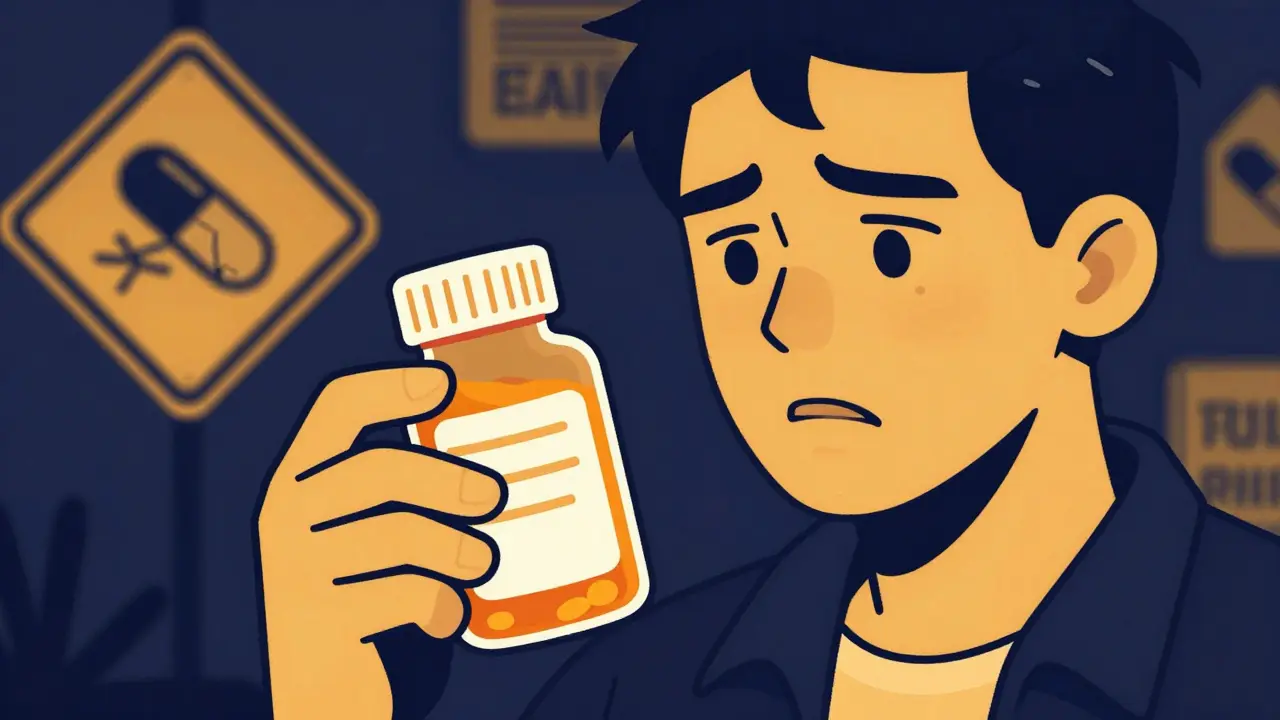
Imagine popping a pill you’ve taken for years, only to feel nothing-or worse, something entirely different. You check the bottle, and it looks right. The label matches. But deep down, something feels off. This isn’t paranoia; it’s a growing reality for millions of people worldwide. Counterfeit medications are deliberately and fraudulently mislabeled products designed to imitate authentic medicines, often containing incorrect ingredients, wrong dosages, or even toxic substances like rat poison or paint thinner.
The World Health Organization estimates that one in ten medical products in low- and middle-income countries is substandard or falsified. In developed nations, the threat has shifted online, where unregulated digital pharmacies operate with impunity. If you suspect your medication is fake or tampered with, silence helps no one. Reporting these products is the fastest way to protect yourself, your family, and your community from harm. Here is exactly how to do it, what evidence you need, and why your report matters more than you think.
Spotting the Red Flags: Is Your Medicine Fake?
Before you can report a problem, you need to identify it. Counterfeiters are getting smarter, but they still make mistakes. Look for these specific signs:
- Packaging discrepancies: Check for spelling errors, blurry logos, or mismatched fonts on the box or bottle. Authentic manufacturers use high-quality printing that doesn’t smudge easily.
- Physical appearance: Pills that are discolored, cracked, or have a strange odor are major warning signs. If a tablet usually tastes bitter but now tastes sweet, stop taking it immediately.
- Tamper-evident seals: Most modern medications come with a plastic wrap or seal around the cap. If this is broken, missing, or looks resealed, do not consume the product.
- Therapeutic failure: If a medication that used to work effectively suddenly stops working, it may contain little to no active ingredient. This is common with counterfeit insulin, antibiotics, and painkillers.
- Suspicious source: Did you buy it from an online pharmacy that didn’t require a prescription? Or from a peer-to-peer marketplace? These are high-risk channels. The National Association of Boards of Pharmacy found that 96% of online pharmacies reviewed in 2022 were non-compliant with professional standards.
If any of these apply, treat the product as suspect. Do not flush it down the toilet yet-you will need it as evidence.
Immediate Steps: Preserve Evidence Before Reporting
Your ability to help authorities depends on what you keep. Once you suspect a drug is counterfeit, follow this protocol:
- Stop using the medication immediately. Switch to a backup supply if you have one, or contact your doctor for an alternative treatment plan.
- Do not handle the pills unnecessarily. Touching them can destroy fingerprints or DNA evidence that investigators might need.
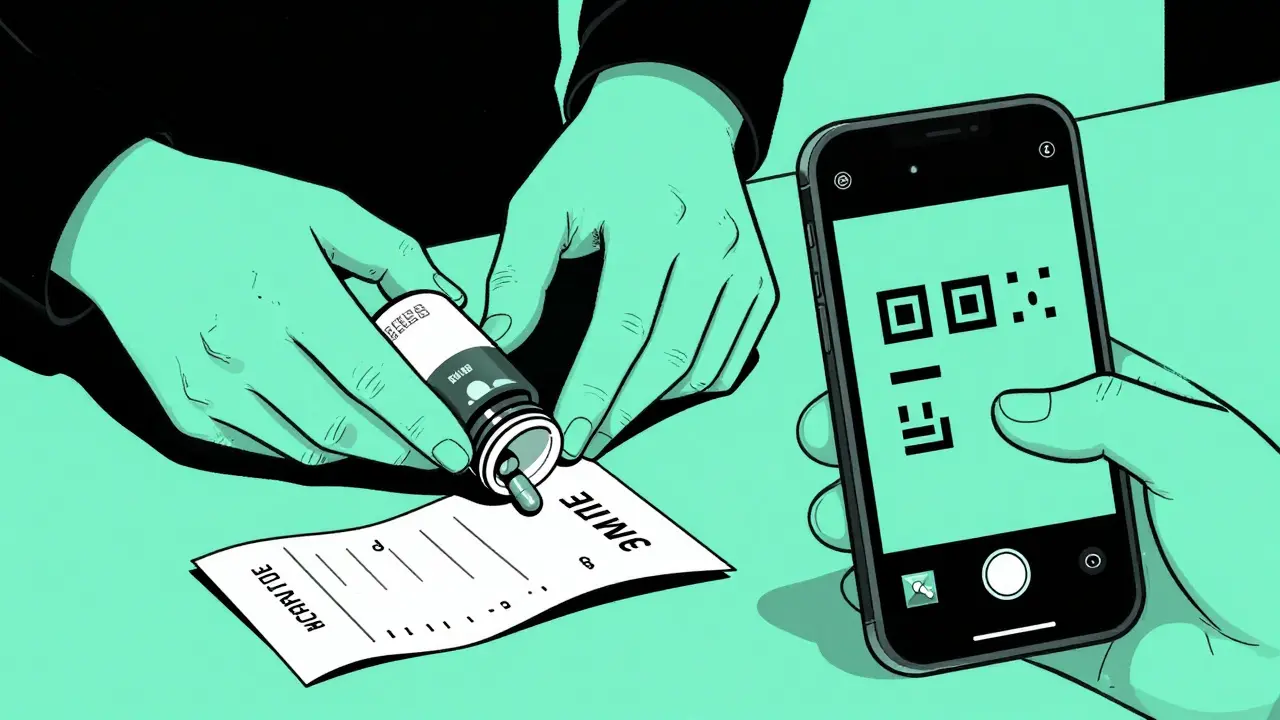
- Save everything. Keep the original packaging, the bottle, the receipt, and any email confirmations from the seller. If you bought it online, take screenshots of the website, the product page, and the transaction history.
- Take clear photos. Use good lighting to capture close-ups of the pill, the batch number (lot number), the expiration date, and any unique markings on the packaging. High-resolution images increase investigation success rates by nearly 70%, according to experts at Oxford University.
- Note the details. Write down where you bought it, who sold it, the price, and when you received it. Include the name of the prescriber if applicable.
This preparation turns a vague suspicion into actionable intelligence. Without this data, regulators struggle to trace the source of the counterfeit goods.
Reporting in the United States: FDA MedWatch and DEA
In the U.S., two primary agencies handle these reports. For most consumers and healthcare professionals, the FDA MedWatch program is the central reporting system for adverse events, product quality problems, and suspected counterfeit drugs.
You can file a report online using Form 3500A (for consumers) or Form 3500 (for health professionals). The process takes about 12-15 minutes. Alternatively, you can call 1-800-FDA-1088. When filing, include all the evidence you preserved: photos, batch numbers, and purchase details. The FDA uses this data to issue recalls and shut down bad actors. Between 2015 and 2022, timely reports through MedWatch helped remove over 2,300 counterfeit products from the market.
If the medication involves controlled substances-such as opioids, stimulants like Adderall, or benzodiazepines-the Drug Enforcement Administration (DEA) also wants to know. They operate the RxAbuse Tip Line, which allows anonymous reporting via phone at (571) 324-6499 or through their online portal. This line is particularly effective for identifying diversion networks and illegal street sales. Reports submitted within 24 hours lead to product removal 4.2 times faster than those delayed beyond three days, so speed matters.
International Reporting: Canada, UK, and Global Systems
If you live outside the U.S., similar systems exist. In Canada, pharmacists are required to report suspicious prescriptions to provincial bodies like the Ontario Drug Benefit program. For controlled substances, theft or loss must be reported to Health Canada’s Office of Controlled Substances within 10 days. Consumers can report adverse reactions or quality issues through the Canada Vigilance Program.
In the United Kingdom, the Medicines and Healthcare products Regulatory Agency (MHRA) operates the Yellow Card Scheme. While primarily for side effects, it also accepts reports of suspected falsified medicines. Globally, the World Health Organization runs the Global Surveillance and Monitoring System, which tracks cases across 141 countries. Additionally, the International Pharmaceutical Federation maintains the FIP Safety Net, allowing patients and providers to report unsafe products directly.
Pharmaceutical manufacturers also offer direct reporting channels. Companies like Novo Nordisk and Eli Lilly encourage patients to report suspected counterfeits directly to them, as they have legal authority to investigate their own supply chains. Always check the manufacturer’s website for a “Report Counterfeit” link.
The Role of Online Marketplaces and Social Media
A significant portion of counterfeit drugs now flows through e-commerce platforms. Amazon, eBay, and social media marketplaces have become hunting grounds for fraudsters. If you purchased a medication through one of these sites, use their internal reporting tools first. Amazon’s anti-counterfeiting team processed nearly 8,000 pharmaceutical-related reports in 2022 alone. Reporting here triggers platform-level bans on sellers, which can stop distribution faster than government action.
However, do not rely solely on the marketplace. Simultaneously report to the relevant regulatory body (FDA, MHRA, etc.). Marketplace reports protect other buyers on that site; regulatory reports trigger broader investigations into the supply chain and potential criminal charges.
Why Your Report Matters: Impact and Follow-Up
It is easy to feel powerless after submitting a report, especially if you don’t hear back. The FDA’s user surveys show that while 82% of healthcare professionals are satisfied with MedWatch, only 56% of consumers are, largely due to lack of communication. However, your silence does not mean inaction. Regulators aggregate data from thousands of reports to identify patterns. A single report might seem small, but when combined with others, it reveals a network.
For example, a pharmacist’s report of counterfeit insulin led to an FDA investigation that identified 142 affected lots within 11 days. That one action prevented hundreds of people from receiving ineffective treatment. By reporting, you contribute to early warning systems that save lives. You also help law enforcement build cases against organized crime groups profiting from public health crises.
| Channel | Best For | Response Time Expectation | Anonymity |
|---|---|---|---|
| FDA MedWatch | All medications, general public | Variable, no direct feedback guaranteed | Optional |
| DEA RxAbuse Tip Line | Controlled substances, street sales | Investigation-led, varies by case | Yes, fully anonymous |
| Online Marketplace Support | Products bought on Amazon/eBay | Fast seller suspension (days) | Yes |
| Manufacturer Direct | Brand-specific issues | Varies by company policy | Optional |
Common Mistakes to Avoid When Reporting
To ensure your report leads to action, avoid these pitfalls:
- Discarding the product: Never throw away the pills or packaging before reporting. Investigators need physical samples to test for chemical composition.
- Vague descriptions: Saying “the pill looks weird” is not enough. Provide specific details: color, shape, imprint codes, and batch numbers.
- Delaying the report: The longer you wait, the more people may be exposed. Report within 24 hours if possible.
- Ignoring online purchases: Even if you bought from a seemingly reputable site, verify its legitimacy through the Verified Internet Pharmacy Practice Sites (VIPPS) seal or local equivalents.
Remember, you are not accusing anyone without proof. You are flagging a potential risk. Authorities are trained to evaluate evidence objectively. Your role is to provide the data; theirs is to act on it.
What should I do if I already took a counterfeit medication?
Stop taking the medication immediately. Contact your healthcare provider or poison control center if you experience unusual symptoms. Save the remaining product and packaging for reporting. Seek medical attention if you feel ill, as counterfeit drugs may contain harmful substances like heavy metals or incorrect dosages of active ingredients.
Can I report anonymously?
Yes. Both the FDA MedWatch program and the DEA RxAbuse Tip Line allow anonymous reporting. You do not need to provide your name or contact information, though providing them can help investigators follow up if they need more details. Anonymity protects you from potential retaliation, especially if you suspect local involvement.
How long does it take for authorities to respond?
There is no standard response time for individual reports. Regulators aggregate data to identify trends, so you may not receive personal feedback. However, urgent cases involving widespread harm are prioritized. The FDA aims to review reports promptly, but complex investigations can take weeks or months. Your report contributes to the larger dataset used for recalls and enforcement actions.
Is it illegal to buy medication from overseas websites?
In many countries, including the U.S., importing prescription drugs from foreign websites is illegal unless approved by regulatory authorities. These sites often bypass safety checks, increasing the risk of counterfeit or substandard products. Even if the medication is genuine, it may not meet local quality standards. Always purchase from licensed pharmacies within your country.
What information is most critical in a report?
The most critical elements are the batch/lot number, expiration date, high-resolution photos of the product and packaging, and the source of purchase. Batch numbers allow regulators to trace the manufacturing origin and identify other affected units. Photos help verify visual discrepancies. Purchase records establish the supply chain path, enabling targeted interventions.