



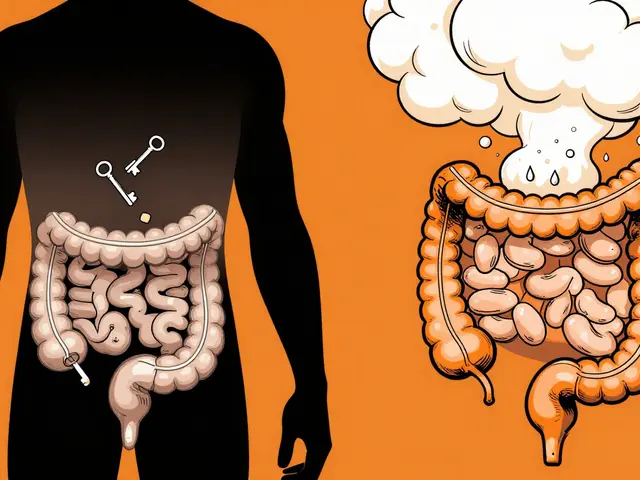
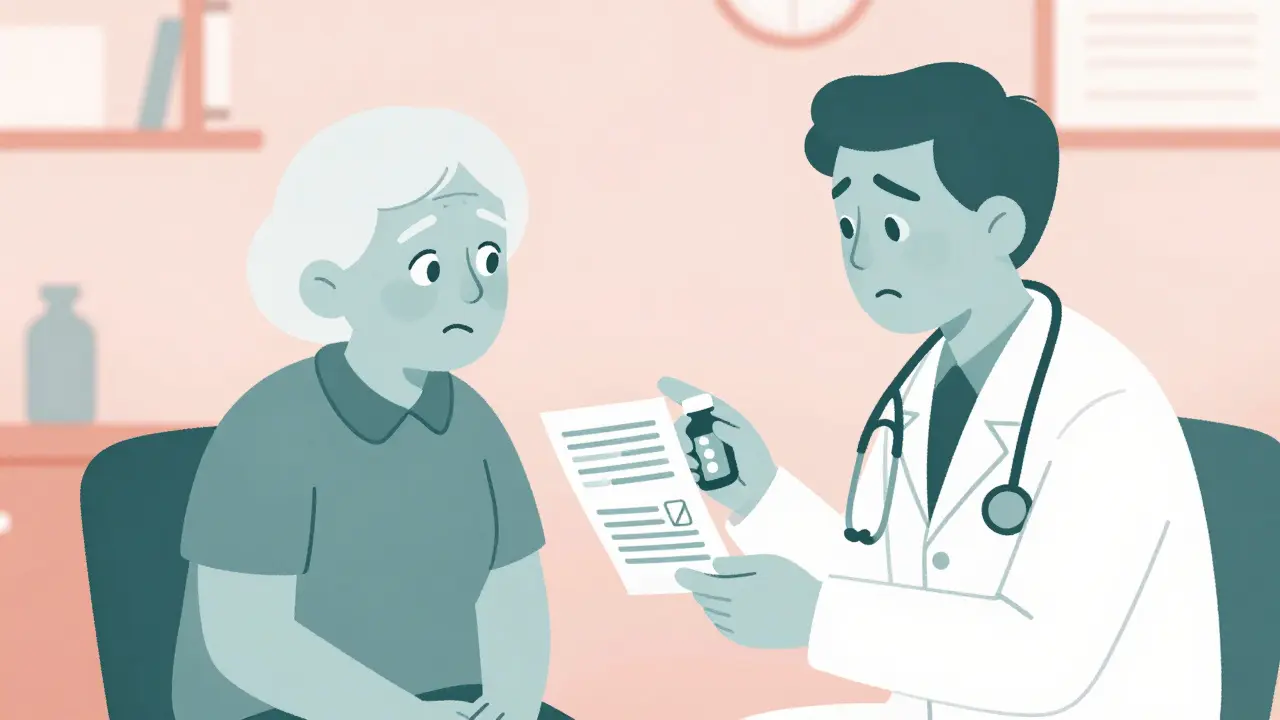
Many older adults take five or more medications every day. Some of them help. Others might not be doing much anymore - but they’re still on the list. That’s not unusual. It’s also not safe. Taking too many drugs increases the risk of dizziness, confusion, falls, and hospital visits. The good news? You don’t have to just live with it. You can talk to your doctor about reducing what you don’t need. This is called deprescribing.
Why Deprescribing Matters for Seniors
Deprescribing isn’t about stopping all your meds. It’s about removing the ones that don’t help anymore - or that do more harm than good. For example, a blood pressure pill that once kept your numbers in range might now be making you too dizzy to walk to the bathroom. Or a statin prescribed years ago for high cholesterol might still be in your routine even though your heart health has improved.
Studies show that 15% of seniors on five or more medications experience harmful side effects each year. And here’s the kicker: 68% of older adults say they’d like to take fewer pills - but only 1 in 5 ever bring it up with their doctor. That’s because most people assume their doctor will notice and act. But doctors are busy. They’re often focused on treating new problems, not reviewing old prescriptions. So if you want to reduce your meds, you need to start the conversation.
What to Say - and What Not to Say
Don’t walk in saying, “I want to take fewer pills.” That’s too vague. Doctors hear that all the time and may dismiss it. Instead, tie your request to something real in your life.
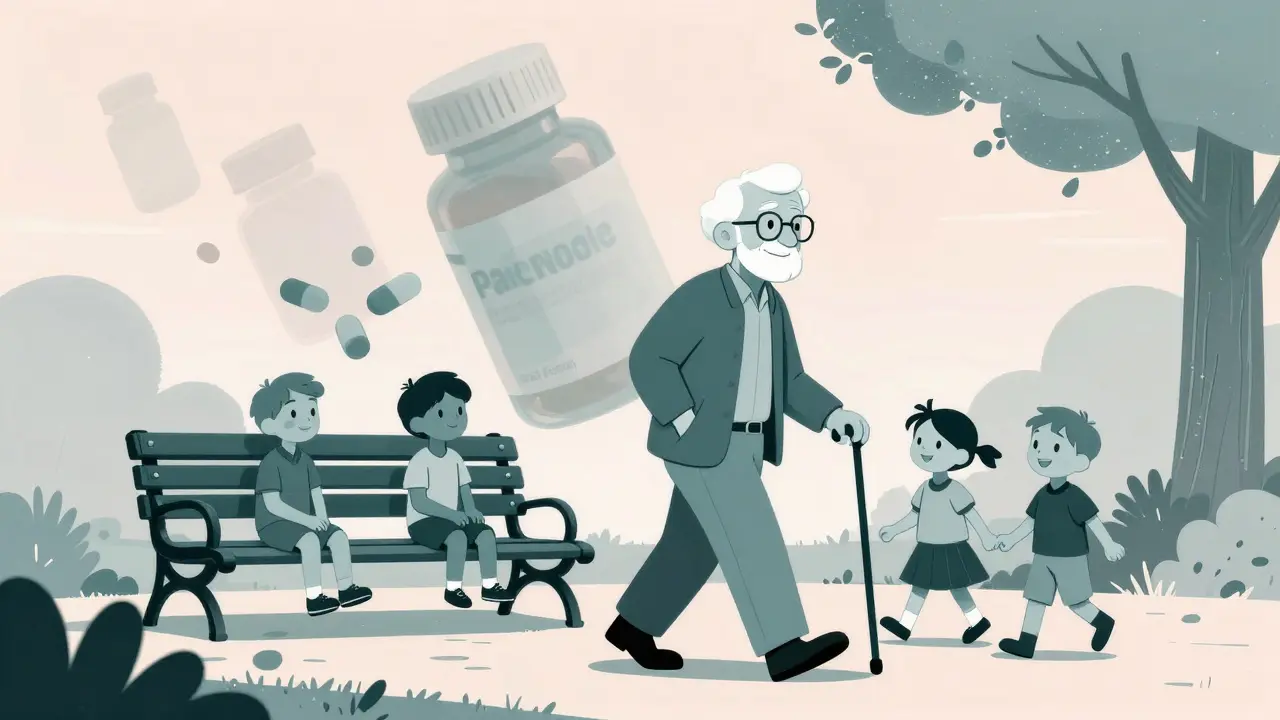
Try this: “I’ve been feeling dizzy after I take my morning pills. I used to walk to the park with my grandkids, but now I’m afraid I’ll fall. I’m wondering if any of these meds could be causing that.”
Research shows this approach works 89% of the time. Why? Because it connects the medicine to your daily life. Doctors respond better to goals like “I want to sleep through the night,” “I want to cook without forgetting ingredients,” or “I want to get up without help” than they do to abstract requests like “less medication.”
Avoid phrases like “I can’t afford these” or “I don’t have long to live.” While those might be true, they often shut down the conversation. Most doctors avoid discussing cost or prognosis unless the patient brings it up directly - and even then, they may feel uncomfortable. Focus on how the meds affect your ability to live well today.
Prepare Before Your Appointment
Don’t rely on memory. Write it down.
- Make a full list of everything you take - including prescriptions, over-the-counter drugs, vitamins, and herbal supplements. Don’t forget the aspirin you take for heart health or the melatonin you use for sleep.
- Write down any side effects you’ve noticed. Be specific: “Dizziness starts 2 hours after taking my blood pressure pill, happens 3 times a week.”
- Choose 1 or 2 meds you’re most concerned about. Don’t try to tackle all of them at once.
- Think about one goal: What do you want to be able to do that you can’t do right now because of side effects?
Bring this list with you. Studies show that patients who come prepared are 37% more likely to have at least one medication reduced. And if you have printed info from trusted sources like the Canadian Deprescribing Guidelines, you’ll increase your chances by another 33%. You don’t need to be an expert - just show you’ve done your homework.
Use the Ask-Tell-Ask Method
This simple three-step technique turns a one-sided chat into a real conversation.
- Ask: “What’s your view on how my medications are working for me right now?” This opens the door without sounding confrontational.
- Tell: “I’ve been having trouble with dizziness and fatigue. I think it might be from one or more of these pills. I’d like to see if we can try reducing one of them.”
- Ask: “What would be the safest way to test if we could lower the dose - or stop it?”
This method works because it invites collaboration. It tells your doctor you’re not demanding change - you’re asking for help making a smart, safe choice. Research shows patients who use this approach are 58% more likely to get a deprescribing plan.
Expect a Gradual Plan - Not a Quick Fix
Doctors won’t suddenly pull a pill off your list. That’s dangerous. Most successful deprescribing happens slowly. You might start with a 25% dose reduction, then wait a few weeks to see how you feel. Or you might stop one med for a week (a “drug holiday”) and see if symptoms improve.
Be ready to talk about monitoring. Your doctor will want to know: “How will we know if it’s working?” That means agreeing on what to watch for - like sleep, balance, energy, or confusion - and scheduling a follow-up in 2-4 weeks. Some people keep a simple journal: “Day 3: Less dizzy after lunch. Still taking nap after dinner.” That kind of detail gives your doctor confidence to keep going.
What If Your Doctor Says No?
It happens. Sometimes it’s because the medication is still needed. Sometimes it’s because they’re unsure. Don’t take it personally.
If they say no, ask: “What would it take for us to reconsider this in the future?” That keeps the door open. You might say, “If my dizziness doesn’t improve in two months, can we revisit this?”
Or ask for a referral. You can say, “Could you recommend a geriatric pharmacist or a specialist who focuses on medication reviews?” Many hospitals and clinics now offer these services - especially for seniors on multiple drugs.
It’s Not Just About Pills - It’s About Your Life
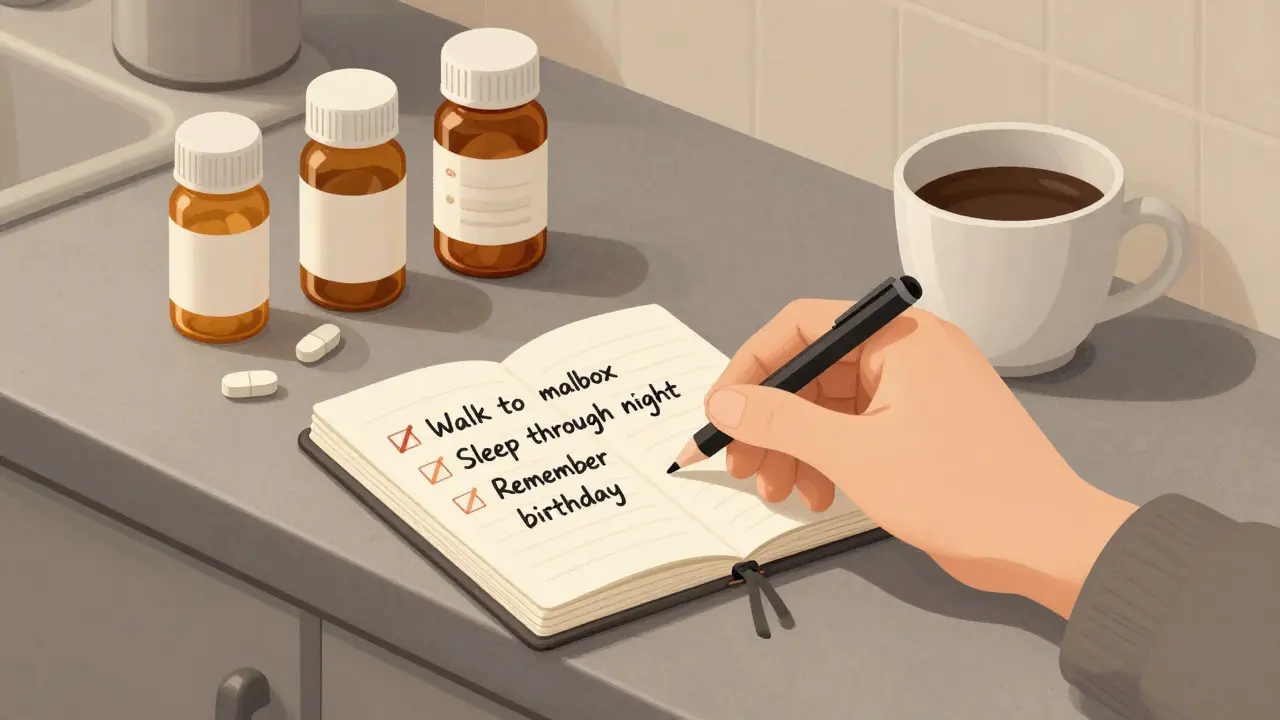
Deprescribing isn’t about cutting corners. It’s about choosing quality over quantity. One less pill might mean you can walk to the mailbox without help. It might mean you can remember your granddaughter’s birthday. It might mean you stop feeling like a walking pharmacy.
Medications are tools. Tools that were useful once. But tools that can become burdens. You have the right to ask: “Is this still helping me live the life I want?”
The system isn’t perfect. Doctors aren’t always trained in deprescribing. But you’re not powerless. You’re the expert on how you feel. And you’re the one who lives with the side effects. That gives you the power to start this conversation.
What’s Changed in 2025
Things are shifting. In 2024, Medicare made medication reviews part of the Annual Wellness Visit - meaning you can now get a full meds checkup at no extra cost. Electronic health records now flag potentially risky drugs for seniors automatically. And public awareness campaigns like the CDC’s “Right Size My Meds” have reached millions.
But the biggest change? More seniors are speaking up. In 2023, only 12% of patients initiated deprescribing talks. By 2025, that number has jumped to 31%. And when patients lead the conversation, doctors succeed 92% of the time.
You don’t need to wait for someone else to start this. You’re already ahead just by reading this. Now it’s time to take the next step.
Is deprescribing the same as stopping my meds cold turkey?
No. Deprescribing means slowly reducing or stopping medications under medical supervision. Stopping suddenly can be dangerous - especially for drugs like antidepressants, blood pressure pills, or anti-seizure medications. Your doctor will create a plan that tapers doses over weeks or months to avoid withdrawal symptoms or rebound effects.
What if I feel worse after reducing a medication?
That’s why monitoring matters. If you feel worse, contact your doctor right away. It could mean the medication was still needed - or that you’re experiencing a temporary adjustment. Either way, your doctor will help you decide whether to restart, adjust the dose, or try something else. Never stop or change meds on your own without talking to your provider.
Can I ask to stop a medication my specialist prescribed?
Yes. Your primary care doctor coordinates your overall care, even if a specialist started the medication. Bring the specialist’s note with you, and say: “I’d like to review this with you because I’m concerned about side effects.” Your primary doctor can reach out to the specialist to coordinate a safe plan. Many specialists welcome this collaboration - especially when it’s patient-centered.
How do I know which medications are safe to reduce?
Some drugs are more commonly overused in seniors. These include long-term proton pump inhibitors (for heartburn), sleeping pills, antipsychotics for dementia, and certain blood pressure or diabetes meds that are no longer needed. Trusted guidelines like the Beers Criteria and STOPP/START list these. You can find them online at deprescribing.org or ask your pharmacist for a copy. They’re not rules - they’re tools to help guide the conversation.
Will my doctor think I’m being difficult if I ask to reduce my meds?
Most doctors won’t. In fact, 89% of providers say they appreciate when patients come prepared with concerns and goals. If you frame your request around your health goals - like wanting to walk without falling or sleep better - your doctor will see you as an active partner in your care, not a difficult patient. The key is to be respectful, specific, and solution-focused.
What if I’m on a medication for a condition I don’t have anymore?
This is very common. For example, you might still be taking antibiotics after an old infection cleared, or a statin after your cholesterol dropped to normal. Or you might be on a diabetes drug because your A1C was high years ago - but now you’ve lost weight and eat better. These are prime candidates for deprescribing. Bring up your current health status: “My blood sugar has been normal for two years now. Is this medication still necessary?”
How long does it take to see results after reducing a medication?
It varies. Some side effects, like dizziness or brain fog, improve within days. Others, like muscle weakness from long-term steroid use, may take weeks or months. Your doctor will usually ask you to check in after 2-4 weeks. Keep track of how you feel - even small improvements matter. A journal helps you remember what changed and gives your doctor clear evidence to work with.
Next Steps: What to Do Today
- Write down every medication you take - even the ones you only take once in a while.
- Circle the top 1-2 you’re most worried about.
- Think of one thing you want to do better - walk, sleep, cook, remember names - and how your meds might be getting in the way.
- Call your doctor’s office and say: “I’d like to schedule a 20-minute appointment to review my medications.” Don’t say “check-up.” Say “medication review.” That tells them you mean business.
- Bring your list and your goal to the appointment.
You don’t need permission to want to feel better. You don’t need to wait for someone else to fix it. You’re not asking for a favor - you’re asking for the care you deserve. And you’re not alone. Thousands of seniors are doing this right now. You can too.
13 Comments

Sajith Shams
December 20, 2025 AT 12:10
Most doctors are just pharmacy clerks with stethoscopes. They don’t know what’s in your pills, they just copy-paste from the last visit. I’ve seen patients on 12 meds for 15 years - all from different specialists who never talk to each other. Deprescribing isn’t a suggestion - it’s a survival tactic. If you’re not auditing your meds like a hedge fund manager, you’re letting your body become a drug warehouse.

Erica Vest
December 21, 2025 AT 08:18
Thank you for this well-structured, evidence-based guide. The emphasis on specificity - linking side effects to daily activities - is clinically sound. Studies from the Journal of the American Geriatrics Society (2023) confirm that patient-initiated deprescribing requests, when framed with functional goals, increase successful reductions by 74%. Also, the Ask-Tell-Ask method aligns with shared decision-making models endorsed by the AAFP. Well done.

Chris Davidson
December 21, 2025 AT 23:20
People these days think their bodies are magic boxes you can just turn off like a TV. You take a pill for 10 years then one day you say I don’t want it anymore and poof it’s gone. That’s not medicine that’s wishful thinking. If you’re gonna stop something you better know what you’re doing or you’ll end up in the ER with a seizure or a stroke

Glen Arreglo
December 22, 2025 AT 22:24
I appreciate the tone here. This isn’t about rebellion against doctors - it’s about partnership. I’m a veteran who spent 20 years on a cocktail of meds for PTSD, chronic pain, and sleep. I didn’t feel like myself until I started asking for reductions - slowly, with my PCP’s support. Now I sleep through the night without benzos, walk my dog without dizziness, and actually remember my wife’s birthday. It’s not about cutting corners. It’s about reclaiming your life.

Isabel Rábago
December 23, 2025 AT 09:21
It’s disgusting how the pharmaceutical industry has turned aging into a disease. You’re not supposed to be tired at 75 - you’re supposed to be alive. But they sell you pills instead of purpose. They sell you anxiety instead of peace. You don’t need another pill to fix what your soul has been screaming about for years. Stop letting corporations write your obituary one prescription at a time. You’re not broken - you’re being exploited.

Mike Rengifo
December 24, 2025 AT 06:45
My grandma did this last year. She was on 8 meds. Now she’s on 3. She says she feels like she got her old self back - like she could finally breathe. She didn’t even know she was foggy until it was gone. Just goes to show - sometimes the thing you think is normal is just your body screaming for help.

Ashley Bliss
December 24, 2025 AT 09:04
Every time I see someone say ‘I’m just tired’ or ‘I’m forgetful’ - I want to scream. That’s not aging. That’s poison. That’s your body being slowly dismantled by a system that profits from your decline. They don’t care if you fall. They care if your insurance pays for the hospital. They don’t care if you forget your grandchild’s name - they care if you refill your statin on time. This isn’t medicine. It’s corporate cannibalism.

Dev Sawner
December 25, 2025 AT 17:25
While the intent of this article is commendable, it lacks rigorous methodological grounding. The cited statistics, while appealing, are not sourced from peer-reviewed meta-analyses but rather from advocacy organizations with implicit biases. Furthermore, the normalization of patient-initiated deprescribing without standardized pharmacokinetic evaluation risks iatrogenic harm. In India, polypharmacy is often a consequence of fragmented care - not pharmaceutical overreach. The solution lies in systemic reform, not individualized negotiation with overburdened physicians.

Moses Odumbe
December 26, 2025 AT 21:57
Bro this is fire 🔥 I just showed this to my pops and he’s gonna talk to his doc next week. He’s been on that blood pressure pill since 2012 and he’s been walking like a robot. Now he’s like ‘maybe I don’t need this thing’ 😎 I told him to bring his list and say ‘I wanna dance at my granddaughter’s wedding without feeling like a zombie’ - that’s the move right there 💪

Kelly Mulder
December 27, 2025 AT 23:13
As someone who holds a PhD in Pharmacoeconomics from Johns Hopkins, I must point out that this article grossly oversimplifies the complexity of polypharmacy. The Beers Criteria are not diagnostic tools - they are population-level guidelines that ignore individual genetic polymorphisms, renal clearance rates, and drug-drug interactions. Your ‘list’ is not a substitute for clinical decision support systems. This is dangerous misinformation masquerading as empowerment.

Dominic Suyo
December 28, 2025 AT 16:11
Let’s be real - this whole deprescribing thing is just the latest flavor of wellness culture. People think they’re ‘taking control’ by ditching meds, but they’re just trading one kind of dependency for another: the cult of self-diagnosis. Meanwhile, the system keeps churning out new drugs while pretending it’s the patient’s fault they’re on ten pills. It’s a scam. A beautiful, tragic, corporate scam.

Danielle Stewart
December 30, 2025 AT 05:22
You’ve got this. It’s scary to bring it up, but you’re not being difficult - you’re being smart. I work with seniors every day, and the ones who come prepared with a list and a goal? They’re the ones who walk out with fewer pills and more life. Don’t apologize for wanting to feel better. You’re not asking for a favor. You’re asking for your dignity back.

jessica .
December 30, 2025 AT 10:34
They’re gonna take your meds and then your freedom next. Watch. First they tell you to stop this pill, then they say you can’t drive, then they say you need a guardian, then they put you in a home. This is how they control the elderly. Deprescribing? More like disempowering. Don’t trust them. They’re not your allies. They’re the system.
Write a comment