



MAOI Cold Medicine Safety Checker
Important Medical Disclaimer: This tool provides educational information based on clinical guidelines. Always consult your doctor or pharmacist before taking new medications while on MAOIs.
Ingredient Search
Search Ingredient
Type to filter ingredients. Click a result to view safety details.
Potential Consequences:
Safety Status:
Alternatives / Notes:
You wake up with a stuffy nose and reach for something off the shelf at the pharmacy. It is a routine decision you have made hundreds of times before. But if you are taking a specific type of antidepressant known as an MAOI, that routine choice can trigger a medical emergency within minutes. We are talking about two life-threatening conditions: a massive spike in blood pressure called hypertensive crisis and a neurological imbalance known as serotonin syndrome.
This is not fear-mongering; it is a chemical fact. Monoamine Oxidase Inhibitors, commonly known as MAOIs, are powerful medications designed to treat severe depression. However, they work by changing how your body processes natural chemicals. When you add certain over-the-counter cold medicines to the mix, you overwhelm the system. The stakes are incredibly high, yet many patients remain unaware of the exact triggers. Understanding this risk is essential for anyone prescribed older antidepressants who still gets the flu every winter.
Understanding the MAOI Mechanism
To understand the danger, you have to look at how these drugs interact with your biology. MAOIs are a class of psychiatric medication that were developed in the 1950s. They inhibit the activity of an enzyme called monoamine oxidase. Normally, this enzyme breaks down neurotransmitters like serotonin, dopamine, and norepinephrine. By blocking the enzyme, MAOIs allow these chemicals to stay active in the brain longer, lifting mood in cases where newer drugs fail.
The problem arises because the same enzymes exist elsewhere in the body, particularly in the gut and liver. If you ingest substances that increase levels of norepinephrine or serotonin while these enzymes are inhibited, those levels can skyrocket to toxic heights. Unlike modern antidepressants such as SSRIs (Selective Serotonin Reuptake Inhibitors), which often have more forgiving interaction profiles with mild stimulants, MAOIs create a blockade that leaves little room for error.
Current clinical practice guidelines from the American Psychiatric Association continue to emphasize that patients must be rigorously counseled on this. Even though MAOIs represent less than 1% of antidepressant prescriptions in the United States, they remain a critical tool for approximately 350,000 Americans dealing with treatment-resistant depression. For these individuals, avoiding specific cold remedies is a matter of survival.
Hypertensive Crisis and Decongestants
The first major risk involves blood pressure regulation. Many people do not realize that common nasal decongestants act as sympathomimetic agents. These compounds mimic the effects of adrenaline. When combined with an MAOI, the result is often referred to as a "tyramine pressor response," even though this reaction is driven by the drug itself rather than dietary tyramine.
Consider the ingredient Pseudoephedrine, found in products like Sudafed.. Pseudoephedrine constricts blood vessels to relieve congestion. Under normal circumstances, the body regulates this constriction. With an MAOI on board, the regulation fails. The blood pressure can surge uncontrollably.
Dr. Christine Manukyan, a functional medicine practitioner, cautions that mixing pseudoephedrine with older antidepressants could cause a hypertensive crisis. Documented cases show blood pressure readings exceeding 220/110 mmHg after a single dose of standard cold medicine. Symptoms include a severe pounding headache, neck stiffness, nausea, and palpitations. If left untreated, this can lead to stroke or heart attack. The FDA specifically warned against oral nasal decongestants for MAOI users decades ago, a rule that stands firm today.
Other dangerous decongestants to avoid include:
- Phenylephrine (often labeled PE)
- Ephedrine (found in some herbal supplements)
- Phenylpropanolamine (older formulations)
Serotonin Syndrome and Cough Suppressants
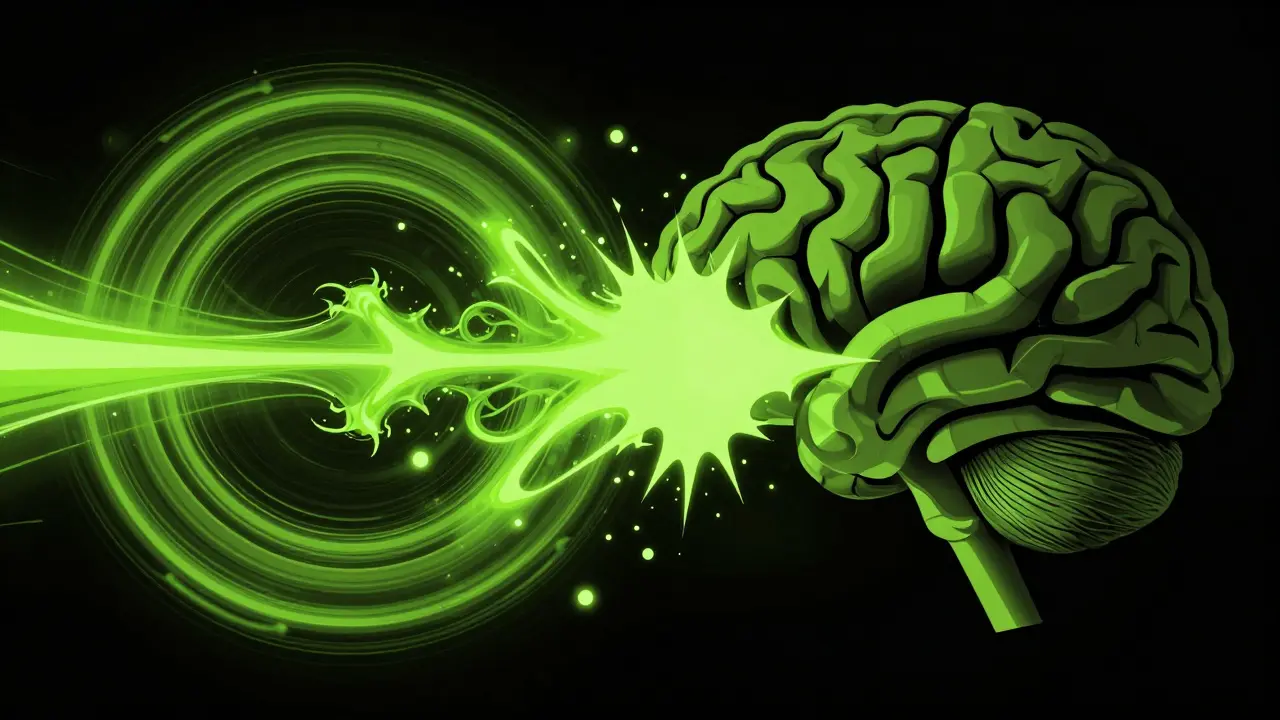
While the blood pressure spike is immediate and acute, there is another hidden killer lurking in liquid syrups: Dextromethorphan. This is a common cough suppressant found in brands like Robitussin DM and Delsym. It works differently than decongestants; it affects the central nervous system directly to stop the cough reflex.
Here is the mechanism: Dextromethorphan increases serotonin signaling in the brain. MAOIs also increase serotonin levels. When combined, serotonin floods the synapses. This leads to Serotonin Syndrome. It is a rare but potentially deadly toxicity. According to StatPearls, irreversible MAOIs combined with other serotonergic agents represent the most toxic combination for developing this condition.
The symptoms differ slightly from a blood pressure crisis. Instead of just a pounding head, you might experience mental status changes like agitation or confusion. Physical signs include high fever, muscle twitching, rapid heartbeat, and tremors. A user on Reddit reported a near-miss experience after taking DayQuil with Nardil, suffering severe symptoms for 12 hours requiring medical evaluation. While hospitalization wasn't needed in that specific instance, the proximity to organ failure is real.
Recent studies indicate that even a single dose of pseudoephedrine or dextromethorphan can be enough to trigger significant physiological changes in sensitive patients. Because MAOIs are "irreversible" inhibitors, the effect lasts until new enzymes are manufactured by the body, which takes weeks. This is why you cannot simply "wait it out" if you accidentally take the wrong pill.
| Ingredient | Risk Category | Common Brand Examples | Status for MAOI Users |
|---|---|---|---|
| Pseudoephedrine | Decongestant | Sudafed, Constar | Avoid Completely |
| Phenylephrine | Decongestant | Sudafed PE, TheraFlu | Avoid Completely |
| Dextromethorphan | Cough Suppressant | Robitussin DM, Delsym | Avoid Completely |
| Guaifenesin | Expectorant | Mucinex | Generally Safe |
| Acetaminophen | Pain/Fever Reducer | Tylenol | Generally Safe |
| Ibuprofen | NSAID Pain Reliever | Advil, Motrin | Use with Caution |
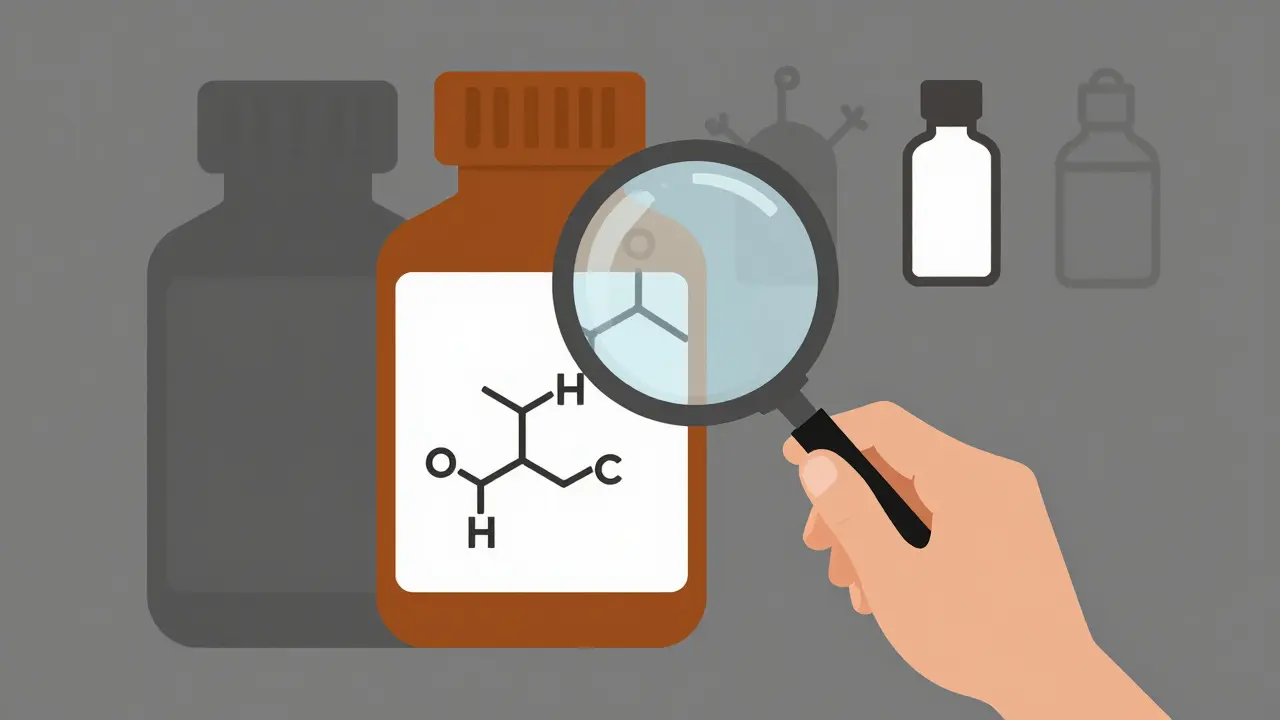
It is important to distinguish between what is safe and what looks like a safe brand. For example, a multi-symptom formula might claim to treat aches while suppressing cough, but the back label will list the prohibited ingredients above. You must check every bottle individually.
Practical Steps for Sick Days
If you live with treatment-resistant depression and rely on an MAOI, being sick with a cold requires a different strategy than the general population. Preparation prevents accidents. The Mayo Clinic recommends that clinicians provide patients with a comprehensive list of contraindicated OTC medications. Many psychiatrists suggest carrying a wallet-sized card that lists your medication and forbidden ingredients.
When you are sick, follow these protocols:
- Read the Active Ingredients Panel: Look past the marketing name. Ignore what the box says on the front. Go straight to the small print listing milligrams and chemicals.
- Stick to Single Ingredients: Multi-symptom formulas are traps. Buy plain acetaminophen for pain and plain guaifenesin for mucus instead of all-in-one liquids.
- Consult Your Pharmacist: Tell them immediately upon entering the store that you are on an MAOI. Pharmacists carry databases that can scan barcodes to identify conflicts.
- Monitor Blood Pressure: If you have taken anything new, keep a home BP monitor handy to watch for spikes.
Some users find relief in non-pharmacological methods. Steam inhalation, saline nasal sprays, and honey for cough suppression offer symptom relief without the interaction risks. Salt water gargles help sore throats. These methods bypass the metabolic pathways that MAOIs affect.
There is a misconception that the transdermal patch version of selegiline (Emsam) is completely free of these risks. While low-dose patches (6 mg/24hr) allow for fewer dietary restrictions regarding foods like cheese and wine, the drug interaction precautions regarding sympathomimetics generally remain in effect. Psychiatrist.com confirms that the biochemical interaction risk persists regardless of delivery method.
Recognizing the Warning Signs Early
Speed is vital if an interaction occurs. The body sends signals before the situation becomes irreversible. If you have taken a cold remedy and start feeling odd, do not dismiss it as just a bad cold. Look specifically for the triad of hypertension signs: throbbing headache, rigid neck muscles, and rapid pulse.
If you notice confusion alongside physical symptoms, think Serotonin Syndrome. Immediate medical attention is required. Do not wait for the next morning. Dial 911 or go to the nearest Emergency Room and tell the staff immediately: "I am on an MAOI and took cold medicine." This phrase tells the triage nurse exactly what pathway to investigate.
In conclusion, the benefit of MAOIs for difficult-to-treat depression is immense, but the requirement for strict vigilance comes with it. There are safer ways to manage cold symptoms, and staying informed is the best defense. Treat your health seriously, and keep your medicine cabinet organized to prevent accidental exposures.
Can I take Tylenol or Ibuprofen while on MAOIs?
Yes, acetaminophen (Tylenol) is generally considered safe for MAOI users for pain and fever reduction. Ibuprofen and NSAIDs are also usually safe but should be monitored if you have kidney issues or high blood pressure, as dehydration from illness can strain kidneys.
What can I take for a runny nose safely?
You should use saline nasal sprays or steroid nasal sprays like Flonase (fluticasone) under doctor supervision. Avoid oral decongestants entirely. Intranasal options do not enter the bloodstream systemically in the same way and pose much lower risks.
How long does the interaction risk last?
Because MAOIs irreversibly bind to the enzyme, you are always at risk while on the medication. There is no "washout" period during treatment. If you are switching off MAOIs, you typically need a 14-day gap before starting other antidepressants to ensure safety.
Are herbal cold remedies safe?
Be very careful. Some herbs like St. John's Wort or Ephedra (Ma Huang) contain potent stimulant properties similar to prescription drugs. Always disclose all supplements to your psychiatrist.
Why do these drugs react differently than SSRIs?
SSRIs block reuptake of serotonin, while MAOIs block the enzyme that breaks down catecholamines and serotonin. This difference makes MAOIs susceptible to external sources of these chemicals (like food or decongestants) in a way that SSRIs generally are not.
10 Comments

walker texaxsranger
March 27, 2026 AT 18:44
monoamine oxidase inhibition leads to downstream sympathetic surge regardless of the peripheral vascular resistance mechanisms involved people need to understand enzymatic blockade

Eva Maes
March 29, 2026 AT 01:01
The intersection of psychopharmacology and over the counter remedies is dangerously overlooked.
Most patients blindly trust the pharmacist because they lack basic biochemistry literacy.
We are talking about systemic toxicity here that could kill you instantly.
Tyramine reactions are well documented but sympathomimetics are worse.
Pseudoephedrine acts directly on alpha adrenergic receptors without regulation.
Your blood pressure can skyrocket past two hundred systolic in mere minutes.
Serotonin syndrome adds another layer of neurotoxicity to the mix.
Dextromethorphan increases serotonin reuptake inhibition while MAOIs stop degradation.
This double whammy overwhelms the synaptic cleft completely.
Mental status changes happen before physical collapse occurs.
Confusion is often the last warning sign before organ damage begins.
People ignore the label because marketing hides the chemical truth.
Multisymptom formulas are specifically designed to trap the uninformed consumer.
Saline sprays work mechanically without entering the metabolic bloodstream.
You should keep emergency numbers ready at all times when sick.

Rachael Hammond
March 29, 2026 AT 19:11
i totally agree eva ur post was really helpful thank u.
just made me more scared about what i take when im sniffling lol
hope everyone stays safe and checks labels carefuly

tyler lamarre
March 30, 2026 AT 14:41
Of course the masses require a pamphlet on basic chemistry.
True intelligence would prevent the ingestion of dangerous compounds in the first place.
It is pathetic that we must rely on such warnings instead of intellect.

Devon Riley
March 31, 2026 AT 16:33
Please stay safe out there friends! 🛡️
Your health matters most and avoiding these combos is key! 💪
Always check with your doc first! ❤️

Tony Yorke
March 31, 2026 AT 23:29
read labels always and dont skip checking ingredients

Kameron Hacker
April 2, 2026 AT 03:33
It is imperative that individuals adhere strictly to pharmacological guidelines to maintain physiological stability.
Ignoring contraindications reflects a disregard for medical consensus and self-preservation protocols.
One must exercise discipline regarding medication management.
Failure to comply invites severe biological consequences.

Poppy Jackson
April 3, 2026 AT 00:24
oh my god this scares me silly
my heart is racing reading about those symptoms
please be careful my loves

Debra Brigman
April 4, 2026 AT 18:00
The interplay between chemical substances reveals much about our vulnerability in modern society.
We consume pills without understanding the machinery within.
It is a test of wisdom versus convenience.

Tommy Nguyen
April 6, 2026 AT 15:42
good info thanks for sharing the tips
Write a comment