




The Truth About the Price Gap in Your Medicine Cabinet
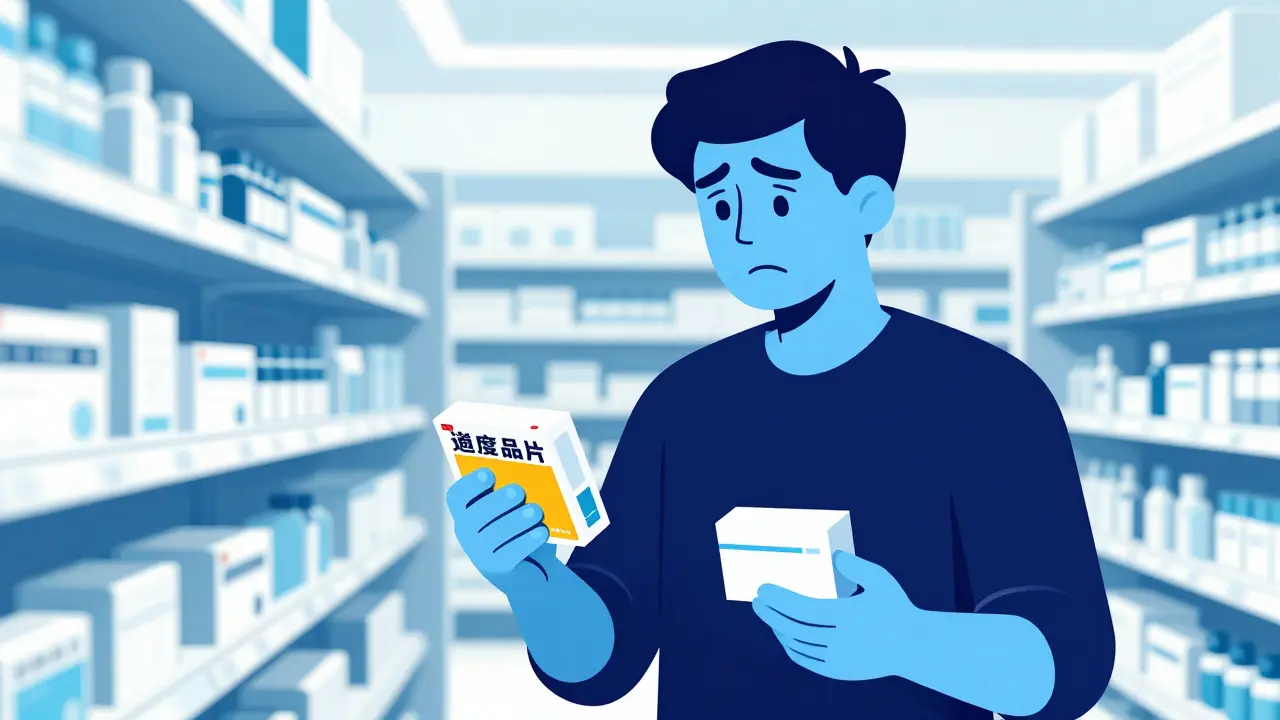
You've probably stood in the pharmacy aisle staring at two boxes: one is a famous brand you've seen in a hundred commercials, and the other is a store brand that looks suspiciously plain. The price difference is often shocking-sometimes the name brand costs three or four times as much as the generic version. It makes you wonder: is the expensive one actually better, or are you just paying for a fancy logo and a marketing budget?
The short answer is that for the vast majority of people, there is no clinical difference in how these drugs work. Whether you're grabbing a pain reliever for a headache or a nasal spray for allergies, OTC medications is a category of drugs that can be sold without a prescription, including both brand-name and generic versions that must meet strict government safety standards. You can save a massive amount of money without sacrificing your health, but you need to know exactly what to look for on the label to make sure you're getting the right stuff.
Key Takeaways for Smarter Shopping
- Store brands must use the same active ingredients and strength as name brands.
- You can typically save 50% to 85% by switching to a generic equivalent.
- The only real differences are usually inactive ingredients (like flavors or dyes) and packaging.
- Always check the "Drug Facts" label to verify that the active ingredient matches.
How Store Brands Actually Work
A lot of people think store brands are "knock-offs" that are somehow less potent. In reality, they are governed by strict laws. In the US, the Hatch-Waxman Act changed the game by allowing companies to create generic versions of drugs without having to repeat the incredibly expensive clinical trials that the original creator did. Instead, they just have to prove the drug is bioequivalent.
What does "bioequivalent" actually mean? It means the FDA (the agency that regulates food and drugs) requires the store brand to deliver the same amount of the active drug into your bloodstream in the same amount of time as the brand name. To put this in perspective, a study published in the National Center for Biotechnology Information found that there is usually only a 3.5% difference in absorption between the two-a tiny gap that doesn't affect how you feel or heal.
Because they use the same "engine" (the active ingredient), the results are the same. If you take a generic ibuprofen, your inflammation goes down just as it would with a name-brand pill. The only reason the name brand costs more is because they spent millions developing the original formula and continuing to advertise it on TV.
Spotting the Difference: Active vs. Inactive Ingredients
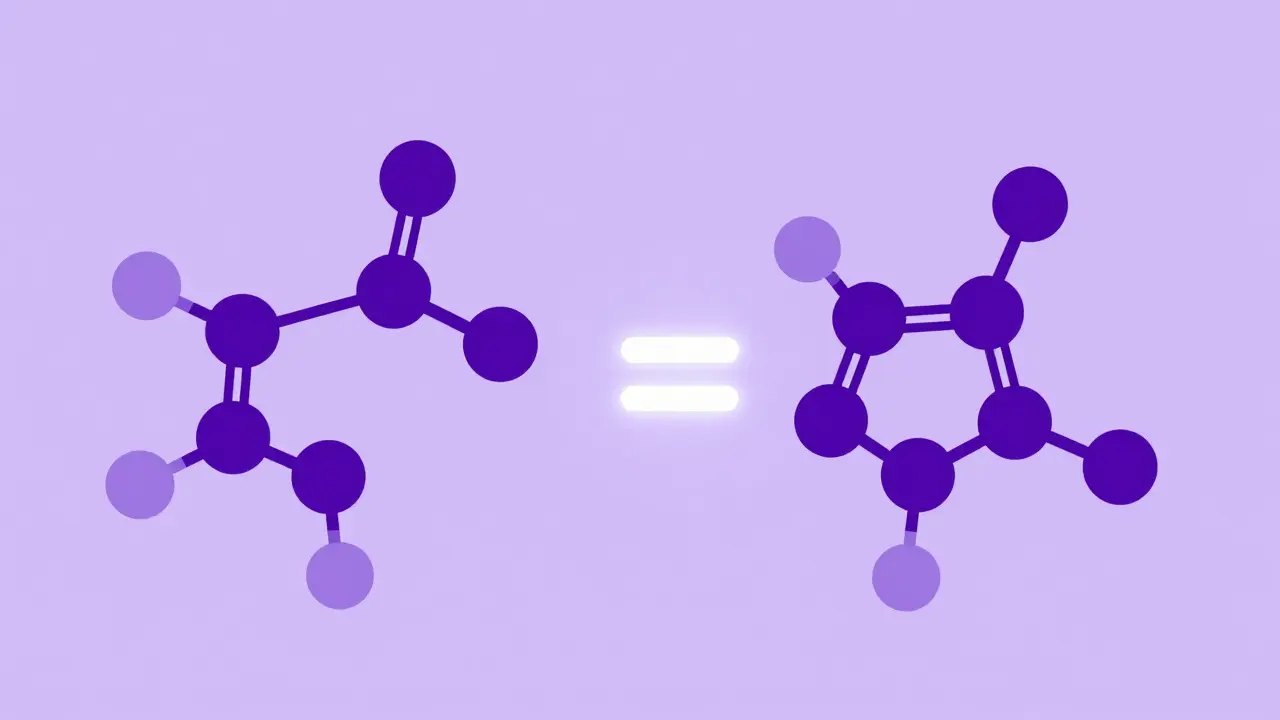
If the active ingredients are the same, why do the pills look or taste different? This is where inactive ingredients come in. These are the fillers, binders, coloring agents, and flavorings used to hold the pill together or make a syrup taste less like chemicals. While the active drug does the work, the inactive stuff is just the "delivery vehicle."
For most people, these don't matter. However, if you have a very specific allergy to a certain dye or a sensitivity to a particular filler, you might find that one brand works better for you than another. This is the only real risk with store brands-not that they won't work, but that your body might react poorly to a specific filler. If you notice a rash or an upset stomach that only happens with the generic version, that's when you might want to switch back to the name brand.
| Feature | Name Brand | Store Brand (Generic) |
|---|---|---|
| Active Ingredient | Standardized | Identical to Name Brand |
| FDA Approval | Required | Required (Bioequivalence) |
| Inactive Ingredients | Specific Formula | Varies by Manufacturer |
| Average Cost | High (Premium) | 80-85% Lower |
| Effectiveness | High | Identical |
Real-World Examples of Savings
To see how this looks in your shopping cart, let's look at some of the most common medications. Whether you shop at Walmart, Target, or CVS, the logic remains the same. You aren't paying for better medicine; you're paying for the brand name.
- Pain Relief: Instead of Tylenol, look for the store brand labeled Acetaminophen. Instead of Advil or Motrin, look for Ibuprofen.
- Allergies: Instead of Claritin, look for Loratadine.
- Cough & Cold: Instead of Robitussin, look for Dextromethorphan.
If you make these switches across your entire medicine cabinet, the savings add up quickly. Some reports suggest store brands can be 80% to 85% cheaper. If you spend $50 a month on various health aids, switching could save you hundreds of dollars a year. It's essentially free money for doing the tiny bit of work required to read a label.
How to Shop for Store Brands Without Mistakes
The biggest mistake people make is assuming a store brand is a "complete" substitute without checking the details. Here is the foolproof way to ensure you're getting the right product:
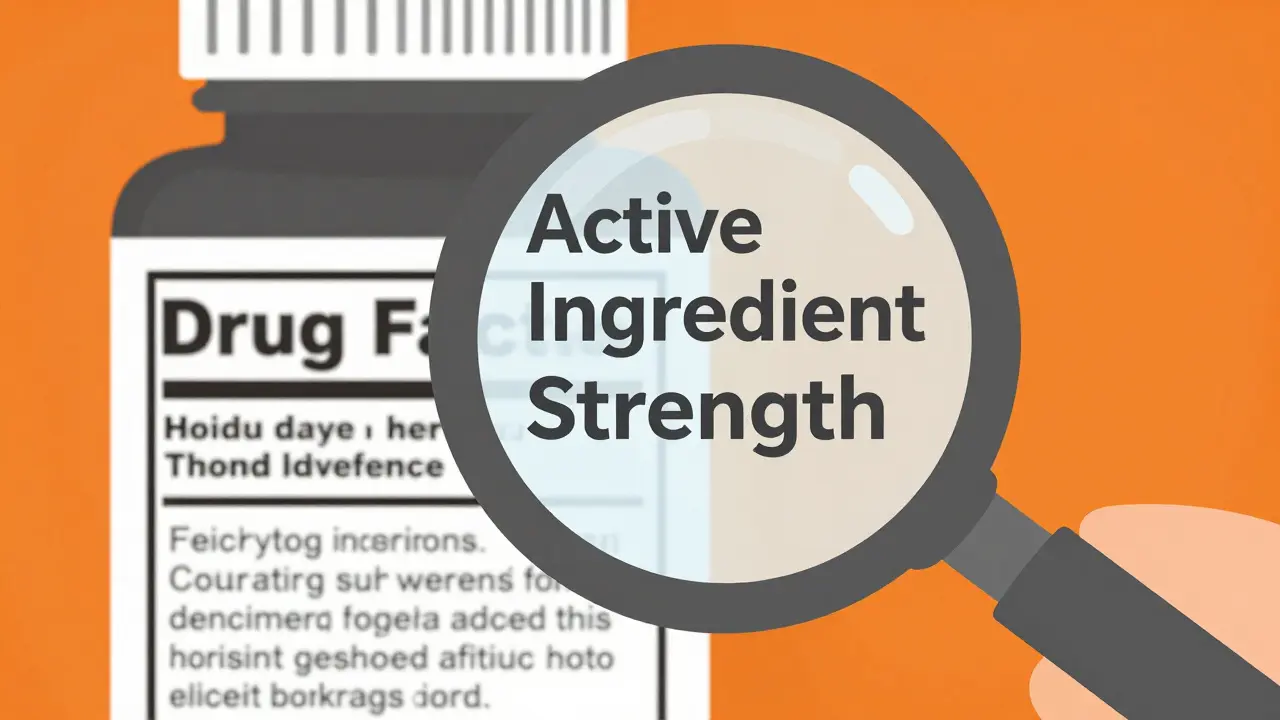
- Find the "Drug Facts" Label: This is the standardized box on the back or side of every OTC package.
- Check the First Line: The very first item listed under "Active Ingredient" is what actually treats your symptoms. Compare this word-for-word between the name brand and the store brand.
- Verify the Strength: Make sure the dosage is the same. If the name brand is 200mg and the store brand is 100mg, you'll need to take twice as many to get the same effect.
- Check the Format: Ensure you aren't swapping a "liquid gel" for a "tablet" if you have a preference for how quickly the medicine absorbs or how easy it is to swallow.
A pro tip from pharmacists: watch out for "combination" drugs. Some products treat multiple symptoms (like a cold and cough medicine). These are more complex, and while generics still work, you should be extra careful that every single active ingredient is matched. Also, be careful not to double-dose. Many different products contain acetaminophen; if you take a store-brand fever reducer and a brand-name cold syrup, you might accidentally take too much of the same ingredient.
Expert Opinions and Consumer Reality
You might think doctors and pharmacists prefer the expensive brands because they "know better." In reality, the opposite is true. A study from the University of Chicago found that nearly 90% of pharmacists and over 80% of physicians use store-brand medications for themselves and their own families. They know exactly how the chemistry works, and they know the brand name is just marketing.
Online communities like Reddit's pharmacy forums echo this. Most users report zero difference in how they feel when switching from a name brand to a store brand. The most common complaints aren't about the medicine not working, but about the taste. For example, a generic cherry-flavored cough syrup might taste slightly more medicinal than the brand-name version. That's a trade-off most people are willing to make to save ten dollars.
Are store brand medications less powerful than name brands?
No. By law, store brand (generic) medications must contain the same active ingredients at the same strength and dosage as the name brand. The FDA requires bioequivalence, meaning they must work the same way in your body. Any difference in power is usually due to the consumer accidentally buying a lower-strength version of the generic.
Why are name brand medications so much more expensive?
The higher price covers the original research, development, and clinical trials required to bring the drug to market for the first time. It also pays for massive advertising campaigns and the brand's trademark value. Once the patent expires, other companies can produce the same drug without those massive startup costs, allowing them to sell it much cheaper.
Can I have an allergic reaction to a store brand but not a name brand?
Yes, it is possible. While the active ingredient is the same, the inactive ingredients (fillers, dyes, and binders) differ. Some people are sensitive to specific dyes or preservatives used in generic formulations. If you experience an unexpected reaction, check the list of inactive ingredients and consult your doctor.
How do I know if a store brand is a true equivalent?
Look at the "Drug Facts" section on the packaging. Compare the "Active Ingredient" and the "Amount" (strength) of the store brand to the name brand. If those two things match exactly, the medication is therapeutically equivalent.
Are there any OTC meds where the brand name is actually better?
For the vast majority of OTC products, there is no therapeutic difference. However, some people prefer the flavor, the ease of swallowing a specific pill shape, or the quality of the packaging (like a child-proof cap that's easier for adults to open) of name brands. These are matters of preference, not medical efficacy.
Next Steps for Your Next Pharmacy Trip
Next time you're at the store, don't just grab the box you recognize. Try this: pick up the name-brand version and the store-brand version. Flip them both over to the "Drug Facts" label. If the active ingredients match, put the expensive one back on the shelf. If you're ever unsure, just ask the pharmacist-they're trained in generic equivalency and can tell you in ten seconds if a store brand is a safe bet for your specific needs.
9 Comments

mimi clouet
April 14, 2026 AT 04:39
This is so helpful! 🌟 I've been telling everyone for years that the active ingredient is all that matters. One thing people forget is that some store brands are actually made by the same pharma giants that make the name brands, just in a different box! 📦✨ It's basically a total scam to charge more for the logo. Just always double-check the mg count because some 'generic' versions are actually lower doses to make the bottle seem like it lasts longer! 💊🧐

john chiong
April 15, 2026 AT 05:27
absolute highway robbery by these corporate vampires draining our wallets for the crime of wanting to not have a headache its a moral vacuum

Catherine Mailum
April 16, 2026 AT 16:52
oh wow imagine actually paying for a brand name like you're buying a luxury handbag for your sinus infection... truly a tragedy

melissa mac
April 18, 2026 AT 02:04
I think it's great that we're discussing this. For anyone who feels overwhelmed by the labels, maybe we could start a thread on which specific store brands have the most palatable flavors, since that's often the only real difference. Let's help each other find the best value options!

Jasmin Stowers
April 18, 2026 AT 03:47
totally agree generics are the way to go

Haley Moore
April 19, 2026 AT 08:12
Ugh, as if this is some kind of revelation 🙄 I've known this since my first trip to a pharmacy in high school. It's almost cute that people need a whole guide for this 💅 Just buy the cheapest one and move on with your life, it's not that deep. Honestly, some of these 'budget' tips are just basic common sense that apparently isn't so common anymore 🙄🙄

Anurag Moitra
April 20, 2026 AT 04:16
It is important to maintain a high level of caution when dealing with combination medications. The risk of accidental duplication of ingredients is quite significant. I would suggest that individuals maintain a written list of all their current medications to present to the pharmacist for a comprehensive review. This practice ensures the highest level of safety and minimizes the possibility of adverse drug interactions. Precision in reading the labels is not merely a suggestion but a clinical necessity for patient safety. One should never assume that a generic combination drug is identical without a thorough comparison of every single listed component. Proper education on these matters prevents avoidable emergency room visits. Furthermore, the role of the pharmacist as a final check is an underutilized resource in modern healthcare. By engaging in a professional dialogue, consumers can navigate the complexities of bioequivalence with confidence. Ensuring the correct strength is paramount, as titration of dosage is often critical for efficacy. I highly recommend this methodical approach for all consumers. Consistency in monitoring reactions to inactive ingredients is also advisable. This systematic methodology provides the most secure framework for affordable healthcare.

Mark Dueben
April 20, 2026 AT 17:45
I appreciate the detailed breakdown. Maybe we can all try to be more patient with those who aren't as familiar with these labels, as the pharmacy can be a very stressful place.

Sam Dyer
April 22, 2026 AT 08:32
American pharma is a wild ride but at least our generics are gold standard compared to some of the junk you find overseas 🇺🇸 those FDA rules are the real deal and anyone pretending otherwise is just delusional :)
Write a comment