



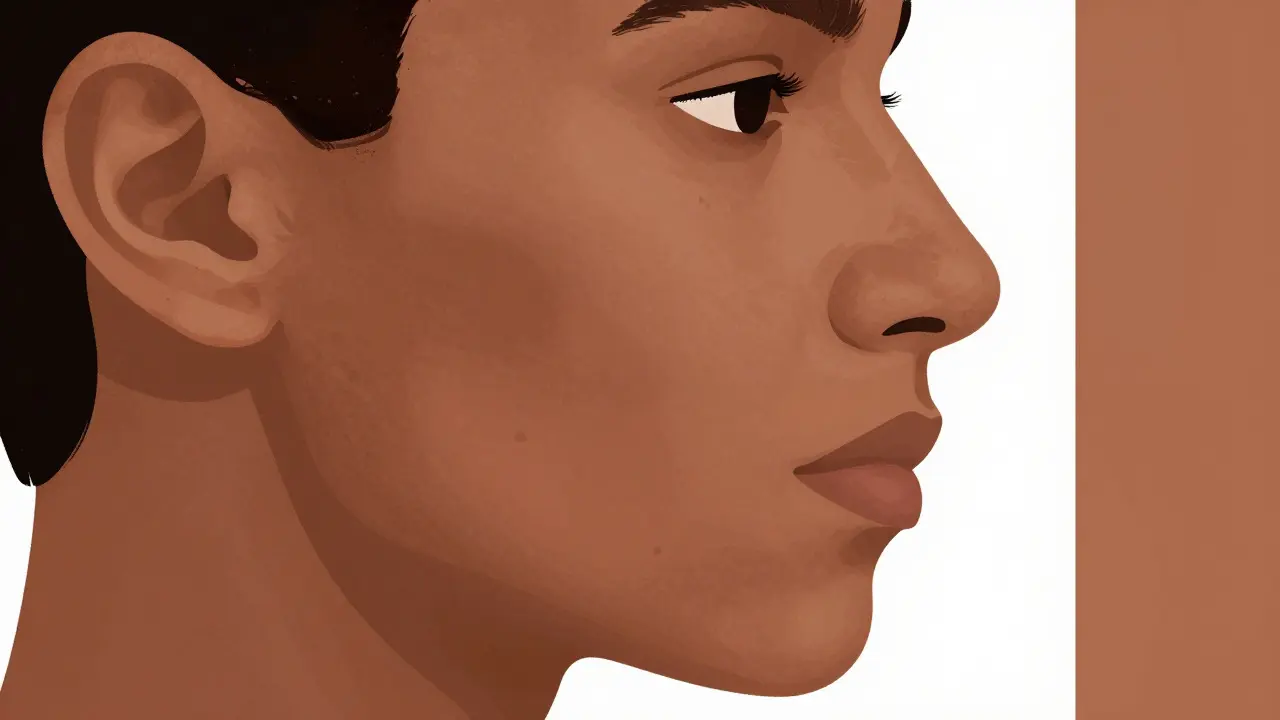
Have you ever noticed a dark spot on your skin that refuses to fade months after a pimple or cut has healed? Or perhaps you’ve had a scar that grew larger than the original wound, becoming raised and itchy? If you have darker skin tones, these are not just cosmetic annoyances; they are common biological responses rooted in how your skin produces pigment and repairs itself. Understanding skin of color dermatology is the specialized branch of medicine focusing on unique skin conditions affecting individuals with higher melanin content is the first step toward effective management.
The two most prevalent concerns for people with skin of color are hyperpigmentation is a condition characterized by darkened patches of skin caused by excess melanin production and keloids are overgrown scars formed by excessive collagen deposition during healing. While one deals with color changes and the other with texture and structure, both stem from an overactive healing process. This article breaks down what causes these conditions, why they affect certain skin types more severely, and practical steps you can take to manage them effectively.
Why Skin of Color Reacts Differently
To understand why these issues arise, we need to look at melanocytes. These are the cells responsible for producing melanin, the pigment that gives skin its color. In individuals with darker skin tones, melanocytes are more active and produce larger amounts of melanin. This provides natural protection against UV radiation but also makes the skin more reactive to inflammation and trauma.
When your skin experiences injury-whether it’s a severe acne breakout, a scratch, or even aggressive scrubbing-it triggers an inflammatory response. In lighter skin, this might result in a temporary redness that fades quickly. In skin of color, this inflammation signals melanocytes to go into overdrive, dumping extra pigment into the surrounding tissue. This is known as Post-Inflammatory Hyperpigmentation (PIH). Similarly, when deeper layers of the skin are injured, fibroblasts may produce too much collagen, leading to the thick, raised tissue characteristic of keloids. It is not a defect; it is simply an exaggerated version of a normal healing process.
Understanding Hyperpigmentation Types
Hyperpigmentation manifests in several ways, each requiring a slightly different approach. Identifying which type you have helps in choosing the right treatment.
- Post-Inflammatory Hyperpigmentation (PIH): This appears as flat, dark spots following acne, eczema, insect bites, or cuts. The color can range from light brown to gray or black, depending on the depth of the pigment. It is the most common form seen in clinical practice for patients with skin of color.
- Melasma: Often called the "mask of pregnancy," this presents as symmetrical, blotchy brown or gray patches on the face, particularly on the cheeks, forehead, and upper lip. Hormonal fluctuations, such as those during pregnancy or while taking birth control pills, combined with sun exposure, trigger this condition.
- Solar Lentigines: Commonly known as age spots or liver spots, these are small, tan, brown, or black spots caused by cumulative sun exposure over time. They typically appear on areas frequently exposed to the sun, like the hands and face.
It is crucial to distinguish PIH from active inflammation. Treating a dark spot left behind by a healed pimple requires different ingredients than treating an active, inflamed cyst. Applying harsh acids to active acne can worsen PIH, creating a vicious cycle of damage and darkening.
The Reality of Keloids
Keloids are distinct from regular scars. A normal scar stays within the boundaries of the original wound. A keloid grows beyond those borders, invading healthy surrounding skin. They can be firm, rubbery, and sometimes painful or itchy. People with Fitzpatrick skin types IV-VI (medium to very dark skin) are significantly more prone to developing keloids than those with lighter skin.
Common triggers include ear piercings, surgical incisions, chickenpox scars, and acne cysts. Interestingly, keloids can sometimes appear spontaneously without any obvious injury. Genetics play a massive role here; if your parents or siblings struggle with keloids, your risk is considerably higher. Unlike hyperpigmentation, which affects surface pigment, keloids involve structural changes in the dermis, making them harder to treat and more likely to recur after removal.
| Feature | Hyperpigmentation | Keloids |
|---|---|---|
| Primary Cause | Excess melanin production due to inflammation or sun | Excess collagen production during wound healing |
| Appearance | Flat, discolored patches (brown, gray, black) | Raised, thick, rubbery growths extending beyond wound |
| Sensation | Usually asymptomatic (no pain/itch) | Often itchy, tender, or painful |
| Spontaneous Resolution | Possible over months to years with care | Rare; usually persists without intervention |
| Recurrence Risk | High if triggers (sun/acne) remain | Very high after surgical excision alone |

Prevention Strategies That Actually Work
Treating these conditions is often slower and less predictable than preventing them. For anyone with skin of color, prevention is your strongest weapon.
Sun Protection is Non-Negotiable UV rays stimulate melanocytes. Without daily sunscreen, any treatment for hyperpigmentation will fail. You need a broad-spectrum SPF 30 or higher. However, standard white cast sunscreens can be discouraging to wear. Look for tinted mineral sunscreens containing iron oxides. Iron oxides block High Energy Visible (HEV) blue light from screens and the sun, which has been shown to worsen melasma and PIH in darker skin tones. Apply it every morning, even if you are staying indoors near windows.
Gentle Handling of Skin Trauma For keloid-prone individuals, minimizing unnecessary skin trauma is key. Avoid elective procedures like tattoos or body piercings in high-risk areas (chest, shoulders, earlobes) unless you have discussed prophylactic treatments with your dermatologist. When you do get a minor cut or acne spot, keep it clean and moist. Dry scabs increase inflammation. Use simple occlusive ointments like petroleum jelly to protect the wound while it heals.
Treatment Options for Hyperpigmentation
If you already have dark spots, consistency is key. Results take time-often three to six months. Quick fixes often lead to further irritation.
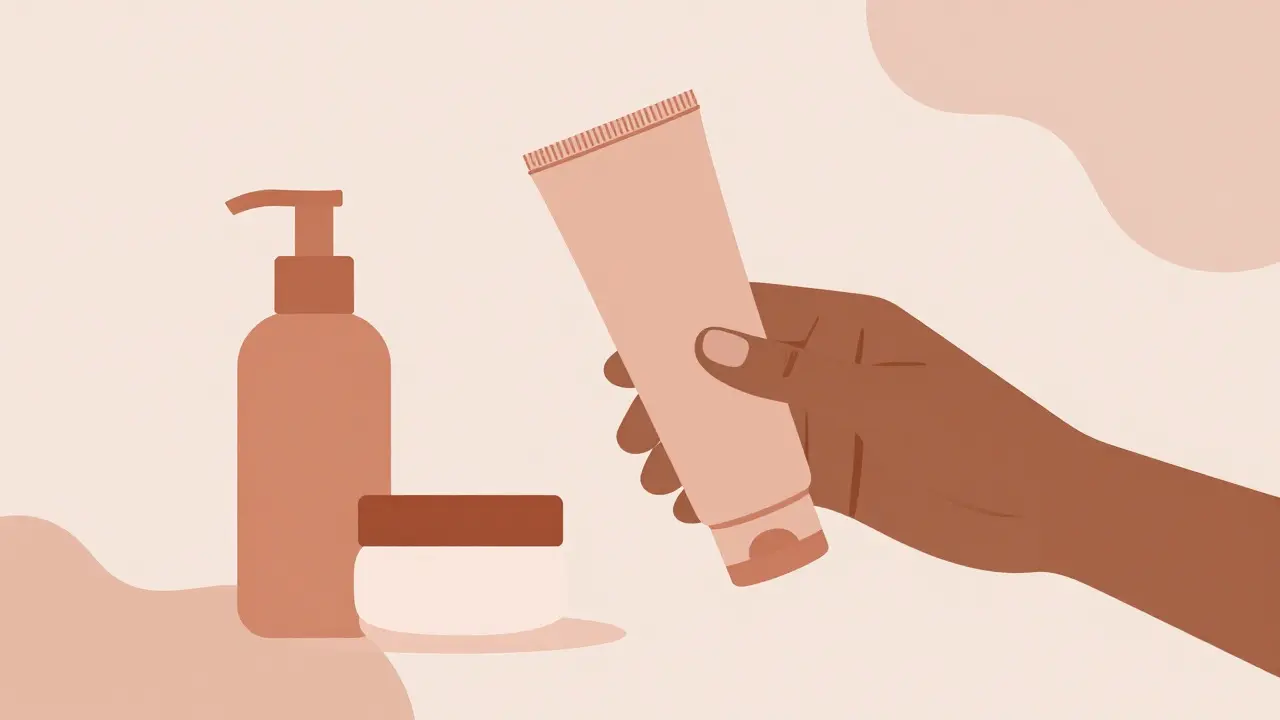
Topical Ingredients Several ingredients have proven efficacy in inhibiting melanin production: - Hydroquinone: Considered the gold standard for lightening, it works by blocking tyrosinase, an enzyme needed for melanin synthesis. It should be used in short cycles (e.g., 3 months on, 1 month off) under medical supervision to avoid side effects like ochronosis (paradoxical darkening). - Azelaic Acid: A gentler alternative suitable for sensitive skin and pregnancy. It reduces inflammation and pigment simultaneously. - Vitamin C: An antioxidant that brightens skin and boosts sunscreen efficacy. - Retinoids (Tretinoin): Increases cell turnover, helping shed pigmented cells faster. Start slowly to avoid irritation. - Niacinamide: Prevents the transfer of melanin to skin cells and strengthens the skin barrier.
Procedural Treatments Chemical peels (glycolic acid, salicylic acid) can help resurface the skin. However, caution is required. Strong peels can cause burns and subsequent PIH in darker skin if not performed by an expert familiar with skin of color. Laser treatments like Q-switched Nd:YAG lasers are safer options than older laser technologies, but they require precise settings to avoid thermal damage.
Managing Keloids
Keloids are notoriously difficult to eradicate completely. The goal is often flattening, reducing symptoms, and preventing growth rather than total disappearance.
First-Line Therapies Silicone gel sheets or silicone gels are the first line of defense. Wearing silicone sheets over a new or existing keloid for 12+ hours a day can hydrate the scar and reduce collagen production. Corticosteroid injections (Kenalog) are the most common medical treatment. They shrink the keloid and relieve itching/pain. Multiple sessions spaced weeks apart are usually necessary.
Advanced Interventions For stubborn cases, doctors may combine steroid injections with 5-fluorouracil (5-FU), a chemotherapy drug that stops rapid cell growth. Cryotherapy (freezing the keloid) followed by injection is another effective combination. Surgical excision is rarely recommended alone because the recurrence rate is nearly 50-100% in high-risk patients. If surgery is chosen, it must be paired with immediate post-operative radiation therapy or steroid injections to prevent regrowth.
Building a Safe Skincare Routine
Your daily routine should focus on barrier repair and gentle exfoliation. Harsh physical scrubs are enemies of skin of color. They create micro-tears that trigger inflammation and PIH.
- Cleanse: Use a mild, non-foaming cleanser that doesn’t strip natural oils.
- Treat: Apply your active ingredient (e.g., azelaic acid or vitamin C) to dry skin. Introduce only one new product at a time to monitor for reactions.
- Moisturize: Hydrated skin heals better. Look for ceramides, hyaluronic acid, and glycerin.
- Protect: Finish with your tinted broad-spectrum sunscreen.
If you experience stinging, redness, or increased darkness, stop the active ingredient immediately. Focus on moisturizing until the barrier recovers. Remember, irritated skin is pigmented skin.
How long does it take for hyperpigmentation to fade?
It varies widely. Superficial PIH may fade in 3 to 6 months with consistent sunscreen and topical treatment. Deeper dermal pigmentation or melasma can take 6 to 12 months or longer. Patience is essential, as rushing with harsh products often worsens the condition.
Can keloids go away on their own?
Rarely. Small keloids may stabilize and stop growing, but they seldom disappear completely without treatment. Early intervention with silicone sheets or steroid injections offers the best chance for significant reduction.
Is hydroquinone safe for dark skin?
Yes, when used correctly under medical supervision. Long-term continuous use can lead to ochronosis, a bluish-black discoloration. It is generally recommended to use hydroquinone for no more than 3 to 4 months at a time, followed by a break or transition to maintenance agents like azelaic acid.
What causes keloids to itch?
Itching is caused by nerve endings being stretched and compressed by the rapidly growing collagen fibers within the keloid. Inflammation and histamine release also contribute to the sensation. Steroid injections help reduce this inflammation and alleviate itching.
Should I pop my pimples if I have skin of color?
Absolutely not. Popping pimples creates open wounds and increases inflammation, which directly triggers post-inflammatory hyperpigmentation (PIH) and potentially keloids. Use hydrocolloid patches instead to absorb fluid and protect the area without trauma.