

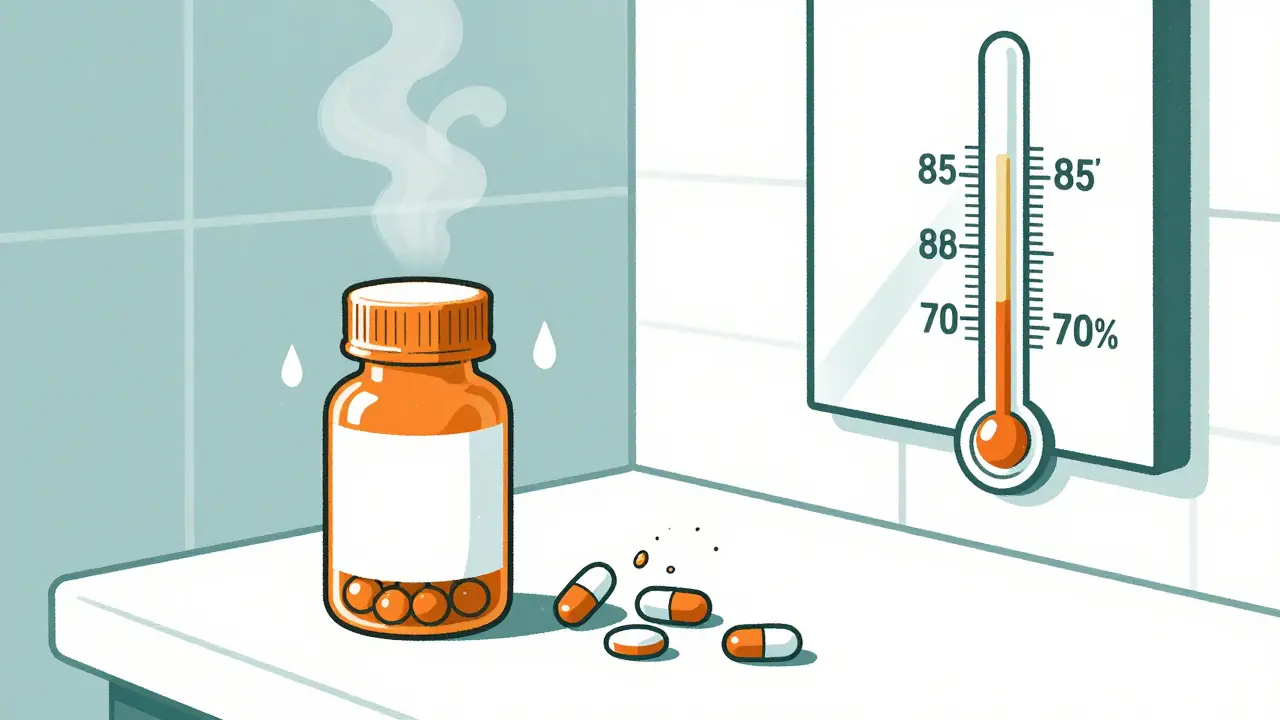
Why Your Medicine Needs a Stable Environment
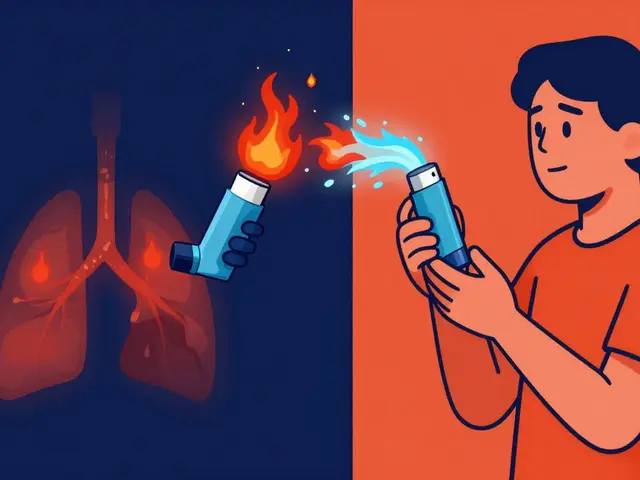
Imagine taking a prescription that’s supposed to lower your blood pressure, but it’s been sitting in a hot bathroom for weeks. It might look the same, but it’s not working like it should. That’s not speculation-it’s science. Medications are delicate chemical formulas, and their effectiveness depends heavily on how they’re stored. Too much heat, too much moisture, or even a quick freeze can break them down before you even swallow them.
The FDA found that in 2022, 78% of all pharmaceutical recalls were tied to temperature problems during storage or transport. That’s not a small number. It means nearly four out of five recalls happened because someone didn’t keep the medicine at the right conditions. And it’s not just hospitals or pharmacies. This matters in your home too.
What’s the Right Temperature? It Depends on the Drug
There’s no one-size-fits-all rule. Different medicines need different environments. The U.S. Pharmacopeia (USP) breaks it down into four clear categories:
- Room Temperature: 20°C to 25°C (68°F to 77°F). This is where most pills, capsules, and liquid antibiotics go. Excursions between 15°C and 30°C (59°F to 86°F) are allowed briefly, but not for long.
- Controlled Cold: 2°C to 8°C (36°F to 46°F). This is for insulin, many vaccines, injectables, and some biologics. Don’t freeze these-they’ll lose potency.
- Frozen: -25°C to -10°C (-13°F to 14°F). Used for some specialty drugs like certain cancer treatments.
- Deep Frozen: Below -20°C (-4°F). Reserved for very sensitive biological products.
Always check the label. If it says “store in refrigerator,” don’t assume your fridge is perfect. The door shelves are the warmest part. The back, middle shelf is safest.
Humidity Is Just as Important as Temperature
Heat gets all the attention, but moisture is the silent killer. High humidity makes pills stick together, causes capsules to crack, and degrades liquid medications. The WHO and USP both say 50% relative humidity is ideal. Too dry? Some drugs become brittle. Too damp? Mold grows. Bacteria thrive.
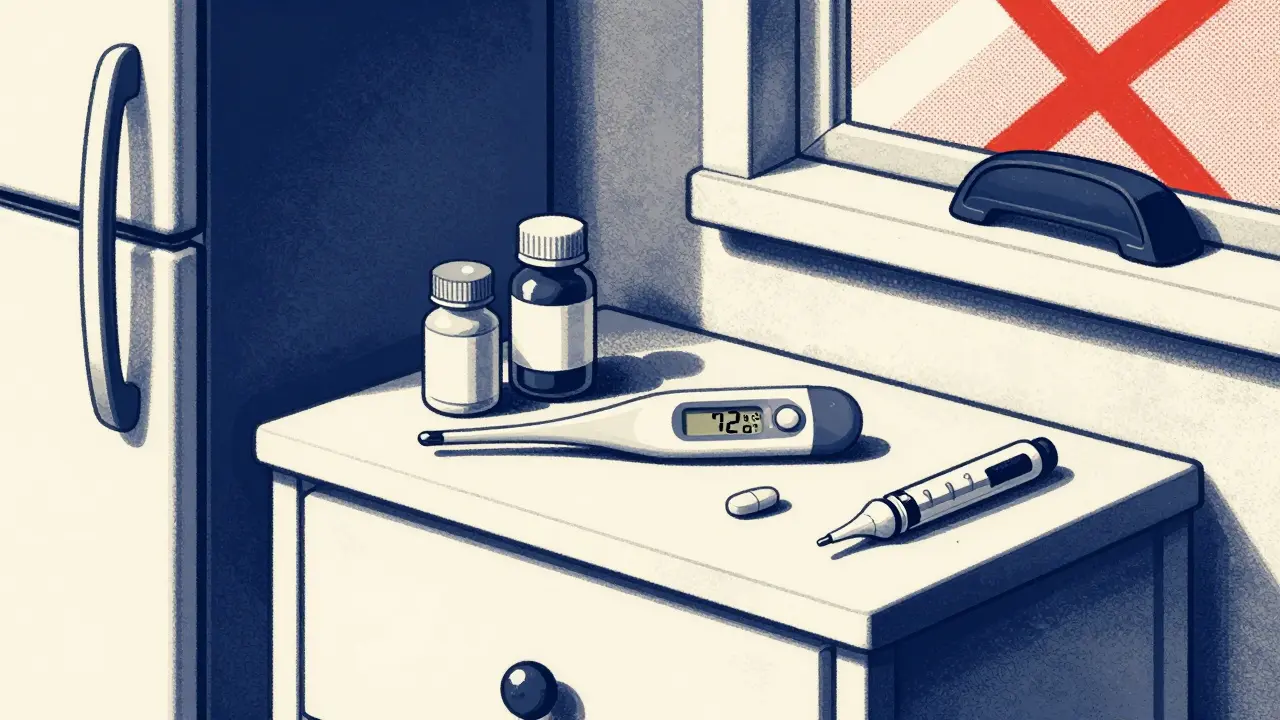
That’s why you should never store medicine in the bathroom. Showers, sinks, and hot water create steam that raises humidity levels fast-even if the room feels cool. Kitchens are risky too. Ovens, kettles, and dishwashers add heat and moisture. Windowsills? Sunlight heats up the bottle, and UV rays can break down chemicals. A bedroom drawer or a closet away from heat sources is far better.
What Happens When Conditions Go Wrong?
It’s not just about wasted money. It’s about safety. Dr. Michael Chen’s 2022 study showed that when medications were exposed to temperatures outside the 59°F-77°F range, their effectiveness dropped by 23% to 37%. Hormone-based drugs-like birth control pills, chemotherapy agents, and anti-seizure meds-were the most affected. One study found that after just 48 hours at 35°C (95°F), some antibiotics lost over 40% of their potency.
Insulin is especially vulnerable. If it freezes, the protein structure breaks. Even if it thaws, it won’t work right. People have ended up in emergency rooms because they used insulin that had been left in a cold car overnight. The same goes for epinephrine auto-injectors (EpiPens). Heat makes them less effective when you need them most.
And it’s not just about individual patients. The WHO estimates that 15-20% of global medication wastage comes from poor storage. That’s $35 billion worth of pills, vaccines, and injectables thrown away every year because they were never kept cold or dry enough.
How to Monitor Storage Correctly
Guessing isn’t enough. You need proof. The CDC and FDA require temperature monitoring devices with specific features:
- Buffered probe (to avoid false readings when the door opens)
- Alarm that sounds if temps go out of range
- Minimum/maximum temperature display
- Logging every 30 minutes or less
- Current calibration certificate
Many pharmacies still use cheap, non-buffered thermometers. A 2023 study found that 41% of these devices gave misleading readings during normal door openings-making it look like everything was fine when it wasn’t.
For home use, you can buy small, FDA-cleared digital loggers for under $50. Place one near your medicine cabinet. Check it weekly. If the max temp hit 85°F last week, it’s time to move your meds.
Where Not to Store Medication
Here are the top five worst places to keep your drugs:
- Bathroom cabinets - Humidity spikes every time someone showers.
- Car glovebox - In Sydney summer, it can hit 60°C (140°F) inside a parked car.
- Windowsills - Sunlight degrades drugs and heats them up.
- Refrigerator door shelves - Temperature swings up to 5°F more than the center.
- On top of the TV or fridge - Heat rises. These spots are warmer than you think.
Best practice? Pick one cool, dry, dark spot. A locked drawer in your bedroom works well. Keep it away from kids and pets too.
What’s Changing in 2026?
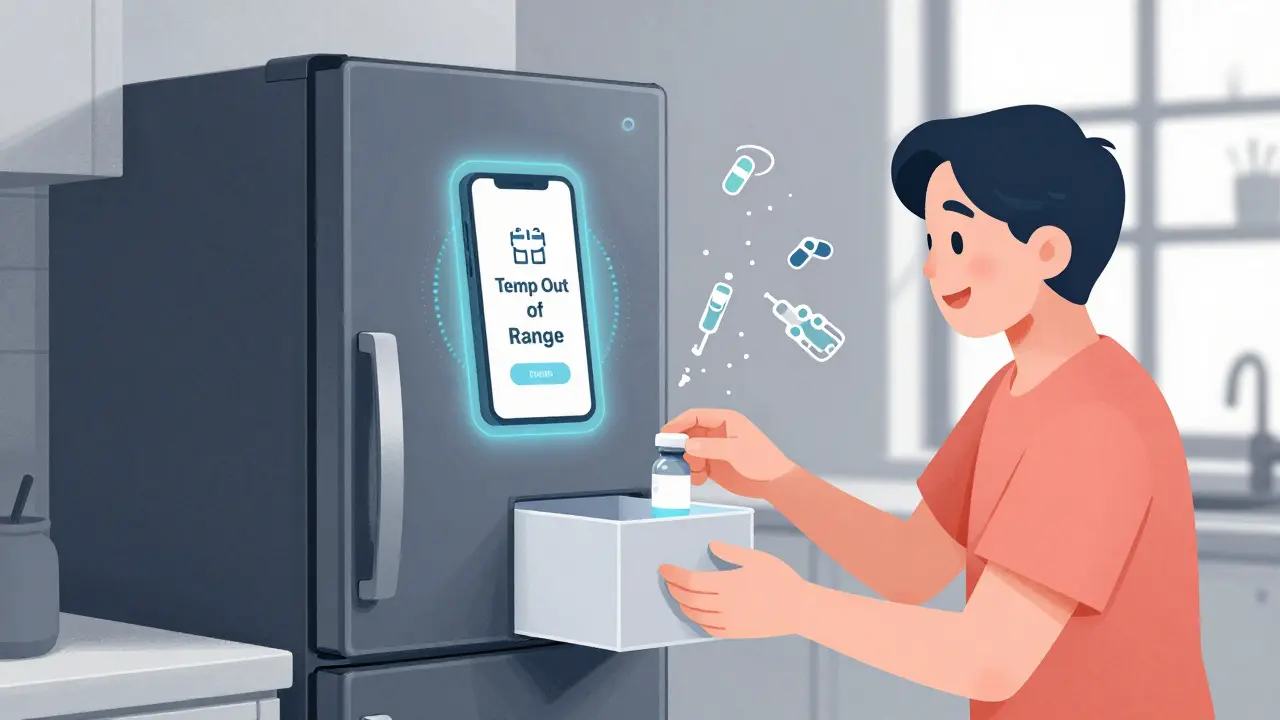
The rules are getting stricter. By December 2025, the FDA will require all healthcare facilities to use real-time remote monitoring for temperature-sensitive drugs. That means no more manual logs. Systems will alert staff automatically if a fridge goes out of range.
USP is also updating Chapter 1079 to tighten humidity controls. The new standard will limit relative humidity to 45% ± 5% for moisture-sensitive drugs. And more facilities are turning to IoT sensors and AI tools that predict when a fridge might fail before it happens.
Even at home, you’ll see more smart storage options-like refrigerators with built-in drug zones and Bluetooth loggers that send alerts to your phone. The goal? Zero waste. Zero failures. Zero risks.
What You Can Do Today
You don’t need expensive gear to keep your meds safe. Start here:
- Read the label. If it says “store at room temperature,” don’t put it in the fridge.
- Buy a $40 digital thermometer with memory. Place it near your medicine.
- Move meds out of the bathroom and away from heat sources.
- Check expiration dates monthly. If a pill looks discolored, cracked, or smells odd, throw it out.
- Ask your pharmacist: “Is this medication sensitive to heat or humidity?” They’ll tell you.
One simple change-moving your insulin from the bathroom to a bedroom drawer-could mean the difference between a stable blood sugar level and a trip to the hospital.
Final Thought: Your Medicine Deserves Better
Medications aren’t just pills. They’re the result of years of research, clinical trials, and manufacturing precision. They’re designed to work under exact conditions. When we ignore those conditions, we’re not just wasting money-we’re risking our health.
It’s not about being perfect. It’s about being aware. A little attention to temperature and humidity can save lives, prevent waste, and make sure your treatment actually works when you need it most.
12 Comments

Scottie Baker
January 15, 2026 AT 02:36
Bro, I left my EpiPen in the car for two hours last summer. It was 102°F outside. I thought it was fine till my kid had a reaction and it barely worked. Scared the hell out of me. Now I keep it in a cooler with a gel pack in the fridge. Don’t be that guy.

Gregory Parschauer
January 16, 2026 AT 18:03
Let’s be real-most people treat their meds like they’re candy from a gas station. The FDA’s 78% recall stat isn’t just a number, it’s a systemic failure of public health literacy. You think your bathroom cabinet is ‘cool enough’? That’s not storage, that’s chemical negligence. USP 1079 is coming, and if you’re still using a $10 thermometer from Amazon, you’re not just irresponsible-you’re a public health liability.
Humidity isn’t ‘kinda important,’ it’s a bio-degradation accelerator. Pills sticking together? That’s not ‘old medicine,’ that’s fungal contamination waiting to happen. And don’t get me started on insulin left in a car during a Texas summer. People die from this. Not ‘maybe’ die. Die.
The WHO’s $35 billion waste metric? That’s not corporate greed-it’s the result of millions of households treating life-saving drugs like they’re gym socks. You wouldn’t leave your insulin in a steam room, but you do? Why? Because you’re lazy. And now you’re putting your entire family at risk.
Real solution? Stop guessing. Buy a calibrated, buffered logger. $40. One-time cost. Lifesaving data. If you can’t afford $40 to not die, maybe you shouldn’t be taking prescription meds at all.

Clay .Haeber
January 18, 2026 AT 09:57
Oh wow, the FDA says meds are sensitive to heat. Shocking. Next you’ll tell me water is wet and gravity isn’t optional. I mean, I guess if you’ve never seen a pill melt in your glovebox while driving to the DMV, you’re living in a fantasy world where pharmaceuticals are made of unicorn tears.
But let’s be honest-most of this is just pharma companies trying to sell you $200 ‘smart medicine fridges’ so they can charge $500 for a bottle of lisinopril. ‘Real-time remote monitoring’? Cool. Now I need an app, a Bluetooth sensor, a subscription, and a PhD in pharmacology just to take my blood pressure pill.
I keep my meds in the bathroom. It’s clean, it’s convenient, and I’ve been on the same script for 12 years. If it still looks like a pill, it still works. Science? Nah. I trust my gut. And my gut says you’re overcomplicating the hell out of this.

Avneet Singh
January 20, 2026 AT 00:44
While the USP guidelines are technically accurate, the practical implementation is grossly misaligned with socioeconomic realities. In India, for instance, the average household lacks climate-controlled storage. Refrigeration is intermittent. Power outages are routine. To prescribe a 45% ± 5% RH standard without addressing infrastructure asymmetry is epistemic violence disguised as public health policy.
Furthermore, the conflation of ‘efficacy loss’ with ‘toxicity’ is a dangerous rhetorical sleight-of-hand. Degradation ≠ immediate harm. Most degraded pharmaceuticals remain pharmacologically inert, not carcinogenic. The fear-mongering around ‘mold growth’ on pills is statistically negligible compared to the actual risks of non-adherence due to inaccessible storage solutions.
Perhaps instead of policing individual storage, we should be investing in decentralized, ambient-stable formulations. But no-let’s just make everyone buy $50 loggers. Capitalism wins again.

Anny Kaettano
January 20, 2026 AT 12:59
I want to say thank you for this post-it’s the kind of info I wish I’d known 5 years ago when my mom was on insulin and we kept it in the fridge door because ‘that’s where we put everything.’ We had no idea the temp swung 8°F every time we opened it.
After she had a bad reaction, we bought a little digital logger for $35 and placed it right next to her meds. We check it every Sunday with coffee. It’s become part of our routine. No alarms, no drama-just peace of mind.
If you’re reading this and you’re caring for someone on meds, please don’t wait for a crisis. Move the bottle. Buy the thermometer. Talk to your pharmacist. It’s not about being perfect. It’s about being present. And that’s the most powerful thing you can do.
Also-yes, your bathroom is the worst place. I promise. Even if it looks nice.

Kimberly Mitchell
January 20, 2026 AT 22:43
Stop acting like this is new information. The USP has had these guidelines since the 90s. The fact that people still store insulin in their cars or meds in the bathroom isn’t ignorance-it’s willful neglect masked as convenience. This isn’t rocket science. It’s basic responsibility. If you can’t follow basic storage instructions for a life-saving drug, you don’t deserve to be on it.
And no, buying a $40 logger doesn’t make you a good person. It just means you’re no longer actively endangering yourself. Do better.

Angel Molano
January 22, 2026 AT 01:31
Bathroom = bad. Fridge door = bad. Sunlight = bad. Buy a $40 logger. Move your meds. Done.

John Pope
January 23, 2026 AT 13:06
Here’s the uncomfortable truth no one wants to admit: our entire pharmaceutical system is built on the illusion of control. We pretend we can engineer perfect storage conditions for drugs that were designed in labs, but we live in a world of fluctuating power grids, leaky homes, and human forgetfulness.
The real crisis isn’t temperature-it’s the alienation of care. We treat medicine like a product, not a covenant. We hand someone a bottle and say, ‘Here, take this.’ But we never ask: Do you have a cool, dry place? Do you have electricity? Do you have someone to remind you? Or are you just hoping the pill survives your apartment like a soldier surviving a warzone?
2026’s IoT sensors? They’re not fixing the problem. They’re just making us feel like we’re doing something while the system remains broken. The real solution isn’t a sensor-it’s a society that values health over profit. But that’s too philosophical for a Reddit post, isn’t it?

Adam Vella
January 24, 2026 AT 16:09
The referenced FDA recall statistic is misleadingly presented. Of the 78% of recalls tied to temperature deviations, the majority occurred during transit and warehousing-not consumer-level storage. To imply that home storage is the primary driver of pharmaceutical failure is a misrepresentation of data. Furthermore, the cited 23–37% efficacy loss in Dr. Chen’s study applies only to specific thermolabile compounds under extreme, non-representative conditions (e.g., 48 hours at 35°C), which rarely occur in typical domestic environments.
While prudent storage is advisable, the emotional framing of this article risks inducing unnecessary anxiety in patients. The risk-benefit ratio of over-monitoring (e.g., purchasing calibrated loggers) must be weighed against the psychological burden and economic cost imposed on low-income populations. A one-size-fits-all approach to storage is neither scientifically nor ethically defensible.

Angel Tiestos lopez
January 24, 2026 AT 22:05
bro i just put my meds in my sock drawer and now i feel like a philosopher 🤔
no cap, the bathroom is a sauna after shower 😭
also i bought that $30 logger and now my phone pings me like a little robot friend 🤖❤️
my grandma used to say ‘if it don’t look right, don’t take it’-turns out she was a chemist in her past life 🌿💊
also i put my epipen in the fridge but not the door-i’m not a monster

Robin Williams
January 25, 2026 AT 01:15
you know what’s wild? the fact that we spend thousands on fancy gym gear, but won’t spend $40 to make sure our life-saving pills actually work.
i used to be the guy who kept his insulin in the bathroom. then my buddy had a seizure because his meds degraded. that changed everything.
now i check my logger every week. it’s not about being perfect. it’s about being alive.
and hey-if you’re reading this and you’re still storing meds in your car? please, for the love of everything holy, move them. your future self will thank you.
Scottie Baker
January 25, 2026 AT 19:41
Yeah, I saw your comment about the sock drawer. That’s actually genius. I just moved mine there too. No sun, no steam, no drama. Just socks and safety.
Write a comment