

Imagine taking a pill that is designed to lower your blood pressure, but because you had a glass of grapefruit juice or took a common antacid, the medicine either doesn't work or becomes dangerously strong. This isn't magic or a random glitch; it is a pharmacokinetic drug interaction is a process where one substance alters how another medication moves through your body, affecting its absorption, distribution, metabolism, or excretion. When this happens, the amount of drug that actually reaches its target in your body changes, which can lead to treatment failure or toxic side effects.
While the term sounds like something only a scientist would use, understanding these interactions is a vital part of your own healthcare. In the U.S. alone, adverse drug reactions cause about 1.3 million emergency room visits every year. For older adults, these interactions are even more common, contributing to 6-10% of all hospital admissions. The good news is that most of these risks are manageable if you know what to look for and how to talk to your doctor.
The ADME Process: How Your Body Handles Drugs
To understand how drugs interact, you first need to know the four stages of how a drug travels through you, collectively known as ADME. Think of it as a delivery service: the drug has to be picked up, transported, processed, and then thrown away.
- Absorption: This is how the drug gets from the point of administration (like your stomach) into your bloodstream.
- Distribution: Once in the blood, the drug is carried to where it needs to go. Some drugs hitch a ride on proteins in the blood.
- Metabolism: This is the "processing plant," mostly in your liver, where the body breaks down the drug so it can eventually be removed.
- Excretion: The final step where the body gets rid of the waste, usually through the kidneys and urine.
A pharmacokinetic interaction happens when one drug "jams" the machinery at any of these four stages. If the machinery slows down, the drug builds up in your system (potentially becoming toxic). If it speeds up, the drug is flushed out too quickly, and it won't work.
Absorption: When the Door is Blocked
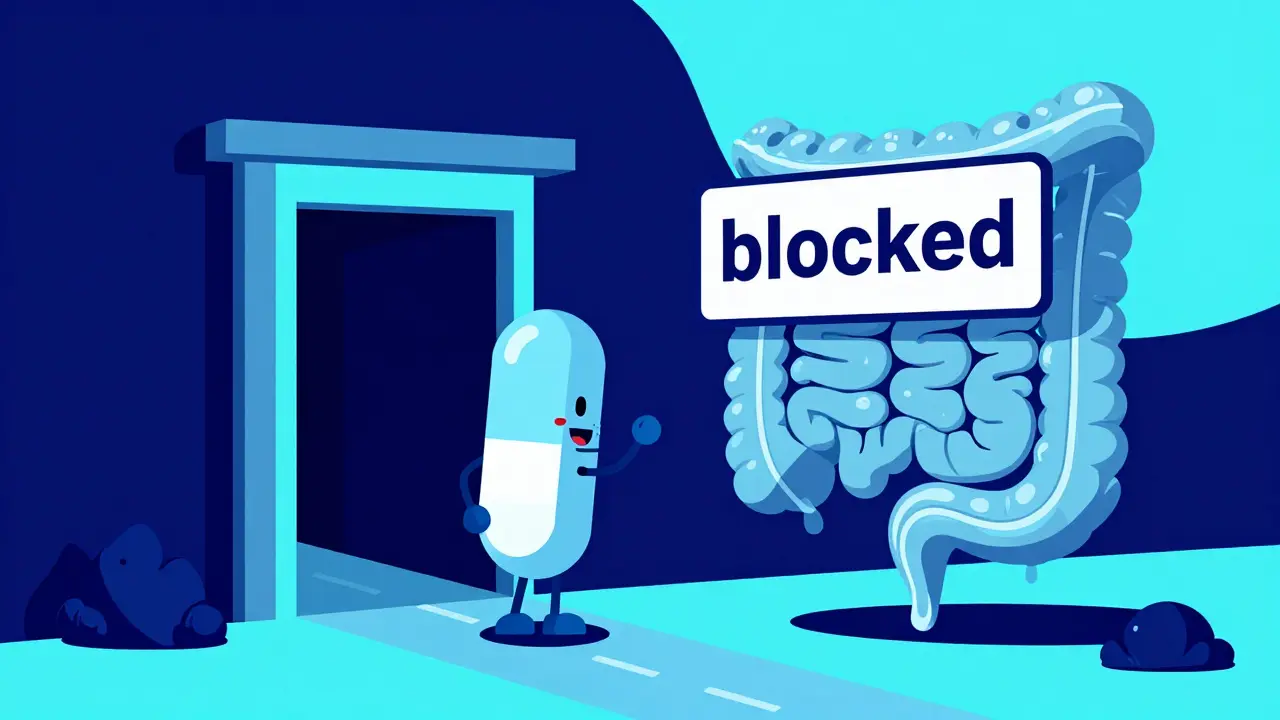
Absorption interactions happen when a drug can't get into your bloodstream properly. Sometimes, two drugs simply don't get along in the stomach. For example, antacids neutralize stomach acid, but some medications, like the antifungal ketoconazole, actually need that acid to be absorbed. If you take them together, the medicine just sits there without entering your system.
Then there is "chelation," which is like a chemical magnet. Certain antibiotics, such as tetracycline, can bind to calcium in dairy products. This forms a complex that your body can't absorb, potentially reducing the drug's effectiveness by up to 50%. This is why your pharmacist might tell you not to take certain pills with a glass of milk.
Other drugs can physically slow down the gut. Opioids like morphine can decrease gastric motility, meaning the stomach empties slower. This delays the absorption of other meds, like acetaminophen, which are absorbed further down in the intestine.
Distribution: The Battle for a Ride
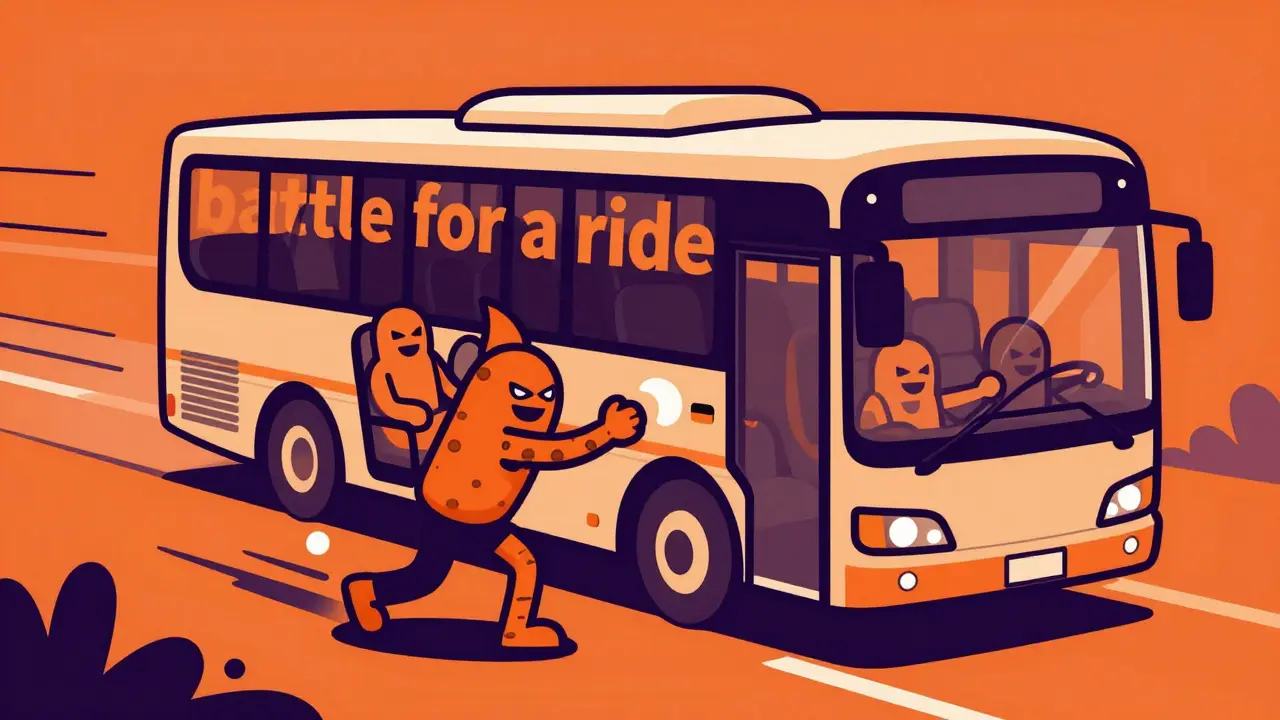
Once a drug is in your blood, it often binds to a protein called albumin. Think of albumin as a bus; the drug is the passenger. Only the "free" drug (the ones not on the bus) can actually enter your tissues and do its job.
A problem arises when two drugs compete for the same seat on the bus. A classic example is the interaction between warfarin (a blood thinner) and diclofenac (an NSAID). Both have a high affinity for albumin. If you take diclofenac, it can literally bump the warfarin off the protein. Suddenly, there is way more "free" warfarin in your blood, which can lead to serious bleeding or hemorrhagic reactions.
| Stage | What Happens | Real-World Example | Potential Result |
|---|---|---|---|
| Absorption | Drug cannot enter bloodstream | Antacids + Ketoconazole | Medication doesn't work |
| Distribution | Competition for blood proteins | Warfarin + Diclofenac | Increased drug toxicity/bleeding |
| Metabolism | Liver enzymes blocked or sped up | Grapefruit juice + Statins | Dangerously high drug levels |
| Excretion | Kidneys can't clear the drug | Digoxin + Itraconazole | Accumulation and toxicity |
Metabolism: The Liver's Processing Plant
Metabolism is where the most dangerous interactions usually happen. The star of the show here is the cytochrome P450 (or CYP) enzyme system. These enzymes act like tiny scissors that cut up drug molecules so your body can get rid of them. The most common ones are CYP3A4 and CYP2D6.
There are two main ways this goes wrong: Inhibition and Induction.
Inhibition is when a drug (or food) blocks the enzyme. If the "scissors" are broken, the drug builds up. Grapefruit juice is a famous inhibitor of CYP3A4. If you take a medication processed by this enzyme, the juice blocks the breakdown, and the drug levels in your blood can spike. Similarly, the antibiotic clarithromycin can block the metabolism of midazolam, leading to excessive sedation or even respiratory failure.
Induction is the opposite. Some substances tell your liver to make more enzymes. This means the drugs are chopped up and flushed out much faster than normal. St. John's Wort and certain seizure medications like phenobarbital are known inducers. If you start taking these, your other medications might stop working because your liver is destroying them too quickly.
Excretion: The Exit Strategy
The final stage is excretion, primarily handled by the kidneys. Just as drugs compete for protein in the blood, they can compete for the "exit doors" in the kidney tubules. Some drugs use transporter proteins, like P-glycoprotein (P-gp), to push the drug out of the cell and into the urine.
If you take a drug like itraconazole, it can inhibit P-gp. If you are also taking digoxin (a heart medication), the "exit door" is blocked. Digoxin stays in your system longer, increasing the risk of life-threatening heart arrhythmias. Other common examples include NSAIDs, which can slow down the excretion of methotrexate, potentially leading to bone marrow suppression and kidney damage.
How to Protect Yourself
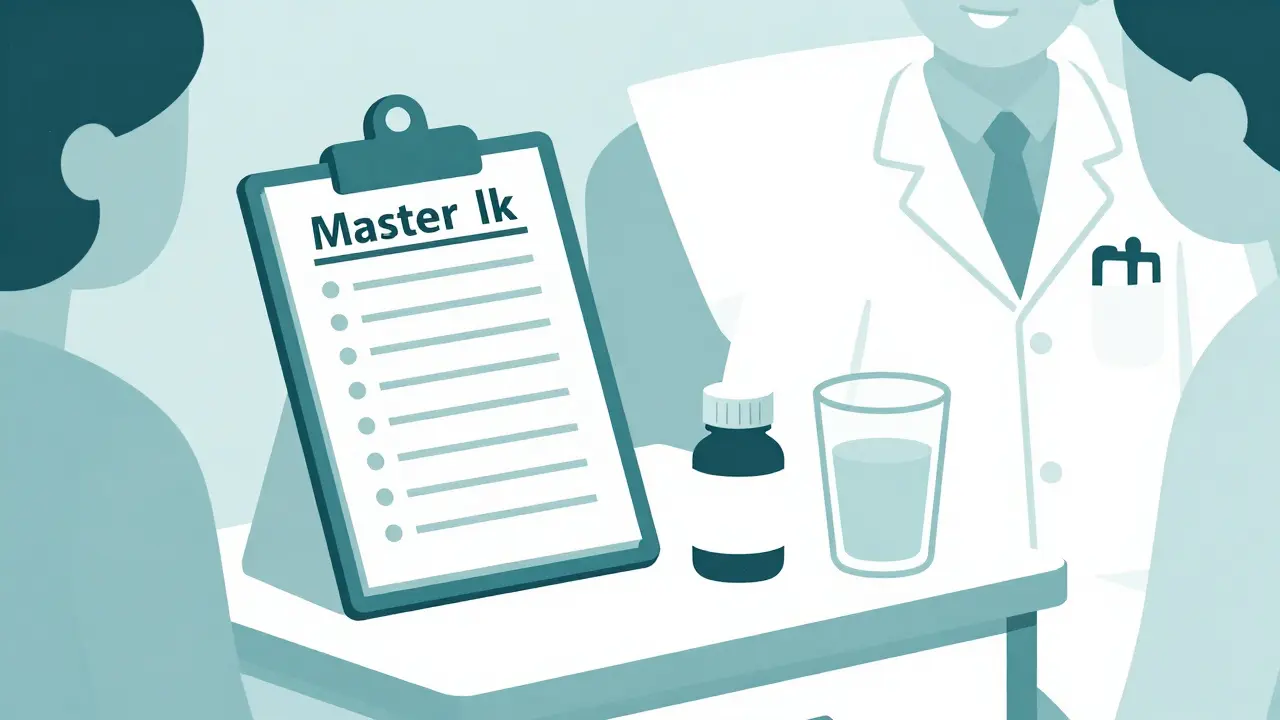
You don't need a pharmacy degree to stay safe. A few simple habits can drastically reduce your risk of a bad interaction. First, keep a master list. This should include every single prescription, over-the-counter pill, vitamin, and herbal supplement you take. Research shows that maintaining a complete list can reduce interaction risks by nearly 47%.
Second, stick to one pharmacy. When you use a single provider, their computer system can flag potential interactions across all your medications. These systems prevent hundreds of thousands of adverse events every year by catching a conflict before the bottle ever reaches your hand.
Finally, be an active part of the conversation. When a doctor prescribes something new, ask these specific questions:
- "Could this interact with any of my current medications or supplements?"
- "Are there specific foods or drinks (like grapefruit juice or dairy) I should avoid while taking this?"
- "Should I space this medication out from my other pills?" (Some need to be taken 2-4 hours apart to avoid absorption issues).
Is a pharmacokinetic interaction the same as a pharmacodynamic one?
No. Pharmacokinetic interactions are about how your body processes the drug (ADME). Pharmacodynamic interactions are about what the drug does to your body. For example, if two drugs both slow down your heart rate, that is a pharmacodynamic interaction-they are adding their effects together, regardless of how they are metabolized.
Why does grapefruit juice affect so many medications?
Grapefruit juice contains compounds that block the CYP3A4 enzyme in your small intestine and liver. Because this enzyme is responsible for breaking down a huge variety of drugs (including many statins and blood pressure meds), blocking it causes the drugs to enter your bloodstream in much higher concentrations than intended.
Can herbal supplements cause these interactions?
Yes, absolutely. Many people assume "natural" means "safe," but herbal products are chemically active. St. John's Wort, for instance, is a potent inducer of CYP enzymes, which can make other life-saving medications, like birth control or transplant rejection drugs, less effective.
What should I do if I suspect a drug interaction?
If you notice new or unusual symptoms after starting a new medication, contact your healthcare provider immediately. Do not stop taking a prescribed medication without talking to your doctor first, as some drugs can cause dangerous withdrawal symptoms if stopped abruptly.
How do doctors prevent these interactions?
Providers use Clinical Decision Support Systems (CDSS) within electronic health records that alert them to potential conflicts. They also rely on expert databases like Lexicomp and Stockley's Drug Interactions to determine if a combination is safe or requires a dose adjustment.
11 Comments

Christopher Cooper
April 8, 2026 AT 07:48
The analogy of the bus for albumin is actually a great way to visualize protein binding. It makes the concept of "free drug" much easier to grasp for people who aren't in the medical field.

Daniel Trezub
April 8, 2026 AT 11:37
Sure, but the grapefruit juice thing is honestly way overblown in most cases unless you're taking massive doses of certain statins. People act like one glass of juice is going to send them to the ER immediately, which is just not how it works for most. Plus, the ADME simplification is a bit too basic, it ignores a lot of the nuances of first-pass metabolism and the role of specific transporters beyond just P-gp. It's a fine intro, I guess, but it's pretty surface-level stuff if you've actually read a pharmacology textbook.

Michael Flückiger
April 9, 2026 AT 20:54
Keep a list!!! It's so important to stay organized with your meds!!! Everyone should do this!!!

GOPESH KUMAR
April 11, 2026 AT 18:36
The irony of modern medicine is that we create a cure only to find that the cure interacts with the previous cure. We are essentially playing a game of chemical Jenga with our internal organs. The obsession with these lists is just a band-aid on a systemic failure of integrated care. Why is the burden on the patient to track a master list when the electronic records should be universal? It's a philosophical failure of the healthcare system to treat the body as a series of isolated chemical reactions rather than a holistic entity.

Laurie Iten
April 12, 2026 AT 04:57
natural doesnt always mean safe

Ruth Swansburg
April 13, 2026 AT 17:19
Please remember to contact your pharmacist for a full review of your supplements. It is a wonderful way to ensure your safety.

Jitesh Mohun
April 14, 2026 AT 05:56
stop relying on these basic guides and just talk to your doctor for once if you actually care about your health

Jay Vernon
April 15, 2026 AT 18:25
Wow I never knew about the milk and antibiotics thing! 🥛😱 Thanks for the heads up! 👍

Timothy Burroughs
April 15, 2026 AT 20:37
typical bureaucracy making us keep lists because the system is broken. in a real country the doctors would actually know what they are doing without a computer flagging a juice interaction

Nikhil Bhatia
April 17, 2026 AT 19:36
too long didnt read

Sarabjeet Singh
April 18, 2026 AT 22:43
stay safe everyone
Write a comment