



Anticoagulant Dosing Guide for Kidney Disease
mL/min
Stage 1: Normal function
Apixaban
Eliquis
--
--
Rivaroxaban
Xarelto
--
--
Edoxaban
Savaysa/Lixiana
--
--
Warfarin
Coumadin
--
--
Enter an eGFR value to see dosing recommendations.
Managing anticoagulation is the medical use of blood-thinning medications to prevent dangerous clots while balancing the risk of severe bleeding becomes a high-stakes puzzle when patients have chronic kidney disease (CKD) or chronic liver disease. These conditions alter how your body processes drugs and produces clotting factors, turning standard protocols into complex, individualized decisions. For millions of Americans living with these comorbidities, finding the right balance between preventing a stroke and avoiding a life-threatening hemorrhage is the daily reality for both patients and their care teams.
The landscape shifted dramatically after 2010-2012 with the approval of direct oral anticoagulants (DOACs). While these newer agents offered convenience over traditional warfarin, major clinical trials systematically excluded patients with advanced organ dysfunction. This left a significant evidence gap for those with estimated glomerular filtration rate (eGFR) below 15 mL/min or Child-Pugh class C liver disease. Today, clinicians rely on extrapolated data, pharmacokinetic studies, and expert consensus rather than definitive randomized controlled trial results for these vulnerable populations.
Navigating Anticoagulation in Chronic Kidney Disease
Kidney function dictates drug clearance, making renal assessment the cornerstone of safe prescribing. The 2021 KDIGO guidelines highlight that creatinine-based equations like CKD-EPI can have 30-40% imprecision in advanced stages, requiring cautious interpretation. For patients in early stages (CKD 1-3a, eGFR ≥45 mL/min), all DOACs are generally safe at standard doses. However, as kidney function declines, adjustments become critical.
In stage 3b CKD (eGFR 30-44 mL/min), dose reductions are mandatory for several agents. Apixaban drops from 5 mg to 2.5 mg twice daily, rivaroxaban from 20 mg to 15 mg daily, and edoxaban from 60 mg to 30 mg daily. When we reach stage 4-5 CKD (eGFR <30 mL/min), the regulatory landscape splits. The European Medicines Agency contraindicates rivaroxaban and apixaban, whereas the FDA permits apixaban at 2.5 mg twice daily. This FDA stance relies on post-hoc analyses of the ARISTOTLE trial, which showed a 70% relative risk reduction in major bleeding versus warfarin in this subgroup.
| Drug | Renal Clearance (%) | eGFR 30-44 mL/min Action | eGFR <30 mL/min Status |
|---|---|---|---|
| Apixaban | 27% | Dose reduce to 2.5 mg BID | FDA permitted; EMA contraindicated |
| Rivaroxaban | 33% | Dose reduce to 15 mg daily | Contraindicated (EMA/FDA) |
| Edoxaban | 50% | Dose reduce to 30 mg daily | Contraindicated |
| Dabigatran | 80% | Dose reduce to 110 mg BID | Contraindicated |
Hemodialysis patients present unique challenges. Pharmacokinetic studies indicate that apixaban 2.5 mg twice daily achieves trough concentrations of 47±21 ng/mL, significantly lower than the 112±64 ng/mL seen in patients with normal renal function. Warfarin remains an option but requires biweekly INR monitoring due to increased sensitivity in CKD patients. The target INR may be lowered to 1.8-2.5 in severe cases to mitigate bleeding risks.
Complexities of Liver Disease and Coagulation
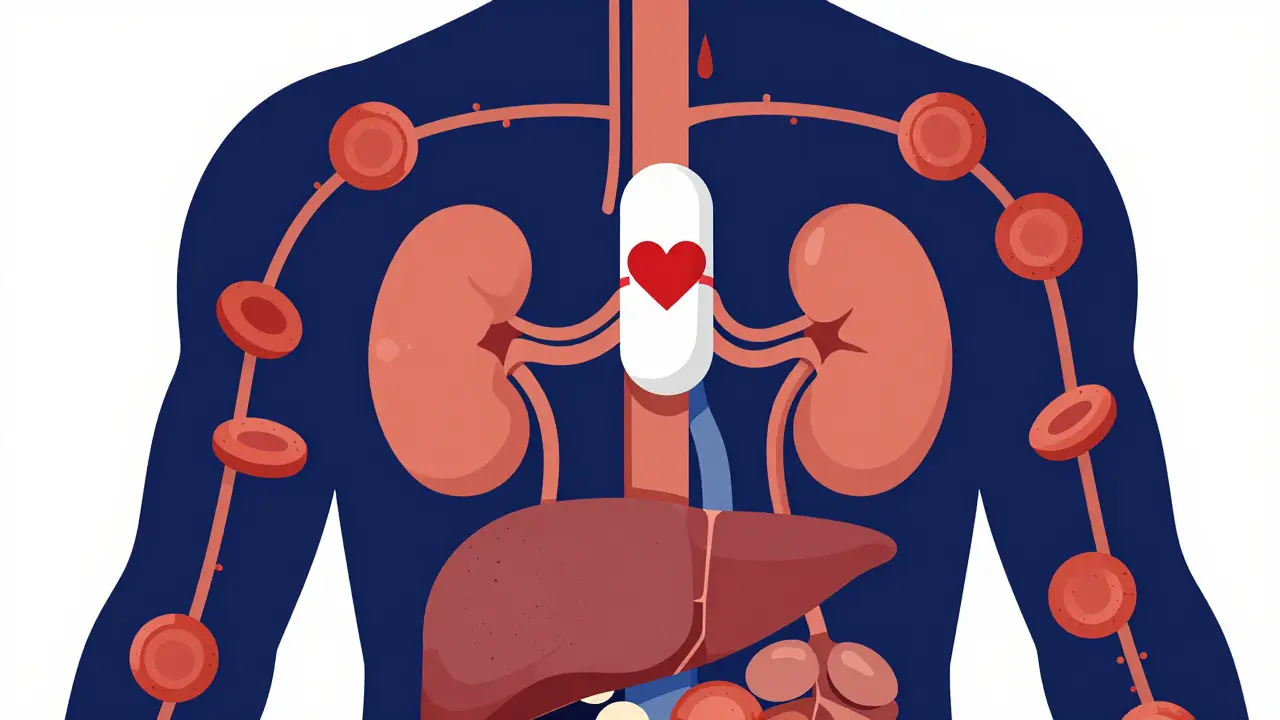
Liver disease complicates anticoagulation through multiple pathways. The liver synthesizes both procoagulant factors (II, VII, IX, X) and anticoagulant proteins (protein C, S, antithrombin). In cirrhosis, this balance is disrupted, creating a "rebalanced hemostasis" that is fragile and prone to either clotting or bleeding. Additionally, splenomegaly causes thrombocytopenia, with platelet counts below 150,000/μL in 76% of cirrhosis patients.
Risk stratification follows the Child-Pugh classification. DOACs may be considered in Child-Pugh A (score 5-6) with standard dosing. Caution is advised in Child-Pugh B (score 7-9), often necessitating dose reductions. In Child-Pugh C (score ≥10), DOACs are generally contraindicated due to a 5.2-fold higher bleeding risk observed in observational studies like RE-CIRRHOSIS.
A major pitfall in liver disease is relying solely on the International Normalized Ratio (INR). In advanced cirrhosis, INR becomes unreliable because it only measures vitamin K-dependent factors, ignoring other coagulation abnormalities. The 2022 EASL guidelines recommend thromboelastography (TEG) or rotational thromboelastometry (ROTEM) for comprehensive assessment, though access remains limited in many community hospitals.
Comparative Safety: DOACs vs. Warfarin
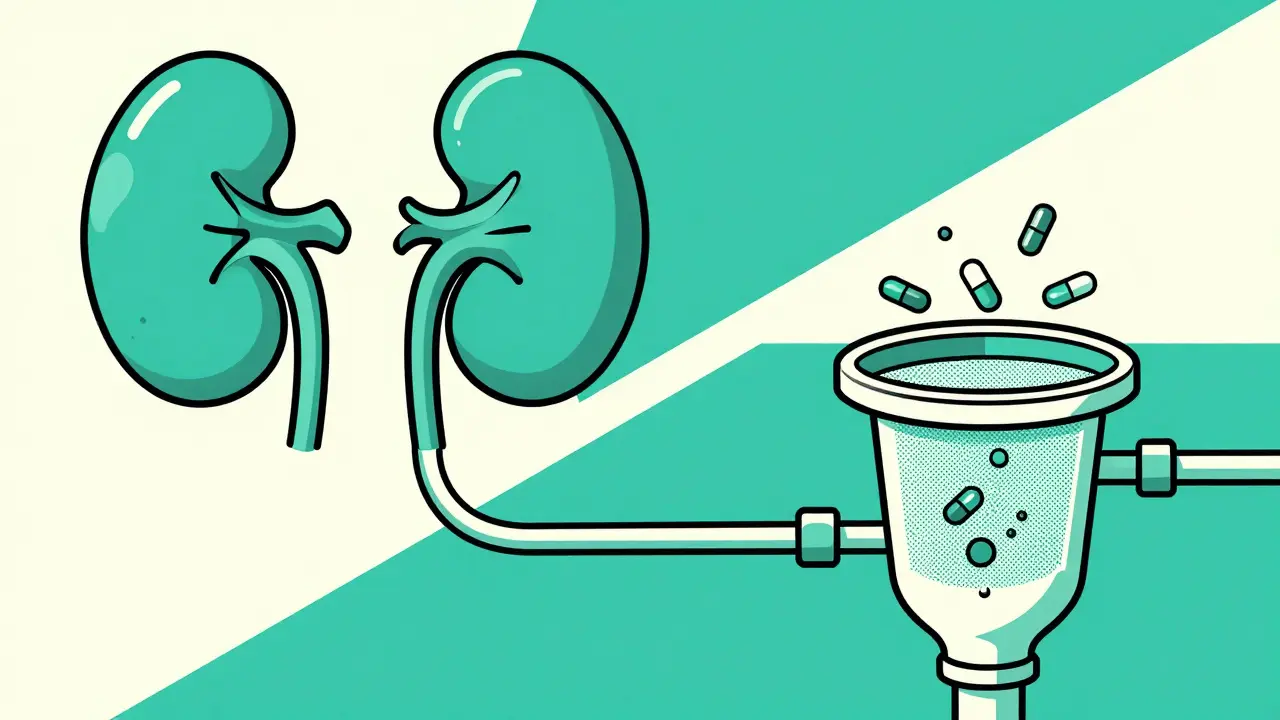
When comparing anticoagulant classes, safety profiles diverge based on organ function. In stage 3-4 CKD, apixaban demonstrates superior safety over warfarin, with a 31% lower major bleeding risk based on ARISTOTLE subgroup analysis. Dabigatran’s high renal dependence (80% clearance) makes it the least suitable for declining kidney function, explaining its strict contraindications.
For liver disease, warfarin has theoretical advantages in Child-Pugh C due to established reversal protocols. However, practical challenges include unpredictable INR response and difficulty maintaining therapeutic range. Only 45% of cirrhosis patients achieve >60% time in therapeutic range compared to 65% in non-cirrhotic patients. Conversely, DOACs reduce intracranial hemorrhage by 62% compared to warfarin in CKD patients, a benefit that diminishes in end-stage renal disease where warfarin may still be preferable for mechanical heart valves.

Clinical Practice and Multidisciplinary Care
Real-world data reveals significant undertreatment. In a registry of 12,850 hemodialysis patients with atrial fibrillation, only 28.4% received anticoagulation despite most having high stroke risk scores. Bleeding complications occurred at 18.7 events per 100 patient-years with warfarin versus 14.2 with DOACs, suggesting a potential safety advantage for newer agents even in dialysis populations.
Successful management requires multidisciplinary coordination. Protocols often mandate joint nephrology-cardiology consultations for stage 4-5 CKD patients, with eGFR monitoring every three months. For liver disease, monthly platelet counts and MELD score assessments are standard, with discontinuation thresholds typically set at platelets <50,000/μL or MELD >20.
Reversal strategies also differ significantly. Andexanet alfa costs approximately $19,000 per dose and has limited hospital availability, while idarucizumab averages $3,500 but only reverses dabigatran. The lack of formal protocols in nearly 80% of US hospitals contributes to higher medication error rates in this population.
Future Directions and Ongoing Research
The field is evolving rapidly. The ongoing MYD88 trial randomizes hemodialysis patients to apixaban versus warfarin, aiming to provide primary outcome data on major bleeding by 2025. Similarly, the LIVER-DOAC registry tracks outcomes in cirrhotic patients worldwide. Regulatory bodies like the FDA are drafting specific labeling for apixaban in ESRD based on pharmacokinetic modeling, potentially expanding treatment options for millions currently deemed ineligible.
Can I take apixaban if I have stage 4 kidney disease?
Yes, under specific conditions. The FDA permits apixaban at a reduced dose of 2.5 mg twice daily for patients with eGFR <30 mL/min, based on data showing reduced bleeding risk compared to warfarin. However, the European Medicines Agency contraindicates it. You must consult your nephrologist and cardiologist to weigh the risks, as individual factors like age and body weight also influence dosing.
Why is INR unreliable in liver disease?
INR only measures vitamin K-dependent clotting factors (II, VII, IX, X). In liver disease, the synthesis of anticoagulant proteins like protein C and S is also impaired, creating a rebalanced hemostatic state. Relying solely on INR can mask underlying hypercoagulability or hypocoagulability, leading to incorrect treatment decisions. Tests like TEG or ROTEM provide a more comprehensive view of clot formation and breakdown.
Which blood thinner is safest for hemodialysis patients?
Evidence suggests apixaban may be safer than warfarin regarding bleeding risks in hemodialysis patients, with real-world registries showing lower event rates. However, no DOAC is officially approved for dialysis in all regions, and guidelines vary. Warfarin remains a common choice due to long-term experience, despite requiring frequent monitoring. The decision depends on individual bleeding history and access to reversal agents.
What happens if I bleed while on a DOAC with liver failure?
Bleeding management in liver failure is complex. Specific reversal agents like andexanet alfa exist for factor Xa inhibitors (apixaban, rivaroxaban) but are expensive and not universally available. Supportive care, including fresh frozen plasma or prothrombin complex concentrates, may be used. Prevention is key, which is why DOACs are often avoided in Child-Pugh C cirrhosis due to the high risk of catastrophic hemorrhage.
Do I need more frequent monitoring if I have kidney disease?
If you are on warfarin, yes. Patients with CKD require biweekly INR checks instead of monthly due to increased drug sensitivity. If you are on a DOAC, routine laboratory monitoring is not required, but your kidney function (eGFR) should be checked every 3 months to ensure the dose remains appropriate as renal function changes.