


Switching from a brand-name drug to a generic can save you hundreds a year - but what if the generic makes you feel worse? Maybe your stomach acts up, your energy drops, or you just don’t feel right. You’re not imagining it. For some medications, even tiny changes in inactive ingredients - like fillers or dyes - can cause real problems. That’s where authorized generics come in.
What Exactly Is an Authorized Generic?
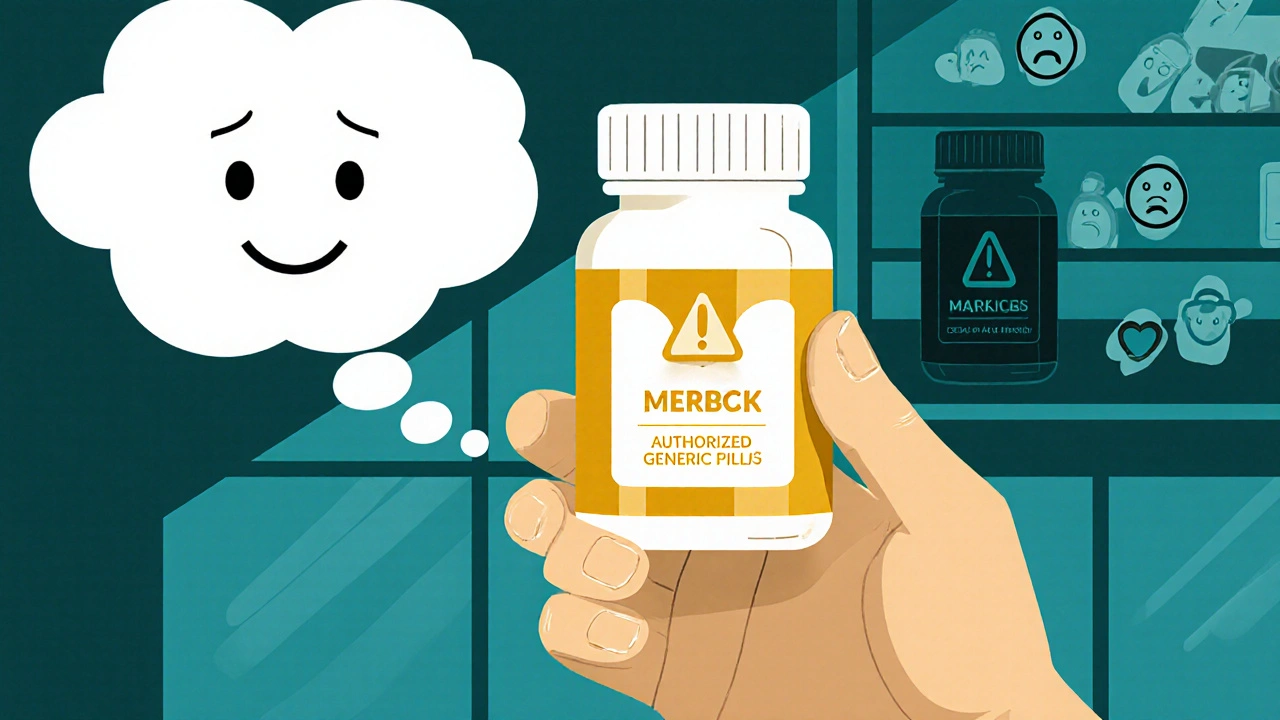
An authorized generic is the exact same pill, capsule, or injection as your brand-name drug. Same active ingredient. Same inactive ingredients. Same size, shape, and how your body absorbs it. The only difference? It doesn’t have the brand name on the bottle. It’s made by the same company that makes the brand version, but sold under a different label at generic prices.Think of it like buying a Coca-Cola from the same factory, but in a plain white bottle. The taste, the fizz, the formula - identical. You just pay less.
The FDA defines it clearly: an authorized generic is a drug approved under the original brand’s New Drug Application (NDA), not the generic application (ANDA). That means it skips the bioequivalence testing required for traditional generics because it’s literally the same product. No guesswork. No risk of formulation changes.
Why Authorized Generics Are Different From Regular Generics
Regular generics only need to match the brand’s active ingredient. They can have different fillers, binders, or coatings. For most drugs, that’s fine. But for medications with a narrow therapeutic index - where small changes can lead to big effects - those differences matter.Drugs like warfarin (blood thinner), levothyroxine (thyroid hormone), and some seizure meds fall into this category. A 2023 study in US Pharmacist found that 32% of patients reported side effects after switching from brand to traditional generic versions of these drugs. Symptoms? Fatigue, dizziness, heart palpitations - things that often get blamed on stress or aging, when the real culprit was a change in the pill’s fillers.
Authorized generics don’t have that problem. They’re exact copies. If your body tolerates the brand, it will tolerate the authorized generic. No adjustment period. No surprise reactions.
How Much Can You Save?
You’re not just getting the same drug - you’re paying less. Authorized generics typically cost 15-20% less than the brand-name version. In some cases, they’re even cheaper than traditional generics because they enter the market early and create competition before the first generic even launches.According to the Federal Trade Commission, when brand companies launch an authorized generic during the first generic’s 180-day exclusivity window, prices drop 25-30% compared to markets without one. That’s not just savings - it’s market pressure forcing everyone to lower prices.
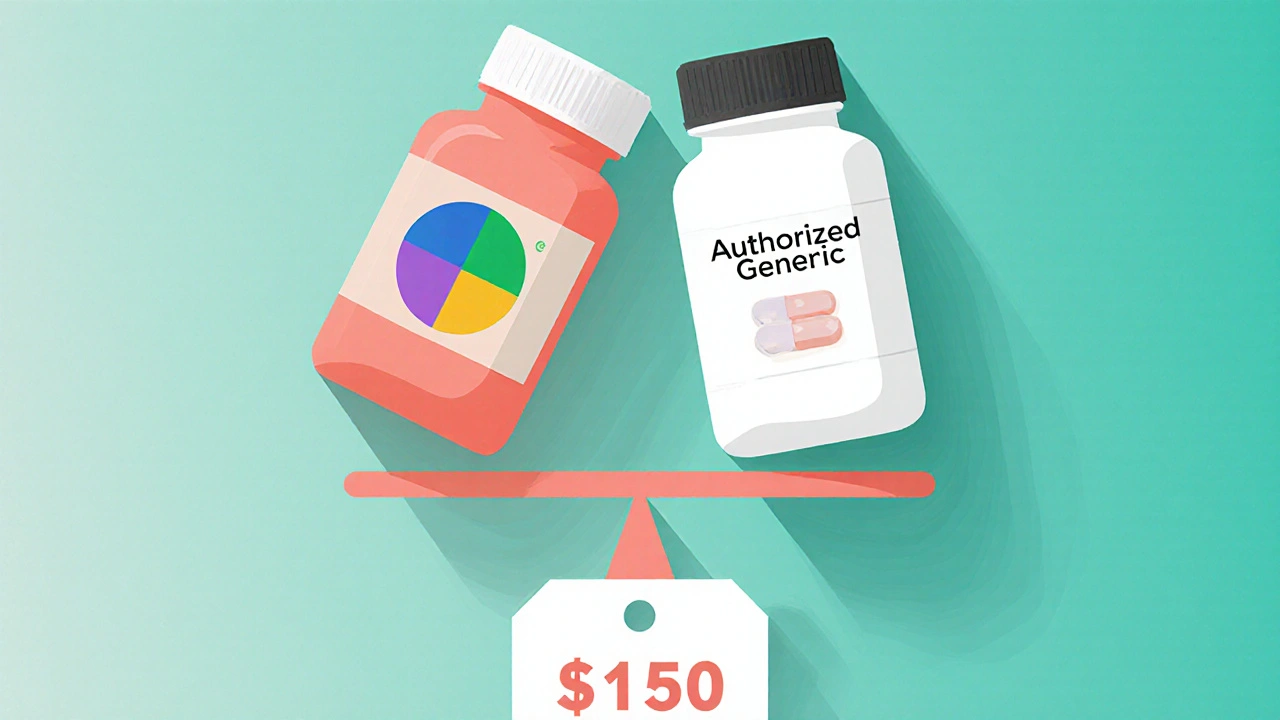
For example, if your brand-name drug costs $150 a month, the authorized generic might be $110. A traditional generic might be $90 - but if you had bad reactions to it before, the extra $20 is worth it. And if you’re on Medicare Part D, you’ll pay the same generic copay for an authorized generic as you would for any other generic.
Why Aren’t They More Common?
Only 15-20% of brand-name drugs have an authorized generic version available. Why? Because it’s not a public health decision - it’s a business one.Brand companies only make authorized generics when it helps them. Often, they wait until a generic competitor is about to enter the market. Then, they launch their own generic version - under a different label - to undercut the competition. It’s legal, but it’s also controversial. Critics say it undermines the incentive for generic companies to challenge patents, since the first mover’s 180-day exclusivity gets diluted.
Still, the FDA and many doctors see it as a win for patients. Dr. Aaron Kesselheim from Harvard Medical School says authorized generics are the most reliable alternative for people who’ve had bad experiences with traditional generics. Especially for thyroid meds, blood thinners, or epilepsy drugs, they’re often the only safe switch.
How to Get One
You won’t find authorized generics listed on most pharmacy websites. They’re not always labeled clearly. Here’s how to make sure you get one:- Ask your pharmacist: “Is there an authorized generic for this brand?”
- Check the National Drug Code (NDC) on the bottle. Authorized generics share the same NDC as the brand, just with a different labeler code.
- Use GoodRx or similar apps - they sometimes flag authorized generics with a special badge.
- If your doctor wrote “dispense as written” or “no substitution,” ask them to change it to “allow substitution” - unless you specifically need the brand.
Most chain pharmacies now have systems to identify authorized generics through NDC cross-referencing. A 2022 survey by the American Pharmacists Association found 87% of them track these drugs internally. But not all pharmacists know to offer them unless you ask.

Who Benefits the Most?
Authorized generics aren’t for everyone - but they’re a game-changer for certain people:- Patients on levothyroxine who had bad reactions to other generics
- People on warfarin or other anticoagulants where small dose changes can be dangerous
- Those with allergies to dyes or fillers used in traditional generics
- Anyone who switched to a generic and felt worse - and doesn’t know why
On Reddit’s r/pharmacy community, a pharmacist shared that after switching patients from traditional generics to authorized generics for levothyroxine, adverse reaction reports dropped by about 70%. That’s not anecdotal - it’s measurable.
GoodRx user ratings show authorized generics score 4.2 out of 5 for narrow therapeutic index drugs, compared to 3.7 for traditional generics. The difference? Consistency.
What’s Changing in 2024 and Beyond
The FDA is finally making it easier to find authorized generics. Starting in Q2 2024, they’ll add a dedicated section to the Orange Book - the official list of approved drugs - so pharmacists and patients can easily identify them. Right now, they’re buried in the NDA listings, which makes them hard to spot.The Biden administration has also directed the FDA to crack down on companies that launch authorized generics to sabotage the first generic’s exclusivity period. That could mean more transparency and fairer competition down the line.
Industry analysts predict authorized generics will make up 12-15% of all generic prescriptions by 2026 - up from just 8.7% in 2022. As more patients demand consistency and fewer side effects, demand will keep rising.
Final Thought: It’s Not About Generic vs. Brand - It’s About the Right Drug for You
Switching from brand to generic isn’t just about saving money. It’s about finding the version that works for your body. For many, traditional generics are perfect. For others, they’re a risk.Authorized generics bridge that gap. They give you the brand’s reliability at a generic’s price. No trade-offs. No guesswork. Just the same pill, without the brand markup.
If you’ve ever felt off after switching medications - even a little - ask your pharmacist about the authorized generic. It might be the quiet solution you didn’t know you needed.
Are authorized generics the same as the brand-name drug?
Yes. Authorized generics are made by the same company as the brand-name drug and contain identical active and inactive ingredients. The only difference is the packaging and label - no brand name. They’re not just similar; they’re exact copies.
Are authorized generics cheaper than regular generics?
Sometimes. Authorized generics usually cost 15-20% less than the brand-name version. They’re often priced the same as or slightly higher than traditional generics, but they offer better consistency. If you had bad reactions to regular generics, the extra few dollars might be worth it.
Can my pharmacist substitute an authorized generic without asking me?
Yes - unless your doctor wrote “dispense as written” or “no substitution.” Pharmacists can switch you to an authorized generic just like any other generic. But they’re not required to tell you. If you want to know what you’re getting, ask.
Why don’t all brand-name drugs have authorized generics?
Because it’s a business decision, not a medical one. Brand companies only launch authorized generics when it helps them compete - usually when a generic is about to enter the market. Only 15-20% of brand drugs have one available, and it’s not guaranteed.
Is it safe to switch to an authorized generic if I’ve never had side effects from the brand?
Yes. Since it’s the exact same formula, switching from brand to authorized generic is as safe as staying on the brand. Many people do it to save money without any issues. The only risk is if you’re used to the brand’s packaging and get confused - but the medication itself won’t change.
Do insurance plans cover authorized generics?
Yes. Medicare Part D covers authorized generics at the same generic copay level 92% of the time. Most commercial insurers do too. You’ll pay the same as you would for a regular generic - even though it’s the same drug as the brand.
If you’re paying a lot for a brand-name drug and have had trouble with other generics, an authorized generic might be your best option. It’s not magic - just the same medicine, without the brand price tag.
14 Comments

Erin Nemo
December 2, 2025 AT 07:23
I switched my levothyroxine to an authorized generic last year and my brain fog vanished. No more 3pm crashes. I didn’t even know this was a thing until my pharmacist mentioned it. Seriously, if you’re feeling off after a switch, ask for this.

ariel nicholas
December 2, 2025 AT 22:26
Whoa. So you're saying the government lets Big Pharma play both sides? They make the brand, then slap a white label on it and sell it cheaper? That’s not capitalism-that’s a rigged game. And you call this a ‘solution’? Pathetic. The real solution is single-payer and price caps. Not corporate shell games with pill bottles.

Rachel Stanton
December 4, 2025 AT 21:05
Authorized generics are one of the most underutilized tools in patient care. For drugs with narrow therapeutic indices-like warfarin, levothyroxine, phenytoin-the bioequivalence thresholds for traditional generics are just too loose. Authorized generics eliminate the variability because they’re manufactured under the same NDA, same equipment, same quality control. This isn’t marketing-it’s pharmacokinetic integrity. If your patient has a history of adverse reactions post-switch, this is the first line of defense. Pharmacists, please proactively offer this. Patients shouldn’t have to be detectives just to get a stable med.

Amber-Lynn Quinata
December 5, 2025 AT 06:31
Why do people just accept this? 😒 You’re literally paying for the same pill, just without the logo. And you call that ‘saving money’? It’s a scam. Big Pharma knows you’re desperate. They’re laughing all the way to the bank. And now they get to pretend they’re ‘helping’ by offering a cheaper version of their own product? 🤢 I’d rather pay $150 than fund their manipulation. #NoToPharmaGames

Lauryn Smith
December 6, 2025 AT 09:23
I had no idea this existed. I switched to a generic for my thyroid med and felt like garbage for months. My doctor said it was ‘just adjustment.’ Turns out, it wasn’t. I asked my pharmacist about authorized generics and they were surprised I knew to ask. Got mine last week. Energy’s back. No more dizziness. Thank you for sharing this. I wish I’d known sooner.

Bonnie Youn
December 7, 2025 AT 20:08
STOP OVERCOMPLICATING THIS. If you feel weird after switching meds, don’t suffer. Ask for the authorized generic. It’s the same pill. Cheaper. Done. No drama. No philosophy. Just fix your health. You’re not broken. The generic was just bad. Go get the real thing without the brand markup. Your body will thank you. 💪

Edward Hyde
December 9, 2025 AT 15:53
Authorized generics? More like authorized rip-offs. The brand company makes the drug, then turns around and sells it to you cheaper while crushing the real generic makers? That’s not innovation-that’s a monopoly flex. They’re not helping you. They’re just trying to kill competition before it even starts. And you’re applauding? 😂

Charlotte Collins
December 11, 2025 AT 07:36
The irony is that the FDA’s own data shows authorized generics have lower adverse event rates-but only because they’re identical to the brand. Meanwhile, traditional generics, despite meeting bioequivalence thresholds, still trigger complaints in 30%+ of patients on narrow-therapeutic-index drugs. The system isn’t broken. It’s just designed to prioritize cost over consistency. And patients pay the price-in symptoms, ER visits, lost productivity. The real scandal? This isn’t even on the radar of most prescribers.

Margaret Stearns
December 12, 2025 AT 07:21
I didn't know about this until my mom told me. She's on warfarin and had a bad reaction to a generic. Her INR went wild. We called the pharmacy and asked if they had the authorized version. They did. It was the same bottle as the brand, just different label. Her numbers stabilized in a week. I'm so glad we found out. Thank you for writing this.

amit kuamr
December 13, 2025 AT 02:25
Why do Americans care so much about pill branding? In India we get generics and they work fine. Maybe your body is too soft. Stop complaining about fillers. Just take the medicine.

Scotia Corley
December 14, 2025 AT 14:17
It is imperative to recognize that the regulatory framework governing pharmaceuticals must prioritize patient safety above commercial expediency. The proliferation of authorized generics, while ostensibly beneficial, introduces a complex dynamic wherein market forces may inadvertently undermine the incentive structure for generic manufacturers to innovate and compete. This phenomenon warrants further scholarly investigation and policy refinement.

elizabeth muzichuk
December 14, 2025 AT 23:26
My husband had a heart attack because of a generic switch. They didn’t tell us it wasn’t the same. I’m not just angry. I’m devastated. And now you’re telling me this is a ‘solution’? No. This is a warning. Someone should be held accountable. This isn’t about money. It’s about lives. 🕯️

Debbie Naquin
December 15, 2025 AT 21:04
The authorized generic is a metaphysical paradox: identical in composition, alien in perception. The brand is a symbol; the authorized generic is its ghost. We treat medication as identity, not chemistry. The pill doesn’t care about the label. But we do. And that’s the real disease.
Erin Nemo
December 17, 2025 AT 13:04
@5295 I'm so sorry that happened. That’s terrifying. But please don’t blame the authorized generic-that’s the one you *should’ve* been on. The traditional generic is what caused the problem. Ask your doctor to prescribe the authorized version going forward. You deserve stability.
Write a comment