




Constipation isn’t just an inconvenience-it’s a common but often misunderstood health issue. If you’re going to the bathroom less than three times a week, struggling to pass hard stools, or feeling like you never fully empty your bowels, you’re not alone. About one in three people in clinical settings experience it regularly. In the U.S., over 2.5 million people visit doctors each year just for constipation. It’s not something you should ignore or just live with. The good news? Most cases can be managed effectively with the right approach-but only if you understand what’s really going on.
What Actually Causes Constipation?
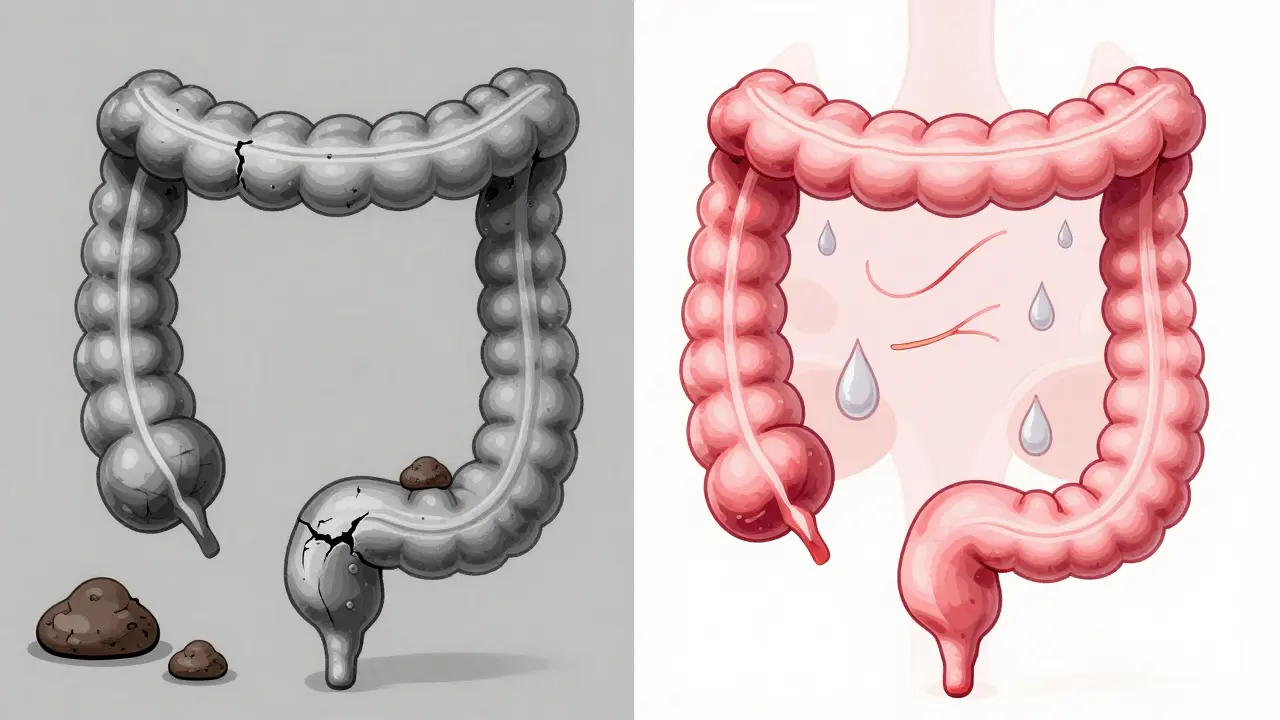
Constipation doesn’t happen for one simple reason. It’s usually a mix of lifestyle, medical, and physical factors. The colon normally moves waste through in 24 to 72 hours. When it slows down, too much water gets pulled out, turning stool into dry, stubborn lumps. But why does this happen?For many, it’s diet. Most people in the U.S. eat only about 15 grams of fiber a day. The recommended amount? 25 to 30 grams. That’s a big gap. Low fluid intake makes it worse. If you’re not drinking enough water-especially when eating more fiber-the stool just gets harder. Physical inactivity also plays a role. Sitting for long hours, whether at a desk or on the couch, slows down gut movement.
Then there are medications. Opioids, like painkillers, cause constipation in 40% to 95% of users. Calcium channel blockers (used for high blood pressure) and tricyclic antidepressants are also common culprits. Diabetes affects nearly 60% of people with the condition, often slowing nerve signals to the colon. Hypothyroidism, Parkinson’s, multiple sclerosis, and spinal cord injuries all disrupt normal bowel function. Even after a stroke, up to 80% of patients develop constipation due to reduced mobility and nerve damage.
Women are more likely to experience it, especially as they age. Prevalence jumps from 15% in people aged 20-30 to over 34% by age 60-70. Hormonal shifts, pregnancy, and pelvic floor changes all contribute. And let’s not forget the pelvic floor itself. Some people’s muscles don’t relax properly when they try to go. Instead of pushing out, they tighten up-making it impossible to pass stool, even if the colon is full.
Types of Constipation: Not All Are the Same
Not everyone with constipation has the same problem. Doctors classify it into four main types, and each needs a different strategy.Normal transit constipation (about 60% of cases) means stool moves through the colon at a normal speed, but you still feel blocked, straining, or incomplete. This is often linked to diet, stress, or poor toilet habits. It usually responds well to fiber, water, and timing your bathroom visits.
Slow transit constipation (15-30% of cases) means the colon is sluggish. Stool takes more than 72 hours to pass. This isn’t just about eating less fiber-it’s a deeper issue with gut nerves or muscle function. People with this type often need stronger treatments.
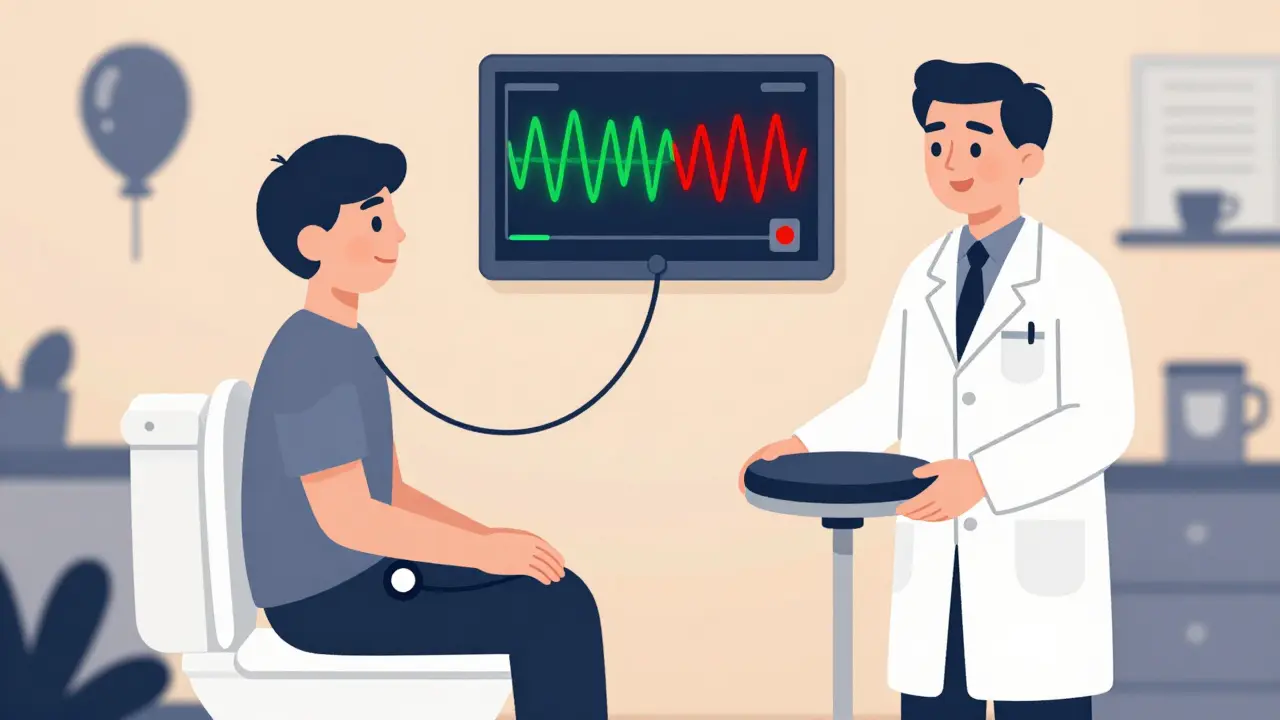
Defecatory disorders affect 20-50% of chronic cases. These are problems with the pelvic floor muscles. When you try to go, the muscles contract instead of relaxing. A simple test called a balloon expulsion test can diagnose this: if you can’t push out a water-filled balloon within a minute, something’s wrong. Biofeedback therapy helps retrain these muscles.
Refractory constipation is when nothing seems to work. You’ve tried fiber, laxatives, hydration, and still no relief. This affects 15-20% of patients and often requires prescription meds or advanced testing.
How Laxatives Really Work (And Which Ones Actually Help)
Laxatives are everywhere-shelves at pharmacies, online stores, even in your kitchen cabinet. But not all are created equal. Some help. Others barely do anything. And some can make things worse if used too long.Bulk-forming laxatives (like psyllium or methylcellulose) are the safest long-term option. They soak up water and swell into a soft, bulky mass that triggers natural bowel contractions. But they only work if you drink enough water-about 8 ounces with each dose. Skip that, and you risk blockage. They’re ideal for normal transit constipation.
Osmotic laxatives are the first-line treatment for most people. Polyethylene glycol (PEG 3350) draws water into the colon, softening stool without irritating the gut. It’s effective in 65-75% of users, with minimal side effects. Lactulose and magnesium hydroxide work similarly. PEG 3350 (17g daily) is recommended by doctors as the go-to starting point.
Stimulant laxatives (senna, bisacodyl) make the colon squeeze harder. They work fast-often within 6-12 hours. But using them for more than 2-3 weeks can damage the colon’s natural rhythm. Long-term use leads to “cathartic colon,” where the muscles stop responding. The American Gastroenterological Association advises against using them longer than 3 months.
Stool softeners (like docusate sodium) are popular, but studies show they’re barely better than a placebo. They’re not recommended as a standalone treatment. They might help if you’re recovering from surgery or have hemorrhoids, but don’t count on them to fix chronic constipation.
For stubborn cases, doctors prescribe drugs like lubiprostone, linaclotide, or plecanatide. These activate chloride channels in the gut, pulling fluid into the colon naturally. They’re expensive but effective for 40-60% of patients who didn’t respond to other treatments.
Long-Term Management: Beyond Pills
Relying on laxatives forever isn’t the answer. True relief comes from fixing the root causes. Here’s what works over time:Start with fiber-but go slow. Jumping from 15g to 30g of fiber overnight will bloat you. Increase by 5g every 3-4 days. Focus on soluble fiber: oats, beans, apples, chia seeds. It holds water better than insoluble fiber (like bran), making stool softer and easier to pass.
Hydration is non-negotiable. Drink 1.5 to 2 liters of water daily. Add an extra 250-500mL for every 5g of fiber you add. If you’re taking psyllium, skip the water, and it’s like trying to swallow cement.
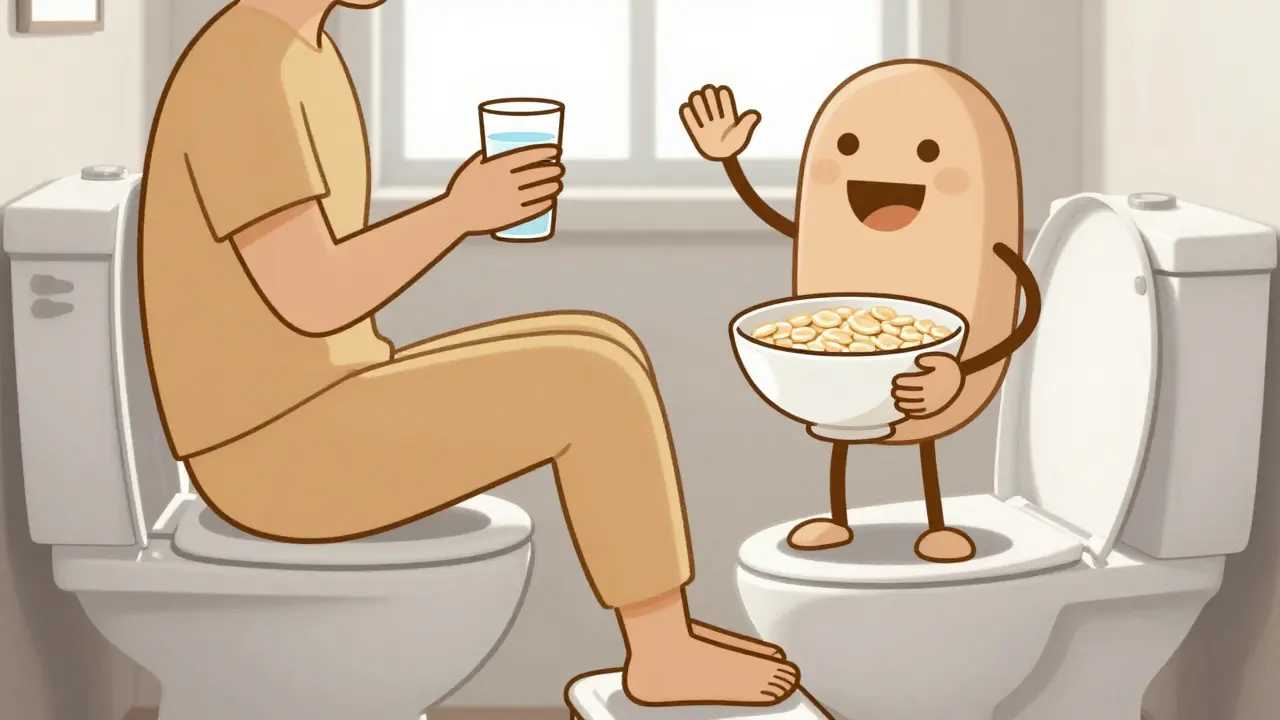
Train your body to go. Sit on the toilet for 10-15 minutes after breakfast. That’s when your gut is most active (thanks to the gastrocolonic reflex). Don’t rush. Don’t scroll. Just sit. Use a footstool to elevate your feet. This puts your hips at a 35-degree angle-mimicking a squat. Studies show this reduces straining by 60%.
Biofeedback therapy is a game-changer for pelvic floor issues. It’s not magic-it’s physical therapy for your butt. Sensors show you when your muscles are tightening instead of relaxing. With 6-8 weekly sessions, 70-80% of patients learn to coordinate properly. It’s expensive ($100-$150 per session), but it works better than surgery for many.
Move more. Walking 30 minutes a day improves gut motility. You don’t need to run a marathon. Just get up, walk around, or do light stretching. Even standing while working helps.
When to Worry: Red Flags You Can’t Ignore
Constipation is usually harmless. But some signs mean you need a doctor now:- Unintentional weight loss of 10 pounds or more
- Blood in stool or rectal bleeding
- Changes in bowel habits lasting over 6 weeks
- Family history of colorectal cancer
- Sudden onset of severe constipation after age 50
These aren’t just “maybe” signs-they’re red flags for colon cancer, bowel obstruction, or other serious conditions. Don’t wait. Get checked.
Real People, Real Results
One 52-year-old woman in Sydney struggled for years. She tried laxatives, then fiber pills, then probiotics. Nothing stuck. Then she changed three things: daily 25g psyllium husk, 2 liters of water, and 10 minutes of squatting after breakfast (with a footstool). She added coffee-because caffeine triggers gut contractions. Within 8 weeks, she was going regularly. No more straining. No more pills.Another man, 68, had constipation after a stroke. He couldn’t walk well, so he couldn’t exercise. His doctor started him on PEG 3350 and taught him pelvic floor exercises. Within 3 months, he was going every other day. He now uses a footstool every morning. Simple. Effective.
These aren’t outliers. They’re common success stories when people stop chasing quick fixes and start building real habits.
The Bottom Line
Constipation isn’t a one-size-fits-all problem. You can’t just pop a pill and call it done. The best solution combines diet, hydration, timing, posture, and sometimes targeted therapy. Laxatives have their place-but only as a short-term tool. Long-term relief comes from understanding your body, making consistent changes, and knowing when to ask for help.If you’ve been stuck for months or years, don’t give up. Start with fiber and water. Sit on the toilet after breakfast. Elevate your feet. Move daily. If it doesn’t improve in 4-6 weeks, see a doctor. There’s a reason your body isn’t working right-and there’s almost always a way to fix it.
How often should I go to the bathroom to avoid constipation?
There’s no single "normal" number. Going anywhere from three times a day to three times a week can be healthy. But if you’re going less than three times a week, and your stools are hard or you’re straining, that’s constipation. The key isn’t frequency-it’s ease. If it’s painful, incomplete, or requires effort, something’s off.
Can I become addicted to laxatives?
You don’t get "addicted" like a drug, but your colon can become dependent. Long-term use of stimulant laxatives (like senna) can weaken the colon’s natural contractions, leading to "cathartic colon"-where your body stops moving stool without help. Osmotic laxatives like PEG 3350 don’t cause this. They’re safe for daily use if needed. The goal is to use them as a bridge, not a lifetime solution.
Is it true that coffee helps with constipation?
Yes, for many people. Coffee triggers the gastrocolic reflex-the natural urge to go after eating. Caffeine stimulates the colon, speeding up movement. A morning cup can be as effective as a laxative for some. But if you’re dehydrated, coffee can make things worse. Always pair it with water.
Why does fiber sometimes make constipation worse?
Because you’re not drinking enough water. Fiber soaks up liquid to form soft stool. If you add fiber without enough fluids, the stool gets drier and harder. That’s why bloating and worsening constipation happen. Always increase fiber slowly and drink extra water-about 250-500mL for every 5g of fiber you add.
What’s the best position to poop?
Squatting. It straightens the rectum and reduces pressure on the anus. Since most toilets don’t let you squat, use a footstool to raise your feet. This creates a 35-degree hip angle-close enough to mimic squatting. Studies show this reduces straining by 60% and makes bowel movements faster and easier.
13 Comments

Charity Hanson
February 27, 2026 AT 22:47
OMG I JUST WENT FROM STRUGGLING FOR YEARS TO REGULARLY GOING EVERY MORNING-ALL BECAUSE OF THE FOOTSTOOL AND PSYLLIUM! I WASN’T EVEN CONVINCED IT WOULD WORK, BUT NOW I’M LIKE A HUMAN CLEANSING SYSTEM. NO MORE LAXATIVES, NO MORE STRESS. JUST A CUP OF COFFEE, A 10-MIN SIT, AND BOOM. LIFE CHANGED. YOU GUYS NEED TO TRY THIS. IT’S NOT MAGIC, IT’S JUST SCIENCE THAT ACTUALLY WORKS.

Noah Cline
March 1, 2026 AT 18:12
It's imperative to recognize that the pathophysiology of chronic constipation is multifactorial, and while dietary fiber is often cited as a panacea, the literature demonstrates that in cases of slow-transit or defecatory disorder, fiber may exacerbate symptoms due to increased colonic distension without improved motility. The reliance on PEG 3350 as first-line is empirically supported, but clinicians must rule out structural etiologies before initiating long-term osmotic therapy. Also, biofeedback is underutilized-its efficacy exceeds surgical intervention in pelvic floor dyssynergia.

Vikas Meshram
March 3, 2026 AT 08:38
People always say "drink more water" like its the cure. But if you have hypothyroidism or nerve damage from diabetes, water won't fix your colon being lazy. And psyllium? If you're not doing it right, it turns into concrete in your gut. I tried it for 2 weeks, bloated like a balloon, then stopped. PEG 3350 is the only thing that worked. And yes, coffee helps. But don't drink it black if you're dehydrated. I learned that the hard way.

Ben Estella
March 5, 2026 AT 05:16
Look, I don't care what some fancy doctor says-this country is full of people who sit all day and then wonder why they can't poop. You think you're too busy to walk? You think fiber pills are a real solution? Nah. You just need to get off your butt, drink water like an adult, and sit on the toilet like you mean it. No phone. No distractions. Just you and your colon. America’s laziness is making us all constipated. Wake up.

Jimmy Quilty
March 5, 2026 AT 16:58
Did you know that the FDA has been suppressing data on how pharmaceutical companies push laxatives because they make billions? I mean, why else would they promote PEG 3350 as "safe" when it's just a synthetic polymer? And biofeedback? That's a $100/hour scam. I’ve been doing squats in my backyard for 6 months now, and I haven’t needed anything. Also, why is everyone ignoring the fact that EMFs from Wi-Fi disrupt gut motility? Just saying.

Miranda Anderson
March 5, 2026 AT 19:53
I’ve been reading this whole thing and I just feel… seen. Like, I didn’t realize how much of my life was shaped by this quiet, daily struggle-hiding it, feeling embarrassed, trying everything from prune juice to enemas. The part about sitting for 10 minutes after breakfast? I tried it last week. No phone. Just me, the toilet, and the silence. And you know what? I actually relaxed. I didn’t even need to go, but I felt… calmer. Like my body finally had space to breathe. I think the real fix isn’t just fiber or water-it’s giving yourself permission to slow down. We don’t need more solutions. We need more stillness.

Gigi Valdez
March 6, 2026 AT 19:37
The clinical evidence supporting the use of osmotic laxatives, particularly polyethylene glycol 3350, is robust and well-documented across multiple randomized controlled trials. The American College of Gastroenterology guidelines explicitly endorse its long-term use in chronic constipation due to its favorable safety profile and absence of dependency. While behavioral interventions such as toilet positioning and hydration are beneficial, they should be considered adjunctive, not primary, therapies in refractory cases. Clinical judgment remains paramount.

Brandie Bradshaw
March 7, 2026 AT 10:45
Let’s be honest: we live in a world that pathologizes normal biology. "Less than three times a week" is not a disease-it’s a statistic. And yet, we’re told to fear it, to medicate it, to "fix" it. What if the real issue isn’t our bowels, but our schedules? Our screens? Our refusal to sit still? We’ve turned a biological rhythm into a medical problem because we’re too busy to listen to our bodies. Fiber? Water? Toilet posture? They’re just Band-Aids on a system that’s screaming for stillness. Maybe the cure isn’t in the colon-it’s in the pause.

Martin Halpin
March 8, 2026 AT 09:00
Oh, so now we’re telling people to squat? That’s great, except most of us live in apartments with tiny bathrooms, no footstools, and landlords who’d kill us if we taped a wooden box to the floor. And don’t even get me started on the "coffee helps" thing-my morning cup makes me jittery and nauseous. I’m 62, I had a stroke, I can’t walk far, and I can’t afford biofeedback. So yeah, PEG 3350? Fine. But don’t lecture me about habits when your solution costs $120 a session and requires a yoga mat and a 9-to-5 life.

Eimear Gilroy
March 9, 2026 AT 22:04
I’m curious-has anyone tried combining the squatting posture with abdominal massage? I read a small study from Tokyo last year where they did circular massage for 5 minutes after breakfast, and it increased bowel movement frequency by 40% in elderly patients. I’ve been doing it for a month now-just gentle clockwise circles under my ribs, then down to the lower belly. It’s weirdly soothing. Not sure if it’s placebo, but I’ve cut my PEG dose in half. Maybe worth a try?

Ajay Krishna
March 11, 2026 AT 02:36
As someone from India, where traditional diets are naturally high in fiber-lentils, millets, greens-I find it sad that Western medicine treats constipation like a glitch to be fixed with pills. Back home, we use triphala, warm water with lemon, and walking after meals. No drugs. Just rhythm. Maybe the answer isn’t more science-it’s remembering what our grandparents knew. Eat real food. Move gently. Listen. It’s not complicated. We just forgot.

Lisa Fremder
March 11, 2026 AT 06:32
I don’t care what you say. I’ve been on PEG for 3 years. I’m not stopping. I’m not doing yoga. I’m not squatting. I just want to poop without crying. If you think I’m weak for needing this, you don’t know what it’s like to be trapped in your own body. So go ahead and judge. I’ll keep taking my powder. And I’ll be fine.

Justin Ransburg
March 12, 2026 AT 08:36
Just wanted to say-this post gave me hope. I’ve been stuck for 5 years. Tried everything. Felt broken. But the part about the footstool? I made one out of a stack of books. Sat there this morning. Didn’t even try to go. Just sat. And then… it happened. Slowly. Gently. No straining. No shame. I cried. Not because it hurt-but because for the first time in years, I felt like my body was working with me, not against me. Thank you.
Write a comment