





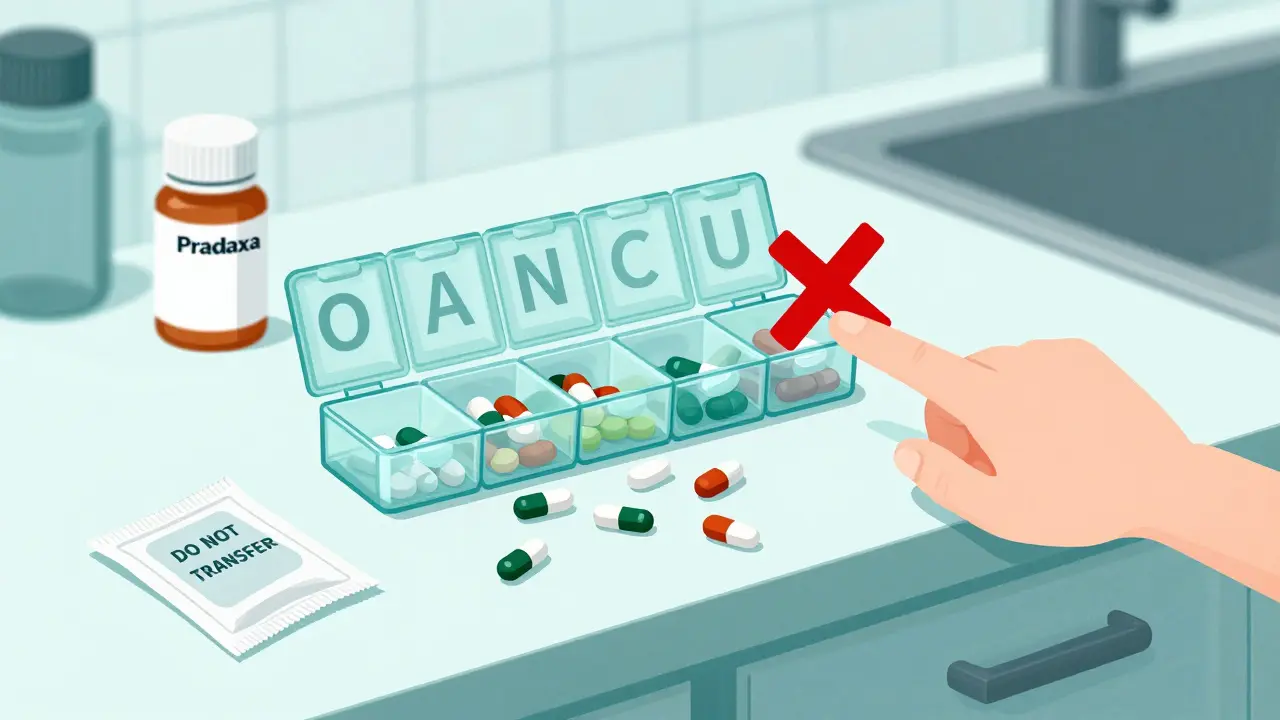
Using a pill organizer can make managing multiple medications easier-especially if you’re taking pills at different times of the day or across several days. But if you don’t use it right, it can actually put your health at risk. Many people assume that tossing their pills into a plastic box with morning, noon, and night slots is harmless. It’s not. Some medications lose potency. Others can become dangerous when exposed to moisture or mixed with the wrong drugs. And yes, bacteria can grow inside those little compartments if they’re not cleaned properly.
What Exactly Is a Pill Organizer?
A pill organizer, sometimes called a medication box or monitored dosage system, is a container divided into compartments for different times of day and days of the week. The most common type has seven slots-one for each day-with separate sections for morning, afternoon, evening, and bedtime doses. You load it once a week, and then you take what’s in each slot at the right time. Simple, right? But here’s the catch: not all pills belong in these boxes. The FDA and other health agencies have clear warnings about which medications should never be moved from their original packaging. Take Pradaxa, for example. This blood thinner is extremely sensitive to moisture. If you transfer it from its original bottle-which has a desiccant to keep it dry-into a plastic pill box, it can lose up to 37% of its effectiveness in just 30 days. That’s not a small drop. That’s the difference between preventing a stroke and having one. Other medications that shouldn’t go in pill organizers include:- Effervescent tablets (like Alka-Seltzer or certain vitamin C tablets)
- Nifedipine (a blood pressure drug)
- Cabergoline (used for Parkinson’s and prolactin issues)
- Sodium valproate (for epilepsy)
- Warfarin (another blood thinner)
When Do Pill Organizers Actually Help?
They work best for stable, long-term medications that don’t degrade easily. Think of things like:- Atorvastatin (for cholesterol)
- Metformin (for diabetes)
- Levothyroxine (for thyroid)
- Losartan (for blood pressure)
- Most generic pain relievers like acetaminophen or ibuprofen
- People loaded the wrong pills into the wrong slots
- They mixed incompatible drugs together
- They used the same organizer for multiple people
- They didn’t clean it regularly
How to Load a Pill Organizer Safely
If you’re cleared to use one, here’s how to do it right:- Wash your hands. Use soap and water for at least 30 seconds. Don’t skip this-even if your hands look clean.
- Clean the organizer. Wipe down all compartments with 70% isopropyl alcohol. Let it dry completely. If it’s dishwasher-safe, run it on the sanitize cycle once a week.
- Check your prescription. Lay out all your pills on a clean surface. Match each one to the name, dose, and time on your prescription label. Do this slowly. Don’t rush.
- Use a second set of eyes. If possible, have a family member, caregiver, or pharmacist double-check what you’ve loaded. One mistake can be deadly.
- Close it tightly. Make sure all lids snap shut. Some cheaper models have flimsy lids that pop open in your purse or pocket.
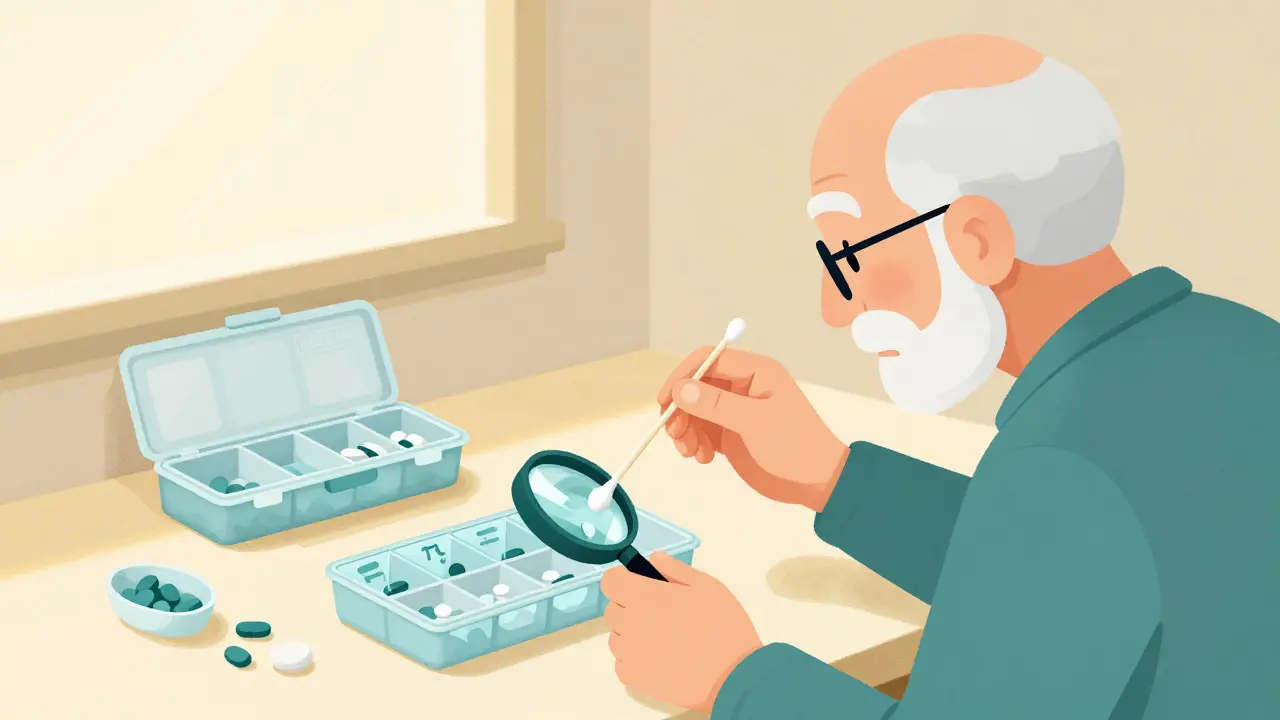
- Label it clearly. Use a permanent marker to write the day and time on each compartment. If you have trouble seeing, get a magnifying organizer or use color-coded labels.
Don’t Share Your Organizer
A 2019 study found that 28.7% of pill organizers used in hospitals showed signs of bacterial contamination-Staphylococcus aureus was found in over 12% of them. That’s the same bacteria that causes skin infections and, in rare cases, life-threatening blood infections. In homes, 43% of people admit to sharing pill organizers with spouses or family members. That’s a huge risk. Even if you both take the same meds, your pills aren’t identical. Different brands, dosages, or fillers can cause reactions. And bacteria from one person’s hands can transfer to another’s medication. If you live with someone else who uses a pill organizer, get two. It’s cheap. A basic weekly organizer costs under $3 at most pharmacies. It’s not worth risking your health-or theirs-to save a few dollars.What About Smart Organizers?
Electronic pill dispensers like Hero or MedMinder are growing in popularity. These devices have alarms, locked compartments, and Bluetooth that connects to your phone. Some even notify a caregiver if you miss a dose. They’re great for people who forget pills often. One user group reported 92% satisfaction with Hero’s system. But they’re not perfect. About 23% of users over 75 struggled to learn how to use them in the first two weeks. And they cost up to $300-far more than a plastic box. If you’re considering one, ask your pharmacist or doctor if it’s worth the investment. Medicare Part D now requires pharmacists to evaluate whether a patient needs a smart organizer during medication reviews. That means you might qualify for financial help.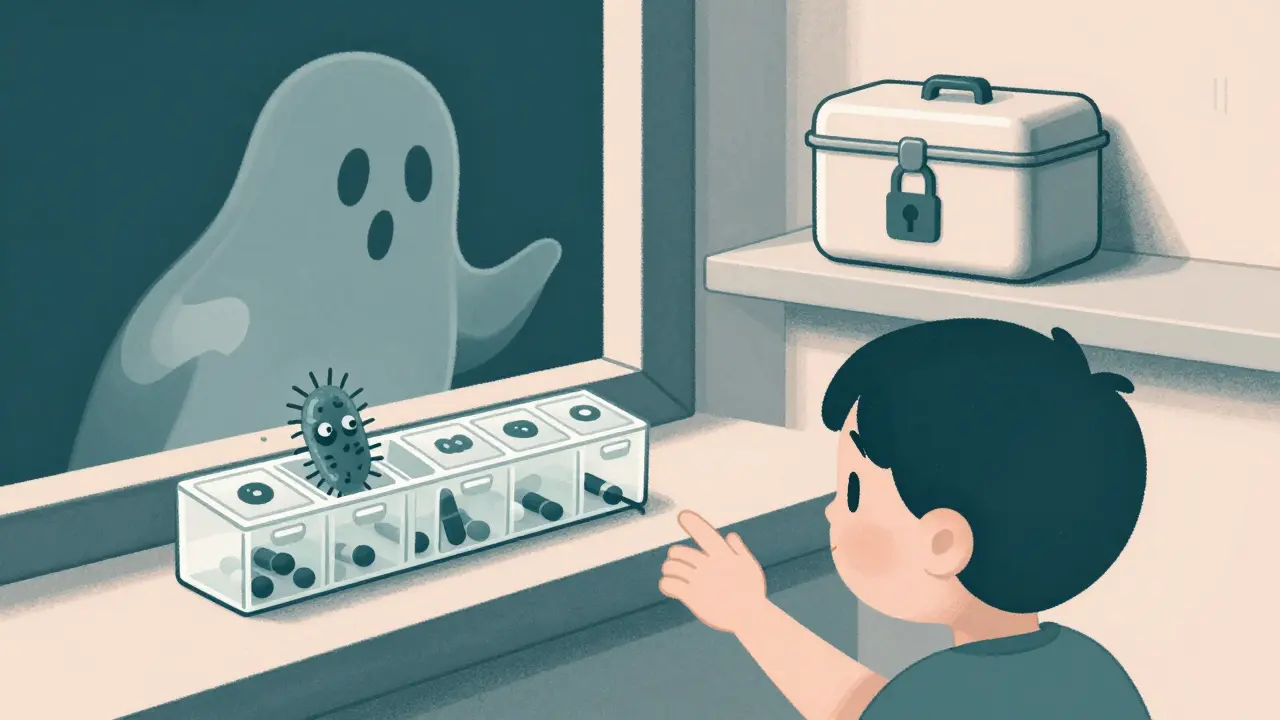
When to Skip the Organizer Altogether
If you’re taking five or more medications, especially if any of them are sensitive to moisture or light, talk to your pharmacist before using any organizer. The Institute for Safe Medication Practices recommends a mandatory consultation for patients on complex regimens. Also, skip the organizer if:- Your medication comes with a desiccant packet (that little dry ball in the bottle)
- You take medications with narrow therapeutic windows (like warfarin or digoxin)
- You have poor vision or dexterity and can’t load it safely
- You live with young children-pills in open compartments are a poisoning risk
Final Checklist: Is Your Organizer Safe?
Before you use your pill organizer again, ask yourself:- Have I checked with my pharmacist or doctor to make sure all my meds are safe to move?
- Am I using a separate organizer for each person?
- Did I clean it with alcohol this week?
- Do I load it with someone else’s help?
- Is it stored in a cool, dry place-away from the sink or bathroom?
- Do I know what to do if I miss a dose?
Can I put all my pills in a weekly pill organizer?
No. Some medications, like Pradaxa, warfarin, and sodium valproate, must stay in their original packaging because they’re sensitive to moisture and light. Putting them in a pill organizer can reduce their effectiveness or make them unsafe. Always check with your pharmacist before moving any pill.
How often should I clean my pill organizer?
Wipe it down with 70% isopropyl alcohol every day if you use it daily. Do a deep clean once a week-either by hand with soap and water or in the dishwasher if it’s labeled dishwasher-safe. Never skip cleaning; bacteria can grow in the compartments and contaminate your meds.
Are cheap pill organizers from Walmart safe to use?
Yes, if you use them correctly. Basic plastic organizers under $5 are just as effective as expensive ones for stable medications. The problem isn’t the price-it’s how you use it. Make sure lids snap shut, you clean it regularly, and you don’t use it for moisture-sensitive drugs.
Can I use one pill organizer for my husband and me?
No. Sharing a pill organizer risks cross-contamination and medication errors. Even if you take the same drugs, your prescriptions may differ in dosage or brand. Each person needs their own organizer. They cost less than $3-don’t risk your health to save a few dollars.
What should I do if I miss a dose in my pill organizer?
Don’t double up unless your doctor told you to. If you realize you missed a dose, check the medication’s instructions or call your pharmacist. Some drugs are safe to take late; others can be dangerous if taken too close together. Always err on the side of caution.
Do I need a child-resistant pill organizer?
Yes-if you have children under 5 in your home. The CDC reports over 65,000 childhood poisonings from pill organizers in 2020. Choose one with a locking mechanism that requires a specific action to open, like pressing and sliding or entering a code. Never leave your organizer on a counter or table within reach of kids.
13 Comments

Aditya Kumar
December 17, 2025 AT 02:32
Just dump all your pills in a cup and call it a day. I don't trust plastic boxes. My grandma died because of one of these. Probably.

James Rayner
December 18, 2025 AT 03:27
Wow. This is one of those posts that makes you pause. I’ve been using a weekly organizer for my statins and metformin… but I never thought about moisture ruining Pradaxa. 🤯 I just checked my bottle-no desiccant packet. Guess I’m calling my pharmacist tomorrow. Thanks for the wake-up call. 💙

Josias Ariel Mahlangu
December 18, 2025 AT 19:07
People these days treat medicine like candy. You think a $3 plastic box is a substitute for professional care? Pathetic. You wouldn’t store gasoline in a soda bottle-why do you think pills are any different? This isn’t convenience, it’s negligence.

Dave Alponvyr
December 19, 2025 AT 15:10
So… you’re telling me I’ve been risking my life for three years because I didn’t wipe my pill box with alcohol? 🤡

Cassandra Collins
December 20, 2025 AT 05:55
Wait… so the FDA is hiding this? I read somewhere that pill organizers are part of a big pharma scheme to sell more drugs because people mess up and need refills. And why do they say 'clean with alcohol' but not mention that alcohol can break down the coating on some pills? They don't want you to know this. Also, my neighbor says the government tracks you through your pill box Bluetooth. 🤔

Joanna Ebizie
December 21, 2025 AT 05:25
Ugh. You’re still using that cheap Walmart box? Honey. No. Just no. You’re not a 70-year-old grandma with 3 pills a day. You got 5 meds including a blood thinner? Get the $30 one with the alarms. Or better yet-get a caregiver. You’re lucky you’re still alive.

Elizabeth Bauman
December 21, 2025 AT 23:41
Thank you for this. America is falling apart because people don’t respect medicine anymore. In my day, we didn’t have pill boxes-we had discipline. Now everyone wants to save $2.50 and risk their life. And don’t even get me started on sharing organizers. That’s not just dumb-it’s un-American. We need laws. Mandatory pharmacist consultations. Every. Single. Time.

Dylan Smith
December 23, 2025 AT 03:45
I’ve been using the same organizer for my mom and me since last year because we both take lisinopril and it’s easier. But now I’m wondering if the fillers are different. I never checked. Should I just get two? Is that really worth it? I feel guilty now. Also, I clean it with soap but never alcohol. Should I start? I’m scared to mess up.

Mike Smith
December 23, 2025 AT 17:51
Thank you for taking the time to write such a thorough, clinically accurate, and deeply compassionate guide. This is the kind of public health education we desperately need. For those who feel overwhelmed: start small. Pick one medication. Verify its stability. Clean your organizer once. Ask for help. Progress, not perfection. You’re not failing-you’re learning. And that’s courageous.

Ron Williams
December 24, 2025 AT 12:17
My dad’s from Nigeria-he used to store all his meds in a tin box in the kitchen. No labels, no cleaning, just ‘take when you remember.’ He’s 82 and still kicking. Maybe we overthink this? Or maybe he just got lucky?

Kitty Price
December 25, 2025 AT 09:51
Just got a new organizer today! 🌸 It’s got a lock and little day stickers. I’m gonna clean it with alcohol tonight. And nope, I’m not sharing it with my husband. He can get his own. 💕

Colleen Bigelow
December 25, 2025 AT 15:16
Did you know that pill organizers are used by the Deep State to track your medication compliance? The Bluetooth ones? They’re synced with ICE databases. They’re watching you. And if you miss a dose, they flag you as a 'non-compliant citizen.' That’s why they push these so hard-so they can control you. Also, the plastic is laced with microchips. I tested mine with my EMF meter. It spiked. Don’t trust the FDA. Don’t trust Walmart. Don’t trust your pharmacist. They’re all in on it.

Billy Poling
December 26, 2025 AT 03:37
It is my professional opinion, grounded in empirical observation and a thorough review of the relevant clinical literature, that the utilization of non-prescription, commercially available, non-sterile, polymeric containment systems for the storage of pharmacologically active substances-particularly those exhibiting hygroscopic or photolytic instability-constitutes a significant and potentially life-threatening deviation from accepted standards of pharmaceutical handling, as codified in the United States Pharmacopeia (USP) Chapter <795> and reinforced by the Institute of Medicine’s 2006 report on medication safety in the home environment. Furthermore, the practice of sharing such devices among multiple individuals, regardless of perceived similarity in therapeutic regimens, introduces an unacceptable risk of cross-contamination and pharmacokinetic interference, which may result in iatrogenic harm, including but not limited to coagulopathy, hepatotoxicity, or neurotoxicity. It is therefore imperative that all individuals engaged in self-administration of polypharmacy regimens seek formal consultation with a licensed pharmacist prior to employing any such device, and that such devices be subjected to a regimen of daily sanitization utilizing a minimum of 70% isopropyl alcohol solution, and stored in a climate-controlled environment, free of ambient humidity and direct illumination, in accordance with the manufacturer’s instructions and the principles of Good Storage Practices. Failure to comply with these protocols may constitute a breach of the duty of care owed to oneself and to the broader public health infrastructure.
Write a comment