

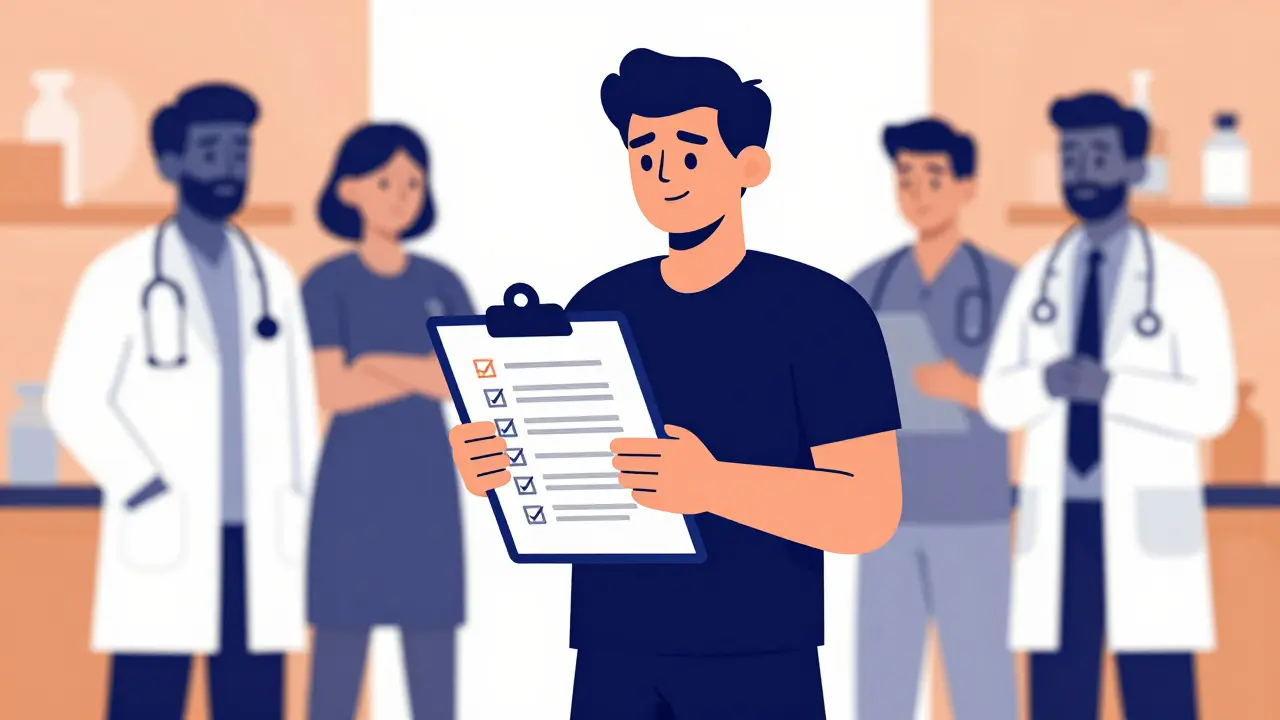
Imagine picking up a prescription that looks nothing like the one your doctor described. Or taking a pill at the wrong time because the instructions were confusing. These aren't just minor inconveniences; they are serious risks. Medication errors cause thousands of deaths and millions of injuries every year. But here is the good news: you hold a powerful tool to prevent them. You.
For decades, patients were treated as passive recipients of care. That model is broken. Today, healthcare leaders recognize that patient engagement is the active participation of individuals in understanding, managing, and verifying their own medication regimens to prevent errors. When you step up as an active partner in your health, you become the final safety checkpoint. This guide explains exactly how you can protect yourself, what tools to use, and why your voice matters more than ever.
Why Your Involvement Is Critical
The idea that patients should be involved in their safety isn't new, but it has gained urgent momentum. The landmark 2000 report "To Err Is Human" revealed that medical errors, including medication mistakes, kill at least 7,000 people annually in the United States alone. Since then, organizations like the World Health Organization (WHO) have launched global challenges to cut severe medication harm by 50%. One of their three main strategies? Empowering patients.
Why does this work? Because doctors and pharmacists don't see you 24/7. They see you for minutes or hours. You live with your medications all the time. Dr. Donald Berwick, a leading expert in patient safety, notes that no safety system is complete without the patient's "reality check." Research supports this: patients detect about 41% of medication errors that healthcare professionals miss. By staying engaged, you catch problems before they become disasters.
Seven Core Safety Behaviors Every Patient Should Adopt
You don't need a medical degree to keep yourself safe. The Institute for Safe Medication Practices (ISMP) identifies seven specific actions that dramatically reduce risk. Make these habits part of your routine:
- Know your medication names and purposes. Don't just take "the blue pill." Know it's Lisinopril for blood pressure. This simple knowledge reduces error risk by 35%.
- Understand your dosing schedule. Confusion over "once daily" vs. "twice daily" leads to non-adherence. Clear schedules decrease missed doses by 28%.
- Recognize potential side effects. Knowing what to expect helps you spot trouble early. Recognizing side effects enables early intervention in 63% of adverse events.
- Verify the appearance. If the pill looks different from usual-different color, shape, or logo-ask questions. This catches 19% of dispensing errors.
- Question unexpected changes. If a doctor suddenly adds or removes a drug, ask why. This behavior catches 15% of prescription errors.
- Report everything. Tell your providers about all meds, including vitamins, herbs, and supplements. Hiding these can lead to dangerous interactions, which reporting reduces by 22%.
- Participate in reconciliation. During hospital admissions or discharges, actively review your list. This reduces discrepancies by 50%.
The Power of a Personal Medication List
One of the most effective tools you can own is a Personal Medication List (PML) is a comprehensive, up-to-date record of all prescription drugs, over-the-counter medications, and supplements a patient takes. It’s not just a piece of paper; it’s your lifeline during care transitions.
When you move from a doctor's office to a specialist, or from home to a hospital, information often gets lost. Studies show that 68.5% of patients who consistently use a PML experience 42% fewer medication discrepancies during these transitions. Keep this list in your wallet, on your phone, or both. Update it immediately after any change. Bring it to every appointment. Insist that every provider updates their records based on your list.

Overcoming Barriers: Literacy, Age, and Technology
Being an active participant sounds easy, but real life throws obstacles in the way. Let's address the biggest ones honestly.
Health Literacy Challenges
About 36% of U.S. adults have basic or below-basic health literacy. Medical jargon like "take PRN" or "bid" can be baffling. If you don't understand the instructions, you are at higher risk. Use the "teach-back" method: ask your provider, "Can you explain that back to me so I know I got it right?" This technique increases safety behavior adoption from 31% to 67%. Also, look for materials rated highly for readability, such as those from the WHO, which score much better than typical hospital discharge papers.
The Digital Divide
Digital tools are great, but they aren't for everyone. Only 43.7% of patients aged 65+ regularly use digital medication apps, compared to 78.2% of younger adults. If technology feels overwhelming, don't force it. Stick to paper lists, pill organizers, or alarm clocks. However, if you are comfortable with tech, patient portals with interactive features can improve safety outcomes by 24.5% compared to static info displays.
Feeling Dismissed
A major barrier is fear of being labeled "difficult." Some patients worry that asking questions will annoy their doctor. While this is a valid concern, remember that silence is more dangerous. If you feel dismissed, try framing your question as collaboration: "I want to make sure we're on the same page. Can you help me understand..." If a provider reacts poorly, it may be time to find a new care team.
| Model | Description | Error Reduction Impact | Best For |
|---|---|---|---|
| Ask Me 3 | Structured program encouraging patients to ask three key questions per visit | 31% greater reduction than standard instructions | Primary care, chronic disease management |
| Passive Information | Patient receives pamphlets or verbal instructions without interaction | Only 8.2% error reduction | Low-risk, stable conditions |
| Digital Portals | Interactive online platforms for med management | 24.5% higher safety outcomes than static displays | Tech-savvy users, young to middle-aged adults |
| Teach-Back Method | Patient repeats instructions in their own words to confirm understanding | Increases safety behavior adoption to 67% | All patients, especially those with low health literacy |
When Patient Vigilance Isn't Enough
It is important to acknowledge that patients cannot fix systemic failures alone. Dr. Robert Wachter warns against blaming victims for system errors. In emergency departments, where patients are often in pain, sedated, or panicked, patient capacity for engagement drops significantly. In fact, 67% of preventable errors in ERs happen despite patient involvement because the environment is too chaotic. In these settings, rely on institutional safeguards like barcode scanning and double-check protocols. Your role shifts to providing accurate history when possible, rather than performing complex safety checks.
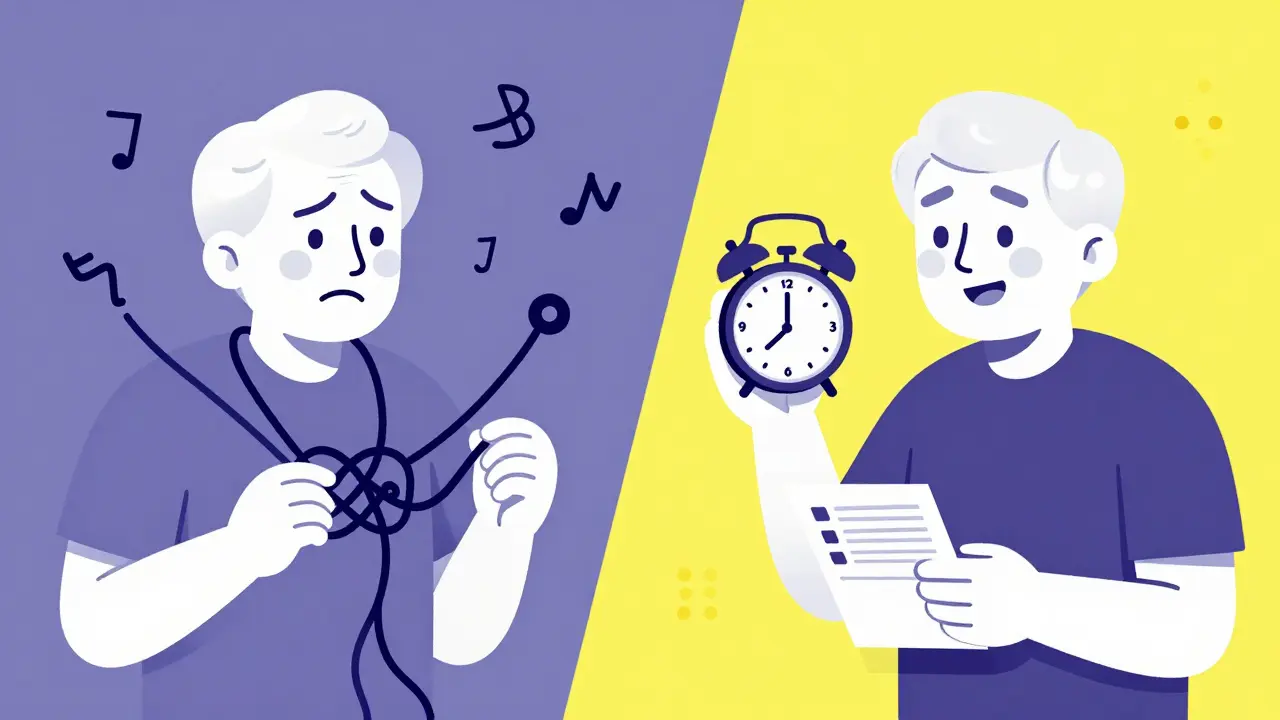
Tools and Resources for Safer Medication Management
You don't have to do this alone. Several resources can help you stay organized and informed:
- FDA Patient Safety Ambassador Program: This initiative trains patients to serve as peer educators. Check if there is a local chapter near you. Peer support can boost confidence and knowledge.
- Universal Medication Schedule: Developed by ISMP, this tool simplifies dosing times into four standard daily intervals (morning, noon, evening, bedtime). It reduces confusion by 44%.
- Medication Apps: Apps like MyMedSchedule offer reminders and tracking. Look for user-friendly designs if you choose this route. Read reviews to ensure they aren't too complex for your needs.
- Pharmacist Consultations: Pharmacists are medication experts. Ask them to review your entire regimen for interactions. This service is often free and invaluable.
Building a Culture of Partnership
The future of healthcare is collaborative. By 2027, it is predicted that 85% of healthcare organizations will have formal patient safety partner programs. Hospitals are already tying payments to patient engagement metrics. This means your voice has financial and operational weight. When you speak up, you are not just helping yourself; you are helping improve the system for everyone.
Start small. Pick one behavior from the seven core actions above. Master it. Then add another. Over time, these habits become second nature. You are the guardian of your own health. Treat your medication safety with the seriousness it deserves.
What is the single most important thing a patient can do for medication safety?
Maintaining an accurate and up-to-date Personal Medication List (PML) and sharing it with every healthcare provider. This simple act prevents 42% of medication discrepancies during care transitions.
How can I ask my doctor questions without seeming difficult?
Frame your questions as collaborative efforts. Use phrases like "I want to make sure I understand correctly" or "Can we double-check this together?" Most providers appreciate engaged patients who prioritize safety.
Are digital medication apps safe for elderly patients?
They can be, but usability varies. Only 43.7% of patients over 65 use them regularly due to complexity. Choose simple apps with large text and clear buttons, or stick to traditional methods like pill organizers and alarms if technology feels stressful.
What should I do if I suspect a medication error?
Stop taking the medication immediately if it seems wrong. Contact your pharmacist or doctor right away. Do not assume it's a mistake; verify first. Keep the medication packaging and note any symptoms. Reporting errors helps prevent future harm.
Does patient engagement really reduce medical errors?
Yes. Data shows that active patient participation can reduce medication errors by up to 50% in some contexts. Programs like "Ask Me 3" have demonstrated a 31% greater reduction in errors compared to standard discharge instructions.
What is the "teach-back" method?
The teach-back method is a communication technique where the patient repeats back the instructions in their own words. This confirms understanding and corrects misunderstandings immediately. It increases safety behavior adoption from 31% to 67%.
Should I tell my doctor about supplements and vitamins?
Absolutely. Supplements can interact dangerously with prescription drugs. Reporting all substances reduces dangerous interactions by 22%. Always include herbal remedies, over-the-counter pain relievers, and dietary supplements in your discussions.
Who is responsible for medication safety?
Safety is a shared responsibility. Healthcare providers must prescribe and dispense accurately, but patients are the final checkpoint. Systems fail, and human error occurs. Your vigilance complements professional safeguards to create a robust safety net.