
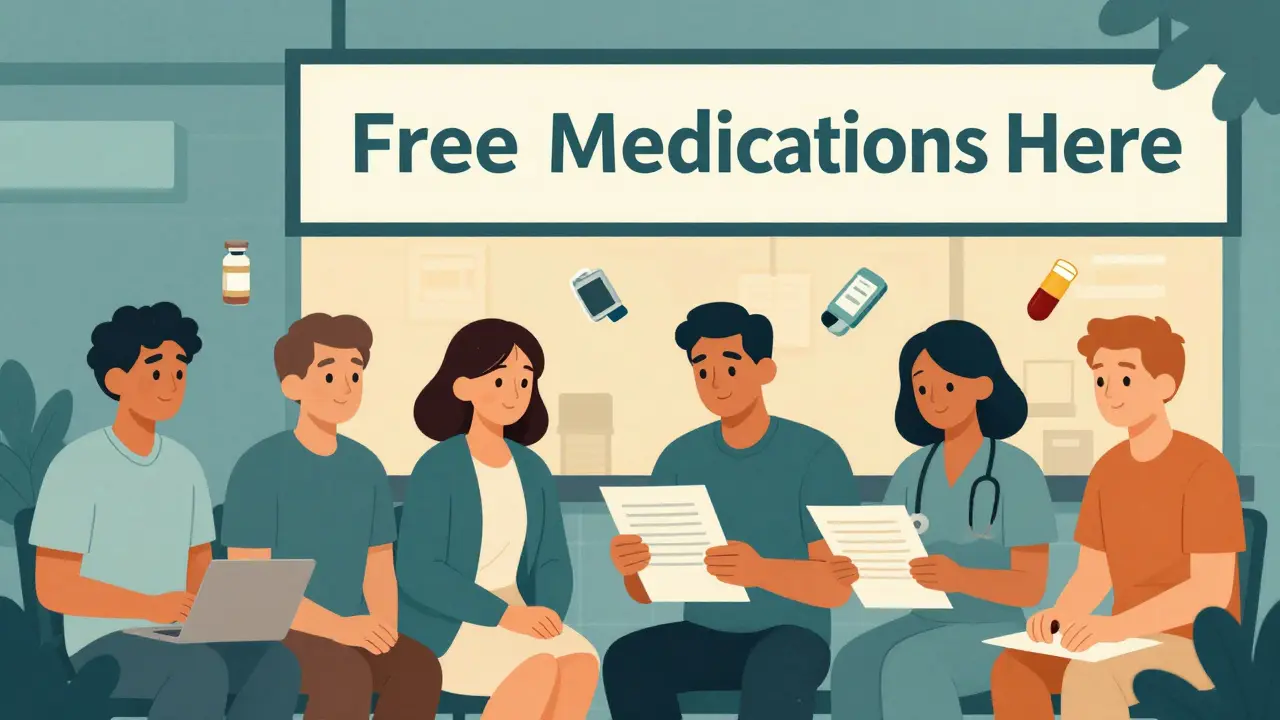
If you’re struggling to pay for your prescriptions, you’re not alone. Millions of Americans-many of them working full-time-can’t afford their medications. A 2023 report from the AAFP Foundation found that over 30 million people in the U.S. have no health insurance. Even those with insurance often face high copays and deductibles that make pills out of reach. But help exists-and it’s closer than you think. Community clinics across the country offer free or low-cost medications to people who need them most. The catch? You have to know where to look.
What Kind of Clinics Give Away Free Medications?
Not all clinics are the same. There are three main types that provide medications at little to no cost:- Federally Qualified Health Centers (FQHCs): These are government-funded clinics that serve anyone, regardless of insurance. They charge you based on your income using a sliding scale. If you earn under $29,160 as a single person (200% of the federal poverty level in 2023), your visit and medications could cost as little as $20. Many FQHCs have on-site pharmacies or partner with local drugstores to fill prescriptions at discounted rates.
- Free and Charitable Clinics: These are nonprofit clinics run by volunteers and funded by donations. They typically serve only uninsured patients with income below 200% of the poverty line. Medications here are often completely free. Some clinics even stock common drugs like insulin, blood pressure pills, and asthma inhalers right in their own pharmacy.
- Specialized Medication Assistance Programs: Some nonprofits partner directly with drug companies to get free or deeply discounted medicines to clinics. Americares, for example, distributed $190 million worth of medications in 2023 to nearly 1,000 clinics nationwide. Programs like Community Routes, backed by Teva Pharmaceuticals and Direct Relief, focus specifically on mental health meds like antidepressants and anti-anxiety drugs.
Most free clinics don’t charge you anything. FQHCs charge a small fee based on what you can afford. Neither requires proof of citizenship-only proof of income and residency.
How to Find a Clinic Near You
You don’t need a referral or a doctor’s note to start. Just follow these steps:- Use HRSA’s Find a Health Center tool (findahealthcenter.hrsa.gov). This is the official government directory for FQHCs. Type in your zip code, and it’ll show you nearby centers, their hours, services offered, and whether they have a pharmacy on-site.
- Visit the National Association of Free & Charitable Clinics website (nafcclinics.org). This site links to state-by-state directories of free clinics. For example, if you’re in Virginia, go to vafreeclinics.org to see a list of clinics that offer free meds.
- Check with local hospitals. Many hospitals run outreach programs and partner with free clinics. Call their community health department and ask, “Do you help patients get free prescriptions?”
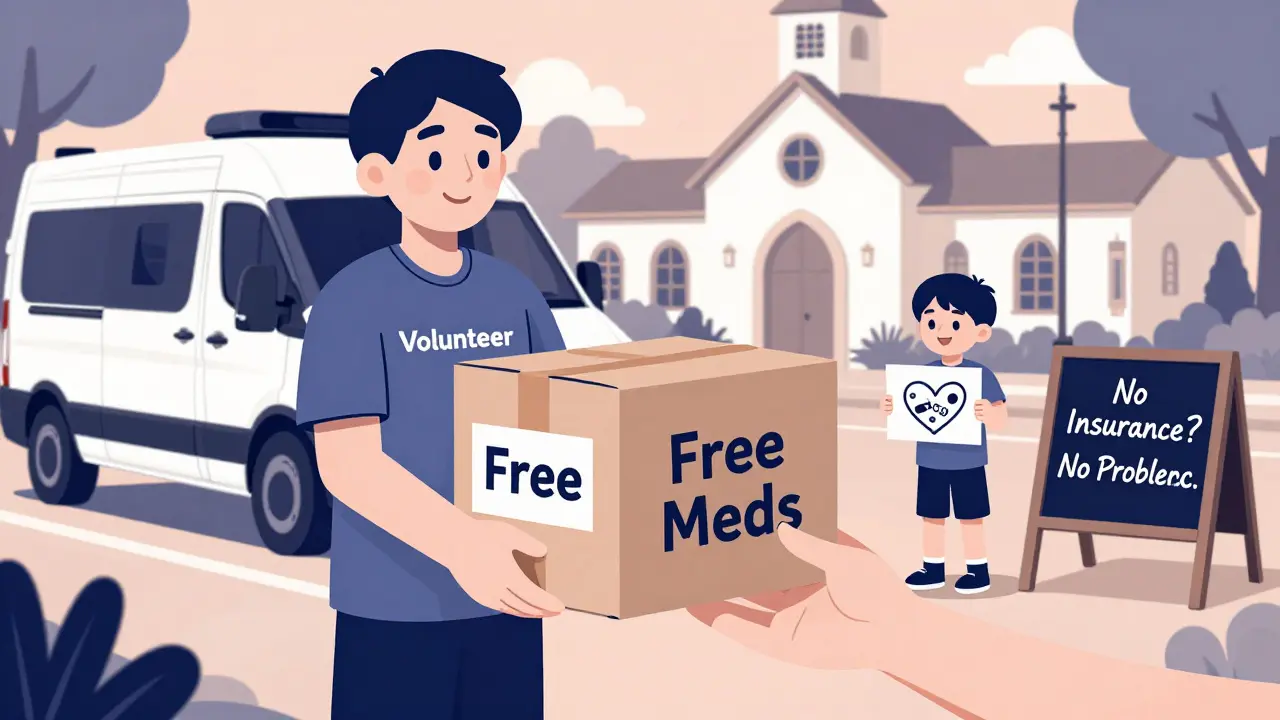
- Search for “free clinic near me” + your city. Some smaller clinics don’t show up on national lists. Local churches, nonprofits, and community centers often host monthly medication distribution events.
Don’t skip step one. FQHCs are more reliable than free clinics-they’re open more hours, have more staff, and rarely run out of stock. Free clinics are great, but many operate just two evenings a week and have long waitlists.
What Documents Do You Need?
You won’t need a fancy application. Most clinics ask for three things:- Proof of income: Last 30 days of pay stubs, tax returns, or a letter from your employer. If you’re unemployed, bring unemployment benefit statements or a signed affidavit.
- Proof of residency: A utility bill, lease agreement, or mail with your name and current address.
- Current medication list: Bring the bottles or a written list of what you’re taking. This helps them match you with the right free drugs.
Some clinics also ask for a photo ID, but not all. If you’re undocumented, you can still qualify. No one asks for your immigration status.
What Medications Are Available?
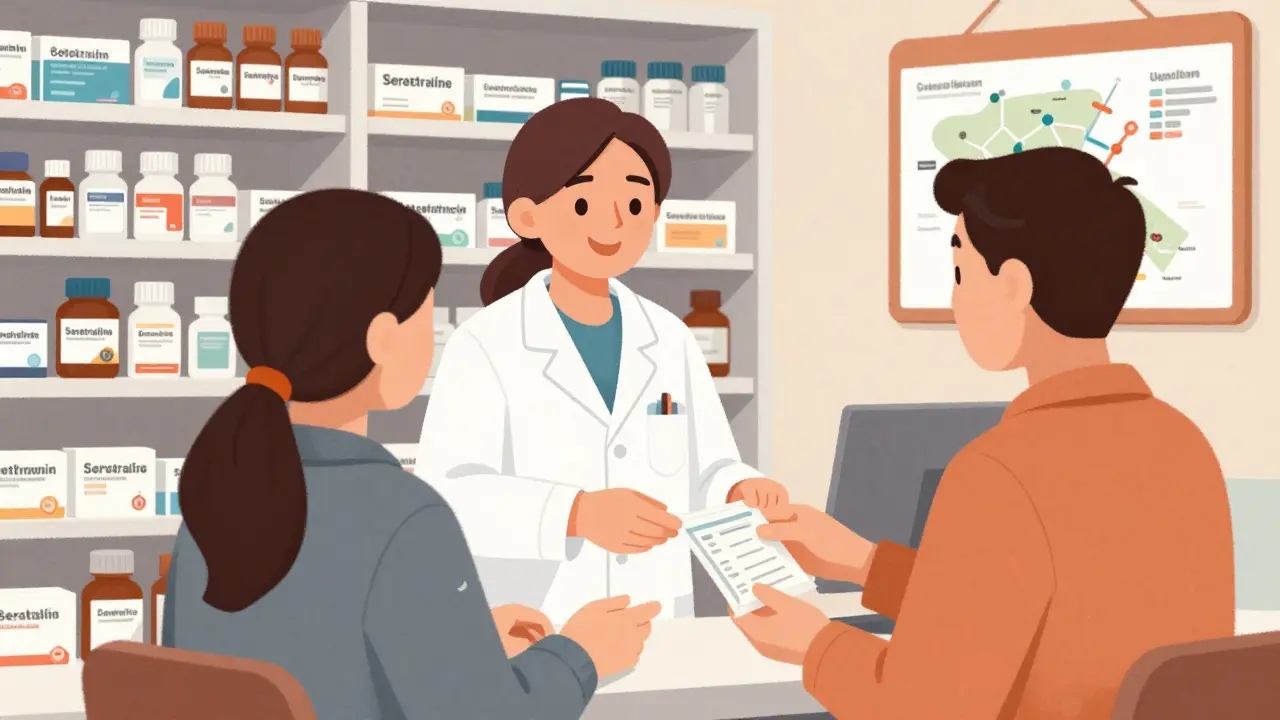
Free clinics don’t have every drug in the world. But they stock the essentials:- Chronic disease meds: Insulin, metformin, lisinopril, atorvastatin, levothyroxine, albuterol inhalers.
- Mental health meds: Sertraline, fluoxetine, escitalopram, lorazepam, gabapentin.
- Common prescriptions: Antibiotics, pain relievers, antihistamines, birth control.
They focus on drugs that treat conditions people can’t afford to ignore. Diabetes, high blood pressure, asthma, and depression are top priorities. If you need a brand-name drug like Humira or Enbrel, they may not have it-but they’ll help you apply for patient assistance programs through the drugmaker.
According to the AMA Foundation’s 2022 handbook, 68% of free clinics offer some form of prescription assistance. That means even if they don’t have your exact pill on the shelf, they’ll find a way to get it to you.
How Much Does It Really Cost?
Here’s the real deal:- Free clinics: $0. No hidden fees. No surprise bills.
- FQHCs: $10-$50 per visit, depending on income. Many patients pay $20 or less. Medications are often included in that fee or cost just $5-$10 per prescription.
- Pharmaceutical assistance programs: Free, if you qualify. These are run by drug companies and distributed through clinics. You’ll need to fill out a form, but they usually approve within a week.
Compare that to the average cost of a 30-day supply of insulin: $150-$300 without insurance. Or a month of antidepressants: $80-$120. At a free clinic, you might walk out with the same meds for free.
What If You’re Denied?
Sometimes, clinics say no. Maybe you earn too much. Maybe they’re out of stock. Maybe they don’t serve your county.Don’t give up. Try these alternatives:
- GoodRx: Even if you’re not eligible for a free clinic, GoodRx can cut your pharmacy price by up to 80%. Print a coupon or show the app at the counter.
- NeedyMeds: This nonprofit site has a database of over 1,500 patient assistance programs. Just enter your drug name and income, and it tells you what’s available.
- Local pharmacies: Some chains like Walmart, Kroger, and Target sell generic versions of common drugs for $4 a month. Insulin, metformin, and lisinopril are often on this list.
If a clinic turns you away, ask: “Can you refer me to another clinic that serves my area?” Most have networks and will point you to someone who can help.
Why This System Is So Broken
Let’s be honest: relying on donations and volunteers isn’t sustainable. In 2022, 42% of free clinics reported medication shortages. Many only open two nights a week. Wait times for new patients can be 4-6 weeks. That’s dangerous for someone with uncontrolled diabetes or severe anxiety.But here’s the truth: these clinics are holding the system together. Without them, people would skip doses, end up in the ER, or die. Americares says it plainly: “No one should have to choose between paying their bills and buying their medications.”
The real solution? Policy change. But until then, these clinics are your lifeline.
How to Help
If you can, support them. Donate expired but unopened medications (many clinics accept them). Volunteer your time. Spread the word. A single person telling five friends about free meds can change lives.And if you’re the one struggling? You’re not failing. You’re just caught in a broken system. The fact that you’re reading this means you’re already taking the right step.
Can I get free medications if I have insurance?
Yes, if your insurance doesn’t cover your meds or your copays are too high. Many free clinics and FQHCs serve underinsured patients-those who have insurance but still can’t afford their prescriptions. Bring your insurance card and explain your situation. They’ll help you apply for assistance or find cheaper alternatives.
Do free clinics have the same medications as regular pharmacies?
They don’t carry every drug, but they stock the most critical ones: insulin, blood pressure pills, antidepressants, asthma inhalers, and antibiotics. If they don’t have your exact brand, they’ll usually have the generic version-which works just as well. For specialty drugs, they’ll help you apply for patient assistance programs through the manufacturer.
Are free clinics safe and legitimate?
Yes. Federally Qualified Health Centers are government-approved and regulated. Free clinics are often staffed by licensed doctors, nurses, and pharmacists-many of them volunteers from local hospitals or medical schools. Americares and other partners only work with clinics that meet strict safety and licensing standards.
How long does it take to get meds from a free clinic?
It varies. If the clinic has the medication on-site, you might walk out with it the same day. If they need to order it or apply for a patient assistance program, it can take 1-3 weeks. For urgent needs, ask if they have emergency supplies or can fast-track your request.
Can undocumented immigrants get free medications?
Yes. Free clinics and FQHCs do not ask for proof of citizenship. They only need proof of income and residency. Your immigration status is not a factor in eligibility. These clinics are designed to serve everyone in need, regardless of legal status.
What if I need a medication that’s not on the free clinic’s list?
Ask if they can help you apply for a pharmaceutical company’s patient assistance program. Many drugmakers offer free or low-cost versions of expensive medications if you meet income requirements. Clinics often have staff who specialize in helping patients enroll in these programs.
9 Comments

Sally Dalton
January 26, 2026 AT 10:43
OMG I just found out my local clinic gives free insulin and I’ve been paying $400 a month 😭 thank you for posting this I’m crying right now

Shawn Raja
January 27, 2026 AT 22:06
So let me get this straight-we’ve built a society where the only way to get your diabetes meds is to beg at a church basement on Tuesdays? Brilliant. Just brilliant. We’re not fixing the system, we’re just making charity the new healthcare. Congrats America, you’ve turned human survival into a bingo game.

Nicholas Miter
January 28, 2026 AT 22:50
Been going to my FQHC for three years now. Got my blood pressure med for $8, asthma inhaler for free. Staff is awesome. They don’t judge. One time I showed up with no ID but had my pay stub-they still helped me. Just show up. Don’t overthink it. They’re not there to turn you away.

Ryan W
January 29, 2026 AT 22:37
This is what happens when you defund the military and give the money to nonprofits. We’re not supposed to be running a welfare pharmacy system. If you can’t afford meds, get a better job. Or don’t have chronic conditions. Simple.

Renia Pyles
January 31, 2026 AT 05:24
Oh please. These clinics are just glorified donation bins for expired pills. I’ve been to three. One had moldy antibiotics. Another gave me the wrong dosage because the volunteer couldn’t read handwriting. This isn’t healthcare-it’s a gamble with your life.

bella nash
February 2, 2026 AT 01:04
The structural inadequacies of the American pharmaceutical-industrial complex render individual agency nearly obsolete. One cannot ethically advocate for the commodification of life-sustaining pharmacopeia under a neoliberal paradigm wherein bodily integrity is contingent upon fiscal solvency. The existence of free clinics is not a solution-it is a symptom of systemic collapse.

Allie Lehto
February 3, 2026 AT 12:31
Y’all are so naive 😤 Free clinics are just a trap to make you feel better while the government laughs. I gave my extra meds to one and now my cousin’s kid got a fake version of her seizure med. Don’t trust them. #WakeUp

Karen Droege
February 4, 2026 AT 18:53
As a Canadian who’s seen our system work-this is heartbreaking. You’re not supposed to need a bingo night to get your insulin. But hey, I’ve helped run a free med drop in Vancouver and I can tell you: the volunteers are saints. Bring your old meds (unopened!), donate $5, tell your neighbor. These people are holding the world together with duct tape and hope.

Dan Nichols
February 6, 2026 AT 01:00
Yeah right. I tried to get help from one of these clinics. They asked for my pay stub. I said I’m unemployed. They said come back next month. Meanwhile my prescription cost more than my rent. So I just stopped taking it. And guess what? I’m still alive. Maybe the system wants us to die. Maybe that’s the point.
Write a comment