



Medication Timing Checker
1
Search Medication
2
Select Medication
3
View Timing Guide
Find Your Medication
Type the name of your medication to see proper timing instructions.
💡 Tip: You can search by brand name (e.g., Synthroid) or generic name (e.g., Levothyroxine).
You Selected:
⚠️ Important: This information is for educational purposes. Always follow your healthcare provider's specific instructions.
Timing Guide for
General Tips for This Medication
You take your morning pill with coffee and toast, thinking you’re being responsible. But what if that simple habit is rendering your medicine useless? It’s not just about whether you eat or not; it’s about the precise chemical dance happening in your gut. For roughly 25% of prescription medications, ignoring food timing can slash effectiveness by up to 50% or spike side effects by 40%. This isn’t a minor detail-it’s the difference between healing and harming.
Why Food Changes How Drugs Work
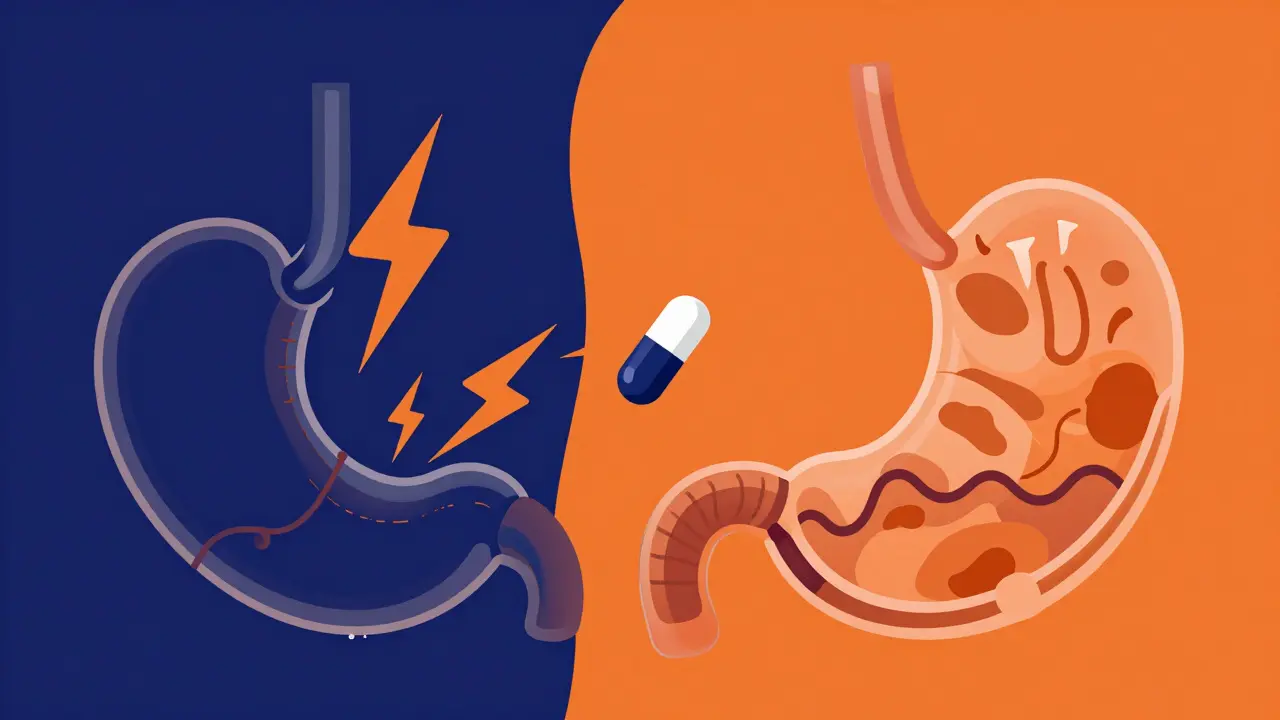
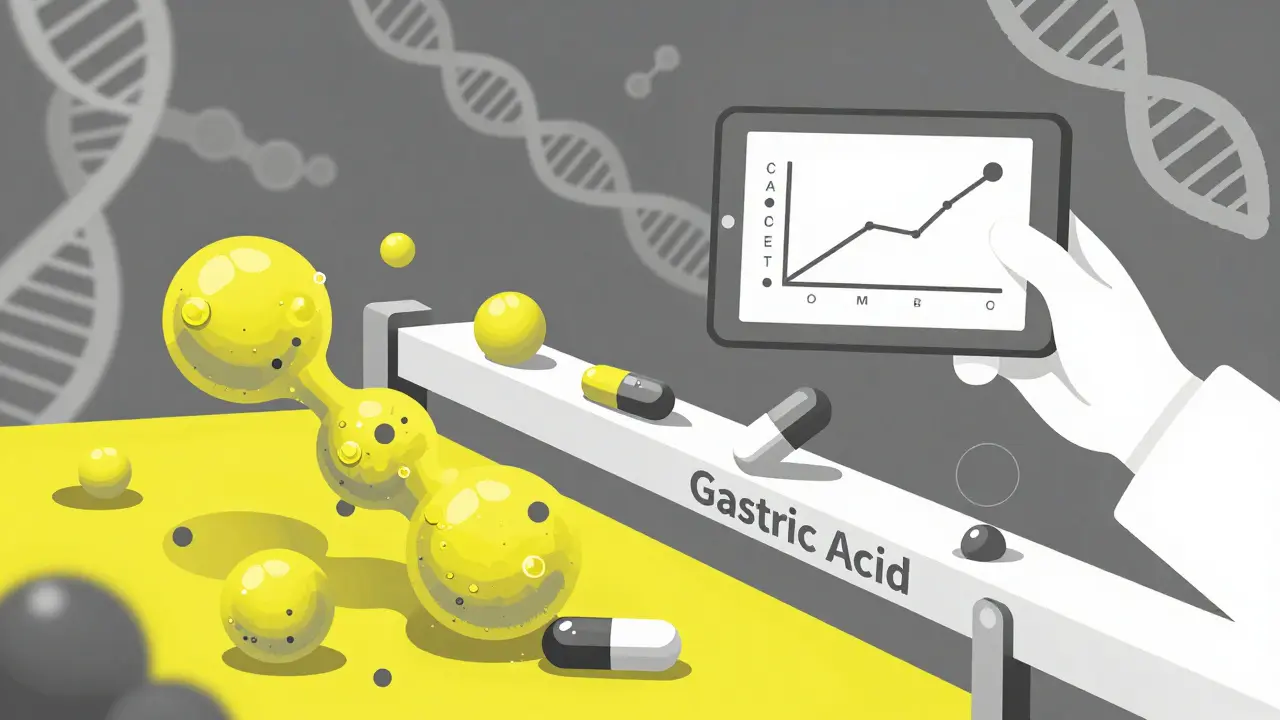
Your stomach is a chaotic environment. When it’s empty, acid levels are high (pH 1-2), and food moves through quickly. When you eat, especially fatty meals, gastric pH rises to 3-5, and emptying slows down significantly-sometimes taking up to four hours instead of fifteen minutes. These shifts directly impact how a drug dissolves and enters your bloodstream.
Consider Levothyroxine, a common thyroid medication. A 2022 meta-analysis showed that food decreases its absorption by 20-50%. If you take it with breakfast, your body might only absorb half the dose, leading to fluctuating TSH levels and fatigue. Conversely, some drugs need fat to dissolve. Without bile secretion triggered by food, lipophilic drugs like Griseofulvin see a 50% drop in absorption. Understanding these mechanisms helps you see why "take with food" isn't just advice for comfort-it's often a requirement for efficacy.
The "Empty Stomach" Rule: Precision Matters
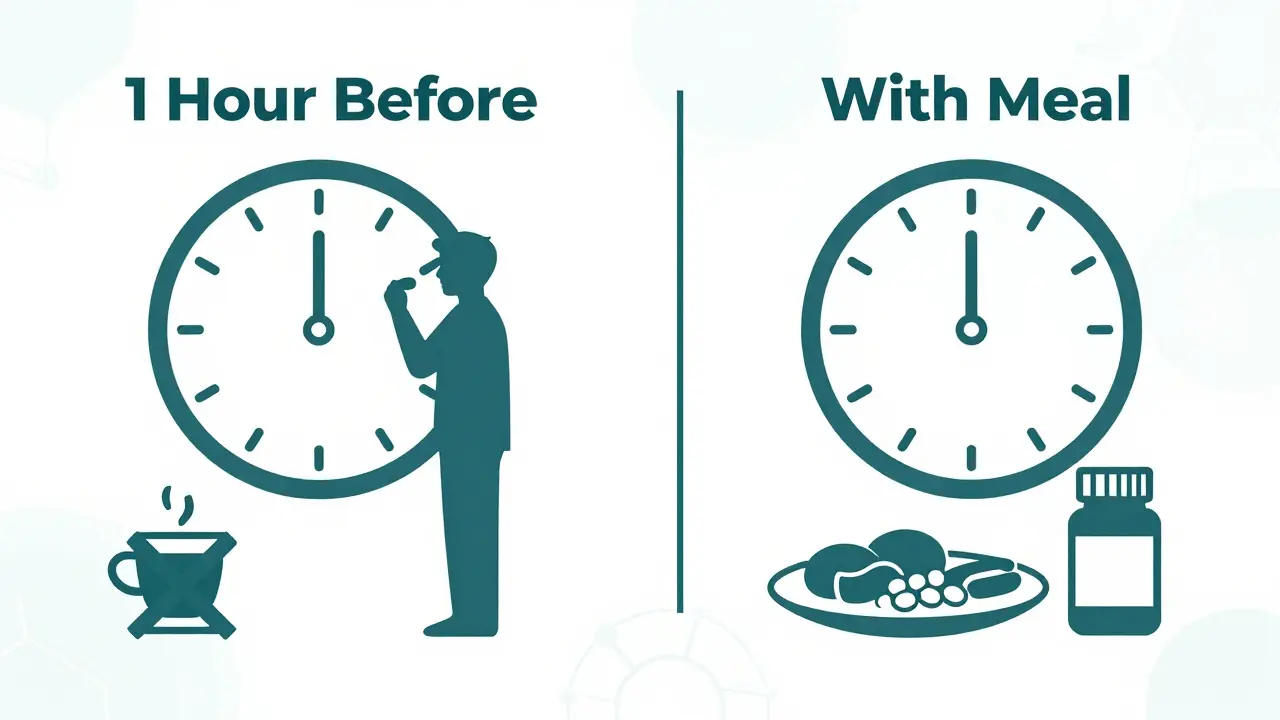
When a label says "empty stomach," it doesn’t mean "before bed." According to the American Pharmacists Association (APhA), it specifically means taking the medication at least one hour before eating or two hours after. This window ensures the drug passes through the stomach before food interferes with dissolution or binding.
- Levothyroxine (Synthroid): Take first thing in the morning, wait 30-60 minutes before any food, coffee, or tea. Even calcium-fortified juice can block absorption.
- Alendronate (Fosamax): Used for osteoporosis, this bisphosphonate has only 60% reduced absorption when taken with food. More critically, it can irritate the esophagus. You must sit upright for 30 minutes after taking it.
- Sucralfate (Carafate): This ulcer medication needs to coat the stomach lining. Taking it one hour before meals allows it to form a protective barrier against acid.
- Ampicillin: An antibiotic where food reduces peak plasma concentration by 35%. Take it 30 minutes before or two hours after meals to ensure full potency.
- Zafirlukast (Accolate): Absorption drops by 40% with food. Stick to the one-hour-before/two-hours-after rule.
Dr. Michael Cohen from the Institute for Safe Medication Practices notes that levothyroxine errors are so common that taking it with breakfast is equivalent to missing 25% of your doses. To compensate, many patients end up on unnecessarily higher doses, increasing the risk of heart palpitations and bone loss.
Drugs That Require Food for Safety and Efficacy
Some medications are harsh on the stomach lining or simply need the digestive process to work correctly. Taking these on an empty stomach can lead to nausea, ulcers, or poor absorption.
| Medication Class | Examples | Reason for Food Requirement | Impact of Ignoring Rule |
|---|---|---|---|
| NSAIDs | Ibuprofen (Advil), Naproxen (Aleve) | Reduces GI irritation | 50-70% increase in ulcer risk; stomach pain |
| Statins | Atorvastatin (Lipitor), Simvastatin (Zocor) | Enhances absorption | Poor lipid control; potential muscle pain |
| Antidepressants | Duloxetine (Cymbalta) | Reduces nausea | 30% higher incidence of nausea/vomiting |
| Aspirin (High Dose) | Aspirin EC | Decreases gastric irritation | Gastric bleeding risk increases from 8% to 25% |
Non-steroidal anti-inflammatory drugs (NSAIDs) are particularly dangerous on an empty stomach. The American College of Gastroenterology reports 10,000-20,000 annual hospitalizations due to NSAID-related GI complications. Taking ibuprofen with a meal containing 500-800 calories buffers the stomach acid, drastically reducing this risk. Similarly, statins like atorvastatin benefit from food because dietary fats stimulate bile production, which helps dissolve these lipophilic drugs. However, avoid grapefruit juice with statins-it can increase blood levels by 300-500%, raising the risk of rhabdomyolysis, a severe muscle breakdown condition.
Proton Pump Inhibitors: Timing Is Everything
Proton pump inhibitors (PPIs) like omeprazole (Prilosec) and esomeprazole (Nexium) are unique. They don’t just need food; they need to be timed *before* food. PPIs work by blocking the acid pumps in your stomach cells. These pumps are most active when you start eating. If you take the pill after eating, the pumps are already firing, and the drug can’t block them effectively.
The standard instruction is to take PPIs 30-60 minutes before your first meal of the day. For esomeprazole, the FDA label specifies at least one hour before food. A study published in the New England Journal of Medicine found that incorrect PPI timing reduces healing rates for erosive esophagitis from 93% to 67% over eight weeks. Interestingly, pantoprazole (Protonix) tablets show equivalent efficacy regardless of food timing, offering more flexibility for patients who struggle with early morning routines.
Practical Strategies for Complex Regimens
If you take multiple medications, coordinating food timing can feel impossible. Here are practical steps to simplify your routine:
- The 2-1-2 Rule: For empty stomach drugs, aim for 2 hours after dinner, 1 hour before breakfast, or 2 hours after lunch/dinner.
- Stagger Your Doses: Take empty-stomach meds at 7:00 AM. Eat breakfast at 8:00 AM. Take food-requiring meds with breakfast. This maintains therapeutic levels without conflict.
- Use Visual Cues: Pharmacies like CVS and Walgreens now use color-coded stickers (red for empty stomach, green for with food). Ask your pharmacist for this system.
- Leverage Technology: Apps like Medisafe and GoodRx have food-timing alerts that reduce administration errors by 28%. Set reminders for "Pre-Meal" rather than just "Take Pill."
- Pill Organizers: Use organizers labeled "Before Food" and "With Food" instead of just AM/PM. This improves adherence by 35% according to the Annals of Internal Medicine.
For patients with irregular schedules, consistency is key. Try to eat meals at similar times each day so your medication schedule remains stable. If you skip a meal, check with your pharmacist-some empty-stomach drugs should still be taken, while others might need to be skipped to avoid side effects.
The Future of Medication Formulations
Pharmaceutical companies are working to eliminate these timing headaches. New formulations aim to bypass gastric pH variations and food interference. For example, Johnson & Johnson’s Xarelto Advanced uses a pH-dependent release mechanism that shows only 8% variability in absorption regardless of food, compared to 35% in older versions. Researchers at the University of Michigan are developing mucoadhesive nanoparticles for levothyroxine that maintain 92% consistent absorption whether you’ve eaten or not. While these innovations promise easier lives, current guidelines still apply to the vast majority of existing prescriptions.
Can I take my medication with a snack?
It depends on the drug. For "with food" medications, a small snack with some fat content (like yogurt or nuts) is usually sufficient to trigger bile production and buffer stomach acid. However, for "empty stomach" drugs, even a light snack can interfere with absorption. Stick to water only for empty-stomach meds.
What does "take with food" actually mean?
It generally means taking the medication during a meal or within 30 minutes after finishing a meal containing 500-800 calories. This ensures the drug mixes with food in the stomach, slowing digestion and enhancing absorption or reducing irritation.
Does coffee count as food?
Black coffee is technically a liquid, but it can alter stomach acidity and speed up gastric emptying. For sensitive drugs like levothyroxine, wait 30-60 minutes after taking the pill before drinking coffee. If your coffee has milk or creamer, it counts as food and will significantly block absorption.
I missed my pre-meal dose. Should I take it with my meal?
If it’s been less than an hour since your usual time, take it immediately before eating. If you’ve already started eating, wait until after the meal and then wait two hours before taking the next dose, or consult your pharmacist. Do not double up doses.
Why do some antibiotics need an empty stomach?
Many antibiotics, like ampicillin and tetracyclines, bind to minerals in food (calcium, iron, magnesium) forming insoluble complexes that your body cannot absorb. This can reduce drug exposure by 50-75%, potentially allowing the infection to persist or develop resistance.