


CNS Depression Risk Calculator
Valerian Interaction Risk Assessment
This tool helps you understand the potential risks of combining valerian with other CNS depressants.
Many people turn to valerian root as a natural way to sleep better. It’s been used for centuries, and today, millions take it without thinking twice. But what happens when you combine it with your prescription sleep aid, anxiety medication, or even a glass of wine? The answer isn’t simple - but the risks are real.
What Is Valerian, Really?
Valerian (Valeriana officinalis is a perennial flowering plant whose root extract has been used since ancient times as a sedative and sleep aid). Unlike many herbal supplements, it’s been studied in human trials. Research from the 1980s showed that people who took valerian root extract reported better sleep quality. Today, it’s one of the most popular herbal sleep aids in the U.S., with millions using it regularly.
But valerian isn’t just one compound. It contains dozens of active substances, including valerenic acid and a group of chemicals called valepotriates. Valerenic acid works by slowing down the enzyme that breaks down GABA - a brain chemical that calms nerve activity. More GABA means less anxiety and drowsiness. Valepotriates also have sedative effects, but they break down quickly, which is why some supplements may not work as well as others.
Why This Matters With Other Medications
Here’s the problem: many common medications do the same thing as valerian. They boost GABA. That includes:
- Benzodiazepines - like alprazolam (Xanax), lorazepam (Ativan), and diazepam (Valium)
- Barbiturates - older sedatives like phenobarbital
- Sleep medications - such as zolpidem (Ambien)
- Alcohol - ethanol, which is also a CNS depressant
- Opioids - like oxycodone or hydrocodone
When you mix valerian with any of these, the effects can stack up. Think of it like turning up the volume on a speaker that’s already at 80%. You don’t just get louder - you risk distortion, crackling, or even damage.
That’s why the Mayo Clinic and WebMD both warn: combining valerian with these drugs can cause excessive drowsiness, slowed breathing, or even respiratory failure. In extreme cases, this can be fatal.
The Science Behind the Warning
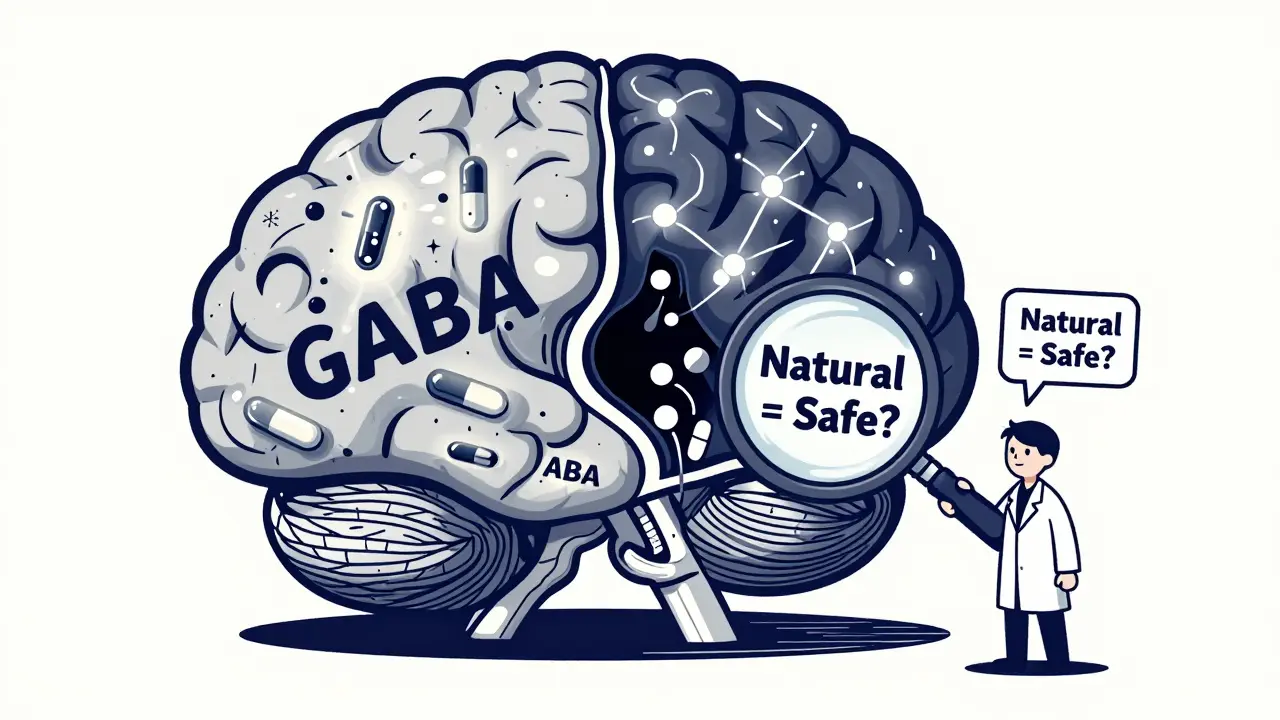
The mechanism is clear. Valerian increases GABA in the spaces between brain cells. So do benzodiazepines. So does alcohol. When you take them together, your brain gets more GABA than it can handle. This over-calms your nervous system. Your breathing slows. Your heart rate drops. Your reflexes vanish. You may fall asleep so deeply you can’t wake up.
It’s not just theory. The NIH Office of Dietary Supplements states plainly: “Valerian might have additive therapeutic and adverse effects if taken with sedatives.” That’s not a vague warning. It’s a direct red flag.
Even more concerning? Valerian supplements aren’t regulated like drugs. One bottle might have 0.5% valerenic acid. Another might have 2.8%. You have no way of knowing what you’re getting. A supplement labeled “1000 mg valerian root” could be nearly inert - or dangerously potent.
What About That 2005 Study?
You might have heard about a 2005 study from Mexico that claimed valerian didn’t worsen sedation in mice. It’s often cited to downplay the risk. But here’s what you need to know:
- It used Valeriana edulis - a different species than the one most people take (Valeriana officinalis)
- It was done in mice - not humans
- It tested only one extract under lab conditions
- No human trials have replicated those results
That study doesn’t prove safety. It just shows one possible outcome under very specific conditions. It doesn’t override decades of clinical warnings, pharmacological data, or real-world case reports.
Real-Life Scenarios You Should Worry About
Imagine this:
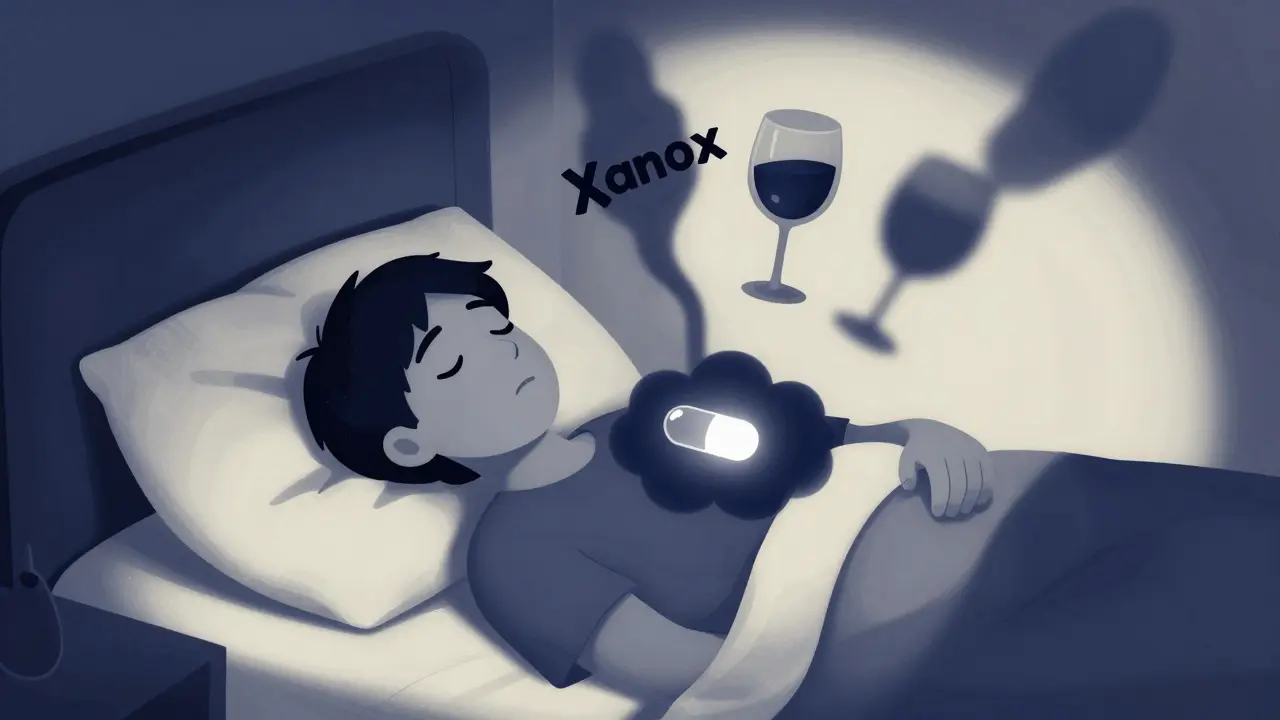
- You take valerian at night to sleep - and your doctor prescribes Xanax for anxiety. You don’t tell them. Two weeks later, you wake up groggy, confused, and can’t stand up straight.
- You have a dental appointment. You take valerian to calm your nerves. The dentist gives you nitrous oxide. You pass out and stop breathing on the chair.
- You drink a glass of wine after dinner. You also take your valerian capsule. You fall asleep - and don’t wake up until morning, with no memory of the night.
These aren’t hypotheticals. Clinicians in Australia, the U.S., and Europe report cases like these. Many patients don’t even think of valerian as a “drug.” They call it “natural,” so they assume it’s safe. That’s the trap.
What Do Experts Say?
Here’s the bottom line from the most trusted sources:
- Mayo Clinic: “Valerian may increase the effects of other sleep aids. It increases the sedative effect of depressants like alcohol, benzodiazepines, and narcotics.”
- WebMD: Classifies the combination with alcohol and alprazolam as “Major - Do not take this combination.”
- NIH ODS: Warns that valerian “might have additive effects” with sedatives - even though it’s generally safe on its own.
- American Academy of Family Physicians: While noting no major interactions have been reported, they still caution that valerian “may potentiate sedative effects.”
There’s no contradiction here. The evidence isn’t conflicting - it’s layered. Mechanistic data says “this could be dangerous.” Real-world cases say “this has been dangerous.” Animal studies say “maybe not.” But none of them say “it’s safe.”
What Should You Do?
If you’re taking any of these:
- Benzodiazepines (Xanax, Ativan, Klonopin)
- Sleep meds (Ambien, Lunesta)
- Opioid painkillers
- Barbiturates
- Alcohol regularly
Stop taking valerian. Not “maybe.” Not “if you’re careful.” Just stop.
If you’re not on meds but still want to use valerian:
- Don’t combine it with alcohol - ever.
- Don’t drive or operate machinery after taking it.
- Don’t take it before surgery or dental work without telling your provider.
- Check with your doctor - even if you think it’s “just herbal.”
And if you’ve been using valerian for months or years? Ask yourself: Is it really helping? Or are you masking something deeper - stress, anxiety, sleep apnea?
The Mayo Clinic reminds us: “Persistent insomnia indicates a problem, such as poor sleep habits or a medical or psychological condition.” Valerian doesn’t fix the root cause. It just covers it up.
Final Thoughts
Valerian isn’t evil. It’s not a poison. But it’s not harmless, either. When you mix it with sedating drugs, you’re playing Russian roulette with your breathing. And unlike a casino, you can’t walk away after one spin.
The safest choice? Keep valerian separate from your prescriptions. Talk to your doctor before taking it - even if you think it’s “just a supplement.” Your brain doesn’t care if something is natural or synthetic. It only cares about what’s in your bloodstream.
Can I take valerian if I’m on a low dose of Xanax?
No. Even low doses of Xanax can interact dangerously with valerian. The combined effect can slow your breathing to dangerous levels. There is no safe threshold for this combination. The risk isn’t about the dose - it’s about the mechanism. Both substances act on the same brain pathways. Combining them multiplies the effect, not adds to it.
Is valerian safe with melatonin?
Melatonin isn’t a CNS depressant like valerian - it’s a hormone that regulates sleep-wake cycles. While combining them isn’t known to cause dangerous respiratory depression, it can lead to excessive drowsiness, grogginess, and next-day fatigue. If you’re considering this combo, start with low doses and monitor how you feel. Still, talk to your doctor first - especially if you’re on other medications.
Why don’t I hear more about valerian interactions?
Because most people don’t tell their doctors they’re taking it. There’s no centralized reporting system for herbal supplement side effects. Unlike prescription drugs, valerian isn’t tracked in hospital records. So serious reactions go unreported. That doesn’t mean they’re rare - it means they’re hidden. The lack of data doesn’t equal safety.
Can I just space out the timing - take valerian at night and my medication in the morning?
No. Valerian’s effects can last 6-8 hours, and some of its active compounds build up in your system over time. Even if you take them 12 hours apart, the interaction can still occur. The risk isn’t about timing - it’s about the cumulative effect on your nervous system. There’s no safe window for combining valerian with CNS depressants.
What should I do if I accidentally took valerian with my sedative?
If you feel unusually drowsy, confused, dizzy, or have trouble breathing, seek medical help immediately. Call emergency services or go to the nearest ER. Don’t wait. Don’t assume it’s “just sleepiness.” Respiratory depression can happen quietly - you might not realize you’re in danger until it’s too late. Tell the medical team exactly what you took and when.