

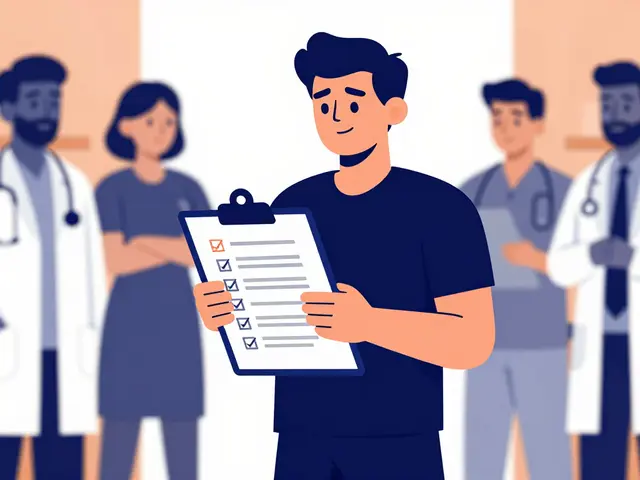




Every year, millions of Medicare beneficiaries get a call or letter inviting them to a free, one-on-one medication review. But if you’ve never done it before, it can feel confusing. What exactly happens? Do you need to bring anything? What if you forget something? This isn’t just a chat with your pharmacist-it’s a Medicare Annual Medication Review, a federally required service designed to catch dangerous drug interactions, cut unnecessary prescriptions, and save you money. And if you prepare right, it could literally save your life.
What Is a Medicare Annual Medication Review?
The Medicare Annual Medication Review, officially called a Comprehensive Medication Review (CMR), is a free service offered by your Medicare Part D plan. It’s not optional for them-it’s required by law under the Medicare Modernization Act of 2003. Every year, your plan must offer this review to anyone who qualifies. And if you take multiple medications, you likely do. This isn’t a quick 5-minute check-in at the pharmacy counter. It’s a full 30- to 60-minute conversation with a licensed pharmacist, done in person or over video call. They’ll look at every pill, capsule, patch, and supplement you take-prescription, over-the-counter, herbal, even vitamins. They’ll check for overlaps, side effects, and whether anything you’re taking might be doing more harm than good. The goal? To make sure you’re not taking drugs that don’t belong, to find cheaper alternatives, and to fix problems like forgetting doses or taking things at the wrong time. Studies show that when people prepare for this review, their risk of hospitalization from bad drug reactions drops by nearly 40%.Who Qualifies for the Review?
Not everyone gets invited. To be eligible, you need to meet at least two of these three criteria in 2025:- You take at least 8 Part D-covered prescription drugs (including maintenance meds like blood pressure or diabetes pills)
- You have at least 3 chronic health conditions-like diabetes, heart disease, COPD, or kidney disease
- You spent more than $1,623 out-of-pocket on your Part D medications in the past year
What You Need to Bring
This is where most people mess up. They show up with a list they wrote from memory-and forget half their meds. The pharmacist can’t fix what they don’t know about. Bring every single medication you take, in the original container. That means:- All prescription bottles-even the ones you haven’t opened in months
- Over-the-counter pills like ibuprofen, allergy meds, or sleep aids
- Vitamins and supplements-fish oil, magnesium, ginkgo, turmeric
- Herbal teas or remedies if you use them daily
- Topical creams, patches, or inhalers
- When you take each one (morning, night, with food?)
- Why you take it (e.g., “for high blood pressure,” “for joint pain”)
- Any side effects you’ve noticed (dizziness, nausea, fatigue, confusion)
- Any pills you’ve skipped or stopped taking, and why
- Any questions you have about cost or how to take them
How to Prepare: A Simple 5-Step Checklist
You don’t need to be a doctor to get ready. Just follow this:- Gather everything. Go through your medicine cabinet, nightstand, purse, and car. Collect all bottles. This takes 20-30 minutes.
- Take photos. Snap clear pictures of each label. If you lose a bottle later, you’ll still have the info.
- Make a simple list. Write down the name, dose, and time of day for each item. Use a notebook or your phone. Don’t rely on memory.
- Write down your concerns. What’s bothering you? “I feel tired after lunch.” “I keep forgetting my afternoon pill.” “This costs $120 a month-can it be cheaper?”
- Bring someone with you. A spouse, child, or friend. People forget things under pressure. A second set of ears helps.
What Happens During the Review?
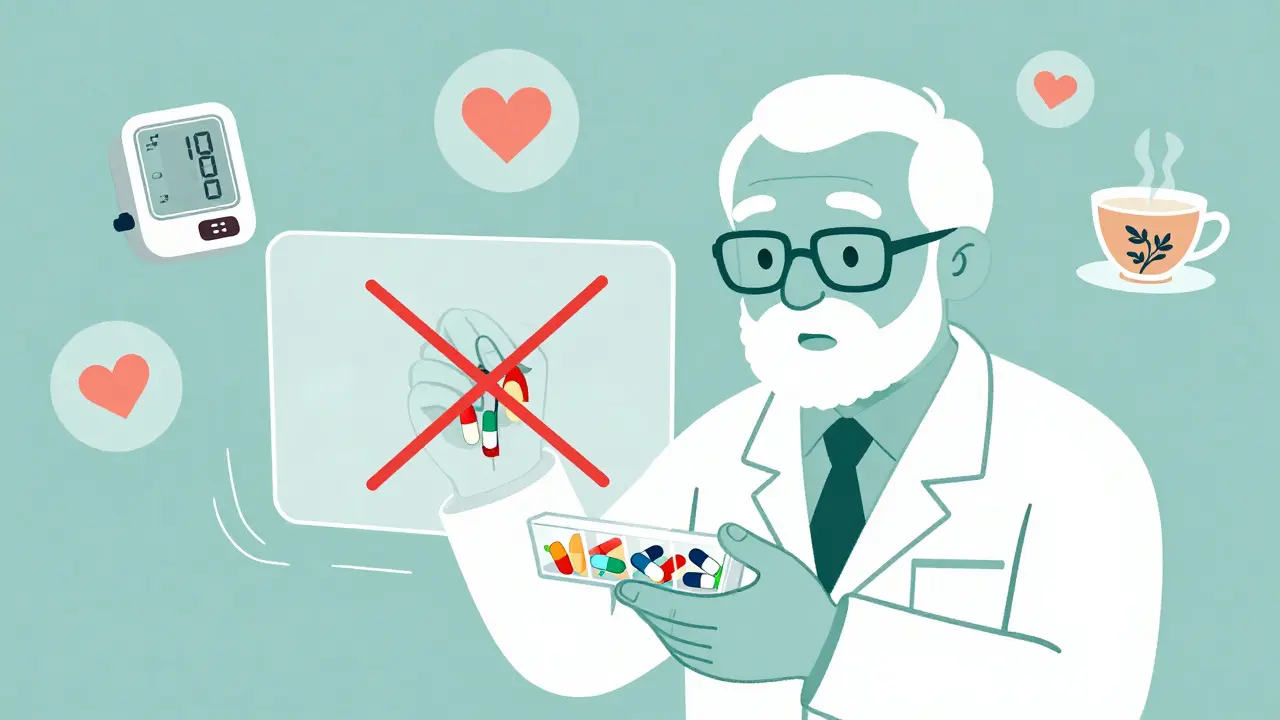
The pharmacist will start by confirming what you’re taking. They’ll compare your list to your claims data. Often, they’ll spot something you didn’t-like a duplicate prescription from two different doctors, or a drug that doesn’t mix with your blood thinner. They’ll ask questions like:- “Do you ever skip doses because of cost?”
- “Do you feel dizzy after taking your morning pills?”
- “Are you using the same pillbox for everything?”
- A Consultation Letter-a summary of what was discussed
- A Medication Action Plan-clear steps to fix problems (e.g., “switch to generic,” “stop this supplement,” “take with food”)
- A Personal Medication List-an updated, easy-to-read list you can carry in your wallet
Why This Matters More Than You Think
The average senior takes 6-8 prescription drugs. Many also take 3-5 supplements. That’s a lot of moving parts. And drugs don’t always play nice together. For example:- Taking ibuprofen with blood pressure meds can raise your risk of kidney damage.
- St. John’s Wort can make your antidepressant useless-or worse, cause serotonin syndrome.
- Some sleep aids increase fall risk in seniors by 50%.
What If You Can’t Make It?
If you’re homebound, sick, or have trouble getting out, you don’t have to skip it. Most plans now offer telehealth CMRs. You can do it on Zoom, FaceTime, or your phone. Just ask. If you’re worried about remembering what to say, record the call (with permission) or ask a family member to join. If you don’t have a smartphone, call your plan’s customer service. They’ll mail you the forms or send someone to your home. Don’t let logistics stop you. This service is free. It’s your right. And it’s designed for people like you.
What Happens After the Review?
The pharmacist will send your updated medication list to your doctors. They might recommend switching to a cheaper drug, stopping something unnecessary, or adding a pill organizer. You don’t have to do everything they suggest-but you should understand why they’re saying it. If they suggest a change, ask:- “Is this safe with my other meds?”
- “How soon should I start?”
- “Will my insurance cover it?”
- “What if I don’t change anything?”
Common Mistakes to Avoid
Don’t make these errors:- Bringing only a list. Labels matter. Doses change. Pills look similar.
- Forgetting supplements. “I don’t take medicine, just vitamins.” That’s exactly what they need to know.
- Not asking questions. If you’re unsure, say so. No question is too small.
- Waiting for the letter. Don’t wait for your plan to contact you. Call them. Ask if you qualify.
- Assuming it’s just a formality. This isn’t a box to check. It’s a safety net.
Final Thoughts: This Is Your Health, Not Theirs
The Medicare Annual Medication Review isn’t about pleasing your plan. It’s about keeping you safe, healthy, and in control. You’re not just a number. You’re someone who takes time to manage their health-and that matters. If you’re on multiple meds, this review is one of the most powerful tools you have. It’s free. It’s confidential. And it’s designed for you. Take 45 minutes this week to gather your pills. Write down your concerns. Call your plan. Show up prepared. You might not notice a difference today-but next month, when you don’t feel dizzy after lunch, or when your prescription costs $30 instead of $120, you’ll know why. Don’t wait for the letter. Take action now. Your future self will thank you.Do I have to pay for the Medicare Annual Medication Review?
No, the Medicare Annual Medication Review is completely free. It’s a required benefit under your Medicare Part D plan, and there are no copays, fees, or hidden charges. You don’t need to pay anything to participate.
Can I do the review over the phone or video call?
Yes. Most Medicare Part D plans now offer telehealth options for the review. You can do it over Zoom, FaceTime, or a phone call with a pharmacist. If you’re homebound, have mobility issues, or live in a rural area, telehealth is often the easiest option. Just ask your plan.
What if I forget to bring a medication to the review?
If you forget a medication, the pharmacist may not catch a potential interaction or duplication. Studies show that people who don’t bring their actual pills miss about 2-3 medications on average. That’s why bringing bottles is so important. If you forget, call your plan and schedule another review-you’re entitled to one every year.
Do I need to bring my doctor’s notes or lab results?
It’s not required, but it helps. If you’ve had recent blood work, hospital visits, or changes in your health, bring those notes. The pharmacist can connect your symptoms to your meds. For example, if your kidney function dropped and you’re on a common blood pressure drug, they might suggest a safer alternative.
Can I get a medication review more than once a year?
The annual review is mandatory, but you can request additional reviews if your medications change. For example, if you start a new drug, go to the hospital, or notice new side effects, call your plan. Many offer quarterly Targeted Medication Reviews (TMRs) for specific issues, and you’re entitled to those too.
13 Comments

Jane Lucas
December 26, 2025 AT 13:41
just brought my pill bottles and got my meds cut in half. no more dizziness. thank you for this

Elizabeth Alvarez
December 28, 2025 AT 00:42
you know what they don't tell you? This 'free review' is just the first step before they start pushing you into those Medicaid managed care plans that track your every pill. The government doesn't care if you live or die-they care if you're compliant. They're using this to build a national drug database. I heard from a friend who works at CVS-they're feeding all this data to the CDC and private insurers. Next thing you know, your premiums go up because you 'took too many meds.' Don't be fooled. This isn't healthcare. It's surveillance with a smile.

Miriam Piro
December 28, 2025 AT 20:41
I’ve been waiting for someone to say this. 🤔 The whole system is rigged. They give you a 'free' review so you feel safe... then they use your medication list to deny you future coverage. I saw it happen to my neighbor. She brought everything-every pill, every supplement-and they told her she was 'overmedicated.' Two weeks later, her insulin was denied. They didn't even call her doctor. They just flagged her as 'non-compliant' and cut her off. And now they want you to bring photos? Of your pills? Like you're a criminal? This isn't medicine. It's a digital dragnet. And if you don't play along? They'll label you 'non-cooperative' and raise your premiums. Don't be naive. This is how they control us. They don't want you healthy-they want you obedient.

dean du plessis
December 30, 2025 AT 06:06
i did this last year and it saved me $800 on my blood pressure med. they switched me to a generic i didnt even know existed. no drama no fuss. just good advice

Will Neitzer
December 31, 2025 AT 05:22
It is imperative to underscore the profound significance of this federally mandated service. The Comprehensive Medication Review (CMR) represents not merely a procedural formality, but a critical safeguard against polypharmacy-related morbidity and mortality. The empirical data cited, demonstrating a 40% reduction in hospitalizations attributable to proper preparation, is not merely statistically significant-it is life-affirming. One must, therefore, treat this review with the solemnity it deserves. The procurement of all pharmaceuticals in their original containers, the documentation of dosing schedules, and the articulation of adverse effects are not optional niceties-they are non-negotiable components of patient autonomy and safety. To neglect these steps is to abdicate responsibility for one’s own well-being.

Gerald Tardif
January 2, 2026 AT 01:31
man i thought i was the only one who forgot half my meds until i brought the actual bottles. my pharmacist looked at me like i’d shown up to a fire drill with a candle. turned out i was double-dosing on my cholesterol pill. i thought it was a different one. dumb. but now i’ve got a wallet card that says what i’m actually taking. no more guessing.

Monika Naumann
January 3, 2026 AT 13:18
In the context of the American healthcare system, this practice is an abomination. Why should a senior citizen be required to bring their medications to a government-mandated review? In my country, the state provides all pharmaceuticals through centralized dispensaries, and every citizen's regimen is digitally monitored by trained pharmacists under strict ethical guidelines. Here, we are treated like children who cannot be trusted with their own pills. This is not care-it is infantilization. The fact that you must photograph your bottles to prove you are not lying is a disgrace. What happened to dignity?

Kishor Raibole
January 4, 2026 AT 03:53
Let me be the first to say this: The entire Medicare Annual Medication Review is a distraction. The real problem is that Big Pharma owns the Part D plans. They want you on more drugs, not fewer. The pharmacist who 'catches' your interactions? They’re paid per review, not per outcome. They’re incentivized to keep you on 8 meds so they can hit their quota. The 'Medication Action Plan'? It’s just a formality to make you feel like you’re being helped while they upsell you to a pricier brand. And don’t get me started on 'telehealth'-you think a pharmacist on Zoom can tell if your pill bottle is full or empty? They’re just checking boxes. This isn’t medicine. It’s a corporate shell game dressed in scrubs.

John Barron
January 5, 2026 AT 23:09
I’ve reviewed over 300 CMRs in my 12 years as a Medicare claims analyst. 🤯 Let me tell you-92% of people who bring their actual pills have at least one dangerous interaction. The rest? They’re either lying or clueless. I saw a guy bring 12 bottles but leave out his wife’s heart medication because he ‘thought it was hers.’ He was on blood thinners. She was on aspirin. He didn’t realize she was taking it too. 😳 That’s why photos matter. That’s why lists fail. That’s why you need to bring the damn bottles. And if you think fish oil is harmless? Bro. I’ve seen 7 people with brain bleeds from that stuff. Don’t be that guy.

Chris Garcia
January 7, 2026 AT 19:49
In Nigeria, we don’t have this system-but we have something better: community elders who know everyone’s medicine. When a man comes with a new pill, the whole village asks: 'Who gave it to you? Why? Did you ask about the cost?' We don’t need a pharmacist to tell us what to take-we have wisdom passed down. But I see your system tries to fix what it broke. You created a thousand pills and now you need a hundred reviews to clean up. Maybe the real answer isn’t more paperwork... but less medicine.

James Bowers
January 9, 2026 AT 02:26
This post is dangerously misleading. You encourage seniors to 'bring everything' without warning them that pharmacists are legally permitted to report 'non-compliant' behavior to Medicare fraud units. One woman in Ohio was flagged for bringing 'unapproved supplements'-she was taking magnesium for leg cramps. They audited her for 'medication misuse.' She lost her Part D coverage for six months. This isn't a review-it's a trap. If you're not careful, you'll be labeled a 'drug abuser' for taking melatonin.

Olivia Goolsby
January 11, 2026 AT 01:13
I’ve been doing this for years. And I’ll tell you what they NEVER say: the review is just the beginning. After they 'fix' your meds, they send you a letter that says 'your risk profile has changed'-and guess what? Your premiums go up. I had mine cut from $140 to $35... then they flagged me for 'low adherence' because I stopped taking a pill they told me to stop. Then they said I was 'non-compliant' and raised my rate. They want you to take everything-even the stuff they tell you to stop. It’s a scam. And now they want you to record your call? What’s next? A camera in your medicine cabinet? I’m not playing. I’m not bringing anything. I’m not signing anything. I’m done.

Alex Lopez
January 13, 2026 AT 00:22
Wow. You really just wrote a 2,000-word love letter to the pharmacy-industrial complex. 🤡 The fact that you think bringing pill bottles is 'life-saving' is almost adorable. Let’s be real: the pharmacist’s job is to reduce their plan’s liability, not your risk. They’ll 'catch' a supplement you’ve been taking for 10 years and say 'stop it'-then quietly replace it with a $120 brand-name drug that they get a kickback on. And you’re supposed to be grateful? I’ve seen this play out 47 times. The 'personal medication list'? It’s a form they use to feed your data into an algorithm that decides whether you get your next refill. This isn’t care. It’s corporate control dressed in a white coat. And you’re handing them the keys.
Write a comment