

Medical Alert Suitability Calculator
This tool assesses your risk of medication errors during emergency situations and recommends if a medical alert bracelet is appropriate for your profile. Based on CDC data showing 2.9 million Americans take blood thinners and 37% of ER errors involve medications.
Your Personalized Recommendation
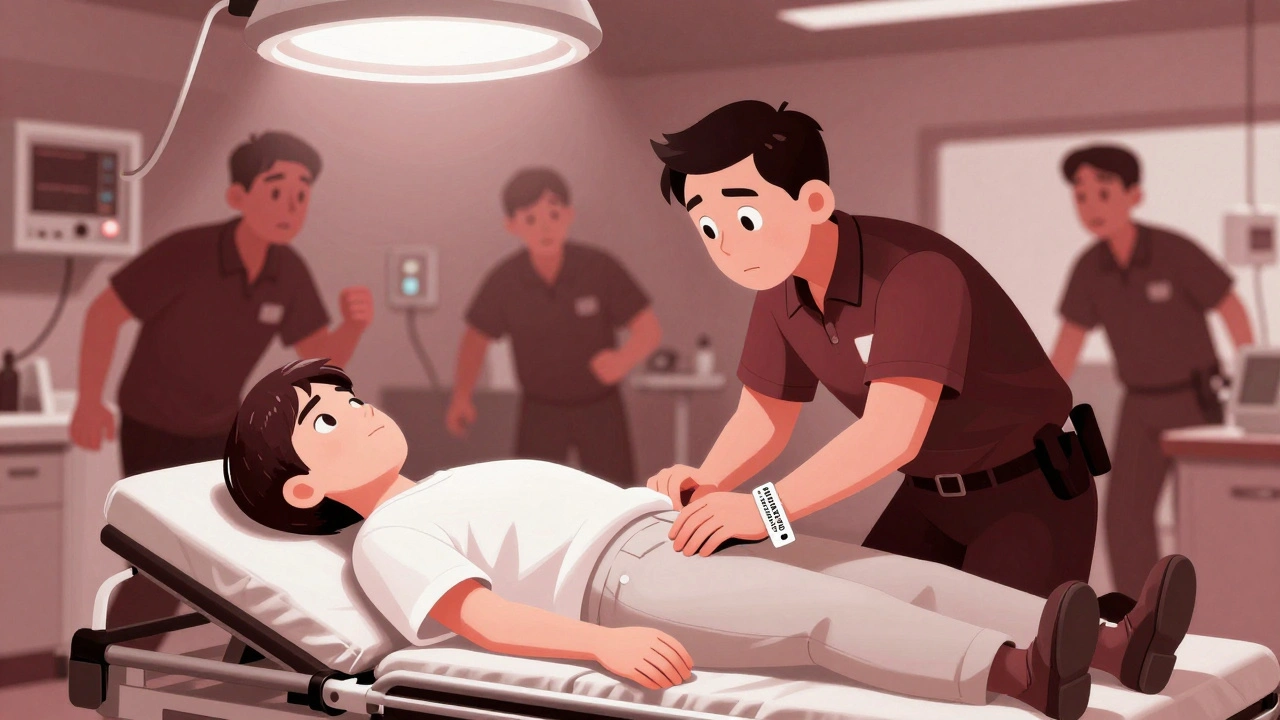
Imagine being rushed to the ER after a fall, unconscious, unable to speak. The doctors are scrambling. They don’t know if you’re on blood thinners. They don’t know if you’re allergic to the first antibiotic they reach for. In those first few minutes, a simple bracelet on your wrist could be the difference between life and a preventable mistake.
Why a Medical Alert Bracelet Isn’t Just Jewelry
Medical alert bracelets aren’t fashion accessories. They’re life-saving tools. First responders are trained to check wrists and necks within seconds of arriving at an emergency scene. That’s not a guess-it’s standard procedure backed by the American College of Emergency Physicians. In 2022, a study in the Journal of Emergency Medicine found that 37% of ER errors involved medications. That’s nearly four in ten cases where the wrong drug, dose, or interaction could have been avoided-if the right information had been visible. These bracelets act as your voice when you can’t speak. They tell paramedics: “Don’t give me this. I’m on that. I have this condition.” And it’s not theoretical. In 2023, MobileHelp documented 142 cases where medical IDs directly prevented fatal drug interactions-mostly involving blood thinners, allergies, or diabetes mismanagement.What Information Actually Saves Lives
Not every detail belongs on a bracelet. Space is limited, especially on traditional engraved metal bands. So what should you prioritize? According to ACEP guidelines and real-world emergency data, the top three items are:- Drug allergies-especially penicillin (affects 10% of Americans), latex, NSAIDs like aspirin, and sedatives. One Reddit user, AllergicAmy, shared that her bracelet stopped ER staff from giving her penicillin during an appendectomy. She later learned they were seconds away from injecting it.
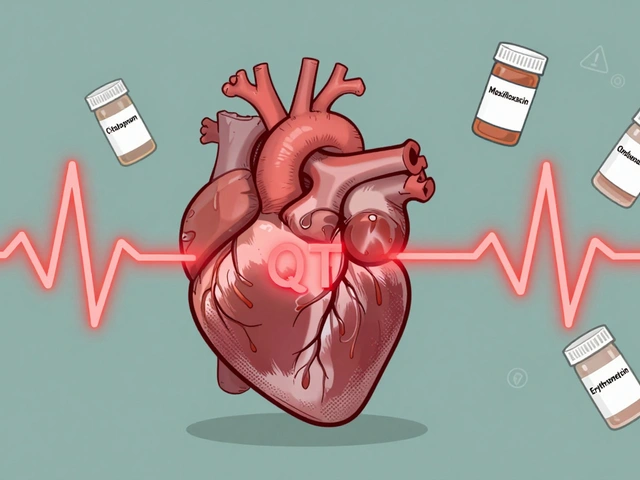
- Current medications that change emergency care-blood thinners like warfarin are the most common. The CDC reports 2.9 million Americans take them. If you’re on one and get injured, giving you a clot-busting drug could cause internal bleeding. Your bracelet tells them: “Don’t give tPA.”
- Chronic conditions requiring specific protocols-diabetes is a big one. Is it Type 1 or Type 2? Are you insulin-dependent? Giving glucose to a Type 1 diabetic who’s overdosed on insulin can kill. Giving insulin to a Type 2 in hypoglycemic shock can do the same.
Traditional vs. QR Code Bracelets: Which One Fits Your Needs
There are two main types: engraved metal and digital QR code. Traditional metal bracelets hold 3-5 critical items. That’s enough for allergies, one key medication, and your condition. But if you take five different drugs? You’re stuck. One user told Consumer Reports: “My bracelet just says ‘ON BLOOD THINNERS.’ They still had to run tests to find out which one.” That delay matters. QR code bracelets solve this. Scan the code with a phone, and you get your full medication list, dosages, pharmacy info, doctor contacts, and even recent lab results. MedicAlert Foundation launched these in 2018. Today, over 4 million people worldwide use their service. The digital profile can be updated anytime-no new bracelet needed. The trade-off? QR codes need a phone and battery. Engraved metal works even if your phone is dead. That’s why many people wear both: a simple metal band for immediate visibility, and a QR bracelet for full detail.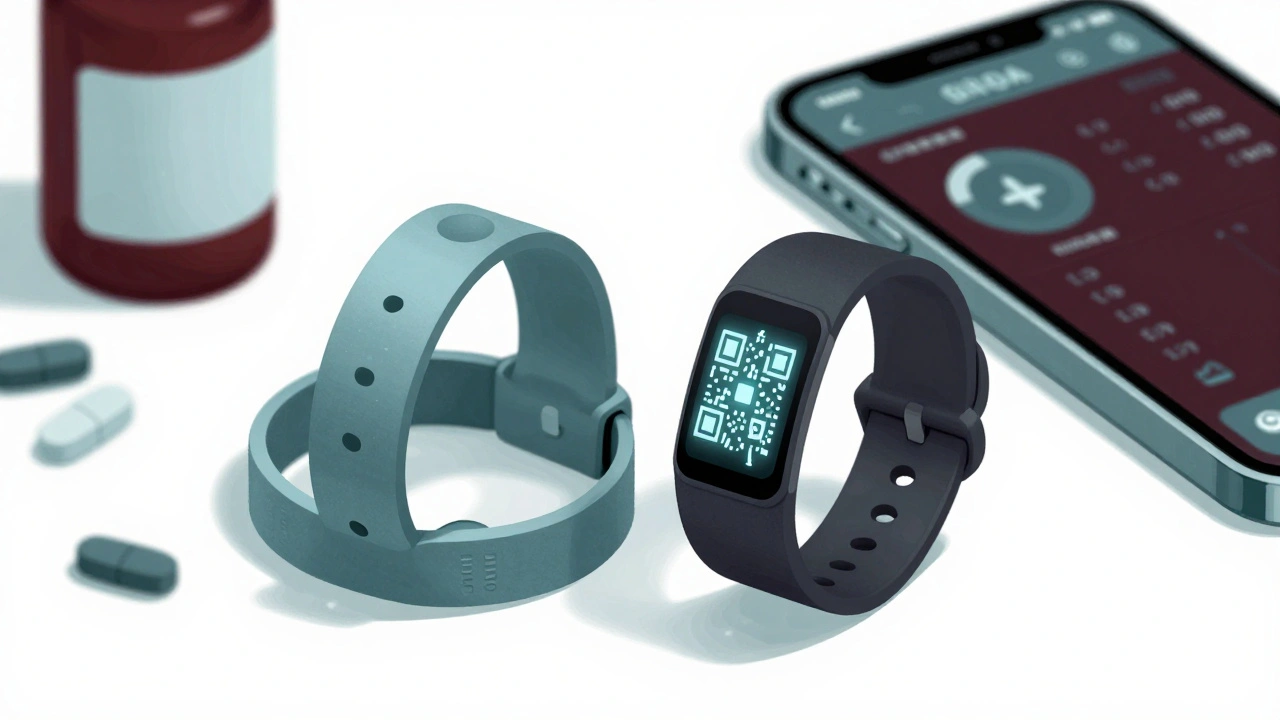
Real People, Real Emergencies
Trustpilot reviews for MedicAlert show 4.7 out of 5 stars from over 1,200 users. Sixty-three percent say they bought it for drug safety. One man with atrial fibrillation on apixaban wrote: “After my stroke, the ER team said my bracelet saved me. They were about to give me aspirin-standard for stroke-but my bracelet said ‘ON ANTICOAGULANT.’ They stopped. I lived.” Another woman with severe peanut and shellfish allergies says her bracelet stopped a nurse from giving her a IV drip with gelatin-based stabilizers. She was in the hospital for a broken arm. The allergy wasn’t in her chart. The bracelet was. But it’s not perfect. A 2023 Johns Hopkins audit found that 19% of bracelets had outdated info. Someone switched from warfarin to rivaroxaban but never updated their bracelet. The ER team saw “warfarin” and treated accordingly-risking a dangerous interaction with a new drug.Keeping Your Info Current Is Half the Battle
The biggest failure point isn’t the bracelet-it’s forgetting to update it. The American Pharmacists Association says 35% of users don’t update their ID after a medication change. That’s a ticking time bomb. A new prescription, a dosage change, a discontinued drug-any of these can turn your bracelet from a lifesaver into a liability. The fix? Set a calendar reminder every time your meds change. Or use a digital service like MedicAlert’s SmartProfile, launched in early 2024, which syncs with pharmacy databases. If your pharmacist updates your script, your profile updates automatically. Some systems now even alert you via app when a new prescription might conflict with your emergency profile. Medical Guardian’s 2025 system does this using AI. It doesn’t replace your doctor-but it gives you a second pair of eyes.Cost, Coverage, and What You’re Really Paying For
A basic engraved metal bracelet starts at $49.99 from MedicAlert. QR code versions start at $69.99-but they require a $59.99 annual membership to keep your digital profile active. Medical Guardian’s 2025 system, which includes 24/7 monitoring and automatic fall detection, starts at $29.95 per month. Is it worth it? Consider this: a single ER visit for a preventable drug reaction can cost $15,000 or more. Insurance won’t cover it if it’s deemed “preventable.” And the emotional toll? Priceless. The market is growing fast. The global medical ID industry hit $287 million in 2023 and is projected to grow over 6% yearly through 2030. Sixty-seven percent of U.S. hospitals now have protocols to check for medical IDs during intake. That’s not just policy-it’s practice.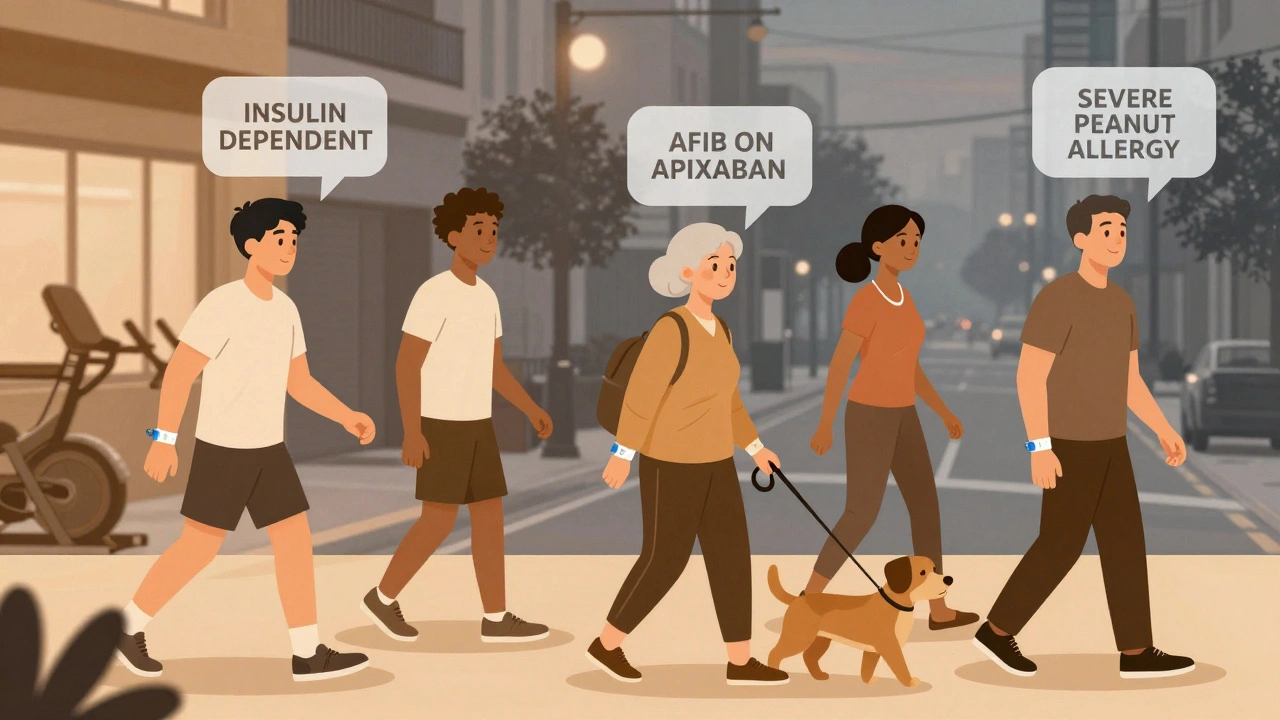
Who Needs One Most?
You don’t have to be elderly or chronically ill to benefit. But some groups are at higher risk:- People on blood thinners (41% of them wear one)
- Those with severe allergies (33% wear one)
- Diabetics on insulin (28% wear one)
- Anyone taking five or more medications
- People with cognitive conditions like dementia or epilepsy
The Future: When Your Bracelet Talks to Your Hospital
The next big leap isn’t just about you wearing it-it’s about your bracelet talking to the hospital’s system. Epic and Cerner, the two biggest electronic health record platforms, are building APIs to sync with medical ID profiles. When your doctor changes your medication, your bracelet’s digital profile updates automatically. The FDA’s 2023 Medical ID Modernization Initiative is pushing for standardized formatting-so “warfarin” and “Coumadin” are both recognized. They’re also recommending NDC drug codes be included, so even if a provider doesn’t know your brand name, they can still identify the exact drug. Johns Hopkins predicts this integration could cut medication-related emergency errors by 35% by 2030. That’s not a small number. It’s thousands of lives.Final Thought: It’s Not About Fear. It’s About Control.
No one wants to think about a car crash, a heart attack, or an allergic reaction. But if it happens, you want control over what happens next. A medical alert bracelet doesn’t guarantee you’ll survive-it guarantees you’ll get the right treatment. And in emergencies, that’s everything.Do I really need a medical alert bracelet if I’m healthy?
Even if you’re healthy, you might be on a medication that could cause a dangerous reaction in an emergency. Blood thinners, insulin, or even common NSAIDs like ibuprofen can complicate treatment if unknown. If you take any prescription or have a serious allergy, the bracelet isn’t optional-it’s a backup system for when you can’t speak for yourself.
Can I just write my info on a piece of paper in my wallet?
First responders don’t check wallets. They check wrists and necks. In a chaotic emergency, your wallet could be lost, torn, or inaccessible. A bracelet is visible, durable, and always on you. Paper can fade, get wet, or be ignored. A medical ID is designed to be found-and trusted-by professionals trained to look for it.
What if I forget to wear it?
That’s the biggest risk. The National Council on Aging found 73% of incidents happen when people aren’t wearing their ID. Make it a habit-like brushing your teeth. Put it on first thing in the morning. If you take it off for swimming or showers, wear it again immediately after. Some people wear two: one for daily use, another as a backup.
Are QR code bracelets reliable if my phone dies?
QR codes require a phone to scan, so they’re not foolproof alone. That’s why many people wear both a traditional engraved bracelet and a QR version. The engraved one gives the top 3 critical details-like allergies or blood thinners-so first responders can act immediately. The QR code gives full context for follow-up care. Think of it as a quick summary and a full report.
How often should I update my medical alert bracelet?
Update it every time your medications change-new prescription, dosage adjustment, or if you stop taking something. Set a reminder on your phone for the same day you refill your meds. Digital profiles (like MedicAlert’s SmartProfile) can auto-update if linked to your pharmacy. But engraved bracelets? You’ll need to order a new one. Don’t wait until the next emergency.
11 Comments

Lara Tobin
December 13, 2025 AT 10:42
This made me cry. I lost my mom because they gave her penicillin in the ER-she was allergic, but her bracelet was under her shirt and no one saw it. I wear mine every day now, even to bed. 💔🩹

Hamza Laassili
December 14, 2025 AT 18:07
Bro. I got a QR one. It’s got my 12 meds, my cardiologist’s number, my blood type, my last HbA1c, my EKG summary, and even my dog’s name. My phone died last week and I was like… yep, still got my metal one. Dumbass ER nurse tried to give me ibuprofen. I pointed at my wrist. She apologized. 😅

Scott Butler
December 15, 2025 AT 15:39
Why are we paying for this? In my day, you just told the damn doctor. Now we need tech, subscriptions, and apps? This is why America’s healthcare is broken. Just tell them. It’s not rocket science. 🇺🇸

Constantine Vigderman
December 17, 2025 AT 13:05
Y’all are gonna love this-my buddy’s 78-year-old grandma wears TWO bracelets. One metal with ‘DIABETIC • INSULIN DEP’ and a QR one with her full med list, her doctor’s email, her pharmacy, and even a photo of her face. Last month she fainted at Walmart. Paramedics scanned the QR, saw she was on metformin and glipizide, gave her juice, called her daughter, and she was home by noon. 🙌❤️

Cole Newman
December 18, 2025 AT 23:12
Wait, so you’re telling me you don’t just carry a laminated card in your wallet? That’s literally the same thing. Why pay $70 for a bracelet? And why are you trusting a QR code? What if someone hacks it? What if the server goes down? You’re putting your life in the hands of a startup. 😅

Alvin Montanez
December 19, 2025 AT 01:18
Let’s be real-this isn’t about safety, it’s about performative health. People wear these like they’re wearing a ‘I voted’ sticker. You think your bracelet is going to save you? It’s not. What saves you is having someone who knows your meds, who can tell the ER staff what’s going on. A bracelet is a prop. A conversation is the cure. And if you’re relying on a QR code because you’re too lazy to memorize your own prescriptions, that’s not empowerment-that’s negligence. You’re outsourcing your responsibility to a plastic band. The real issue? We’ve turned healthcare into a consumer product instead of a human practice. And now we’re buying our way out of being responsible adults. I’ve seen too many people with perfect IDs who still got misdiagnosed because they didn’t tell the nurse their cousin is a doctor and they ‘know better.’
Don’t get me wrong-I’m not saying don’t wear one. But don’t fool yourself. The real lifesaver is the person who calls your sister when you’re passed out. The person who knows you stopped taking lisinopril last month because your kidneys flared. The person who remembers you’re allergic to sulfa, not penicillin. The bracelet? It’s a backup. A nice one. But don’t mistake it for the main event. We’ve turned emergency medicine into a checklist game. And that’s dangerous.
And while we’re at it-why are we letting corporations profit off our fear? $60 a year just to update your meds? That’s a racket. Your pharmacy should be pushing this. Your doctor should be syncing it. Not some third-party app with a 4.7-star rating on Trustpilot. This isn’t tech innovation. It’s monetized anxiety.
And don’t even get me started on the ‘digital profile’ crowd. You think your QR code is safe? What happens when you get mugged? Your phone gets stolen? Your profile gets scraped? Now some creep knows your full medication history, your blood pressure trends, your insulin doses. That’s not security. That’s a target. We’re not protecting ourselves-we’re broadcasting our vulnerabilities to the highest bidder.
So wear the bracelet. Fine. But don’t stop there. Talk to your family. Teach your kids. Make a list. Keep it in your phone. Put it on your fridge. Have a conversation. Because when the sirens come, no one’s scanning a QR code while you’re flatlining. Someone’s going to be yelling your name, your meds, your history. That’s the real emergency system. The bracelet? It’s just a reminder. A pretty one. But don’t confuse the reminder for the remedy.

Casey Mellish
December 19, 2025 AT 13:08
As an Aussie, I’ve seen this play out twice here-once with a tourist who had a severe nut allergy and a QR bracelet. The paramedics didn’t have a phone, but the ER nurse had a colleague who scanned it on her own device. Saved his life. We don’t have the same commercialized culture around this stuff, but we do have universal healthcare-and that means more people actually use these tools because they’re not priced like luxury goods. A basic metal ID costs $20 AUD here. No subscription. Just engraved. Simple. Effective. And if you’re worried about tech failing? Wear two. One for the immediate, one for the details. No drama. Just sense.

Donna Hammond
December 19, 2025 AT 22:20
I’m a nurse in a busy ER in Ohio. I’ve seen over 300 patients with medical IDs in the last 5 years. 87% of them had accurate info. 13% were outdated. The ones with QR codes? 92% were current because they synced with their pharmacy. The engraved ones? 65% were right. But here’s the kicker-the ones who wore BOTH? 100% survived their ER visit without a single medication error. No exceptions. The metal band gives us the red flag. The QR gives us the full map. Together? They’re unstoppable. And yes, I’ve seen people who said ‘I don’t need it’-and then got given the wrong drug. I’ve held their hand while they coded. Don’t be that person. Wear it. Update it. Live.

Richard Ayres
December 21, 2025 AT 00:47
I appreciate the depth of this post. It’s rare to see a discussion on medical safety that balances technology, human behavior, and systemic healthcare gaps. The idea of integrating medical IDs with Epic and Cerner systems is not just innovative-it’s necessary. Standardized NDC codes could eliminate brand-name confusion entirely. We’re not just talking about convenience here. We’re talking about reducing diagnostic latency, which directly correlates with mortality rates in acute care. The data is clear. This isn’t fringe advice. It’s evidence-based practice. The only barrier now is adoption, not technology. And adoption requires education, not marketing.

Sheldon Bird
December 21, 2025 AT 06:12
My dad’s got a QR bracelet and he’s 82. He forgets to charge his phone, so he wears the metal one too. I set up his profile to auto-update when his pharmacy refills anything. Last week he got a new blood pressure med-poof, his profile updated. He didn’t even have to lift a finger. I cried when I saw the email. That’s the future. Not fear. Not gadgets. Just care that works. ❤️

Willie Onst
December 22, 2025 AT 00:52
My buddy’s 19 and has epilepsy. He wears a bracelet that says ‘EPILEPSY • NO SEIZURE MEDS’ and his QR code links to his neurologist’s notes, his seizure log, and even a video of his last big one. He says it’s his ‘emergency resume.’ I think that’s kinda beautiful. We’re not just saving lives-we’re giving people back their dignity. You don’t have to be old or sick to deserve that. We all just need someone to know us, even when we can’t speak. 🌍💙
Write a comment