
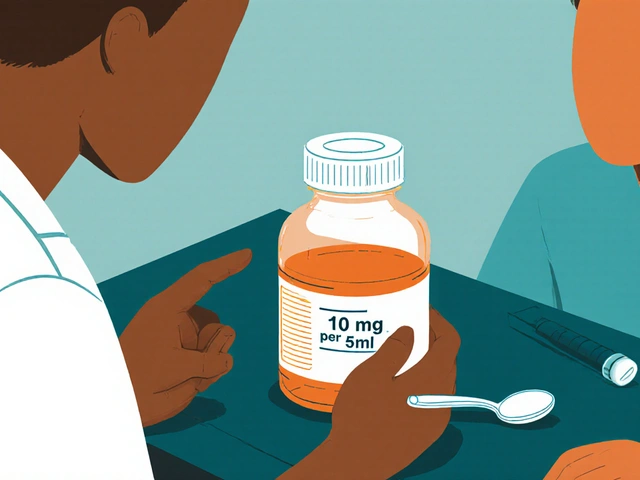

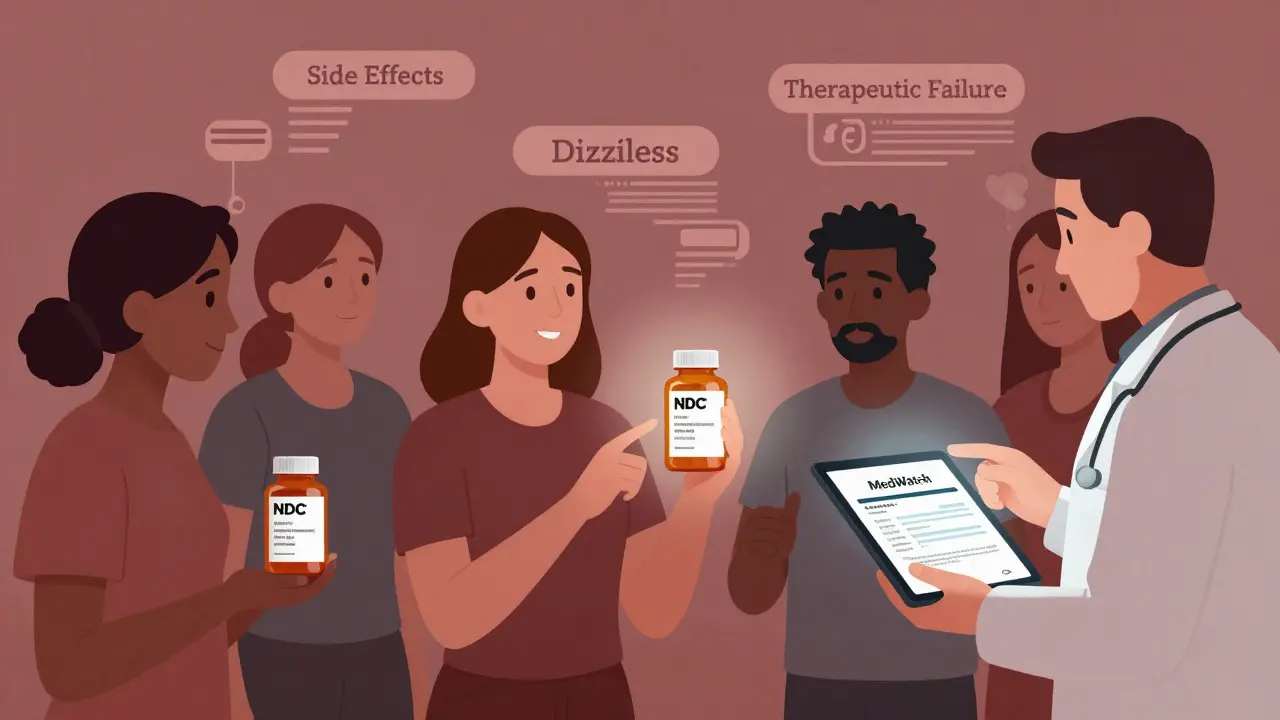
When you take a generic drug, you expect it to work just like the brand-name version. But what happens when it doesn’t? What if you feel worse, or the medicine just doesn’t seem to help anymore? That’s where MedWatch comes in - the U.S. Food and Drug Administration’s system for collecting real-world safety data on all medications, including generics. It’s not a fancy lab or a government lab test. It’s ordinary people - patients, pharmacists, doctors - reporting what they see. And for generics, that data is more critical than ever.
How MedWatch Works for Generic Drugs
MedWatch isn’t a single form you fill out once. It’s a nationwide network of reports. Every time someone experiences a side effect, a reaction, or thinks a generic drug didn’t work right, they can submit a report. These reports go into the FDA Adverse Event Reporting System (FAERS), which holds over 9 million entries as of 2023. For generics, this system is the main way the FDA spots patterns - like a sudden spike in reports of dizziness after switching from one generic version of levothyroxine to another.
The key difference between reporting a brand-name drug and a generic? It’s all in the details. When you report a brand drug like Lipitor, the system knows exactly which company made it. But with generics? You might just type in “sertraline.” That’s not enough. The FDA needs to know if it was made by Mylan, Teva, or Sun Pharma. Why? Because two generics with the same active ingredient can behave differently due to their inactive ingredients, coating, or how they’re manufactured. One might dissolve slower. Another might trigger a reaction in someone sensitive to a dye or filler.
The Hidden Problem: Can’t Tell Which Generic It Was
Here’s the big gap: in 2023, only 28.3% of consumer reports included the manufacturer’s name. That’s because most patients don’t know who made their pill. The bottle says “Sertraline 50 mg.” It doesn’t say “Made by Teva.” And if you don’t write it down, the FDA can’t connect the dots.
Pharmacists know this. They see the NDC code on the packaging - a unique 11-digit number that identifies the exact product, manufacturer, and dosage. But most patients never check it. And even if they do, the MedWatch online form doesn’t have a field to enter it. You’re left typing “generic sertraline” and hoping someone connects it later.
That’s why only 32.7% of all generic-related reports in the last four years included the manufacturer. Compare that to brand-name drugs - 89.4% of those reports named the maker. That imbalance makes it hard to say whether a problem is with the drug itself or just one specific version.
What Gets Reported - And Why It Matters
The most common issue reported for generics isn’t a rash or a headache. It’s therapeutic inequivalence. That’s a fancy term for: “This version doesn’t work like the last one.”
Take bupropion XL. In 2022, multiple reports came in from patients saying their depression symptoms returned after switching to a new generic. Some said they felt jittery. Others said they couldn’t focus. The FDA looked at the pattern. They found 17 reports tied to one specific manufacturer. Within 11 months, they updated the label to warn about possible differences in absorption. That’s the power of MedWatch - real-world data leading to real changes.
Other frequent reports include:
- Increased side effects (nausea, dizziness, insomnia)
- Loss of effectiveness (e.g., blood pressure not dropping like before)
- Physical reactions to inactive ingredients (allergies to dyes, fillers, or preservatives)
- Confusion over dosing (e.g., pill size or shape changed without warning)
These aren’t rare. Between 2020 and 2024, over 5,200 reports flagged issues with generic drugs. But experts believe that’s only a fraction. A 2023 study estimated that fewer than 1 in 10 adverse events are reported. And for generics, the number is likely even lower.
Who Reports - And Why It’s Not Enough
Doctors and pharmacists are the most consistent reporters. In a 2024 survey, 96% of physicians said MedWatch was easy to use. But only 22% of them always include the manufacturer name. Why? Time. Filling out a full report takes 5-10 minutes. In a busy clinic, that’s hard to squeeze in.
Patients? They’re the biggest missing piece. A 2025 survey found that 63% of patients couldn’t name the manufacturer of their generic medication. Many don’t even realize it matters. One Reddit user, a pharmacist with 17 reports under his belt, said: “I’ve had patients tell me their generic made them sick. I asked which one. They said, ‘I don’t know. It was just the little blue pill.’”
And here’s the catch: the FDA doesn’t punish you for not knowing. They encourage you to report anyway. “Even if you don’t know the manufacturer,” says the FDA’s MedWatch guide, “report the generic name, describe what happened, and include the date you switched.” That data still helps - it flags a pattern. Later, they can dig deeper.
How to Report a Generic Drug Problem
If you think a generic drug caused an issue, here’s how to report it - and make it count:
- Find the NDC code. Look at the pill bottle or box. It’s an 11-digit number, usually near the barcode. Write it down.
- Identify the manufacturer. The label might say “Manufactured by [Company].” If not, search the NDC code online - sites like Drugs.com or the FDA’s NDC Directory can tell you.
- Go to www.fda.gov/MedWatch. Click “Report a Problem.”
- Fill out the form. Under “Drug Name,” type the generic name first, then add “generic” and the manufacturer. Example: “Sertraline generic, Teva.”
- Describe what happened. Be specific: “After switching from Mylan to Teva sertraline on Jan 10, I had severe anxiety and insomnia for 3 weeks.” Include dates, symptoms, and whether you switched from a brand or another generic.
- Submit. You can do it online or download Form FDA 3500 and mail it.
Pro tip: If you’re a patient, keep a small note in your pillbox with the manufacturer name. If you’re a pharmacist, write it on the label. It saves time later - and might save someone else’s health.
What’s Changing - And What’s Still Broken
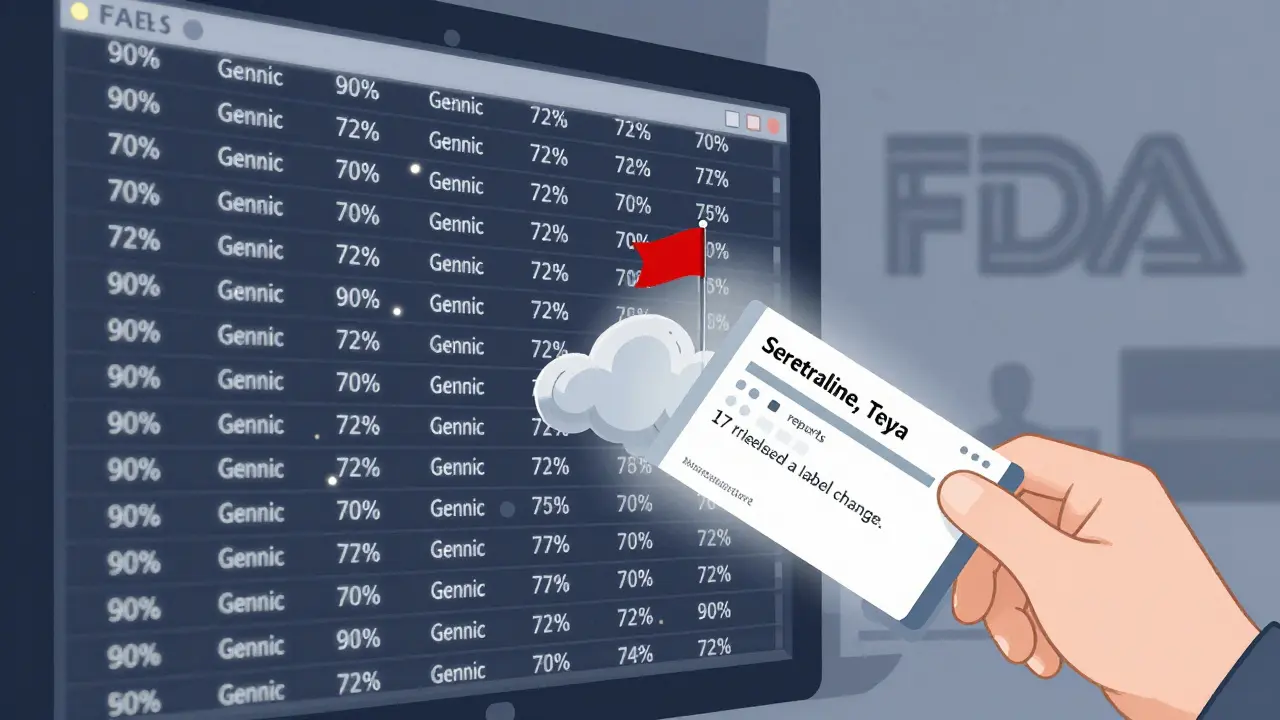
The FDA isn’t ignoring this. Since 2022, they’ve used a new algorithm to automatically detect generic drugs in reports. It’s 92% accurate. That’s a big jump. In January 2024, it went live in FAERS. Now, when someone reports “generic bupropion,” the system can cross-check the NDC, even if it wasn’t typed in.
They’re also rolling out new tools. By 2026, MedWatch will connect directly to electronic health records. That means when a doctor prescribes a generic, the system might automatically pull in the NDC and manufacturer - no manual entry needed.
But the biggest problem remains: reporting is voluntary. No one is required to report. And many patients don’t even know MedWatch exists. The FDA has translated forms into Spanish and trained pharmacists - but awareness is still low.
Right now, generics make up 90% of prescriptions in the U.S. But they account for less than 5% of all adverse event reports. That doesn’t mean they’re safe. It means we’re not seeing the full picture.
Why This Matters for You
If you take generics - and most of us do - your report matters. One report won’t change anything. But 100? 1,000? That’s how the FDA finds problems. That’s how a label gets updated. That’s how a dangerous batch gets pulled.
It’s not about blaming manufacturers. It’s about transparency. A generic drug must be 80-125% as effective as the brand. That’s a wide range. And in real life, small differences add up. For someone with epilepsy, thyroid disease, or depression, that difference can be life-changing.
Next time you pick up a new generic, look at the bottle. If it’s different, if you feel different - report it. You don’t need to be a doctor. You just need to notice. And care.
Can I report a problem with a generic drug if I don’t know the manufacturer?
Yes. Even if you don’t know the manufacturer, you should still report. Type the generic name (like “metformin”) and describe what happened. The FDA uses this data to spot patterns. Later, they can match it to manufacturer records using other data sources. Your report still helps - even without the name.
Do I need a prescription to report a generic drug issue?
No. Anyone can report - patients, family members, caregivers, or even pharmacists. You don’t need to be a healthcare provider. You just need to have taken the medication or witnessed the issue. The FDA encourages reports from all sources.
How long does it take for the FDA to respond to a MedWatch report?
Most reports don’t get individual replies. The FDA reviews thousands of reports each month. If your report helps identify a pattern - like multiple cases of a specific side effect tied to one manufacturer - they may investigate further. You might not hear back, but your report becomes part of a larger safety review.
Are generic drugs less safe than brand-name drugs?
No. All generics must meet the same FDA standards for safety, strength, and quality. But they can differ slightly in how they’re made - like the coating or filler used. For most people, that doesn’t matter. For a small number, it can cause side effects or reduce effectiveness. That’s why reporting matters - to find those rare cases.
What’s the difference between MedWatch and FAERS?
MedWatch is the system you use to report - it’s the form you fill out online or on paper. FAERS is the database where all those reports go. Think of MedWatch as the mailbox and FAERS as the warehouse where the letters are stored and analyzed. They’re two parts of the same safety network.
Can I report a problem with an over-the-counter generic?
Yes. MedWatch covers all drugs - prescription, over-the-counter, and even dietary supplements. If you had a reaction to a generic pain reliever, antacid, or allergy pill, you can and should report it. These reports help the FDA monitor safety across all medication types.
Every report adds to the picture. And for generics - the drugs most of us rely on - that picture is still incomplete. Your voice matters. Don’t wait for someone else to speak up.
9 Comments

Jacob Carthy
February 24, 2026 AT 01:49
I dont even know why we bother with generics anymore. My last prescription was switched to some cheap knockoff and i swear i felt like i was on a different drug entirely. No one in the system cares until its too late. This is why we need mandatory manufacturer tracking on every bottle. Period.

Joseph Cantu
February 25, 2026 AT 04:01
You think this is bad? Wait till you find out the FDA lets foreign factories make half the generics in this country. No inspections. No oversight. Just a signature on a form and a shipment of pills that might as well be candy. I know someone who had a seizure after switching to a "generic" that was actually laced with industrial dye. They didn't even test it. This isn't healthcare. It's a lottery.

Lisandra Lautert
February 27, 2026 AT 03:57
I reported my reaction to a generic levothyroxine last year. The form didn’t have a field for NDC. I called the pharmacy. They gave me the code. I typed it into the notes. Two months later, I got a letter saying my report was "received." No follow-up. No acknowledgment. Just silence. That’s the system. And we wonder why people stop reporting.

Joanna Reyes
February 28, 2026 AT 09:34
I’ve been a pharmacist for 14 years, and I can tell you this: the real issue isn’t the generics themselves-it’s the lack of standardized labeling. I’ve had patients come in confused because the pill color changed three times in six months. One time, a woman thought her blood pressure meds were fake because the imprint was different. She stopped taking them. That’s not paranoia. That’s poor communication. We need a universal pill identifier-like a QR code on the bottle that links to manufacturer, batch, and bioequivalence data. It’s 2024. We can do this. We just haven’t been pushed hard enough.

Cory L
February 28, 2026 AT 11:42
I used to think generics were all the same. Then my anxiety went from "manageable" to "I can’t leave the house." Switched back to the original brand-boom-calm again. I didn’t know the manufacturer until I Googled the NDC. Turns out, it was a batch from a company that got fined for contamination in 2021. I reported it. No one called. But I’m not done. I’m telling everyone I know. This isn’t about money. It’s about trust.

David McKie
March 1, 2026 AT 23:41
Let’s be real. The FDA is a corporate puppet. They approve generics based on lab tests done in the 1980s. The real world? People have allergies to cornstarch. They have gut issues from fillers. They get seizures from coating chemicals. But the system doesn’t care because it’s cheaper to ignore than to fix. And now they’re rolling out EHR integration? That’s just another way to automate silence. You report. They collect. No one listens. Wake up.

lela izzani
March 3, 2026 AT 16:10
I had a patient last week who switched from one generic to another and developed a rash. She didn’t know the manufacturer. I checked the bottle, found the NDC, looked it up, and wrote it down for her. We reported it together. She cried. Said she thought no one would care. We did. And that’s the point. It’s not about being a doctor or a pharmacist. It’s about being human. One report matters because someone else might read it and say, ‘That’s what happened to me too.’

Anil bhardwaj
March 5, 2026 AT 12:26
I take generic metformin. Been on it for 8 years. Never had a problem. But I always check the bottle. I write down the manufacturer. I keep a note in my phone. Because I know how easy it is to assume everything’s the same. Small habits save lives. Not all generics are dangerous. But some are. And if we don’t pay attention, we’re the ones who suffer.

Southern Indiana Paleontology Institute
March 5, 2026 AT 15:36
yall act like this is some new thing. i remember when my grandpa was on generic heart med and he started hallucinating. we reported it. nothing happened. now its 2024 and we still dont have a barcode scan system. why? because the big pharma lobby dont want you to know which company made the pill that made you sick. its not a glitch. its a feature.
Write a comment