


Chemotherapy does more than target cancer cells; it disrupts your entire system. For many patients, the biggest hurdle isn't just the treatment itself but the battle with their own appetite and body weight. You might find that foods you once loved now smell repulsive or taste like metal. This is not a personal failure-it is a documented physiological response to cytotoxic drugs. According to the National Cancer Institute, between 60% and 85% of patients experience significant nutritional complications during this phase. The goal of chemotherapy nutrition shifts dramatically from long-term health maintenance to immediate survival support. Your priority is no longer preventing future disease but ensuring you have enough energy to complete your current treatment course without dangerous delays.
The Shift in Nutritional Priorities
When you are undergoing active treatment, standard healthy eating advice often works against you. General guidelines recommend high-fiber whole grains and low-fat diets for heart health, but these can be disastrous for someone experiencing chemotherapy-induced diarrhea or severe nausea. The European Society for Clinical Nutrition and Metabolism (ESPEN) updated their practical guidelines in 2023 to address this exact conflict. They explicitly advise against restricting energy intake for malnourished patients. In fact, caloric restriction during active treatment has been shown to increase toxicity by 37% and delay recovery by up to three weeks based on pooled clinical trial data.
Your body’s metabolic needs spike during this time. While a healthy adult needs approximately 0.8 grams of protein per kilogram of body weight daily, chemotherapy patients require significantly more. ESPEN guidelines specify a minimum of 1.0 g/kg/day, with a target range of 1.2 to 2.0 g/kg/day. This nearly doubles your protein requirement. Similarly, your caloric needs jump by 20-30%, requiring about 25-30 kcal/kg/day compared to the standard 20-25 kcal/kg/day. Think of your body as a construction site under heavy renovation; it needs raw materials-protein and calories-to repair tissue damaged by the treatment. Without these supplies, muscle wasting occurs, immune function drops, and fatigue becomes unmanageable.
Taming Nausea: Practical Strategies
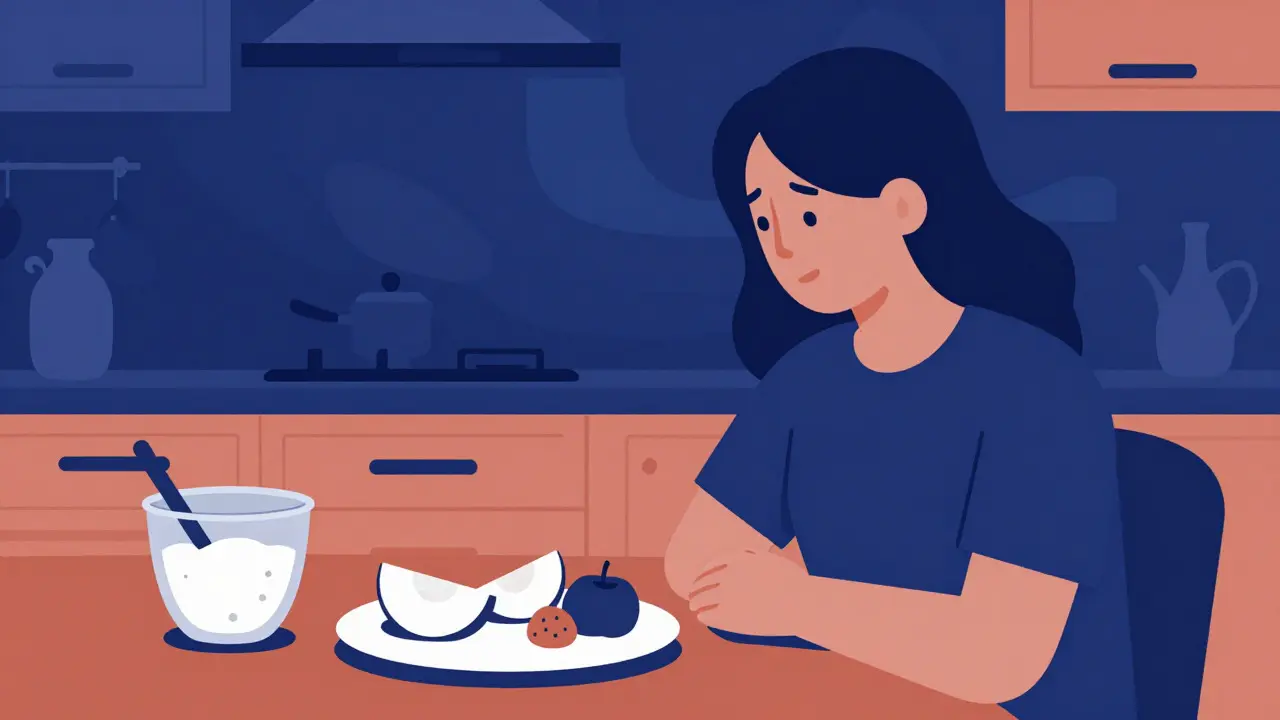
Nausea is perhaps the most common barrier to adequate nutrition. It affects how you perceive food, making even the thought of eating exhausting. The Academy of Nutrition and Dietetics recommends specific behavioral changes rather than just dietary swaps. First, stop drinking liquids with your meals. Fluids fill your stomach quickly, creating distension that triggers nausea. Instead, sip water, herbal tea, or electrolyte solutions between meals, waiting at least 30 minutes before or after eating.
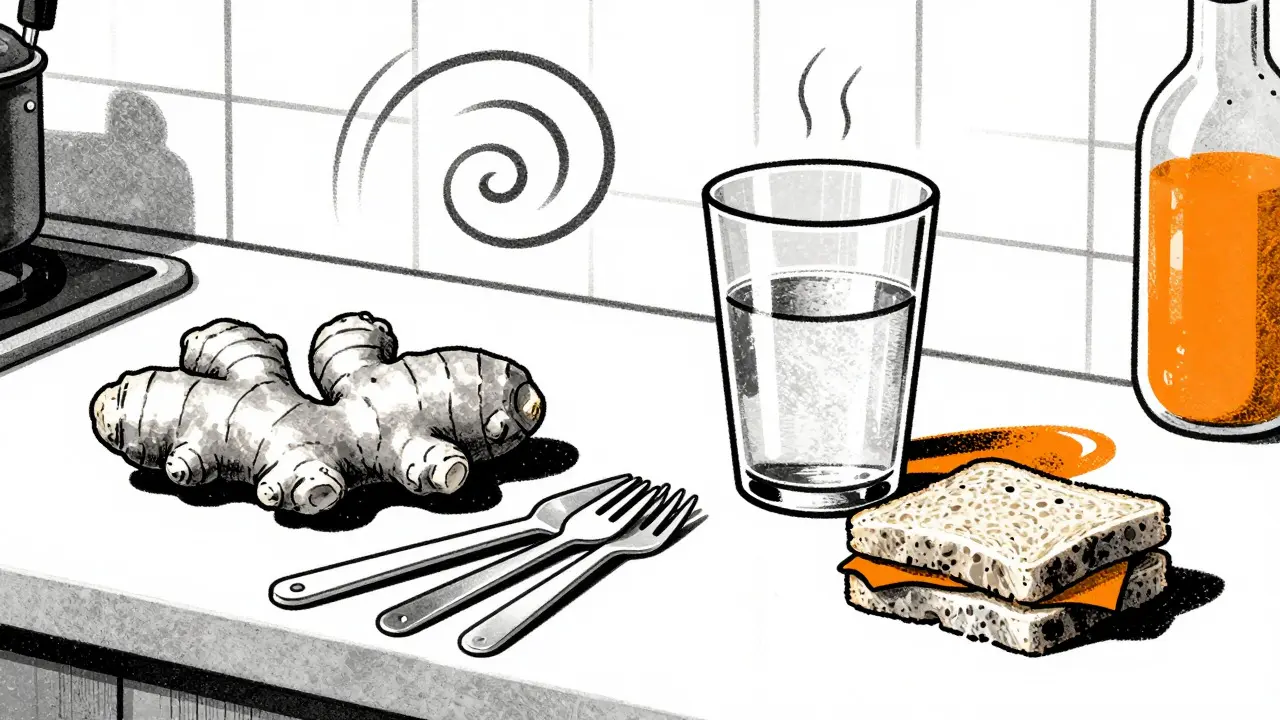
Odor sensitivity is another major trigger, affecting 68% of patients according to recent studies. Strong smells from cooking or even fresh coffee can induce vomiting. To combat this, switch to cold or room-temperature foods. Chilled watermelon, yogurt, smoothies, and sandwiches have less aroma than hot dishes. If you must cook, ensure the kitchen is well-ventilated, or ask a family member to prepare meals while you stay in a separate room. Ginger has also proven effective; ginger chews or mild ginger tea helped control nausea for hundreds of patients in community surveys. Keep these remedies accessible at all times.
Texture plays a surprising role too. Many patients report that metallic tastes make red meats unbearable. Try using plastic utensils instead of metal ones, which can reduce the metallic sensation. Marinating meats in sweet or acidic sauces like teriyaki or lemon juice can also mask unpleasant flavors. If solid foods seem impossible, don’t force them. Liquid nutrition is still nutrition. High-calorie shakes made with full-fat Greek yogurt, peanut butter, and honey provide dense energy without the volume of solid food.
Managing Weight Loss and Muscle Preservation
Unintentional weight loss is a critical risk during chemotherapy. Losing more than 5% of your body weight in a month can signal serious malnutrition. The key strategy here is frequency over volume. Three large meals are often overwhelming. Instead, aim for five to six small meals spaced throughout the day. Each meal should contain roughly 300-400 calories and 20-30 grams of protein. This approach keeps your blood sugar stable and reduces the burden on your digestive system.
| Nutrient/Metric | Healthy Adult Recommendation | Chemotherapy Patient Target |
|---|---|---|
| Daily Protein Intake | 0.8 g/kg/day | 1.2 - 2.0 g/kg/day |
| Daily Caloric Intake | 20 - 25 kcal/kg/day | 25 - 30 kcal/kg/day |
| Fiber Intake | High fiber (whole grains) | Reduced fiber (10-15g/day) if diarrhea/nausea present |
| Meal Frequency | 3 main meals | 5-6 small meals/snacks |
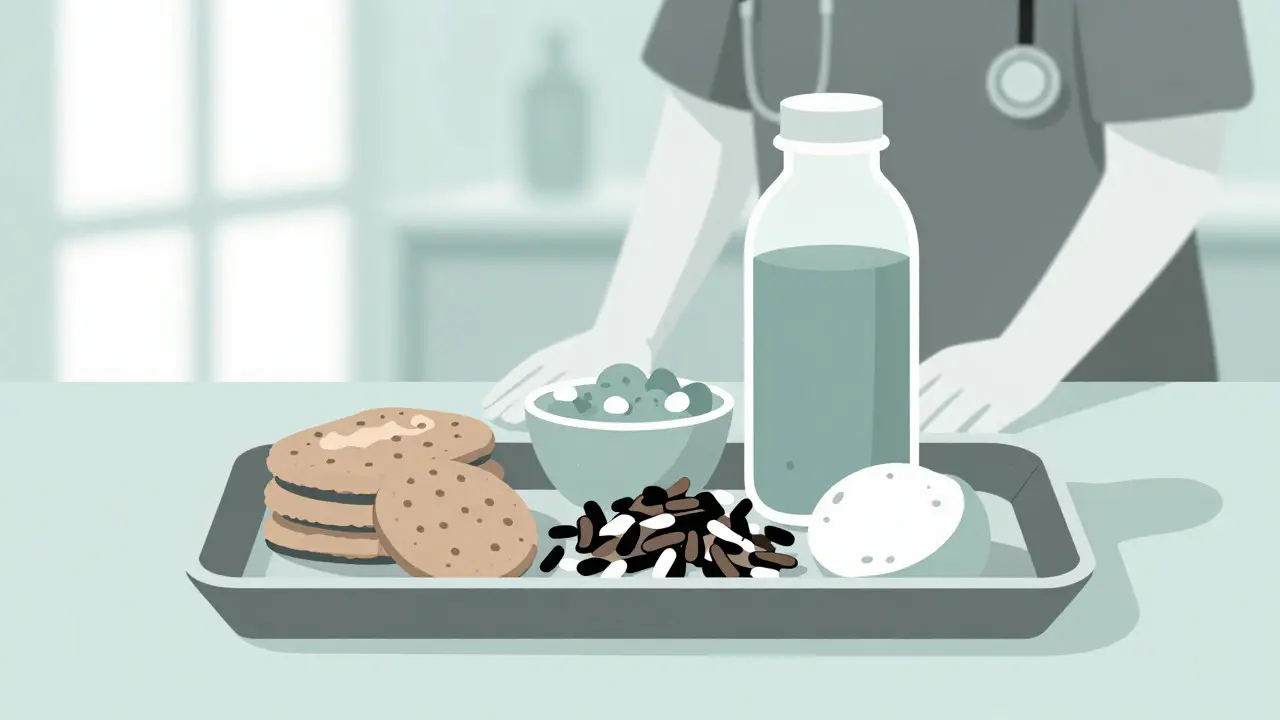
To hit these protein targets, incorporate easy-to-digest sources. Eggs, if cooked thoroughly until the yolk reaches 160°F (71°C), are excellent. Soft cheeses, tofu, and lentil soups (if tolerated) offer good options. For those struggling to eat enough, omega-3 fatty acid supplementation shows promise. ESPEN guidelines cite reviews indicating that long-chain N-3 fatty acids improved appetite in 62% of weight-losing cancer patients and increased average body weight by 2.3kg. Discuss adding an EPA/DHA supplement (1-2g/day) with your oncologist.
Don't underestimate the power of calorie-dense snacks. Peanut butter crackers (220 calories per serving) or trail mix with nuts and dried fruit (280 calories per quarter cup) allow you to consume significant energy in small bites. Keep these visible around your home. When you’re tired, decision fatigue sets in. Having pre-portioned, ready-to-eat options within arm's reach removes the barrier to eating.
Food Safety: Protecting a Compromised Immune System
Chemotherapy suppresses your white blood cell count, leaving you vulnerable to infections that healthy people fight off easily. Food safety is not optional; it is a medical necessity. Blood Cancer United guidelines mandate strict avoidance of raw or rare meat and fish due to the risk of Salmonella and Listeria. These bacteria can cause severe illness in immunocompromised patients, potentially leading to hospitalization and treatment interruptions.
Avoid deli meats unless they are reheated until steaming hot. Skip unpasteurized cheeses, juices, and milk. Raw eggs are a particular hazard; avoid homemade mayonnaise, Caesar dressing, or any dish containing runny yolks. Wash all fruits and vegetables thoroughly under running water. If you are unable to peel produce yourself, consider buying pre-washed, peeled options or sticking to canned fruits and vegetables, which are safe and often easier to digest.
Overcoming Financial and Access Barriers
Specialty nutritional supplements like Ensure Plus or Juven can be expensive, costing $35-$45 for a 12-pack. Not every patient can afford these daily. However, whole-food alternatives exist. Homemade protein shakes using affordable ingredients like oats, bananas, and powdered milk can mimic the nutritional profile of commercial brands. Community resources are also expanding. The American Cancer Society’s 'Road to Recovery' program connects thousands of patients with local nutrition support services annually. Additionally, many cancer centers now employ registered dietitians specializing in oncology nutrition. If your practice lacks one, ask for a referral. Studies show that patients supported by specialized dietitians master new eating patterns twice as fast and experience fewer treatment delays.
When to Seek Additional Help
If you cannot keep fluids down for more than 24 hours, lose more than 5 pounds in a week, or experience severe mouth sores (mucositis) that prevent swallowing, contact your care team immediately. In cases where oral intake is insufficient, enteral (tube feeding) or parenteral (IV nutrition) support may be necessary. This affects approximately 15-20% of patients on aggressive regimens. It is a temporary bridge to maintain strength until side effects subside. Do not view this as a failure; it is a tool to help you finish your treatment strong.
Should I follow a keto or paleo diet during chemotherapy?
Generally, no. Restrictive diets like keto or paleo can limit essential nutrients and calories when your body needs them most. ESPEN guidelines strongly recommend against energy-restricted diets for malnourished chemotherapy patients. Focus on balanced, high-calorie, high-protein meals rather than trendy restrictions. Always consult your oncology dietitian before starting any specific diet plan.
How much protein do I really need?
You need significantly more than usual. Aim for 1.2 to 2.0 grams of protein per kilogram of body weight daily. For a 70kg person, this means 84 to 140 grams of protein per day. Spread this out across 5-6 small meals to aid digestion and absorption.
What if nothing tastes good?
Taste changes are common. Try cold foods, which have less odor. Use plastic utensils to avoid metallic tastes. Marinate meats in sweet or acidic sauces. If solids are unappealing, focus on liquid calories like smoothies, milkshakes, or broth-based soups with blended vegetables.
Is it safe to eat raw fruits and vegetables?
Only if washed extremely thoroughly. Due to immunosuppression, the risk of infection from bacteria on produce is higher. Peeling fruits like bananas and oranges removes the outer layer where bacteria reside. Canned fruits and vegetables are safer alternatives as they undergo heat processing that kills pathogens.
Can supplements replace real food?
Supplements should complement, not replace, food. Whole foods provide complex nutrients and fiber that pills cannot. However, if you cannot eat enough, high-calorie protein shakes or medical foods prescribed by your doctor are vital to prevent weight loss and muscle wasting.