



HRT Medication Interaction Checker
Select Your Current Medications & Supplements
Check all that apply to see potential interactions.
Prescription Drugs
Supplements & Other
Interaction Analysis
0 Interactions FoundSelect medications above to analyze potential interactions with your HRT regimen.
Starting Hormone Replacement Therapy is a medical treatment using estrogen and/or progesterone to manage menopausal symptoms can feel like a lifeline. It helps with hot flashes, sleep issues, and mood swings. But if you take other medications, that relief might come with hidden risks. Some drugs change how your body processes hormones, while others lose their effectiveness when mixed with HRT. Understanding these interactions isn't just about avoiding side effects; it’s about keeping your existing treatments working as intended.
How HRT Changes Drug Metabolism
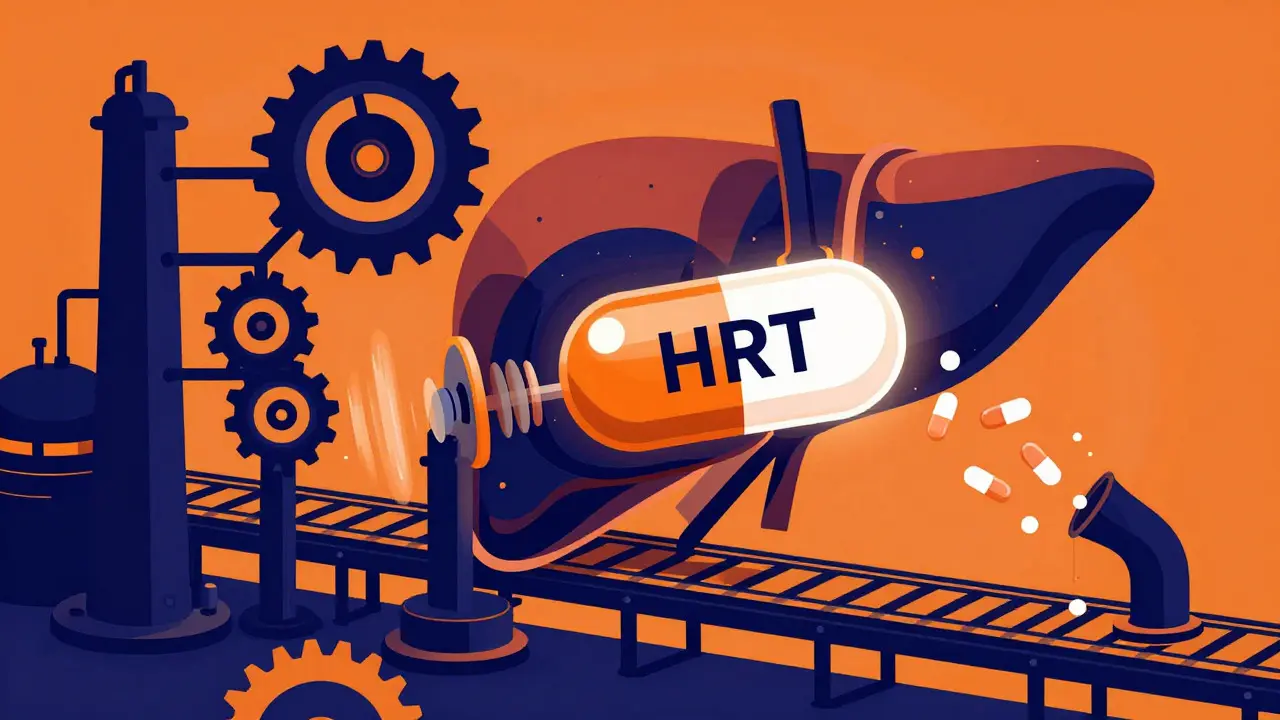
The liver is the main factory where your body breaks down medications. When you introduce external hormones like estradiol is the primary female sex hormone used in HRT, you alter the machinery inside that factory. Estrogen increases the production of specific enzymes, particularly one called UGT1A4. This enzyme speeds up the breakdown of certain drugs, flushing them out of your system faster than expected. The result? You might be taking your usual dose, but your blood levels drop significantly, making the medication less effective.
This mechanism is not theoretical. In September 2022, the Netherlands Pharmacovigilance Centre Lareb published a critical report highlighting this exact issue. They documented cases where women on HRT experienced reduced efficacy of other essential medicines because their bodies were metabolizing those drugs too quickly. This biological reality means that "taking" a medication doesn't always mean your body is "using" it effectively when HRT is in the mix.
Critical Interaction: HRT and Anticonvulsants
One of the most significant and recently highlighted interactions involves lamotrigine is an anticonvulsant and mood-stabilizing drug. Lamotrigine is commonly prescribed for epilepsy and bipolar disorder. Because it has a narrow therapeutic index-meaning the difference between a helpful dose and an ineffective or toxic dose is small-any change in its blood level matters immensely.
| Scenario | Lamotrigine Blood Level | Clinical Outcome |
|---|---|---|
| Without HRT | Stable/Therapeutic | Symptoms controlled (seizures/mood) |
| With Oral HRT (e.g., Femoston) | Significantly Lower | Return of depressive episodes or seizures |
| After Stopping HRT | Returns to Normal | Symptom control restored |
A real-world case reported by Lareb involved a woman who had been stable on lamotrigine for years. After starting Femoston (a combination of estradiol and dydrogesterone), her depressive symptoms worsened after five months. Blood tests confirmed her lamotrigine levels had plummeted. Once she stopped the HRT, her levels normalized, and her mental health stabilized. This interaction prompted European regulators to update product labels for all HRT products to warn patients and doctors about this risk. If you are on lamotrigine, do not start HRT without discussing potential dose adjustments with your specialist.
Herbal Supplements: The Silent Disruptors
Many people assume that because something is natural, it is safe to mix with prescription drugs. This is a dangerous myth, especially with St. John's Wort is a popular herbal supplement for mild depression. St. John's Wort is a potent inducer of liver enzymes, specifically CYP3A4. When you take it alongside oral HRT tablets or capsules, it accelerates the breakdown of estrogen and progestin. According to NHS guidance, this can make your HRT "less effective," leading to a return of hot flashes and night sweats despite being compliant with your dosage.
Other supplements also pose risks. Resveratrol, often taken for heart health, has a chemical structure similar to synthetic estrogens. While evidence is still emerging, experts warn of possible harmful interactions due to this similarity. Similarly, rosemary extract may enhance the liver's rate of deactivating estrogen. Before popping any vitamin or herbal remedy, check with your pharmacist. The line between a helpful supplement and a metabolic disruptor is thinner than you think.

HRT and Corticosteroids: A Diagnostic Puzzle
If you have adrenal insufficiency or another condition requiring hydrocortisone is a corticosteroid medication used to replace cortisol, HRT creates a unique diagnostic challenge. Estrogen stimulates the liver to produce more corticosteroid-binding globulin (CBG). CBG acts like a sponge, soaking up free cortisol in your blood. This causes total cortisol levels to appear almost double what they actually are.
The Pituitary Foundation notes that this makes standard blood tests unreliable for monitoring hydrocortisone replacement. Your doctor cannot simply look at the total cortisol number to decide if your dose is correct. They must rely on clinical symptoms or alternative testing methods. Furthermore, combining high doses of hydrocortisone with testosterone (sometimes used in HRT protocols) can lead to water retention, causing swollen hands, feet, or ankles. Monitoring for these physical signs becomes crucial when these therapies overlap.
Why Delivery Method Matters: Patches vs. Pills
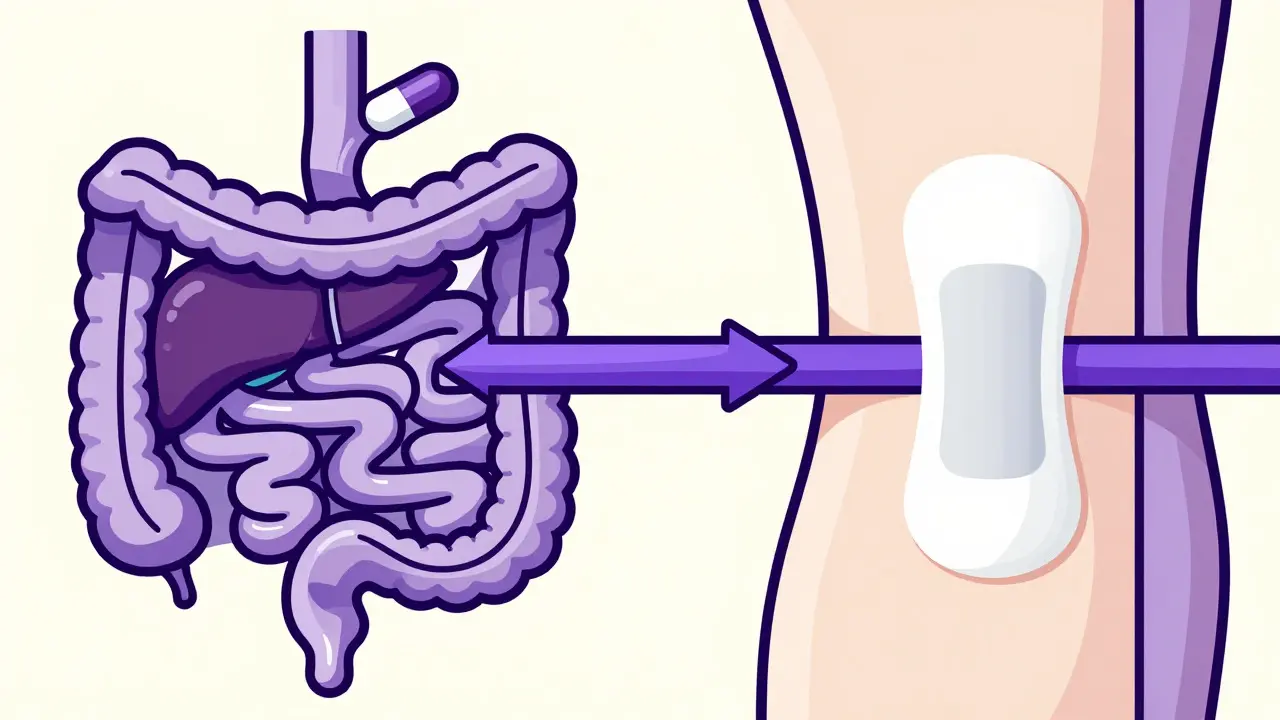
Not all HRT interacts with other drugs equally. The method of delivery plays a massive role in safety. Oral HRT passes through the digestive system and goes directly to the liver first (first-pass metabolism). This exposes the liver to high concentrations of hormones, triggering the enzyme changes discussed earlier. Transdermal HRT patches are skin-applied hormone delivery systems that bypass the liver initially, however, release hormones slowly into the bloodstream, bypassing the liver's initial processing stage.
The NHS explicitly states that skin patches are "less likely to be affected by other medicines." For women taking multiple medications, especially those involving strong enzyme inducers like St. John's Wort or certain antibiotics, switching from pills to patches can maintain stable hormone levels. It reduces the burden on the liver and minimizes the risk of fluctuating drug interactions. If you are on a complex medication regimen, ask your doctor if a transdermal option is right for you.
Antibiotics and Other Common Medications
Beyond specialized drugs, common prescriptions can interfere with HRT. Certain antibiotics, such as rifampicin (used for tuberculosis) and some HIV medications, are powerful enzyme inducers. They work similarly to St. John's Wort, speeding up the clearance of hormones from your body. If you need a short course of these antibiotics, your HRT might become temporarily ineffective. Your doctor may advise using a backup contraceptive method if you are still ovulating or adjusting your HRT dosage during the antibiotic course.
Conversely, HRT can affect other drugs. By altering blood protein levels, estrogen can increase the total concentration of certain medications in the blood, potentially increasing their side effects. This is why a comprehensive medication review is non-negotiable before starting therapy.
Practical Steps for Safe Management
Managing HRT interactions requires proactive communication. Here is how to stay safe:
- Create a Master List: Write down every medication, vitamin, and herbal supplement you take. Include dosages and frequency. Update this list every time you start or stop anything.
- Consult Before Combining: Never add a new over-the-counter remedy without checking with your pharmacist. Ask specifically: "Does this interact with my HRT or my current prescriptions?"
- Monitor Symptoms: If you notice your epilepsy acting up, your mood stabilizing, or your HRT symptoms returning, don't ignore it. These could be signs of an interaction rather than a disease progression.
- Consider Transdermal Options: If you are on multiple drugs, discuss patches or gels with your doctor to minimize liver-related interactions.
- Pre-Surgery Protocol: MedlinePlus advises stopping estrogen and progestin at least 4 to 6 weeks before major surgery or prolonged bedrest, especially if you have risk factors like smoking or history of blood clots. Always inform your surgeon about your HRT use.
Conclusion
Hormone Replacement Therapy is a powerful tool for improving quality of life during menopause, but it does not exist in a vacuum. Its interaction with other medications, particularly those processed by the liver, can compromise both the HRT and the companion drugs. By understanding the mechanisms-like enzyme induction by estradiol-and choosing the right delivery method, you can mitigate these risks. Open dialogue with your healthcare provider is the best defense against unexpected interactions.
Can I take St. John's Wort with Hormone Replacement Therapy?
Generally, no. St. John's Wort speeds up the liver's breakdown of hormones, which can make oral HRT tablets and capsules much less effective. This may cause your menopausal symptoms to return. If you must take it, consult your doctor about switching to transdermal patches, which are less affected by this interaction.
Does HRT affect blood thinners or anticoagulants?
Yes, there is a potential risk. HRT can increase the risk of blood clots. When combined with anticoagulants, the interaction can be complex. Women taking medications with a narrow therapeutic index, like warfarin, require careful monitoring. Always inform your doctor if you are on blood thinners before starting HRT.
Why are HRT patches safer regarding drug interactions?
Patches deliver hormones directly into the bloodstream through the skin, bypassing the liver's "first-pass" metabolism. Since many drug interactions occur because hormones stimulate liver enzymes that break down other drugs, avoiding the liver's initial processing reduces the likelihood and severity of these interactions.
What happens if I take lamotrigine and HRT together?
Estrogen in HRT increases the enzyme UGT1A4, which breaks down lamotrigine faster. This can lower lamotrigine blood levels significantly, potentially leading to a loss of seizure control or worsening of depressive symptoms. Dose adjustments or close monitoring are usually required.
Do antibiotics interfere with HRT?
Some antibiotics, particularly rifampicin and rifabutin, can reduce the effectiveness of HRT by increasing hormone metabolism. Most common antibiotics do not have this effect, but you should always check with your pharmacist or doctor before starting any new antibiotic course while on HRT.