




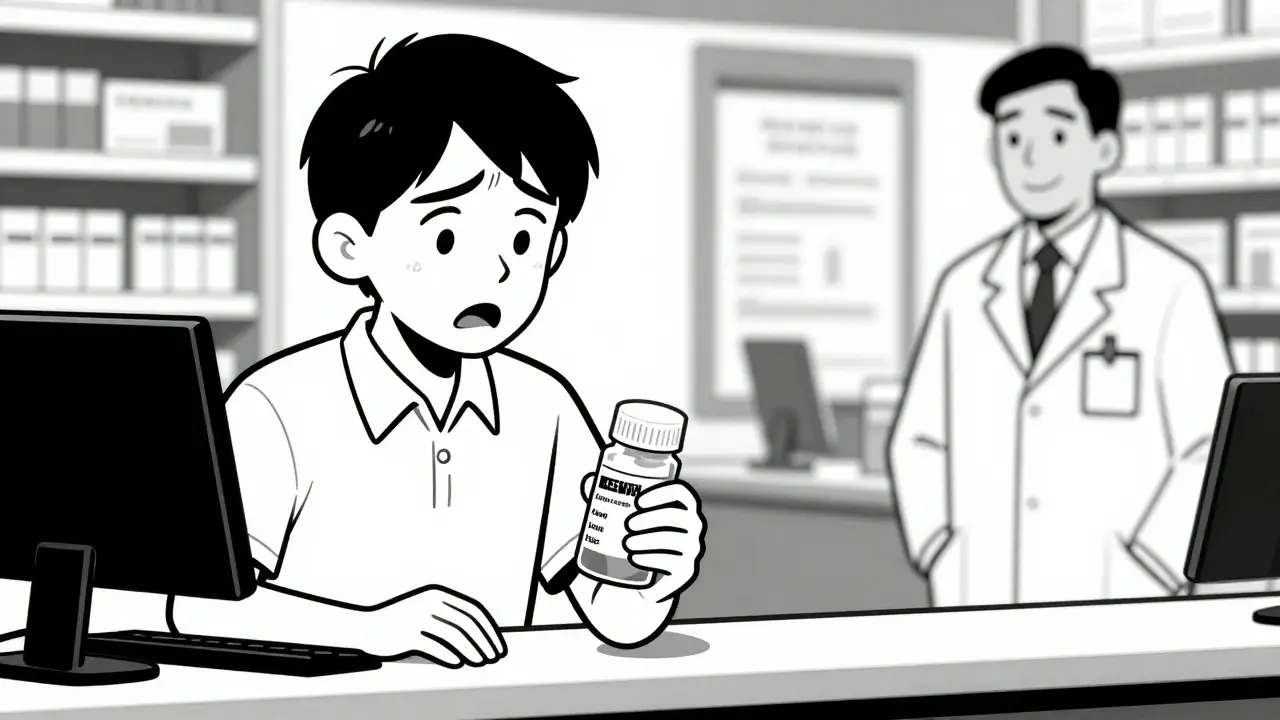
You walk into your local pharmacy to pick up a prescription for high blood pressure medication. The doctor wrote for the brand name, but the pharmacist hands you a box with a different label and a much lower price tag. You didn’t sign a form agreeing to this switch. In fact, no one asked you at all. This isn’t a mistake; it’s the law. In most of the United States, pharmacists operate under a framework called presumed consent, which allows them to assume you agree to receive a generic version of your prescribed drug instead of the brand-name original.
This system is the backbone of modern American healthcare savings, yet it operates largely behind the scenes. For patients, it means lower costs. For pharmacists, it’s a complex legal tightrope involving state-specific rules, liability protections, and strict notification requirements. Understanding how presumed consent works helps you navigate your prescriptions, protect your health, and know when you actually have the right to say no.
How Presumed Consent Works in Practice
To understand why your pharmacist swapped your pill without asking, we need to look at the history. It all started with the Drug Price Competition and Patent Term Restoration Act of 1984, commonly known as the Hatch-Waxman Act. This federal law created a streamlined pathway for generic drugs to enter the market through the FDA's Abbreviated New Drug Application (ANDA) process. Before this, getting a generic approved was nearly impossible. Afterward, manufacturers could prove their drug was bioequivalent to the brand name without repeating massive clinical trials.
Today, 43 out of 50 states plus Washington, D.C., operate under presumed consent frameworks for small-molecule drugs. This means the law assumes you are okay with the substitution unless you explicitly opt out beforehand or object at the counter. However, this assumption comes with conditions. In 31 of these states, pharmacists must notify you after the substitution occurs. This notification might be a sticker on the bottle, a note in your patient profile, or a verbal explanation.
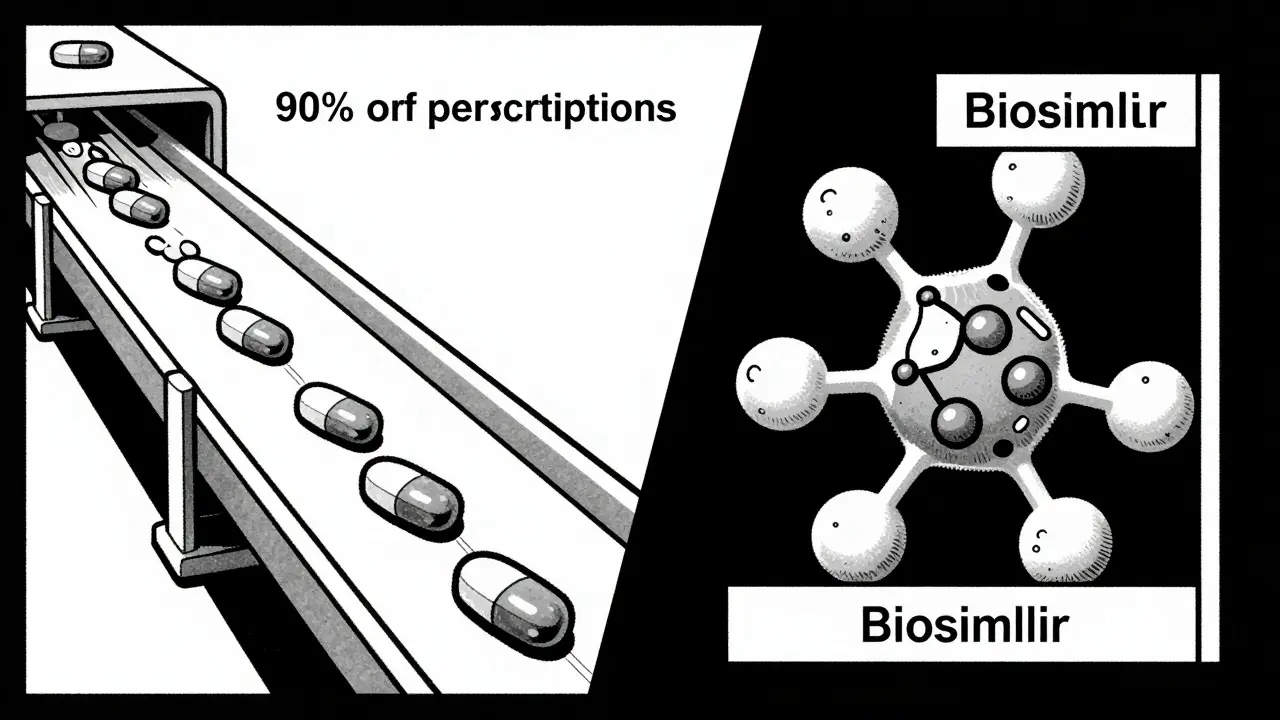
The goal is simple: efficiency and cost reduction. Generic drugs account for 90% of all prescriptions dispensed in the U.S. but only about 15% of total drug spending. According to the Congressional Budget Office, these substitutions save the healthcare system approximately $1.68 trillion over a decade. But while the math makes sense for insurers and governments, it raises questions for individual patients about autonomy and safety.
Presumed vs. Explicit Consent: What’s the Difference?
Not every state plays by the same rules. While 43 states use presumed consent, seven states-Alaska, Delaware, Hawaii, Maine, Maryland, New Mexico, and West Virginia-plus D.C. require explicit patient consent before a pharmacist can substitute a generic. In these jurisdictions, the pharmacist must ask you directly, and you must agree before they fill the script with a generic alternative.
| Feature | Presumed Consent States (43) | Explicit Consent States (7 + DC) |
|---|---|---|
| Patient Action Required | None (unless opting out) | Must agree before dispensing |
| Generic Dispensing Rate | Average 92.3% | Average 87.1% |
| Processing Time | Faster (~1.7 mins saved per rx) | Slower due to consultation |
| Patient Autonomy | Lower (post-hoc notification) | Higher (pre-approval required) |
| Liability Protections | Varies by state (26 states shield pharmacists) | Varies by state |
Data from IMS Health shows that presumed consent states achieve higher generic dispensing rates, averaging 92.3% compared to 87.1% in explicit consent states. An American Society of Health-System Pharmacists (ASHP) study found that this efficiency saves pharmacies about 1.7 minutes per prescription, translating to billions in labor cost savings annually. However, critics argue that this speed comes at the cost of patient trust. Some patients feel blindsided when they receive a different drug than what their doctor prescribed, leading to confusion or distrust in the healthcare system.
When Substitution Is Risky: Narrow Therapeutic Index Drugs
While generics are generally safe, they are not always interchangeable for every condition. The biggest concern revolves around narrow therapeutic index (NTI) drugs. These are medications where a tiny change in blood concentration can lead to treatment failure or serious side effects. Examples include certain antiepileptics (seizure meds), thyroid hormones, and some blood thinners.
The FDA uses the Orange Book to rate therapeutic equivalence. Drugs rated 'A' are considered therapeutically equivalent to their brand-name counterparts. However, even with an 'A' rating, slight variations in inactive ingredients can affect how the body absorbs NTI drugs. The American Epilepsy Society documented 178 cases of breakthrough seizures between 2018 and 2022 linked to generic substitution of antiepileptic drugs. As a result, 15 states, including Hawaii and Tennessee, have implemented special restrictions. In these places, pharmacists cannot automatically substitute generics for these specific drug classes without explicit doctor approval or patient consent.
If you take medication for seizures, heart rhythm issues, or thyroid disorders, do not assume presumed consent applies safely to you. Always talk to your doctor and pharmacist about staying on the same manufacturer’s product if you are stable on a specific brand or generic.
Biosimilars: A Different Ballgame
The rules get even more complicated when we move from small-molecule drugs to biologics. Biologics are large, complex molecules made from living organisms, unlike traditional chemical drugs. Their generic versions are called biosimilars. Because of their complexity, proving equivalence is harder, and the regulations are stricter.
As of 2023, only six states-Arizona, Indiana, Iowa, Massachusetts, New Jersey, and Pennsylvania-permit automatic substitution of interchangeable biosimilars without additional requirements. Most other states impose stringent hurdles. Four states (North Carolina, Oklahoma, Pennsylvania, and Texas) prohibit automatic substitution entirely. The FDA’s Purple Book serves as the reference for these products, listing those with reference product exclusivity and interchangeability evaluations.
Pharmacists must consult both the Orange Book for small molecules and the Purple Book for biologics. This dual-system creates a significant learning curve. The National Association of Boards of Pharmacy reports that new pharmacists spend an average of 17.3 hours in their first year just learning state-specific substitution regulations. With biosimilars expected to capture 25% of the biologics market by 2028, mastering these distinctions will become even more critical.
Pharmacist Liability and Patient Rights
Who is responsible if something goes wrong? In 26 states, laws explicitly shield pharmacists from greater liability for substitutions than would apply to brand-name dispensing. This protection encourages pharmacists to follow substitution laws without fear of being sued simply for swapping a generic. However, 24 states provide no such explicit protection, leaving pharmacists to rely on general malpractice insurance.
For patients, your rights vary. In presumed consent states, you usually have the right to:
- Request the brand-name drug (though your insurance may not cover the full cost).
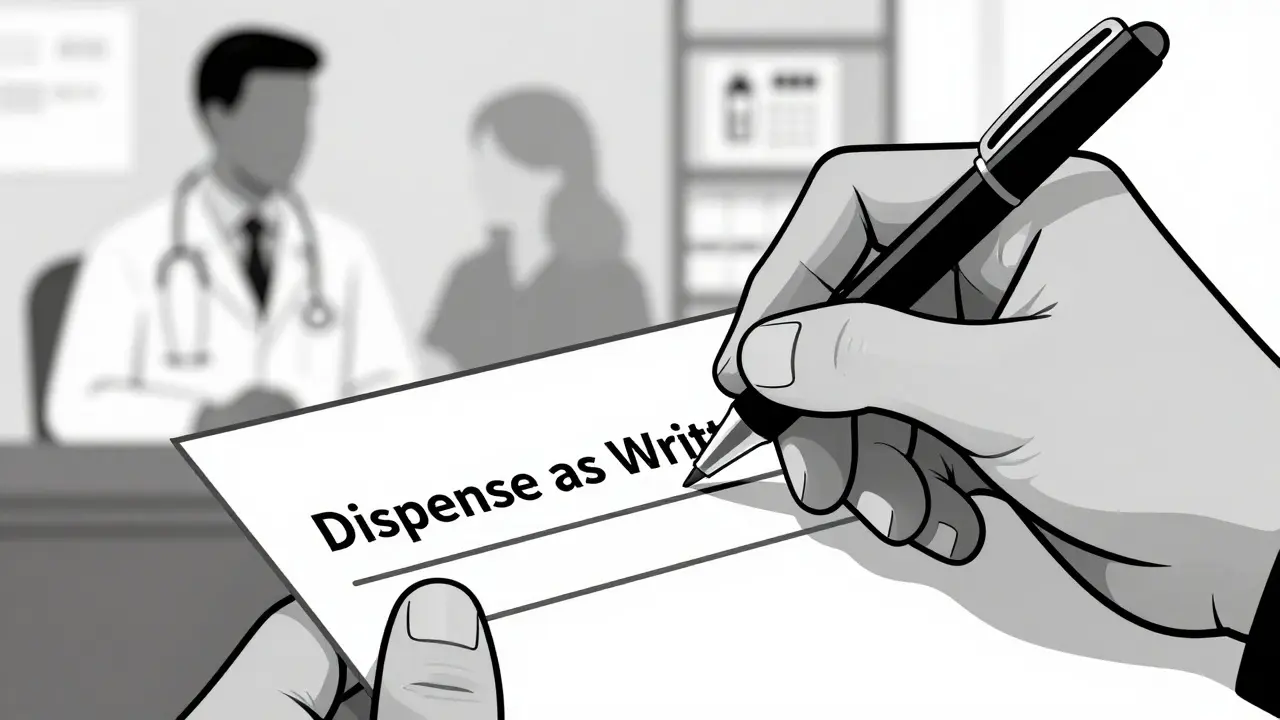
- Ask your doctor to write "Dispense as Written" (DAW) on the prescription, which legally blocks substitution.
- Receive notification of the substitution after it happens, depending on state law.
However, many patients don’t know these options exist. A survey by the National Community Pharmacists Association found that 78% of independent pharmacists in presumed consent states felt confident implementing these laws, but 41% noted challenges with explaining exceptions to confused patients. If you have had a bad reaction to a generic in the past, keep records. You can use this history to justify a DAW code on future prescriptions.
Navigating the Future of Substitution Laws
The landscape is shifting. There is a push for standardization. The Uniform Law Commission proposed a Model State Substitution Act in 2023, aiming to reduce the complexity of navigating 51 different regulatory frameworks. Meanwhile, the Generic Pharmaceutical Association advocates for federal updates through the Generic Drug User Fee Amendments.
New York recently updated its regulations to require electronic documentation of all substitutions, and California expanded notification requirements for biosimilars. These trends suggest a future where transparency increases, even if presumed consent remains the norm. The National Academy for State Health Policy recommends a tiered consent model: maintaining presumed consent for most drugs while requiring explicit consent for high-risk categories like NTI drugs.
For now, the best strategy is proactive communication. Don’t wait until you’re at the counter. Ask your doctor if your medication is sensitive to manufacturer changes. Ask your pharmacist which state laws apply to your prescription. Knowledge is your best tool for ensuring that cost-saving measures don’t compromise your health.
Can I refuse a generic substitution?
Yes. Even in presumed consent states, you can request the brand-name drug. However, your insurance plan may charge you a higher copay for the brand. To ensure you get the brand, ask your doctor to mark the prescription as "Dispense as Written" (DAW) or "Brand Medically Necessary."
Are generic drugs exactly the same as brand names?
They contain the same active ingredient and must meet FDA standards for strength, dosage form, and route of administration. However, they may differ in inactive ingredients (like dyes or fillers). For most people, this doesn't matter. For those taking narrow therapeutic index drugs, these differences can sometimes cause clinical issues.
Which states require explicit consent for generic substitution?
Seven states plus Washington, D.C., require explicit patient consent before substituting a generic: Alaska, Delaware, Hawaii, Maine, Maryland, New Mexico, and West Virginia. In all other states, presumed consent applies, meaning the pharmacist can substitute unless you opt out.
What should I do if I feel worse after switching to a generic?
Contact your doctor immediately. Do not stop taking your medication abruptly. Your doctor may decide to switch you back to the brand name or try a generic from a different manufacturer. Keep a record of the brand and manufacturer of the drug that worked well for you.
Do the same substitution laws apply to biosimilars?
No, biosimilar laws are stricter. While 43 states allow automatic substitution for small-molecule generics, only a handful of states permit automatic substitution for interchangeable biosimilars. Many states require explicit consent or physician authorization for biosimilars due to their complex nature.