



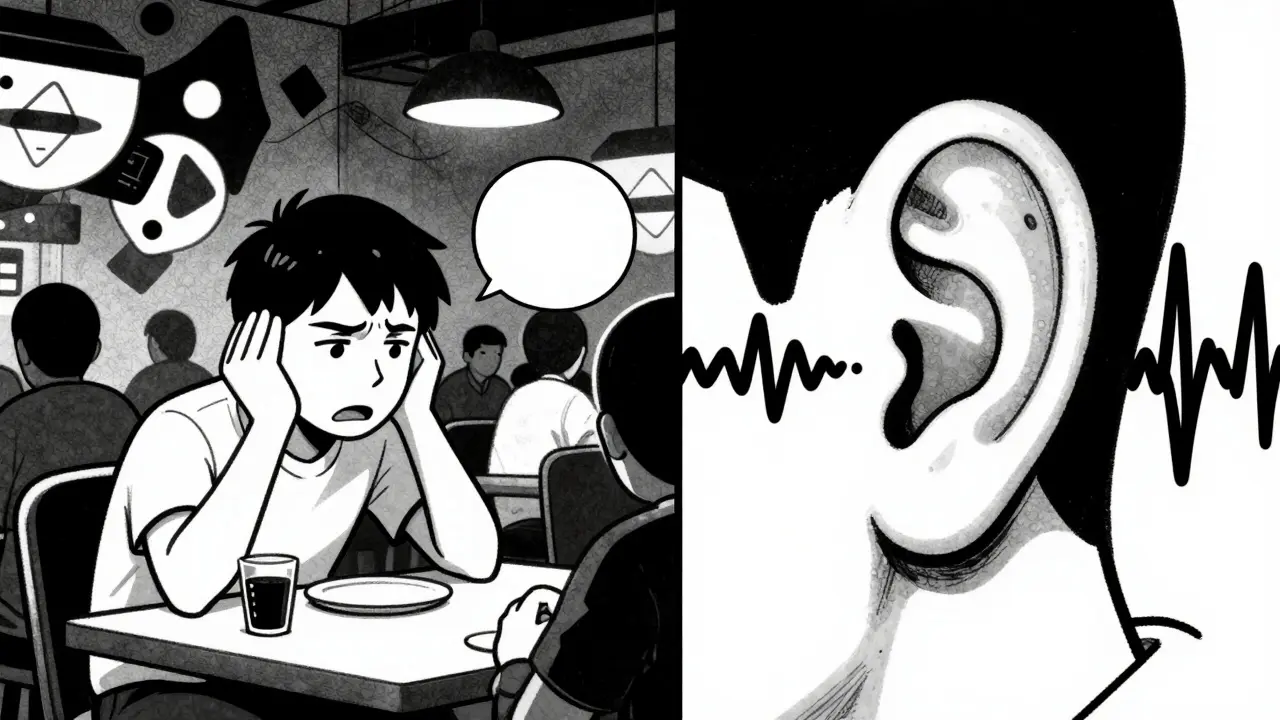
You walk into a crowded restaurant. The clatter of plates is loud, but the voices of your friends seem muffled, like they are speaking from underwater. You lean in, squinting, trying to catch every word. This isn't just 'old age.' It is likely sensorineural hearing loss, a condition defined by permanent damage to the inner ear structures or auditory nerve pathway that prevents sound signals from reaching the brain effectively. Unlike a clogged ear canal that can be cleaned out, this type of hearing loss involves biological changes deep inside your head. It is frustrating, it is often misunderstood, and for many, it feels like losing a vital connection to the world.
The good news? While we cannot yet regrow the delicate cells responsible for hearing, modern technology has made managing this condition easier than ever. You don't have to accept silence as your new normal. Let's break down exactly what is happening in your ears, why it happens, and how you can take control of your hearing health today.
What Is Sensorineural Hearing Loss?
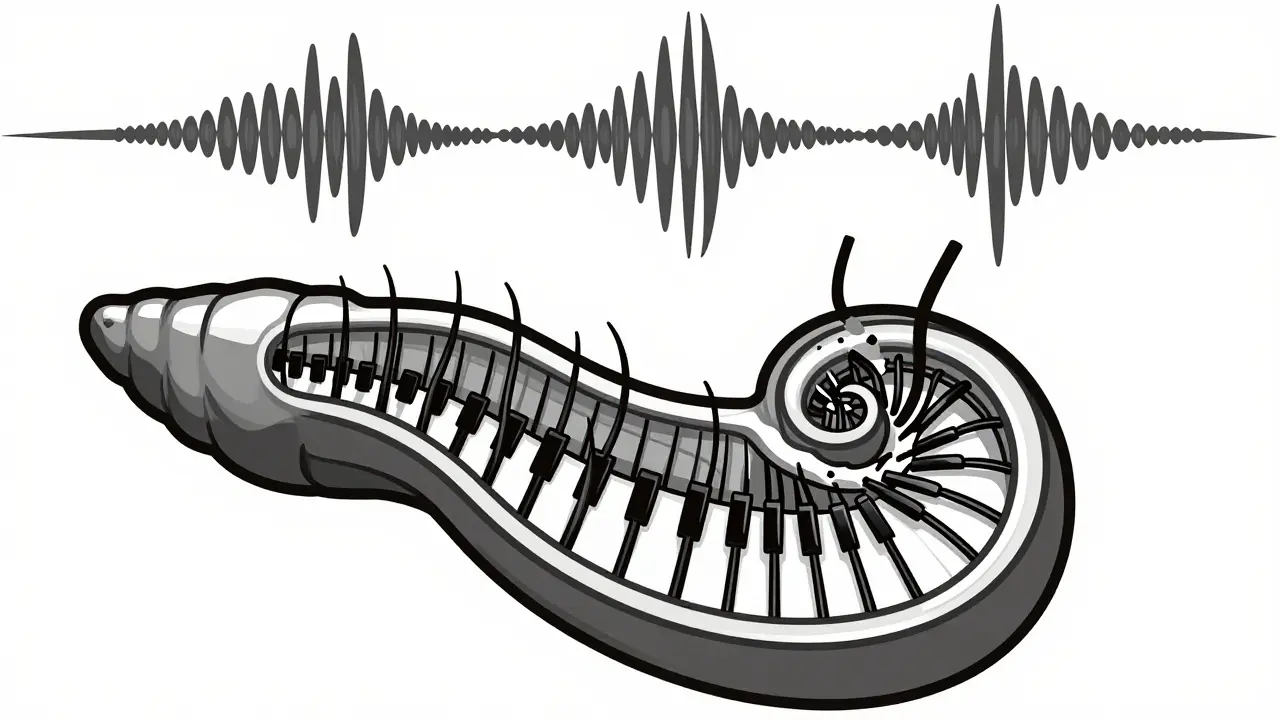
To understand sensorineural hearing loss (SNHL), you first need to picture the cochlea, which is a spiral-shaped organ in the inner ear filled with fluid and lined with thousands of microscopic hair cells called stereocilia. Think of these hair cells as tiny piano keys. When sound waves enter your ear, they ripple through the fluid in the cochlea, causing these hairs to bend. This bending triggers an electrical signal that travels up the auditory nerve to your brain, which interprets it as sound.
In SNHL, those 'piano keys' get damaged or die. Once they are gone, they do not grow back. This is the key difference between SNHL and conductive hearing loss. Conductive loss is like putting a piece of tape over a speaker-the sound is blocked mechanically, and fixing the blockage fixes the hearing. SNHL is like breaking the speaker wire or burning out the speaker itself. The problem is internal and structural.
This condition accounts for about 90% of all hearing loss cases requiring amplification. It usually affects both ears, though sometimes one is worse than the other. The damage can happen gradually over decades or suddenly in a matter of hours. Understanding this mechanism is crucial because it dictates how we treat it: we can't repair the broken hardware easily, so we focus on bypassing the damage or amplifying the remaining function.
Why Does It Happen? Common Causes
There are several culprits behind this inner ear damage. Knowing which one applies to you helps in managing expectations and preventing further loss.
- Aging (Presbycusis): This is the most common cause. As we age, the hair cells naturally wear out. About 25% of Americans aged 65-74 and half of those over 75 experience this. It’s a slow, steady decline, often starting with difficulty hearing high-pitched sounds like children’s voices or birds chirping.
- Noise Exposure: Loud noises are brutal on the cochlea. Exposure to sounds above 85 decibels for more than eight hours can cause permanent injury. This includes heavy machinery, concerts, or even headphones at max volume. The damage accumulates silently until one day, you notice a ringing in your ears or missing words in conversation.
- Sudden Sensorineural Hearing Loss (SSHL): This is a medical emergency. One day you hear fine; the next, you lose significant hearing in one ear. The cause is often unknown, possibly viral or vascular. If treated within 48-72 hours with corticosteroids, recovery rates jump to 32-65%. Delay treatment beyond two weeks, and the chance of recovery drops sharply.
- Genetics and Illness: Some people are born with genetic predispositions to SNHL. Certain diseases like meningitis, measles, or autoimmune disorders can also attack the inner ear structures.
Symptoms: More Than Just 'Turning Up the TV'
If you think hearing loss is just about volume, you might be missing the bigger picture. SNHL changes *how* you hear, not just *how much*. Here is what it actually feels like:
- Speech-in-Noise Difficulty: You can hear someone talking in a quiet room, but in a busy café, their voice blends into the background noise. Studies show 87% of patients struggle with this specific scenario.
- Tinnitus: That constant ringing, buzzing, or hissing in your ears. About 80% of people with SNHL deal with tinnitus. It’s the brain’s way of filling in the silence where signals used to come from.
- Recruitment: Sounds seem too soft at low volumes but suddenly become painfully loud at higher volumes. Your dynamic range shrinks, making everyday listening uncomfortable.
- Dizziness or Balance Issues: Since the inner ear controls balance too, damage here can sometimes lead to vertigo or unsteadiness.
If you recognize these symptoms, don't wait. Early intervention preserves your ability to process language and stay socially connected.
Diagnosis: How Do We Know It’s SNHL?
You can’t self-diagnose this. You need a professional audiogram. An audiologist will test your air conduction (sound traveling through the ear canal) and bone conduction (vibrations sent directly to the inner ear via a device on your mastoid bone).
In SNHL, both tests show similar levels of loss. There is no 'air-bone gap,' which rules out middle ear problems. If the bone conduction thresholds are worse than air conduction by less than 15 decibels, it confirms the issue is neural or sensory, not mechanical. This distinction is vital because it tells your doctor that surgery to fix a eardrum won’t help-you need amplification or neural stimulation.
Treatment Options: Managing Permanent Loss
Since the damage is permanent, the goal shifts from 'cure' to 'compensation.' Here are the main tools available in 2026.
| Solution | Best For | How It Works | Limitations |
|---|---|---|---|
| Hearing Aids | Mild to Severe SNHL | Amplifies specific frequencies based on your audiogram | Struggles in very noisy environments; requires battery maintenance |
| Cochlear Implants | Severe to Profound SNHL (>90 dB HL) | Bypasses damaged hair cells to stimulate the auditory nerve directly | Requires surgery; intense rehabilitation period needed |
| Corticosteroids | Sudden SNHL (within 72 hours) | Reduces inflammation in the inner ear | Ineffective if delayed; only works for acute cases |
Hearing Aids: The First Line of Defense
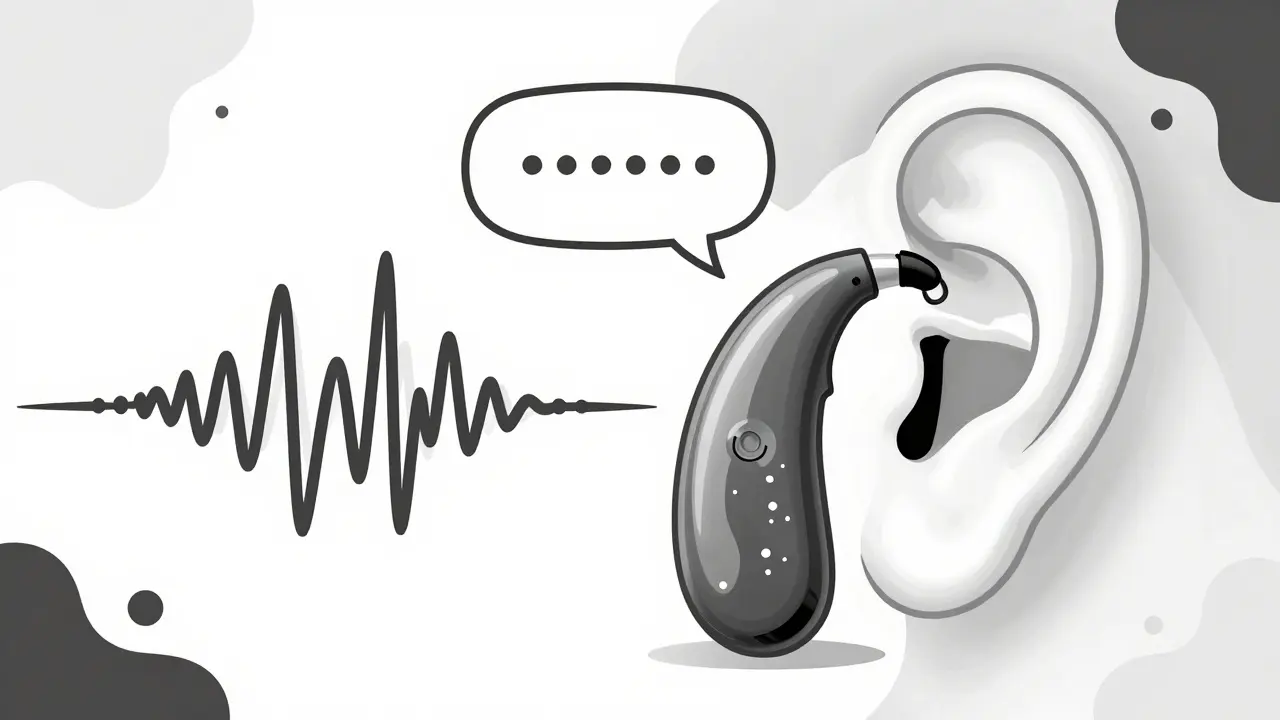
Modern digital hearing aids are marvels of miniaturization. They don’t just make everything louder; they analyze sound in real-time. Devices like the Widex Moment or Phonak Paradise use AI to separate speech from background noise, boosting frequencies where you’ve lost sensitivity (often 2000-8000 Hz) while compressing loud sounds to prevent discomfort.
Expect a learning curve. It takes 4-8 weeks for your brain to relearn how to process these new signals. Many users report initial challenges like the 'occlusion effect' (hearing your own chewing loudly) or feedback whistling. Work closely with your audiologist for adjustments during the first 30-90 days. Don’t give up after a week. Consistent daily use is key to success.
Cochlear Implants: When Aids Aren’t Enough
If hearing aids provide little benefit, a cochlear implant might be the answer. This surgically implanted device has an electrode array that sits inside the cochlea. It picks up sound, converts it into electrical impulses, and sends them directly to the auditory nerve.
It’s not a quick fix. After surgery, there’s a 3-4 week healing period before activation. Then comes 6-12 months of auditory rehabilitation. At first, sounds may seem robotic or overwhelming. But 82% of recipients achieve open-set speech recognition-meaning they can understand speech without lip-reading. It’s life-changing for those with profound loss.
Living With SNHL: Practical Tips and Support
Technology helps, but lifestyle adjustments matter too. Here is how to navigate daily life:
- Position Yourself Wisely: In conversations, face the speaker. Visual cues like lip movements help your brain fill in gaps.
- Reduce Background Noise: Use noise-canceling headphones when not communicating. At restaurants, sit in booths away from kitchens or speakers.
- Protect Remaining Hearing: Wear earplugs in loud environments. Preventing further damage is critical since hair cells don’t regenerate.
- Join a Community: Organizations like the Hearing Loss Association of America (HLAA) offer workshops and local chapters. Sharing experiences reduces isolation and provides practical tips from others who ‘get it.’
Financially, hearing aids can cost $2,500-$7,000 per pair. Look into insurance coverage, Medicare supplemental plans, or direct-to-consumer OTC options for mild loss, which have grown significantly since the 2017 FDA rule change. Brands like Lively and Eargo offer affordable alternatives for early-stage SNHL.
The Future: Is a Cure Coming?
Research is moving fast. Scientists at Stanford Medicine and other institutions are exploring stem cell therapy to regenerate hair cells. While clinical applications are still 5-10 years away, the progress is promising. Meanwhile, AI-driven hearing devices are getting smarter, integrating with smartphones to auto-adjust settings based on your environment.
For now, the best strategy is proactive management. Don’t let stigma keep you from seeking help. Untreated hearing loss is linked to cognitive decline and social withdrawal. By addressing SNHL early, you protect not just your hearing, but your overall quality of life.
Is sensorineural hearing loss reversible?
Generally, no. Because it involves damage to hair cells or nerves that do not regenerate, SNHL is considered permanent. However, sudden sensorineural hearing loss (SSHL) can sometimes be reversed if treated with steroids within 48-72 hours of onset. For chronic cases, management focuses on amplification and adaptation rather than cure.
What is the difference between conductive and sensorineural hearing loss?
Conductive hearing loss is caused by physical blockages or issues in the outer or middle ear (like earwax or infection) and is often treatable with medication or surgery. Sensorineural hearing loss results from damage to the inner ear (cochlea) or auditory nerve, making it typically permanent and requiring hearing aids or implants for management.
Can loud music cause permanent hearing loss?
Yes. Prolonged exposure to sounds above 85 decibels can permanently damage the hair cells in the cochlea. This is known as noise-induced hearing loss. Using ear protection at concerts or keeping headphone volume below 60% can help prevent this type of irreversible damage.
How long does it take to adjust to hearing aids?
Most people need 4 to 8 weeks to fully adapt to hearing aids. During this time, your brain learns to process amplified sounds again. Initial challenges like feedback whistling or feeling overwhelmed by background noise are common but usually resolve with proper fitting and consistent use.
Are cochlear implants safe?
Cochlear implants are generally safe and effective for severe-to-profound hearing loss. The surgery carries standard risks like infection or anesthesia complications, but serious issues are rare. Most recipients report significant improvements in speech understanding and quality of life after the required rehabilitation period.