

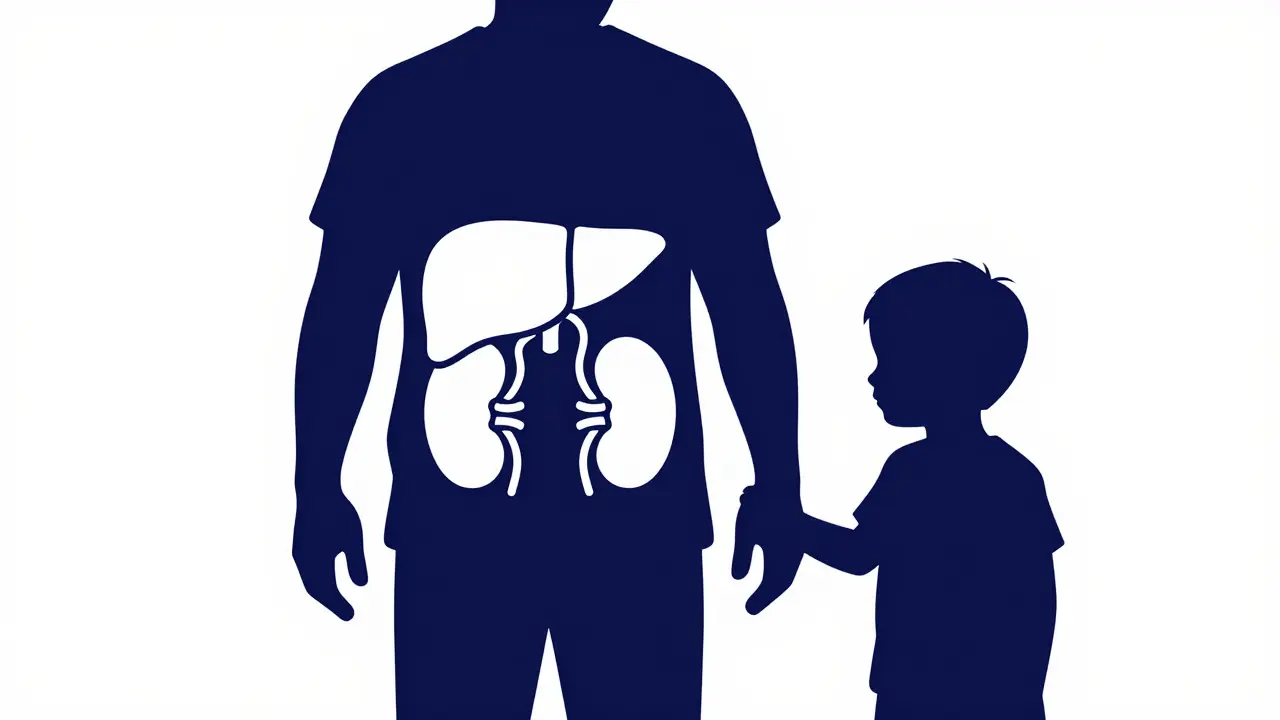
Most of us don't think twice when a pharmacist swaps a brand-name medication for a generic version. In the adult world, it's a standard way to save money. But when it comes to kids, that simple switch can introduce risks we rarely talk about. Because children aren't just small adults, their bodies process chemicals differently. From immature liver functions in infants to the way a toddler reacts to a specific preservative, pediatric safety requires a much closer look at what's actually inside the bottle.
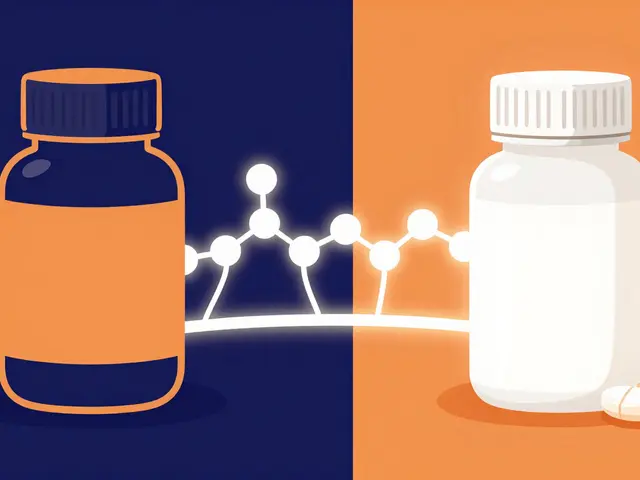
Generic Drugs are medications created to be the same as an already marketed brand-name drug in dosage, safety, strength, and quality. While they share the same active ingredient, they often differ in their inactive components, which is where the danger often hides for the youngest patients.
Why Generics Aren't Always "Plug and Play" for Kids
The biggest misconception is that if the active ingredient is the same, the drug is identical. While the FDA requires generics to match the brand's active component, they don't mandate the same inactive ingredients (excipients). For an adult, a different dye or preservative is usually irrelevant. For a child, especially those under 2 years old, these additives can cause allergic reactions or unexpected side effects.
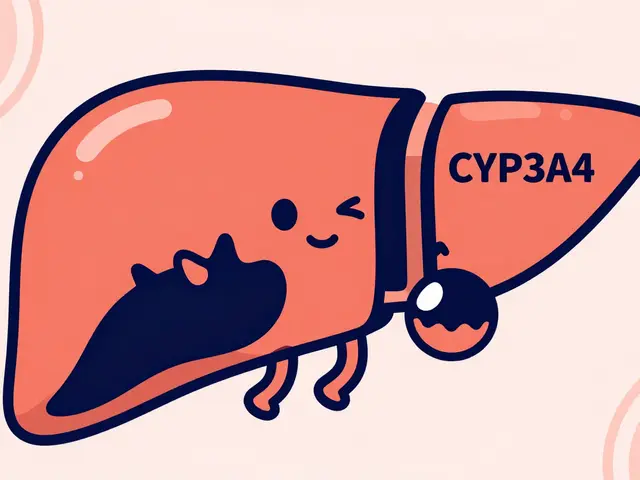
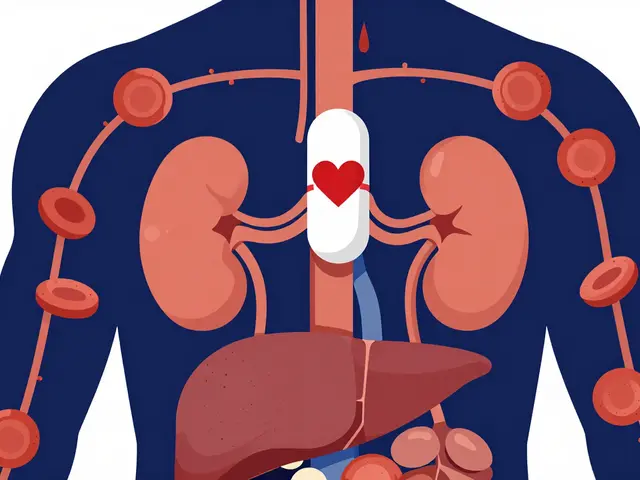
Physiology plays a massive role here. Infants have immature organ systems, meaning their kidneys and livers don't clear drugs the same way adults do. This makes them far more vulnerable to toxicity. For example, while adults handle acetaminophen normally, young children have different glutathione production rates, affecting how the drug is metabolized. In other cases, like with Verapamil, infants face a much higher risk of cardiovascular complications than adults would.
There is also a staggering gap in data. Research shows that roughly 50% to 75% of drugs used in pediatric medicine haven't been studied enough to provide accurate labeling for children. This leads to the common practice of "off-label" prescribing-using a drug for a purpose or age group not officially approved by regulators. In fact, about 40% of pediatric prescriptions are off-label, and since 90% of prescriptions filled in the US are generics, the safety gap is wide.
The KIDs List: Knowing Which Drugs to Avoid
To combat this lack of data, the Pediatric Pharmacy Association created the KIDs List (Key Potentially Inappropriate Drugs List). This isn't just a suggestion; it's a critical safety tool that identifies thousands of drugs with known pediatric concerns.
The list breaks medications into "avoid" and "caution" categories. An "avoid" rating is used when the risk is life-threatening or the evidence is overwhelming. A prime example is Promethazine. This generic antihistamine is strongly flagged to be avoided in children under 2 because of the risk of fatal respiratory failure. Similarly, Trimethobenzamide, a generic antiemetic, is avoided for anyone under 18 due to the risk of acute dystonic reactions.
Topical medications aren't exempt either. Many parents assume a cream is safer than a pill, but generic Benzocaine can cause methemoglobinemia (a blood disorder) if applied orally in children under 2. Even high-potency generic corticosteroids, like those containing betamethasone, can lead to Cushing syndrome or adrenal suppression if used on a toddler's diaper rash.
| Drug/Class | Risk/Concern | Age Group | Recommendation |
|---|---|---|---|
| Promethazine | Respiratory Failure | < 2 years | Avoid |
| Benzocaine | Methemoglobinemia | < 2 years | Avoid (Oral) |
| Aspirin | Reye's Syndrome | < 19 years | Avoid |
| Lamotrigine | Stevens-Johnson Syndrome | Children | Caution/Monitor |
| Liquid Formulations | Dosing Errors | All children | High Vigilance |
Common Pitfalls in Pediatric Dosing
When dealing with generics, the margin for error is slim. A tiny mistake in a dose for an adult might not matter, but for a 5kg infant, a 10-fold error can be fatal. This is why the "zero rule" is so vital: never place a zero after a whole number (write 1, not 1.0). That one extra decimal point can lead to a catastrophic overdose.
Liquid medications are the biggest culprits, accounting for 37% of pediatric medication errors. Many parents still rely on household spoons, which vary wildly in size. Using an oral syringe instead can cut dosing errors by half. The Institute for Safe Medication Practices also flags anticoagulants and opioids as high-risk classes where generic substitution must be monitored with extreme care.
Real-world experiences from parents highlight a different kind of problem: compliance. Many children refuse a generic version because it tastes different or is a different color than the brand-name version they are used to. While this seems minor, if a child refuses their medication, the treatment fails. There are also reported cases of allergic reactions to the specific preservatives used in generic versions of drugs like cetirizine, which aren't present in the brand-name equivalent.
Practical Safety Steps for Parents and Caregivers
You don't need to be a pharmacist to keep your child safe, but you do need a system. One of the most effective ways to prevent adverse events is through proper medication reconciliation. Keeping a current list of every prescription, over-the-counter drug, and herbal supplement your child takes can prevent nearly 80% of avoidable adverse events.
When administering a generic drug, follow these concrete rules:
- Never use adult formulations: Even if you've calculated the dose, adult medicines often have concentrations and additives that are toxic to children.
- Verify the concentration: Always check that the mg/mL on the bottle matches exactly what the doctor ordered. Different generic manufacturers may offer different concentrations of the same drug.
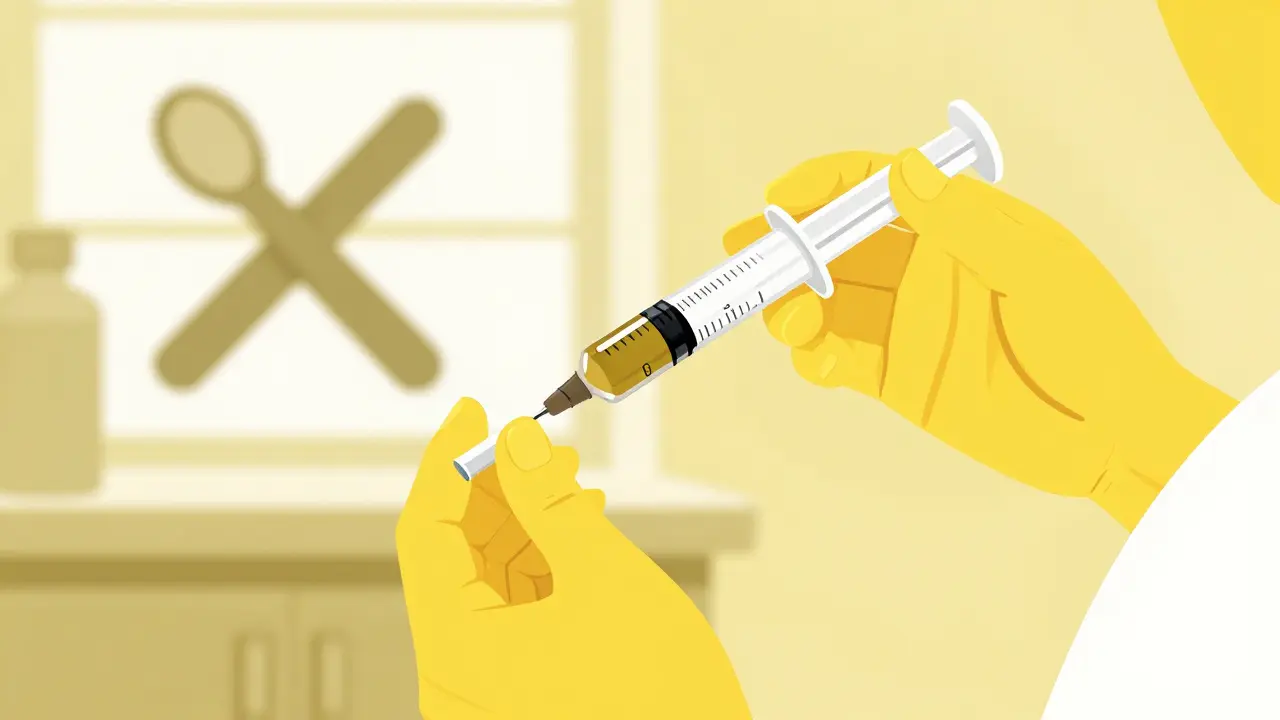
- Use the right tool: Throw away the kitchen spoons. Use the oral syringe or dosing cup that came with the medication.
- Light it up: Measure your medication in a well-lit area to ensure you are hitting the exact line on the syringe.
If you have a child with a narrow therapeutic index drug-such as Levothyroxine or Phenytoin-be extremely cautious about switching brands. Small differences in bioavailability between generics of these specific drugs can cause the medication to either fail or become toxic.
How to Talk to Your Doctor About Generics
If you are concerned about a generic substitution, you have options. Pediatricians can write "Dispense as Written" (DAW) on a prescription. This tells the pharmacist that a generic substitution is not medically appropriate for that specific child. This is common when a child has a known allergy to a specific filler or when the brand-name version is necessary for stability and precision.
Don't be afraid to ask your provider: "Is this generic FDA-approved for this specific age group?" or "Are there inactive ingredients in this generic that could affect my child?" Since 60% of generics lack specific pediatric dosing info (compared to 35% of brand names), your doctor may be relying on their own experience or off-label guidelines. It's always better to double-check.
Are generic drugs safe for infants under 2?
While many are safe, infants under 2 are at higher risk due to immature organ function. Certain generics, like those containing promethazine or specific oral anesthetics, can be dangerous. Always check the KIDs List or consult a pediatric pharmacist for this age group.
What is the KIDs List?
The KIDs List is a resource developed by the Pediatric Pharmacy Association that identifies medications with potential safety concerns for children. It categorizes drugs as "avoid" or "caution" based on evidence and risk severity.
Why do some generics cause allergic reactions while brand names don't?
Generic drugs use different inactive ingredients (excipients) like dyes, flavors, and preservatives. A child might be allergic to a specific preservative used by a generic manufacturer even if they are fine with the active ingredient itself.
How can I prevent dosing errors at home?
Use oral syringes instead of household spoons, measure in a brightly lit room, and double-check the concentration (mg/mL) on the label. Never use a zero after a whole number when recording doses to avoid 10-fold errors.
Can a doctor prevent a pharmacy from switching to a generic?
Yes. A pediatrician can mark the prescription as "Dispense as Written" (DAW), which instructs the pharmacist to provide the exact brand-name medication prescribed without substitution.
11 Comments

Doug DeMarco
April 12, 2026 AT 04:10
This is some seriously important stuff for any parent to keep in mind! 🌟 Always better to be safe than sorry when it comes to the little ones. I always tell people to just double-check with the pharmacist if they're unsure about a swap! 😊

Simon Jenkins
April 13, 2026 AT 08:03
It is absolutely tragic that we even have to discuss this in a civilized society. The sheer incompetence of a system that allows such a massive gap in pediatric data is a culinary disaster of medical proportions! I personally find it abhorrent that a parent has to become a part-time pharmacist just to ensure their child doesn't suffer a catastrophic reaction to some random dye. Truly a nightmare scenario!

Camille Sebello
April 13, 2026 AT 22:57
Way too scary!!! Check every label!!! Always!!!

Will Gray
April 15, 2026 AT 17:59
You can bet the FDA is just ignoring this data because they're in the pockets of the big generic manufacturers. It's all about the money, not the kids. Typical of the American bureaucracy to prioritize corporate profit over the health of our own citizens. Don't trust the labels, trust your gut.

Victor Parker
April 15, 2026 AT 22:12
Big Pharma just wants us hooked on the expensive stuff so they can track us 👁️. Why do you think the data is "missing"? It's not missing, it's hidden! 💊🤐

Julie Bella
April 16, 2026 AT 03:49
Omg I can't believe some parents just dont care about this!! Its practically crimnal to not check the KIDs list if u have a baby 👶. I saw a mom at the store the other day just buying any old brand and I almost told her she was being reckles!! We all need to do bettter for the kids!! 😱✨

Rakesh Tiwari
April 16, 2026 AT 20:31
Oh, look at that. Another guide telling people to do the job the doctors are paid for. I'm sure the medical professionals are just thrilled that we're crowdsourcing pediatric safety now. Truly an efficient system we've built here.

Sarina Montano
April 17, 2026 AT 19:11
The nuance regarding bioavailability in narrow therapeutic index drugs is a fascinating point. It really highlights how a seemingly identical molecule can behave like a totally different beast in a developing system. I've noticed that some pharmacists are more inclined to discuss the 'inactive' list if you specifically ask for the excipient profile, which can be a total game-changer for kids with hyper-sensitive systems. It's like navigating a chemical minefield sometimes, but knowing the right terminology helps you get the actual answers you need from the provider.

Emily Wheeler
April 18, 2026 AT 09:37
It's really interesting to think about how we balance the economic necessity of generic medications with the ethical imperative of absolute safety, and while it's clear that a systemic overhaul of pediatric research is needed, I think there's a beautiful opportunity here for parents to actually engage more deeply with the science of their child's health. If we can collectively shift our mindset from passive consumption to active advocacy, we might actually find a way to bridge that data gap through shared experience and more rigorous community reporting, which honestly feels like the only sustainable path forward in a world where clinical trials are often too slow or too profit-driven to keep up with the real-world needs of infants.

Peter Meyerssen
April 19, 2026 AT 17:21
The pharmacokinetics here are just a basic manifestation of systemic entropy 🌀. It's all about the bioavailability paradigms. Just a simple matter of bioequivalence versus therapeutic equivalence. 📚

kalpana Nepal
April 21, 2026 AT 07:48
This is why our traditional knowledge is better. We don't need these generic chemicals that cause so much harm. Trust the land, not the pharmacy.
Write a comment